













Most people stick to the same desserts — chocolate cake, ice cream, maybe a brownie. But the world is packed with incredible sweets that most people have never even heard of.
From sticky rice treats in Southeast Asia to crumbly pastries in Eastern Europe, there are so many flavors waiting to be discovered. Get ready to meet 17 desserts that deserve a spot on your must-try list.
1. Basbousa (Egyptian Semolina Cake)
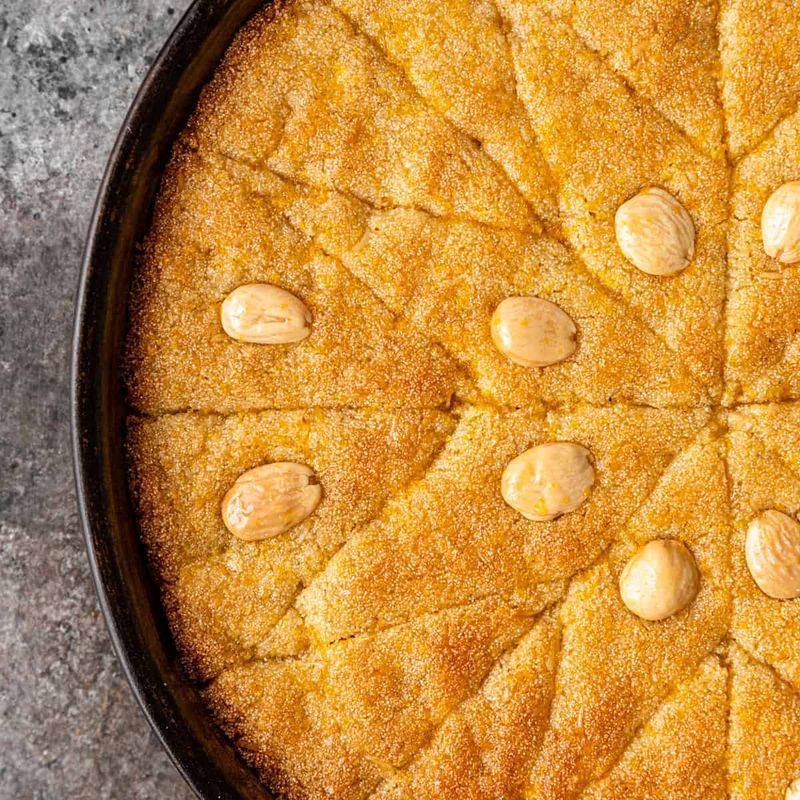
Sweet, grainy, and soaked in honey-scented syrup, basbousa is one of Egypt's most beloved treats. Made from semolina — a coarse type of flour — it has a slightly chewy texture that's unlike any cake you've tried before.
Each piece is usually topped with a single almond and drenched in rose water or orange blossom syrup after baking. It's simple to make but wildly satisfying.
Street vendors across Cairo sell it warm, and the smell alone is enough to stop you in your tracks.
2. Malabi (Middle Eastern Milk Pudding)
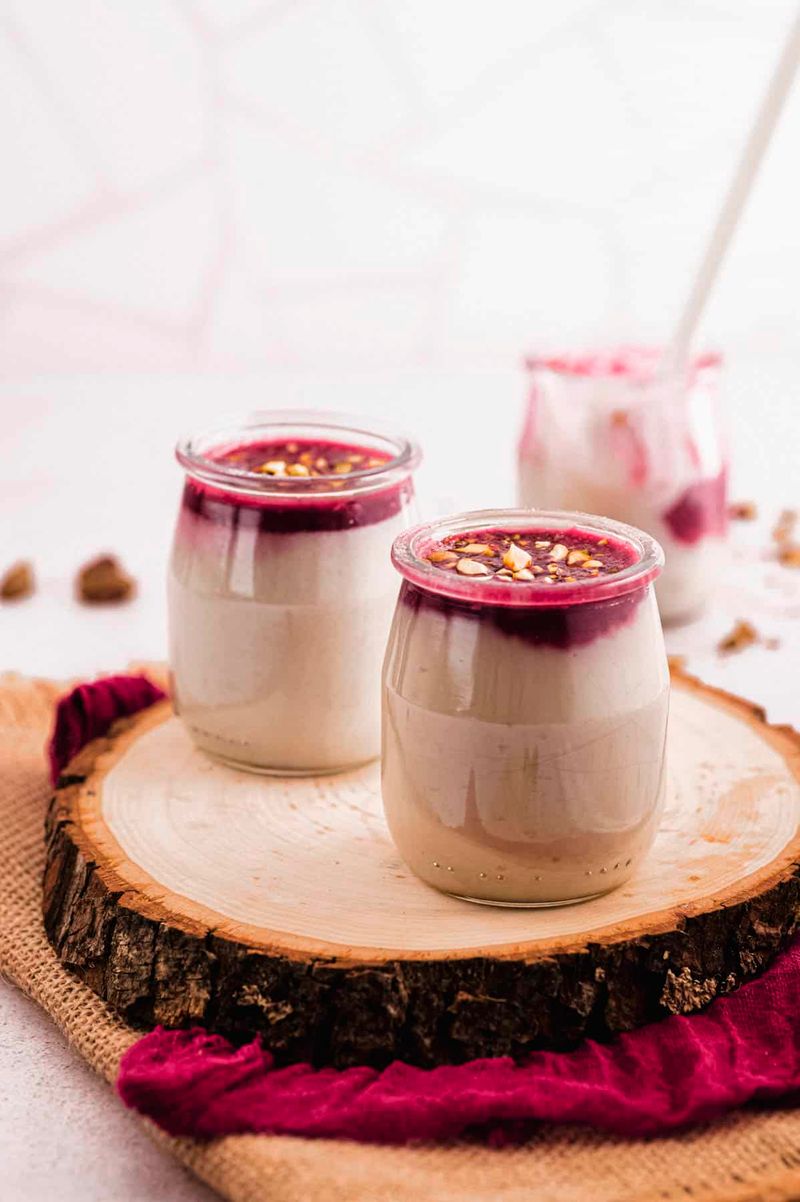
Imagine a dessert so silky it almost melts before you can finish your first spoonful. Malabi is a chilled milk pudding popular in Israel and across the Middle East, flavored with rose water and topped with a sweet, ruby-red syrup.
Crushed pistachios or coconut flakes are sprinkled on top for a little crunch. It looks fancy but takes very few ingredients to make.
On a hot day, a cold cup of malabi feels like the most refreshing thing in the world.
3. Klecha (Iraqi Date Cookies)
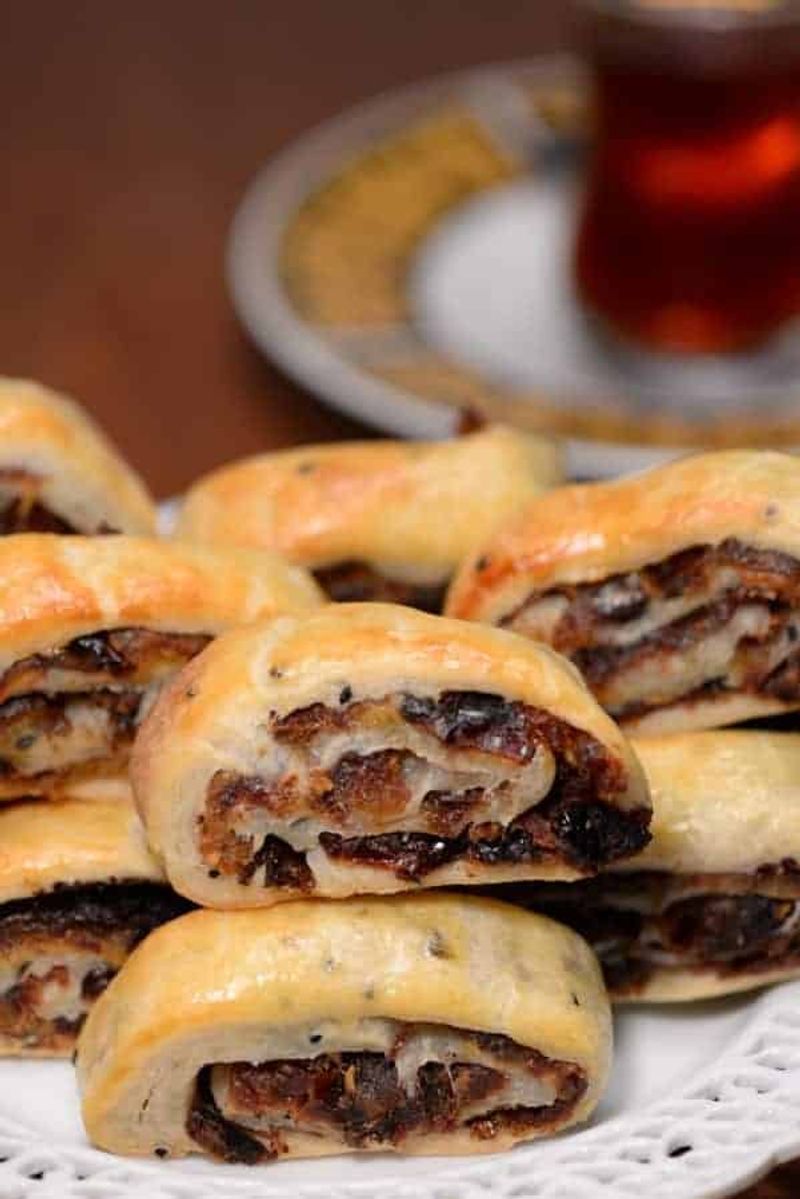
Klecha are traditional Iraqi cookies stuffed with dates, walnuts, or cardamom-spiced fillings — and they taste like a hug from someone's grandmother. These crumbly, fragrant cookies have been baked in Iraqi homes for centuries, especially during Eid celebrations.
The dough is soft and buttery, while the filling adds a warm, caramel-like sweetness. They pair perfectly with strong black tea.
Once you try one, it's almost impossible to stop at just a couple.
4. Sago Pudding (Southeast Asian Tapioca Dessert)
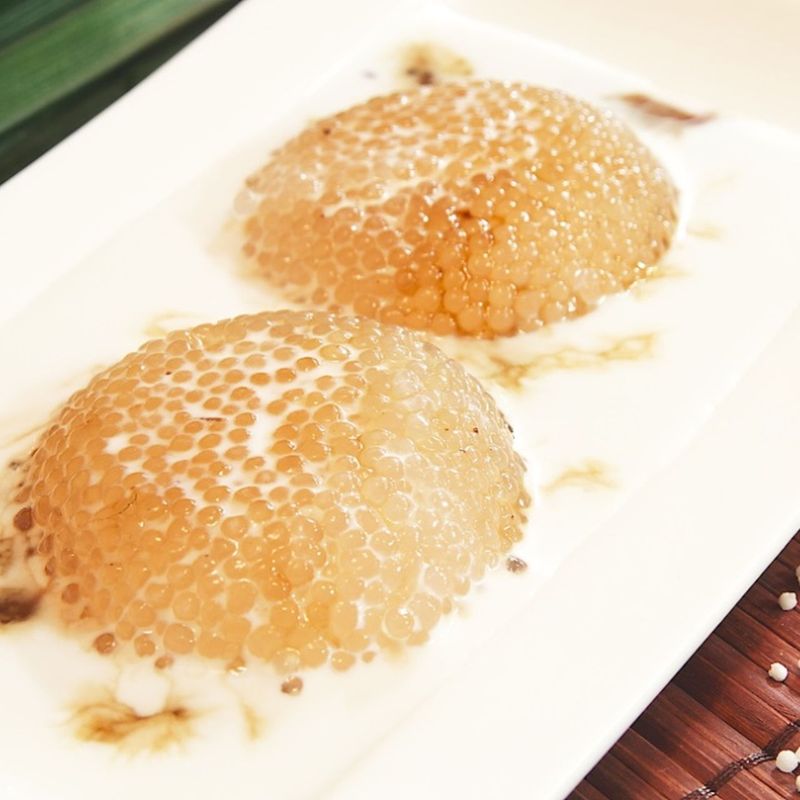
Tiny translucent pearls swimming in coconut milk — that's sago pudding in a nutshell. Popular across Malaysia, Indonesia, and the Philippines, this dessert uses sago pearls made from the starch of palm trees.
The texture is wonderfully bouncy and the flavor is mildly sweet, made richer with thick coconut cream and a drizzle of dark palm sugar. It's one of those desserts that feels both light and comforting at the same time.
Street food stalls serve it cold in little cups.
5. Tarte Tatin (French Upside-Down Apple Tart)
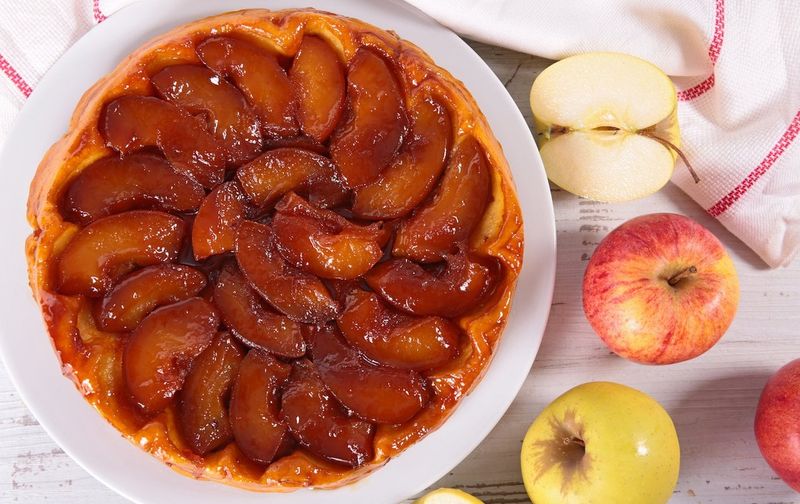
A happy accident that became one of France's most iconic desserts — tarte tatin was supposedly created in the 1880s when a French innkeeper accidentally baked her apple tart upside down. The result?
Sticky, caramelized apples sitting on a buttery, flaky crust.
Served warm with a scoop of vanilla ice cream or a dollop of creme fraiche, it's pure comfort in every bite. Many people who try it for the first time are shocked they hadn't heard of it sooner.
6. Knafeh (Levantine Cheese Pastry)
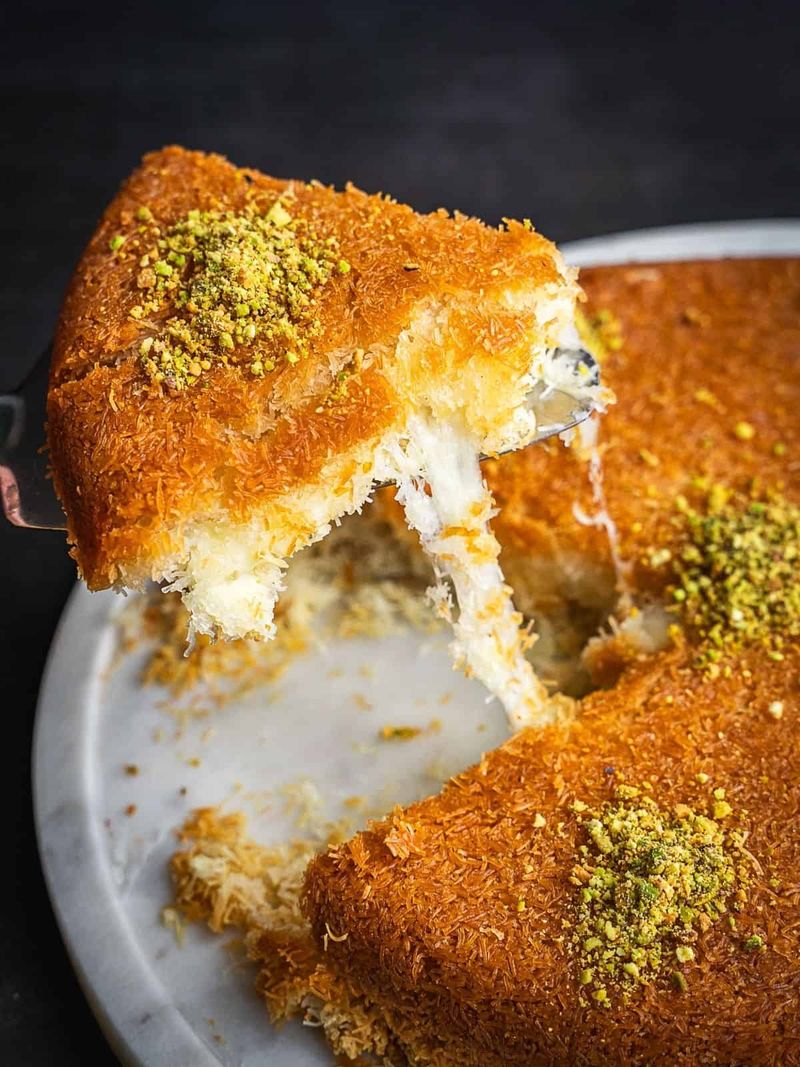
Hot, stretchy cheese hidden under crunchy shredded pastry and drizzled with sweet syrup — knafeh sounds wild, but it works brilliantly. This iconic Levantine dessert is especially famous in the Palestinian city of Nablus, where it's been made for hundreds of years.
The contrast between the crispy orange top and the gooey cheese inside is what makes knafeh unforgettable. Vendors serve it by the slice, still sizzling from the pan.
First-timers are often surprised that a cheese dessert can taste this incredible.
7. Haupia (Hawaiian Coconut Pudding)
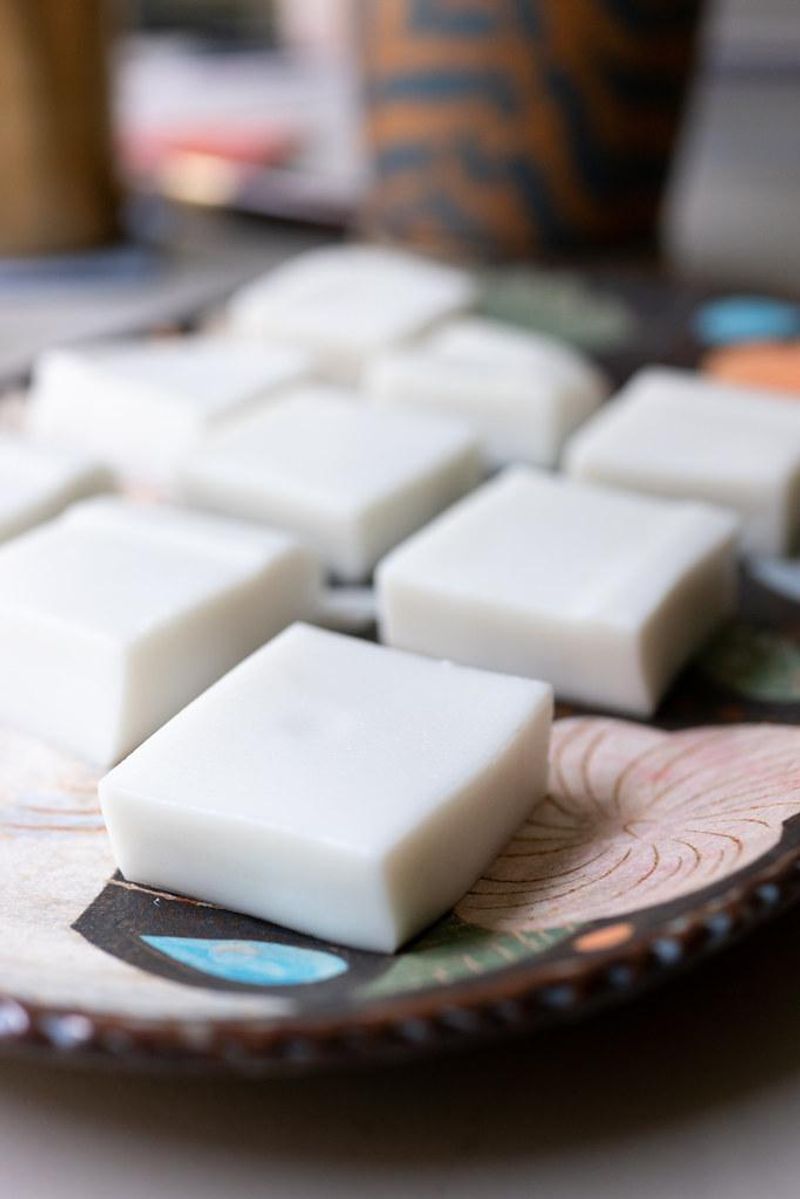
Haupia looks like a plain white square, but one bite reveals a smooth, creamy coconut flavor that's quietly addictive. This traditional Hawaiian dessert has been served at luaus for generations and is made from just coconut milk, sugar, and a thickener like cornstarch or arrowroot.
Its texture sits somewhere between Jell-O and a thick pudding. It's cool, refreshing, and not too sweet — which makes it perfect after a big meal.
You'll often find it layered into chocolate pies at Hawaiian bakeries too.
8. Mochi (Japanese Rice Cake)
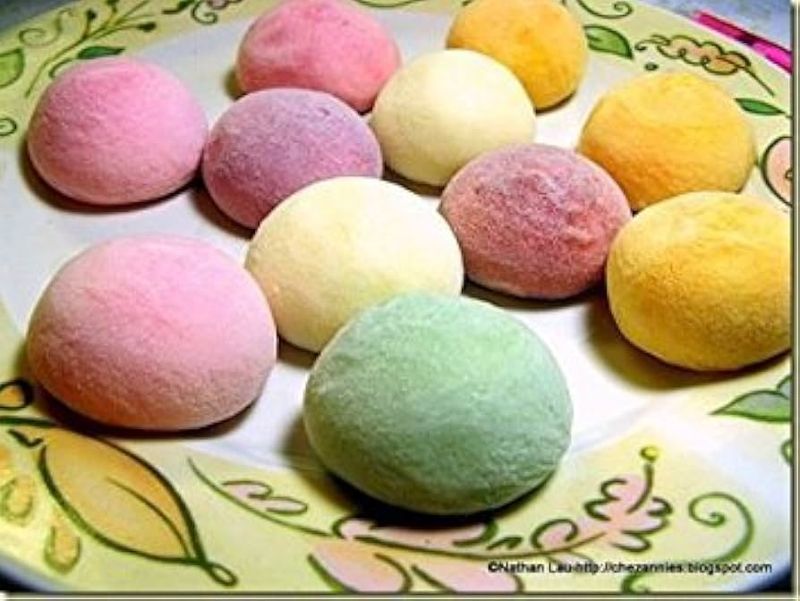
Soft, chewy, and endlessly customizable — mochi has quietly taken over dessert menus around the world. Made from pounded glutinous rice, this Japanese treat has a stretchy texture that's completely unique and a little hard to describe until you try it yourself.
Fillings range from sweet red bean paste to ice cream to fresh strawberries. Mochi comes in dozens of flavors and colors for Japanese holidays and festivals.
Once you get past the unusual texture, it becomes genuinely hard to put down.
9. Tres Leches Cake (Latin American Milk Cake)
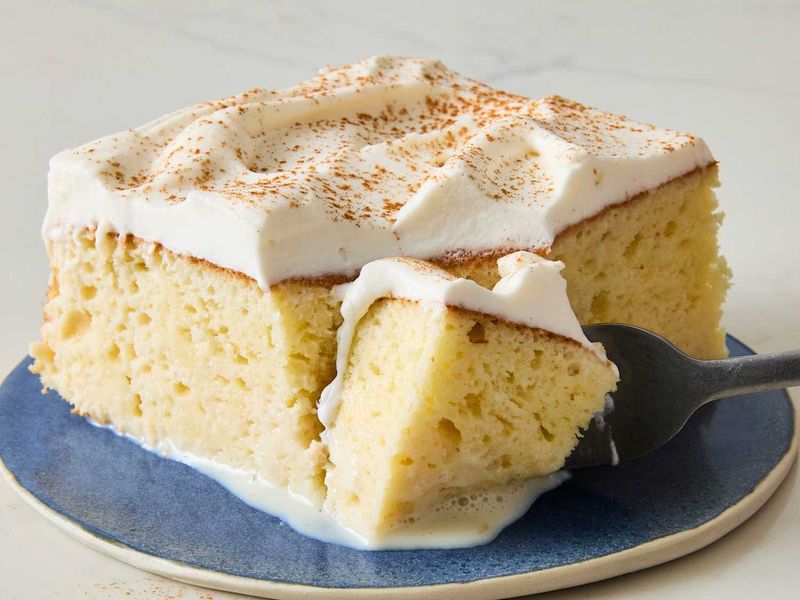
Three types of milk — evaporated, condensed, and heavy cream — are poured over a sponge cake to create one of Latin America's most celebrated desserts. The cake absorbs every drop, becoming incredibly moist without ever turning soggy.
Topped with fluffy whipped cream and fresh fruit, tres leches is a staple at birthday parties and family gatherings from Mexico to Venezuela. It's richer than most cakes you've tried, but somehow still light enough that you always want another slice.
10. Pastel de Nata (Portuguese Egg Tart)
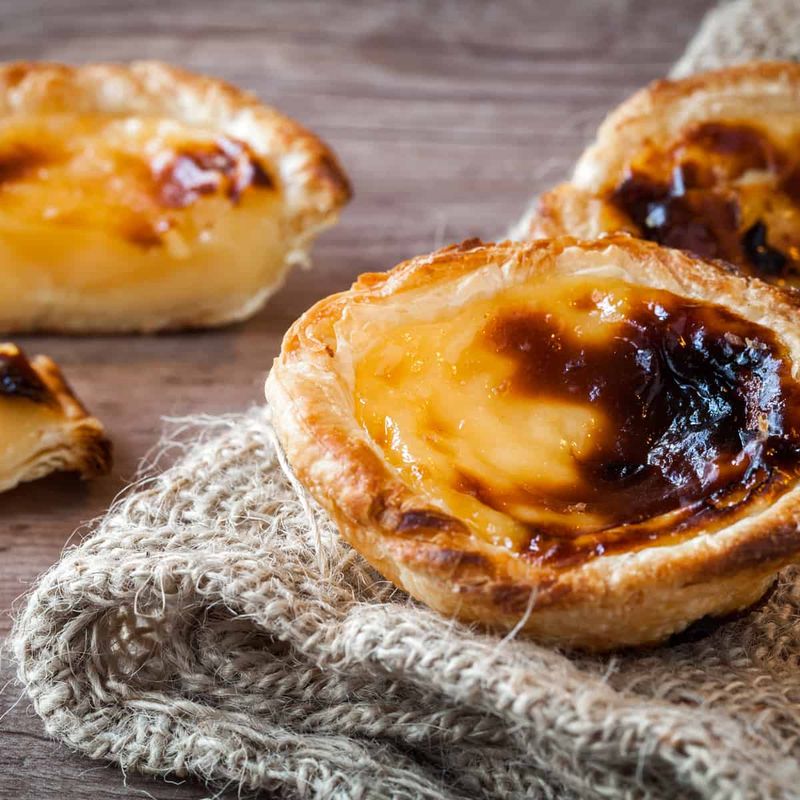
Crispy, flaky shells filled with a creamy, slightly charred custard — pastel de nata might just be the world's most underrated pastry. Created by monks in Lisbon in the 18th century, these little egg tarts became so popular that the original bakery still has lines out the door today.
A dusting of cinnamon and powdered sugar is all they need. They taste best warm, straight from the oven.
Even people who claim they don't like custard tend to fall hard for these.
11. Chimney Cake (Hungarian Kürtőskalács)
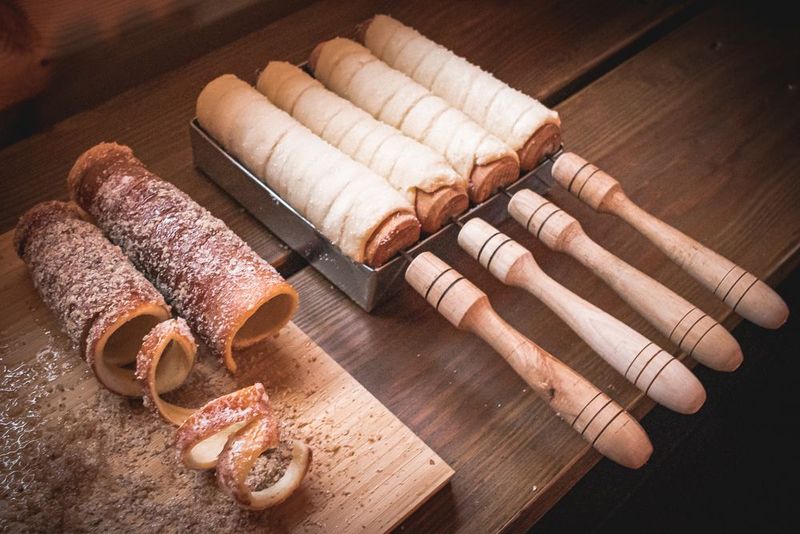
Picture a hollow tube of sweet, spiral-shaped dough rolled in cinnamon sugar and cooked over an open flame until golden and caramelized. That's kürtőskalács — also called chimney cake — and it's one of Hungary's oldest and most beloved street foods.
The outside is slightly crunchy while the inside stays soft and doughy. Modern versions come filled with Nutella, ice cream, or whipped cream.
Watching one being made on a rotating spit is almost as fun as eating it.
12. Bibingka (Filipino Rice Cake)
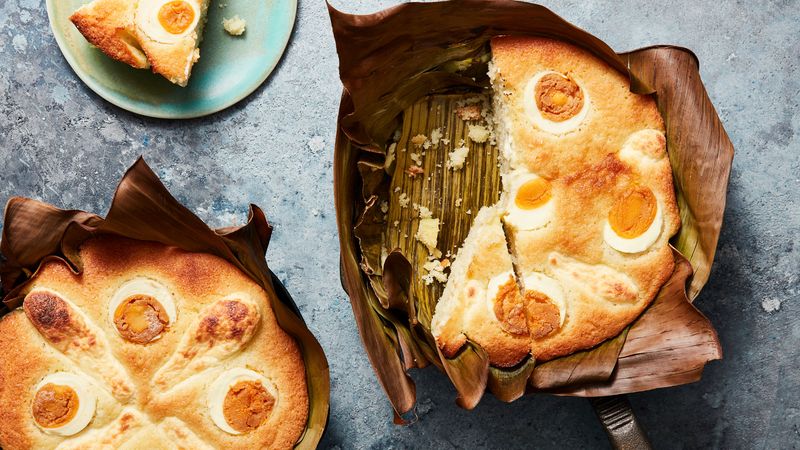
Every Christmas morning in the Philippines, the smell of bibingka drifts through church courtyards as vendors bake these rice cakes in clay pots lined with banana leaves. The smoky, slightly charred edges and the soft, chewy center make bibingka unlike any other cake.
Topped with salted egg and freshly grated coconut, it balances sweet and savory in a way that feels surprisingly perfect. Even outside the holiday season, bibingka is a deeply comforting snack that connects Filipinos to home no matter where they are.
13. Sfinj (Moroccan Doughnuts)
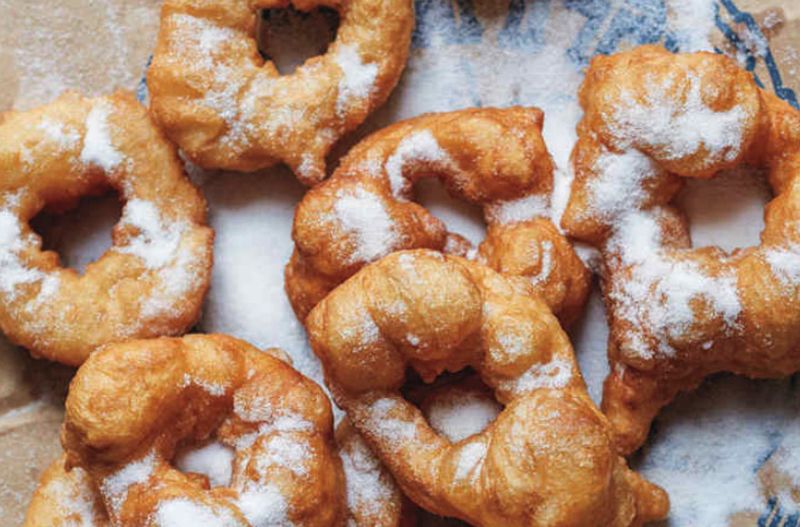
Forget perfectly round doughnuts — sfinj are wonderfully irregular, chewy, and golden, fried fresh at Moroccan street stalls every morning. Made from a simple yeast dough, they're stretched by hand before being dropped into hot oil, which gives each one a unique, rustic shape.
Sprinkled with sugar or drizzled with honey, sfinj are best eaten piping hot with a glass of mint tea. They're crispy on the outside and airy on the inside — basically the Moroccan answer to a glazed doughnut, but better.
14. Pandan Cake (Southeast Asian Green Cake)
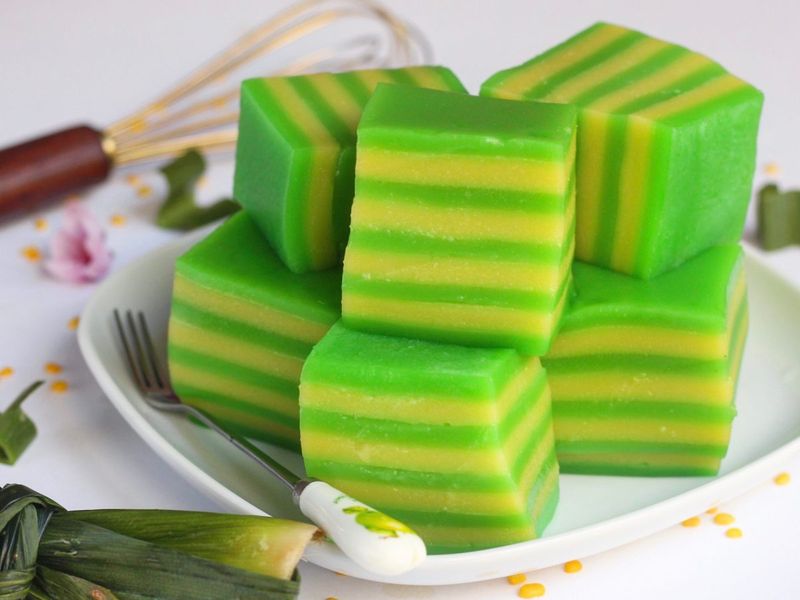
Bright green and smelling faintly of vanilla mixed with something floral and grassy — pandan cake is one of the most distinctive desserts in Southeast Asia. Pandan leaves are blended into a juice that gives the cake its vivid color and unique flavor.
The texture is incredibly light and airy, almost like eating a flavored cloud. Popular in Singapore, Malaysia, and Indonesia, pandan chiffon cake is a staple at bakeries and family celebrations.
Once you smell it baking, you'll understand why people are obsessed.
15. Medovik (Russian Honey Cake)
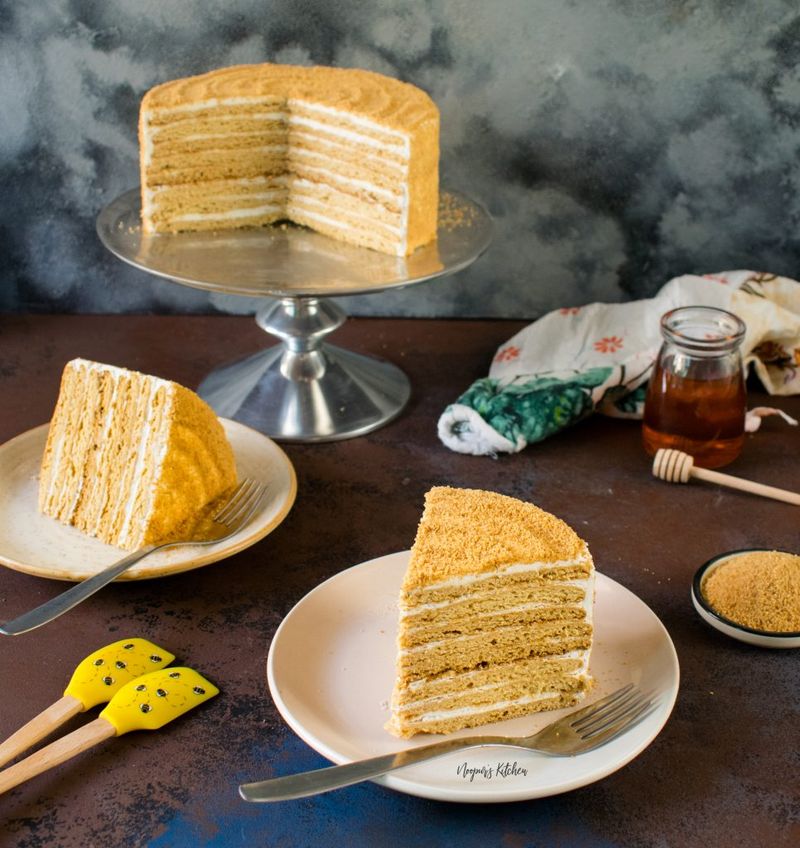
Medovik is a Russian layered honey cake made from dozens of paper-thin sheets stacked with sour cream frosting — and it has a backstory as rich as its flavor. Legend says it was created in the 1800s for Empress Elizabeth, who famously disliked honey but loved this cake without knowing what was in it.
After the layers sit overnight, the cake becomes incredibly tender and moist. Each bite carries a gentle caramel-honey warmth.
It takes patience to make, but the result is absolutely worth it.
16. Gulab Jamun (South Asian Milk Dumplings)
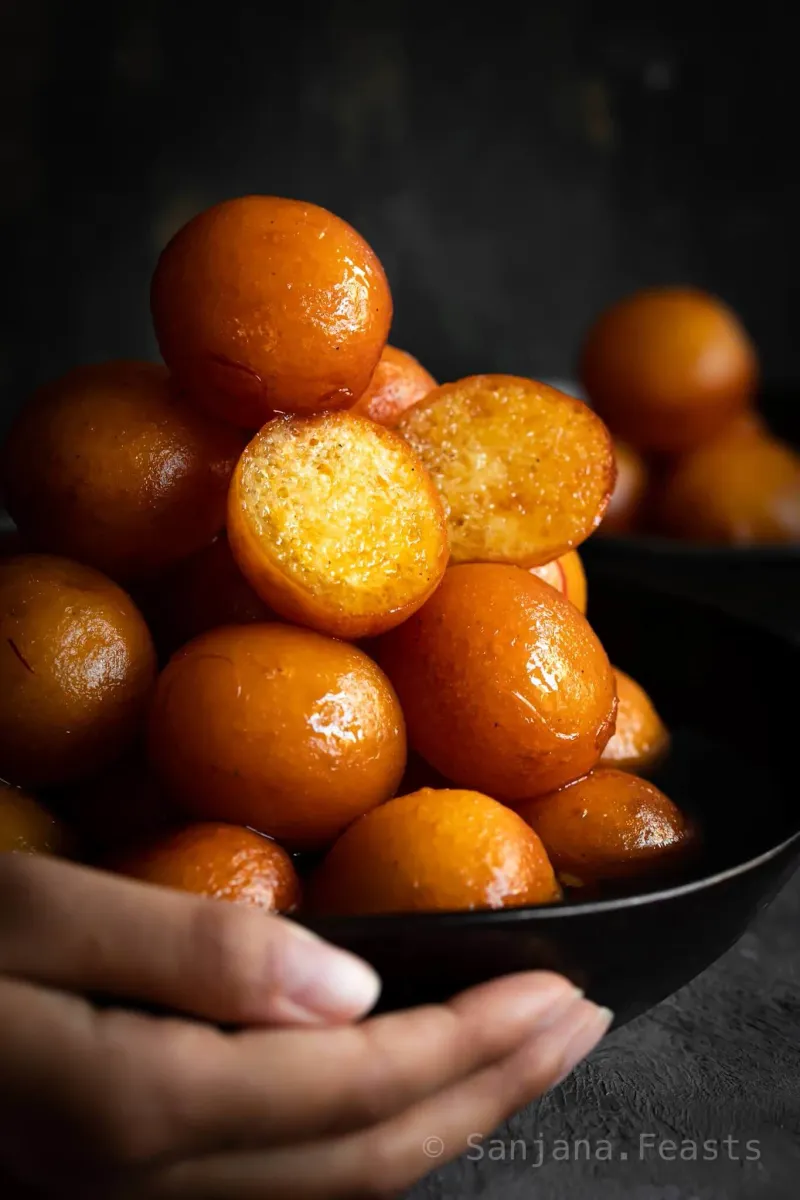
Soft, spongy balls of milk solids soaked in a warm, rose-scented sugar syrup — gulab jamun is one of South Asia's most celebrated sweets. The name literally means "rose water" and "berry," referring to the syrup and the round shape.
They're served at weddings, festivals, and everyday family dinners across India, Pakistan, and Bangladesh. Eating one warm is an experience — it practically dissolves on your tongue, releasing sweet floral syrup with every bite.
They're dangerously easy to eat five of without noticing.
17. Brigadeiro (Brazilian Chocolate Truffle)
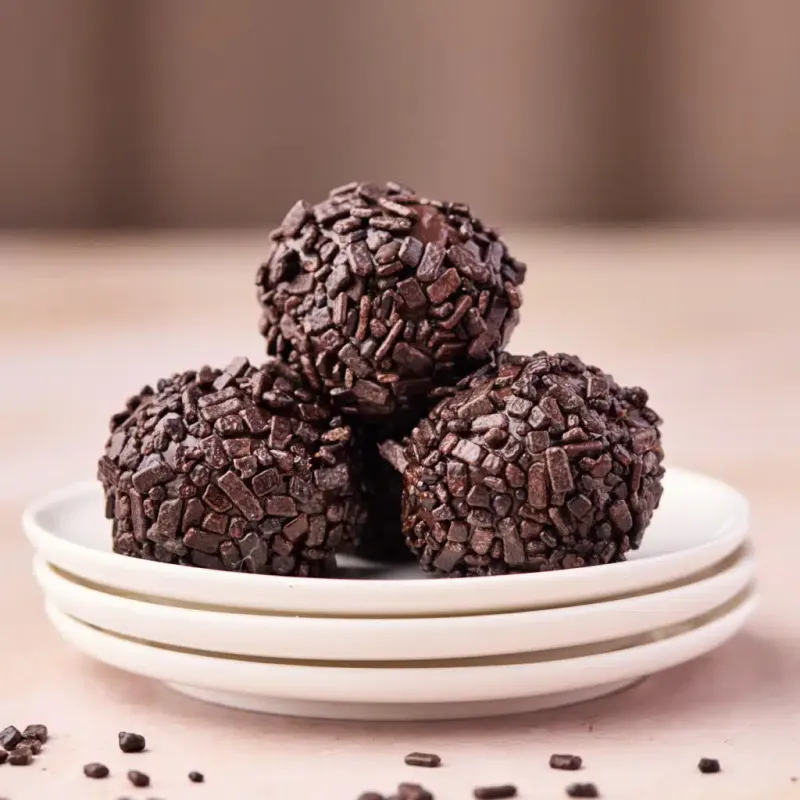
Brazil's answer to the chocolate truffle is rolled in sprinkles, made from just four ingredients, and found at virtually every birthday party in the country. Brigadeiro was invented in the 1940s and named after a Brazilian military officer — which might be the most unexpected origin story for a dessert ever.
Sweetened condensed milk, butter, cocoa powder, and chocolate sprinkles are all you need. The result is a fudgy, rich, melt-in-your-mouth treat.
Once you make a batch, you'll understand why Brazilians never show up to a party without them.

Comments
No Comments