











Some of the world's most beloved foods were never actually planned. A spilled ingredient here, a forgotten timer there, and suddenly a new classic was born.
Cooking mishaps have given us recipes that people now travel across the world to taste. Get ready to look at your favorite foods in a whole new way.
1. Chocolate Chip Cookies
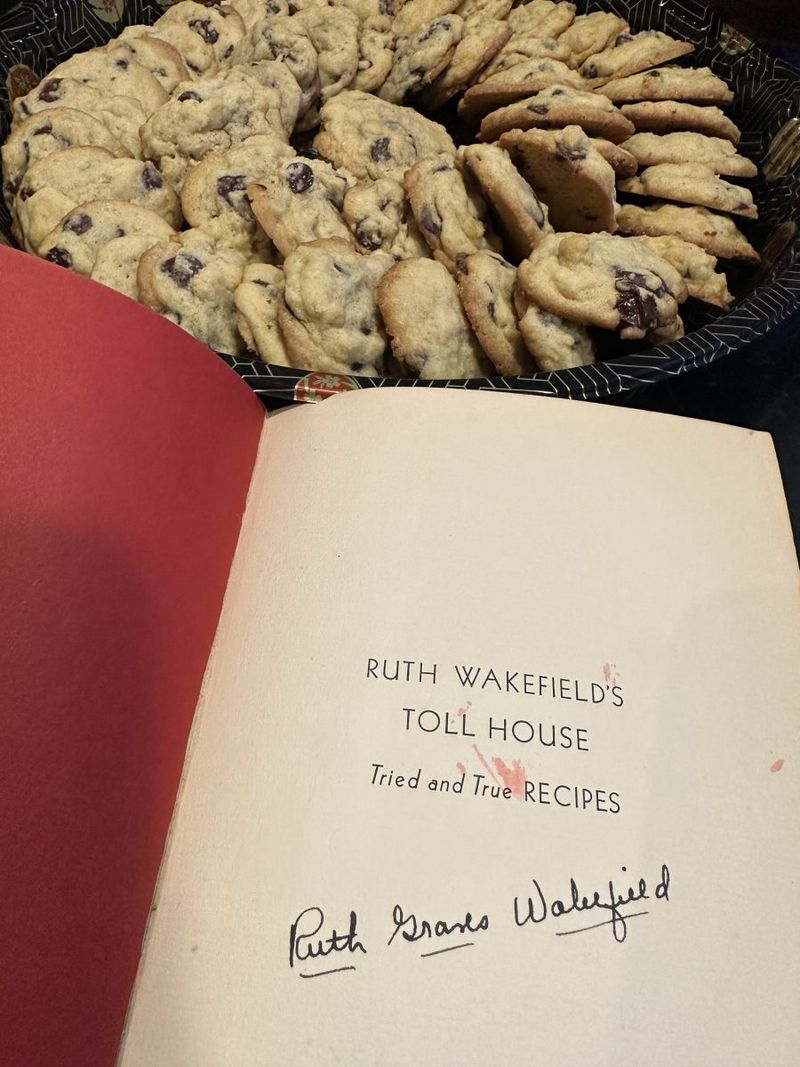
Ruth Wakefield ran the Toll House Inn in Massachusetts during the 1930s. One day, she ran out of baking chocolate and tossed broken pieces of a Nestle bar into her cookie dough, expecting them to melt completely.
They didn't. Instead, the chunks stayed intact, creating the chocolate chip cookie we all know today.
Nestle later struck a deal with Ruth, giving her a lifetime supply of chocolate. Not a bad trade for a happy accident!
2. Tarte Tatin
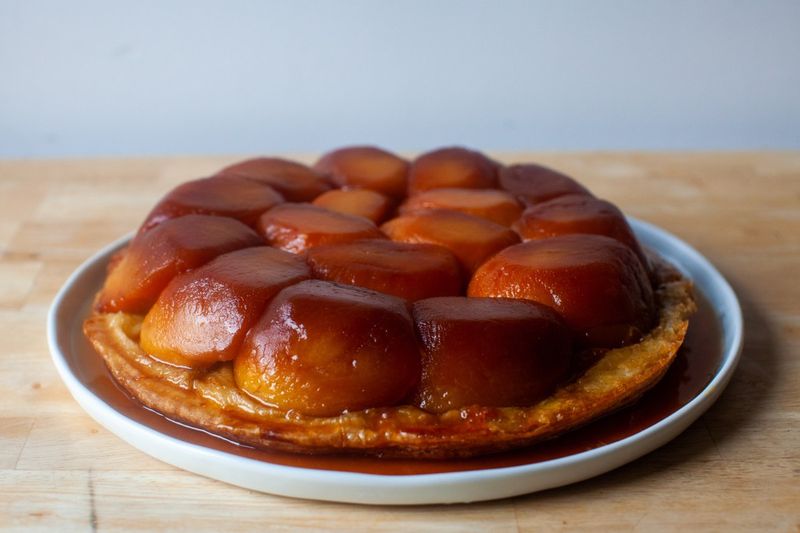
Back in the 1880s, the Tatin sisters ran a small hotel in France. According to the story, Stephanie Tatin accidentally left apples cooking in butter and sugar for too long, burning them slightly.
In a panic, she placed pastry dough on top and shoved the whole thing in the oven.
When she flipped it over, a gorgeous caramelized upside-down apple tart appeared. Guests loved it so much it became the hotel's signature dish.
3. Potato Chips
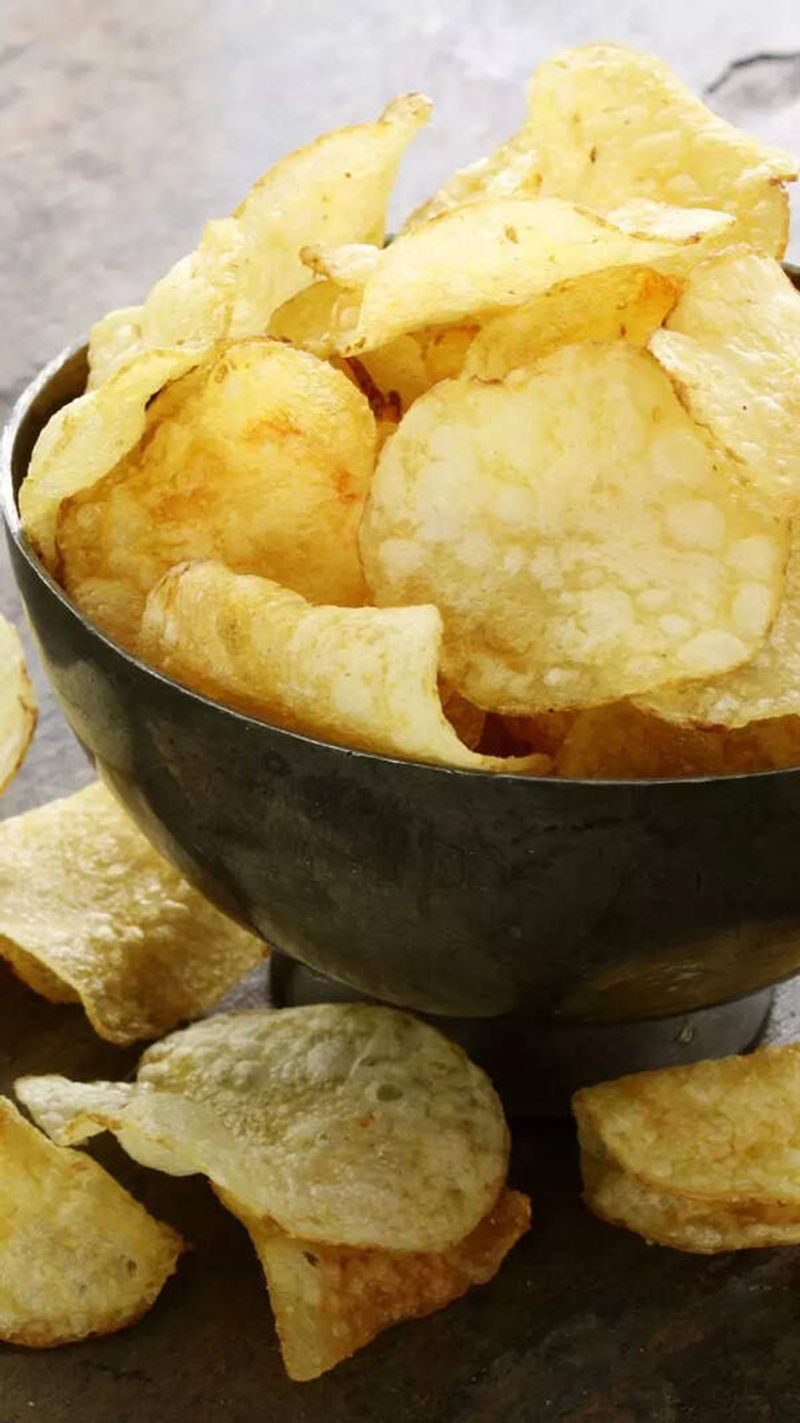
In 1853, chef George Crum was working at a restaurant in Saratoga Springs, New York. A customer kept sending back his fried potatoes, complaining they were too thick and soggy.
Frustrated, Crum sliced the potatoes paper-thin, fried them until crunchy, and added extra salt, expecting the customer to hate them.
The customer was thrilled. Word spread fast, and the potato chip was born from one chef's sarcastic response to a picky eater.
4. Popsicles
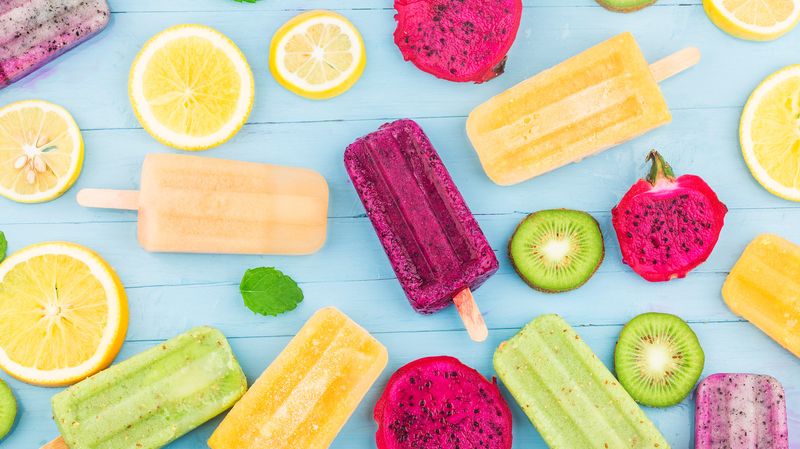
Frank Epperson was just 11 years old in 1905 when he accidentally invented the popsicle. He left a cup of powdered soda mix and water on his porch with a stirring stick still inside it.
That night, temperatures dropped below freezing in San Francisco.
The next morning, he found his drink frozen solid around the stick. He named it the "Epsicle" and patented it years later in 1923.
His kids eventually renamed it the popsicle.
5. Cornflakes
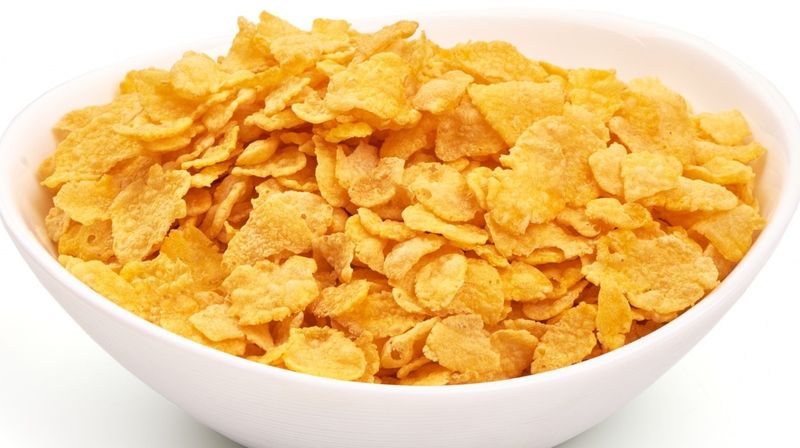
Will Keith Kellogg and his brother John were working at a sanitarium in Michigan in the 1890s. They were trying to create a soft, digestible wheat food for patients when they accidentally left cooked wheat sitting out too long.
The wheat went stale, but they rolled it anyway and baked it.
Instead of one flat sheet, it broke into flakes. They later swapped wheat for corn, and breakfast was never the same again.
6. Nachos
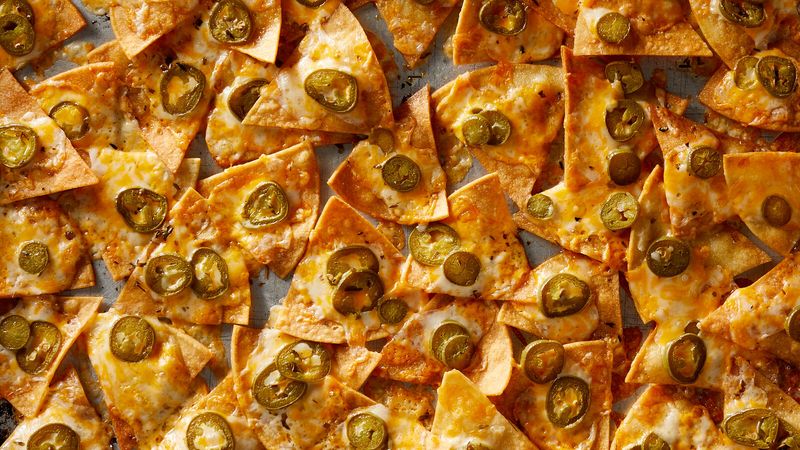
The year was 1943, and a group of American military wives arrived at a restaurant in Piedras Negras, Mexico, after it had already closed for the night. The maitre d', Ignacio "Nacho" Anaya, had to improvise fast.
He grabbed tortillas, cut them into triangles, topped them with cheese and jalapenos, and threw them in the oven.
The ladies loved the snack, and Nacho named it after himself. A legend was born from an empty kitchen.
7. Worcestershire Sauce
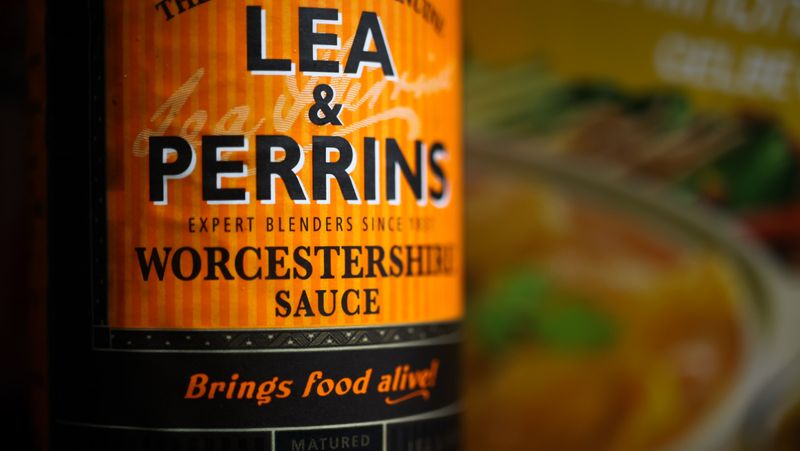
Two chemists in Worcester, England, were asked to recreate a sauce from a recipe brought back from India around 1835. Their first batch smelled terrible and seemed like a total failure, so they shoved the barrels into a cellar and forgot about them entirely.
When they rediscovered the barrels months later, they tasted the aged sauce and were stunned by how good it was. Lea and Perrins began selling it commercially, and it became a global staple.
8. Champagne

For centuries, winemakers in the Champagne region of France considered bubbles in their wine a serious defect. The carbonation caused bottles to explode, earning it the nickname "the devil's wine." Monk Dom Perignon spent years trying to get rid of the bubbles, not celebrate them.
Eventually, the French royal court embraced the sparkling wine as fashionable and exciting. What started as a frustrating flaw transformed into the world's most celebrated drink for toasts and special occasions.
9. Sticky Toffee Pudding
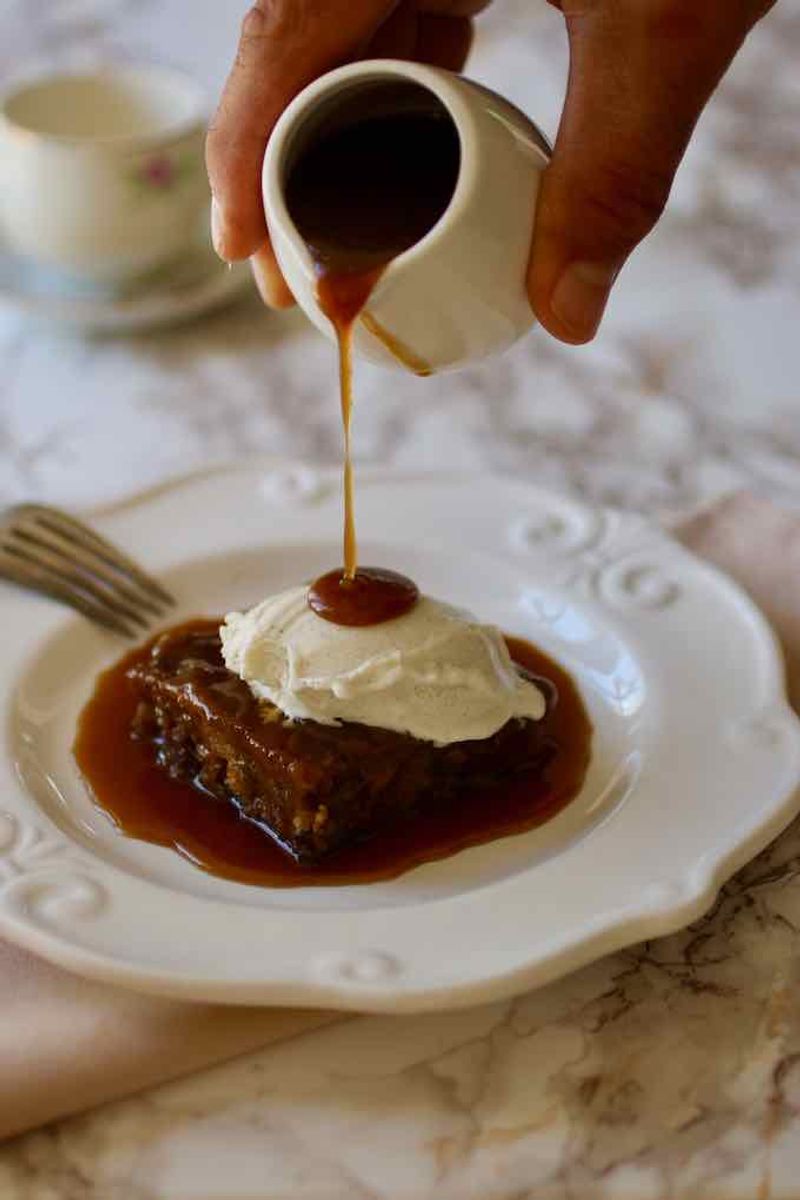
Sticky toffee pudding's exact origin is debated, but one popular story credits Francis Coulson of the Sharrow Bay Hotel in England's Lake District during the 1970s. He reportedly received a recipe from a Canadian air force officer and tinkered with it constantly, accidentally over-soaking the dates one time and creating an unusually moist sponge.
That extra moisture turned out to be the secret. The pudding became so beloved it is now considered a British classic comfort food.
10. Crepes Suzette
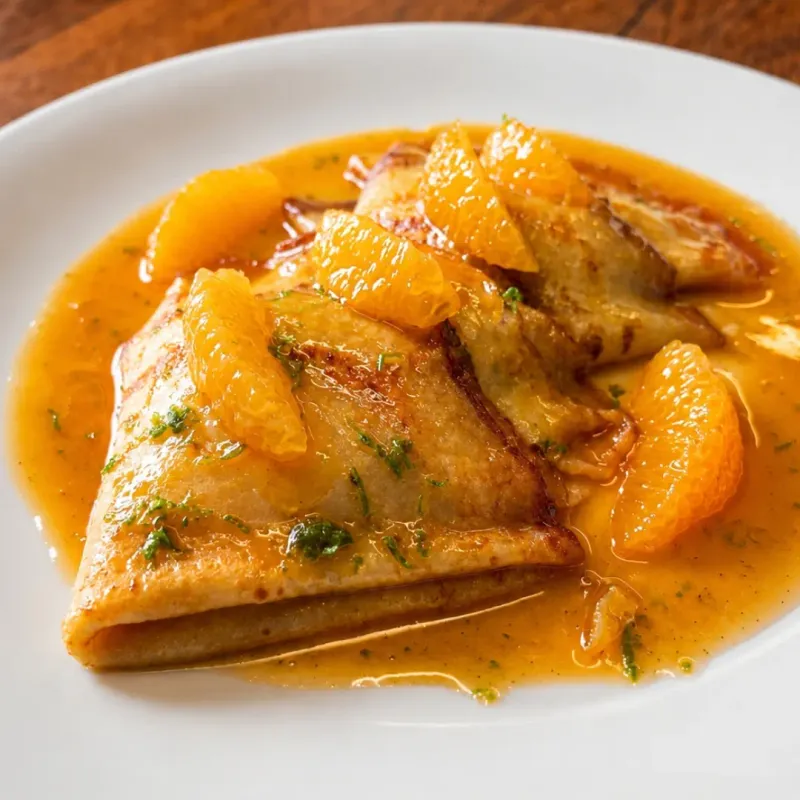
The story goes that a young assistant chef named Henri Charpentier accidentally set the sauce on fire while preparing dessert crepes for the Prince of Wales in 1895. He expected to be in serious trouble.
Instead, he tasted the caramelized, flambeed sauce and found it absolutely incredible.
The Prince loved it too and asked that the dish be named after his guest, a young girl named Suzette. A flaming mistake became a French fine dining icon.
11. Molten Lava Cake
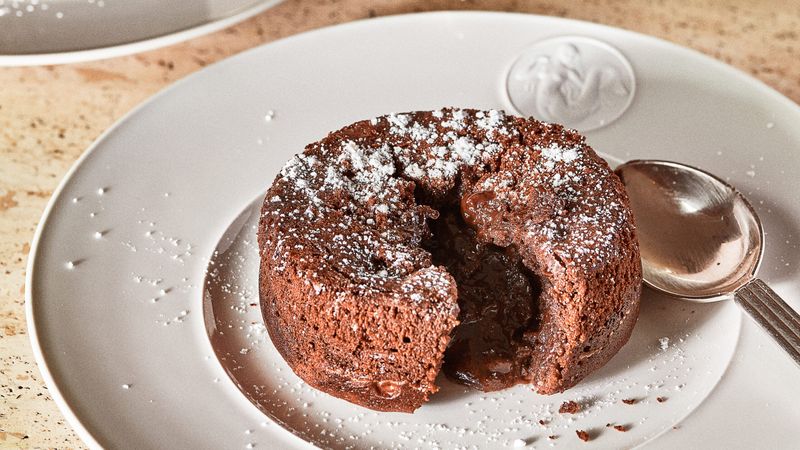
Chef Jean-Georges Vongerichten claims he pulled a chocolate cake out of the oven too early by accident in 1987. What he found inside was not fully baked batter but a warm, flowing chocolate center that oozed out when cut.
Rather than tossing it, he served it to guests.
The reaction was overwhelming. People went crazy for the gooey center, and molten lava cake quickly became one of the most copied desserts in restaurant history around the world.
12. Nashville Hot Chicken
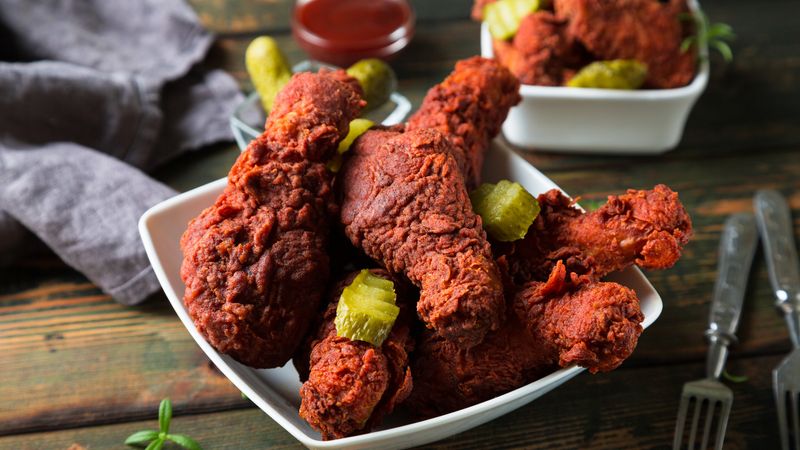
Legend has it that Thornton Prince's girlfriend wanted to teach him a lesson in the 1930s after a night out. She loaded his fried chicken with an extreme amount of hot spices, hoping the heat would be punishment.
Instead, he loved every fiery bite.
Prince was so obsessed with the flavor that he opened a restaurant and put the dish on the menu. That act of revenge accidentally created one of America's most beloved regional specialties, now copied worldwide.
13. Cheese (General)
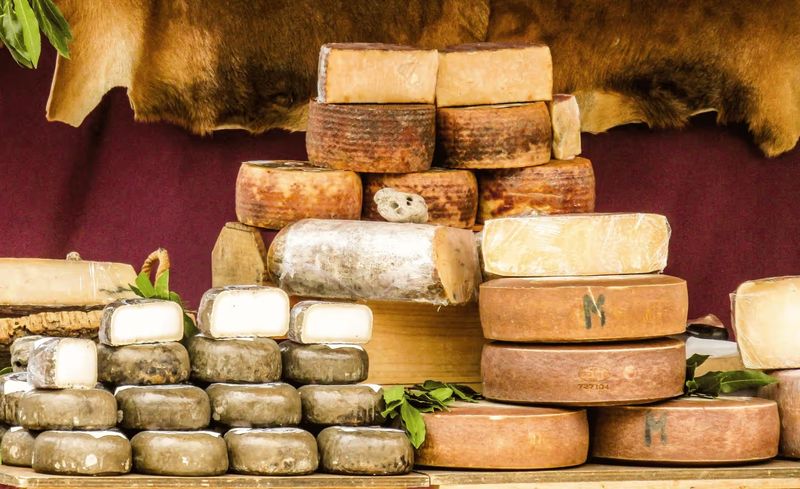
Cheese may have been discovered thousands of years ago when ancient travelers stored milk in pouches made from animal stomachs. The natural enzymes inside the stomach lining caused the milk to curdle and separate into curds and whey.
What seemed like spoiled milk turned out to be surprisingly tasty.
Early humans experimented with this curdled product and realized it lasted much longer than fresh milk. That happy stomach-pouch accident eventually gave the world thousands of cheese varieties we enjoy today.
14. Beer
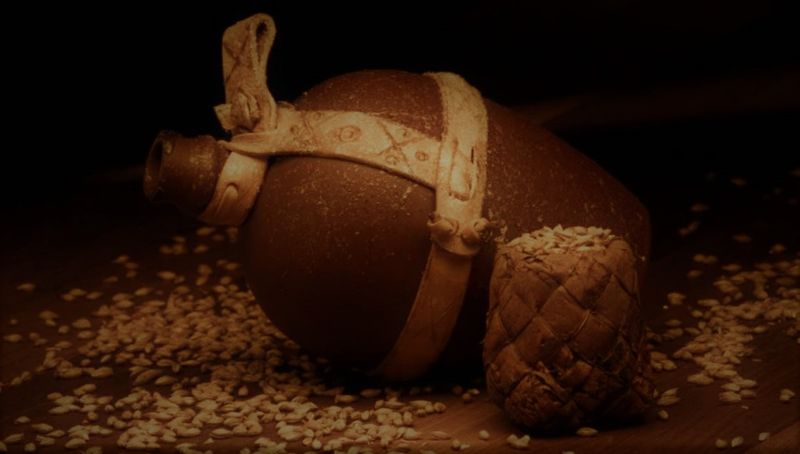
Beer is believed to be one of the oldest accidental discoveries in human history. Around 10,000 years ago, ancient grain stores in Mesopotamia likely got wet from rain and began to ferment naturally.
Curious people tasted the bubbling liquid and discovered it had a pleasant, slightly intoxicating effect.
This happy accident eventually led to intentional brewing practices. Some historians believe early humans may have even started farming grain specifically to make more of this magical fermented drink.
15. Tofu
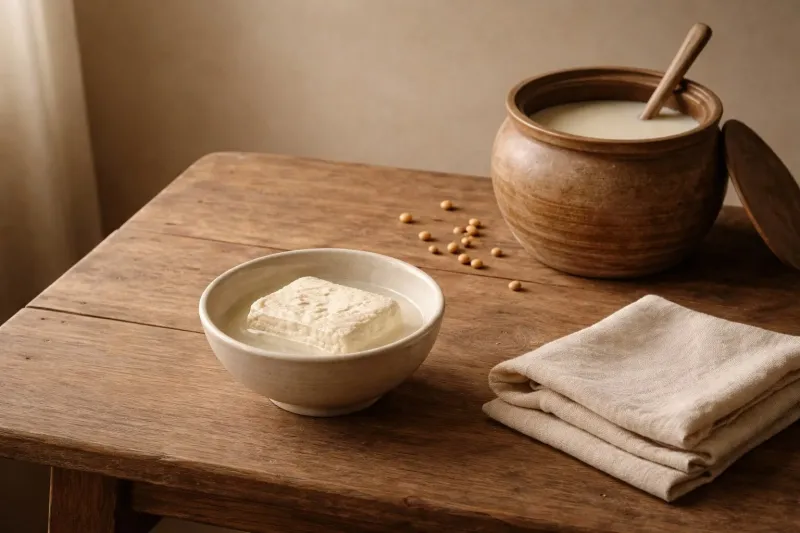
According to popular food history, tofu was discovered in China around 200 BCE when a cook accidentally mixed coagulating sea salt into freshly made soy milk. The mixture solidified into soft white curds, and the cook was curious enough to taste it rather than throw it out.
The result was mild, protein-rich, and incredibly versatile. Tofu quickly spread across Asia and became a cornerstone of diets in China, Japan, Korea, and beyond for over two thousand years.
16. Pavlova
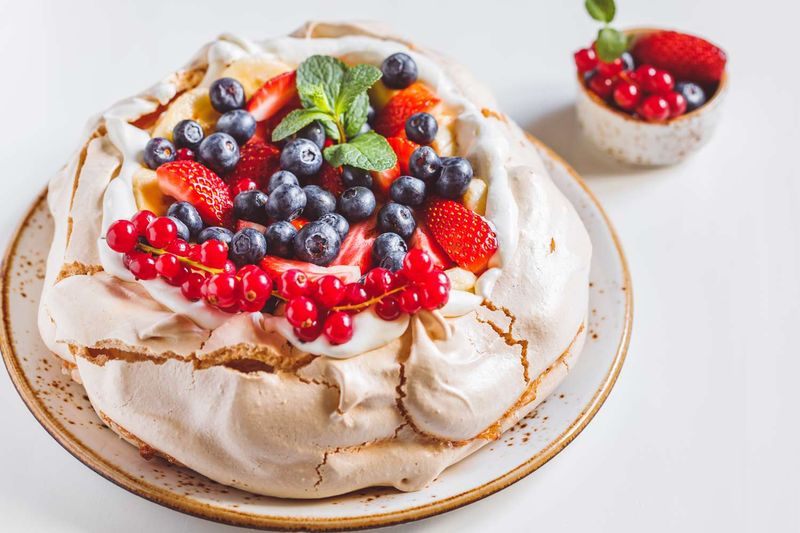
The pavlova was reportedly created in either Australia or New Zealand in the 1920s, during a visit by Russian ballerina Anna Pavlova. A hotel chef, inspired by her tutu, created a meringue dessert that was supposed to be crisp all the way through.
Something went slightly wrong during baking, leaving a soft, marshmallow-like center.
That unexpected texture turned out to be the whole point. The airy, cloud-like dessert became wildly popular and sparked a rivalry between two nations over who invented it.
17. Brandy
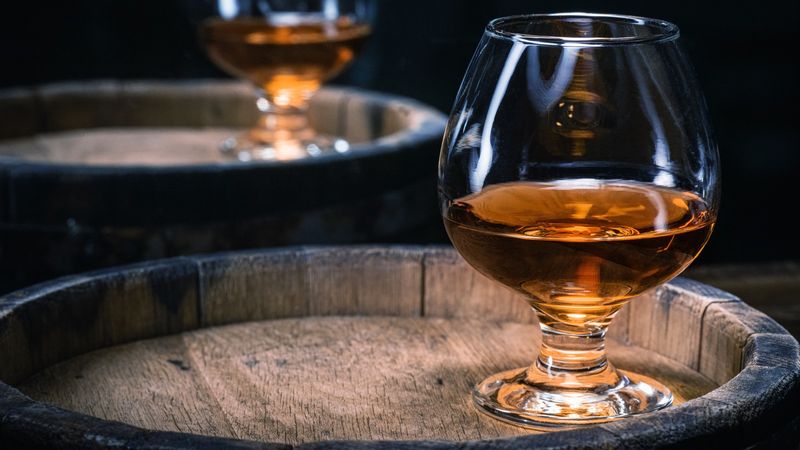
Dutch wine merchants in the 16th century began heating wine to reduce its volume for easier shipping across long sea voyages. The plan was to add water back later to restore it.
When sailors tasted the concentrated liquid straight from the barrel, they were surprised by how smooth and flavorful it was.
Nobody wanted to dilute it anymore. That practical shipping shortcut accidentally produced brandy, a spirit now enjoyed around the world in cocktails, desserts, and warm winter drinks.
Comments
No Comments