











Some spices do more than add a little heat or sweetness. They completely flip a dish on its head, turning something familiar into something totally unexpected.
From a smoky resin used in ancient kitchens to a floral pod that tastes like soap to some but heaven to others, these unusual spices are the secret stars of incredible recipes. Get ready to discover 17 dishes where one bold, quirky spice makes all the difference.
1. Mole Negro with Ground Dried Chilli Mulato
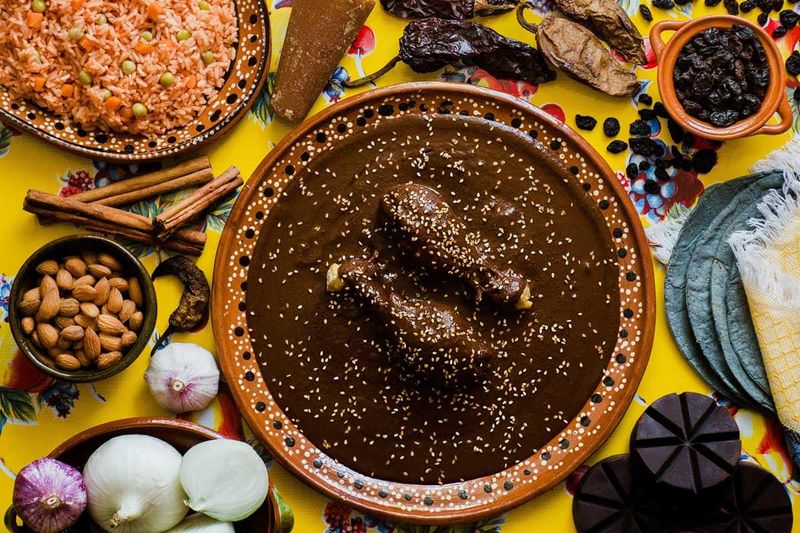
Mole negro is one of Mexico's most complex sauces, but the real hero hiding inside it is the mulato chilli. Dried and ground into a dark powder, mulato brings a chocolatey, smoky bitterness that no other ingredient can replicate.
It is not just spicy - it is deep, almost mysterious, like tasting something ancient.
When combined with chocolate and spices, mulato transforms a simple sauce into a rich, layered experience that clings to every bite of chicken.
2. Swedish Cardamom Buns (Kardemummabullar)
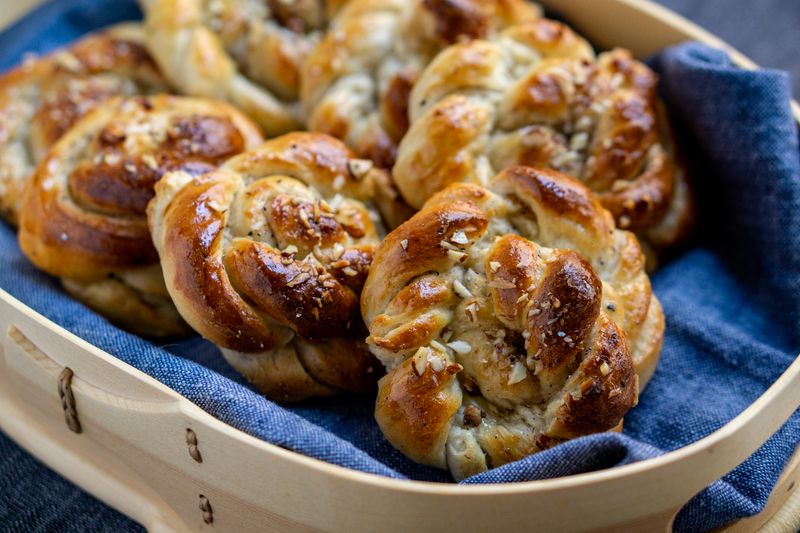
Cardamom might seem like a background player in baking, but in Swedish kardemummabullar, it is absolutely the star. Ground freshly from whole pods, cardamom gives these soft, twisted buns a floral, citrusy warmth that is nothing like cinnamon rolls.
Many people taste cardamom and struggle to describe it - it is perfumed, slightly spicy, and strangely addictive. Swedes have been baking these since the 1950s, and once you try one warm from the oven, you will understand why they never stopped.
3. Iranian Saffron Rice (Tahdig) with Bloomed Saffron
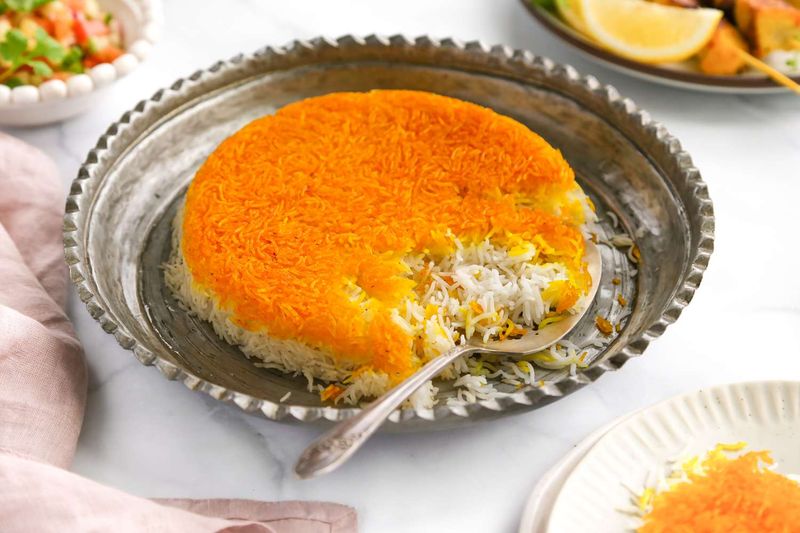
Saffron is the most expensive spice in the world, and Iranian tahdig shows exactly why it earns that price tag. Just a pinch, bloomed in warm water, turns plain white rice into something golden, fragrant, and almost jewel-like.
The color alone makes you stop and stare before the first bite.
The flavor is subtle but unmistakable - floral, slightly honeyed, and earthy all at once. No other ingredient creates that signature golden crust the same way.
4. Indian Asafoetida Dal (Hing Dal)
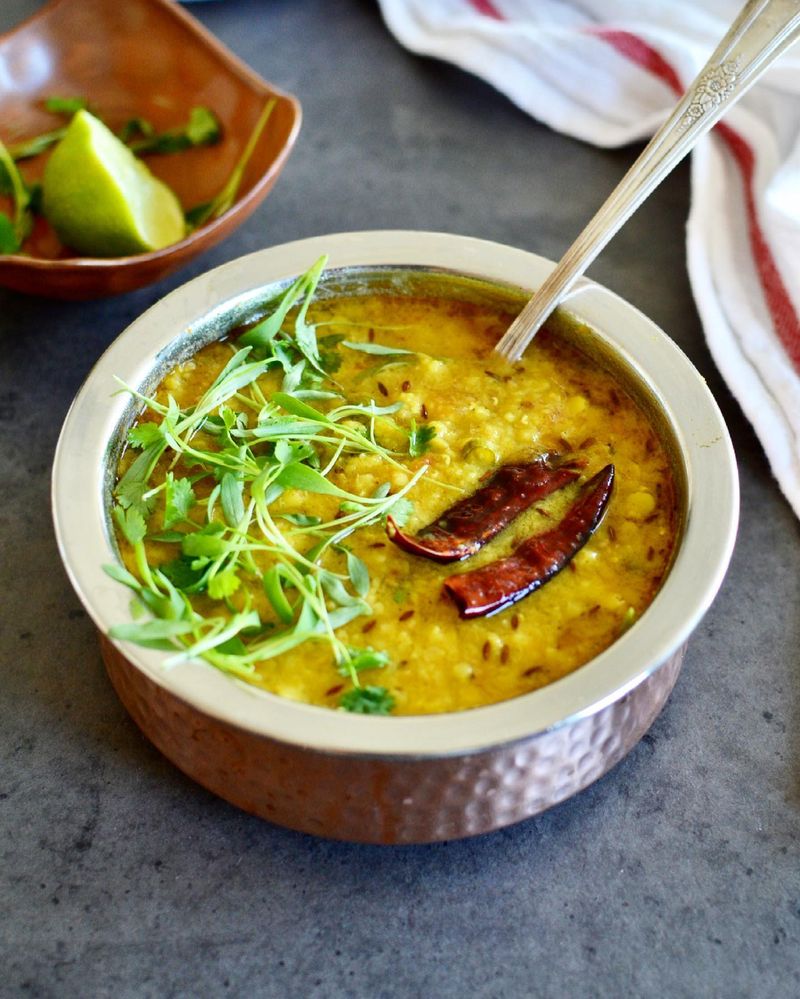
Asafoetida, known in India as hing, smells absolutely alarming straight from the jar. It carries a sharp, sulfurous odor that makes first-timers back away quickly.
But drop just a tiny pinch into hot ghee, and something almost magical happens - it transforms into a rich, savory, onion-garlic aroma that fills the whole kitchen.
In dal, hing acts as the invisible flavor backbone. Without it, the lentils taste flat.
With it, every spoonful feels warm, layered, and deeply satisfying.
5. Sichuan Mapo Tofu with Sichuan Peppercorn
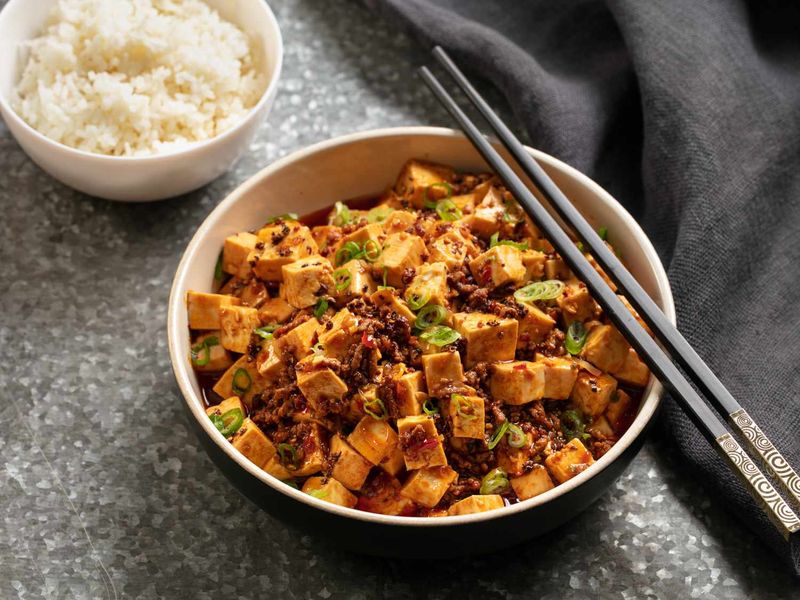
Sichuan peppercorn does not actually burn your mouth - it numbs it. That tingling, buzzing sensation on your tongue is called ma la, and it is completely unlike any other spice experience on earth.
In mapo tofu, this peppercorn is ground and tossed into a fiery, oily sauce that makes the dish almost hypnotic.
The numbing effect actually makes you crave more heat, creating a feedback loop of flavor. It turns a simple tofu dish into a full sensory adventure.
6. Moroccan Lamb Tagine with Ras El Hanout
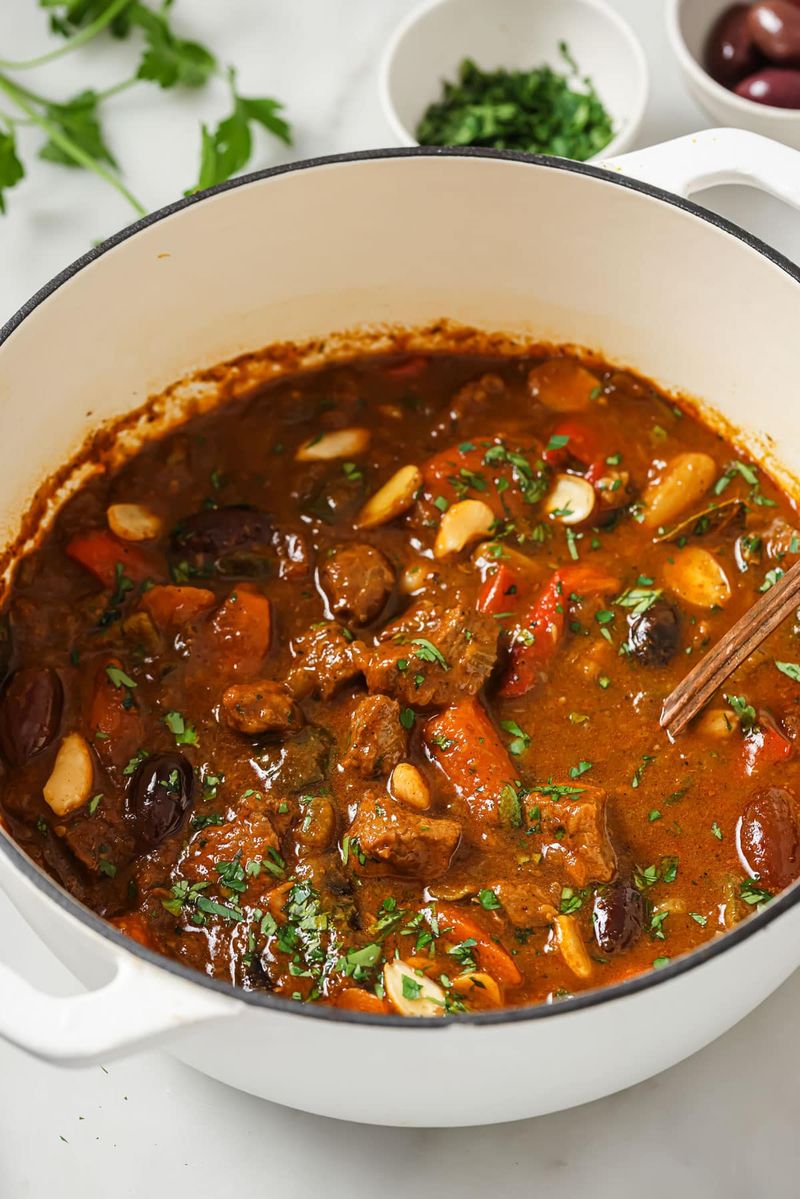
Ras el hanout translates roughly to "top of the shop," meaning the best spices the seller has to offer. Blended from up to 30 ingredients including rose petals, mace, and grains of paradise, it is wildly unusual for a meat dish.
In lamb tagine, it wraps the slow-cooked meat in a warm, complex perfume.
Every family in Morocco has a slightly different blend, which means no two tagines ever taste exactly alike. That mystery is part of the magic.
7. Georgian Walnut Chicken (Satsivi) with Blue Fenugreek
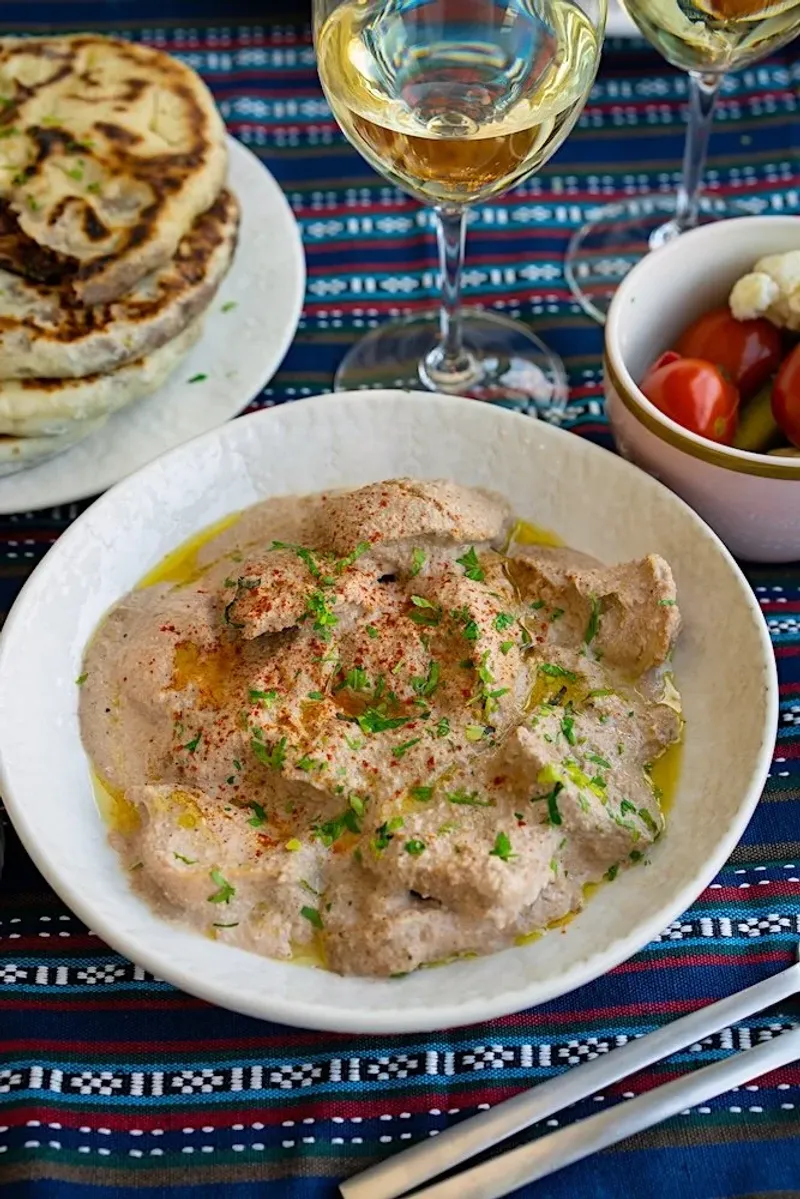
Blue fenugreek is not the same as the fenugreek found in most grocery stores. This Georgian variety has a softer, more herbaceous, slightly sweet flavor that does not carry the bitterness of its common cousin.
In satsivi, a cold walnut sauce poured over poached chicken, blue fenugreek is absolutely non-negotiable.
Remove it and the dish loses its identity entirely. It is the thread that ties together garlic, cinnamon, and walnuts into something that tastes unmistakably, beautifully Georgian.
8. Ethiopian Berbere Spiced Lentil Stew (Misir Wot)
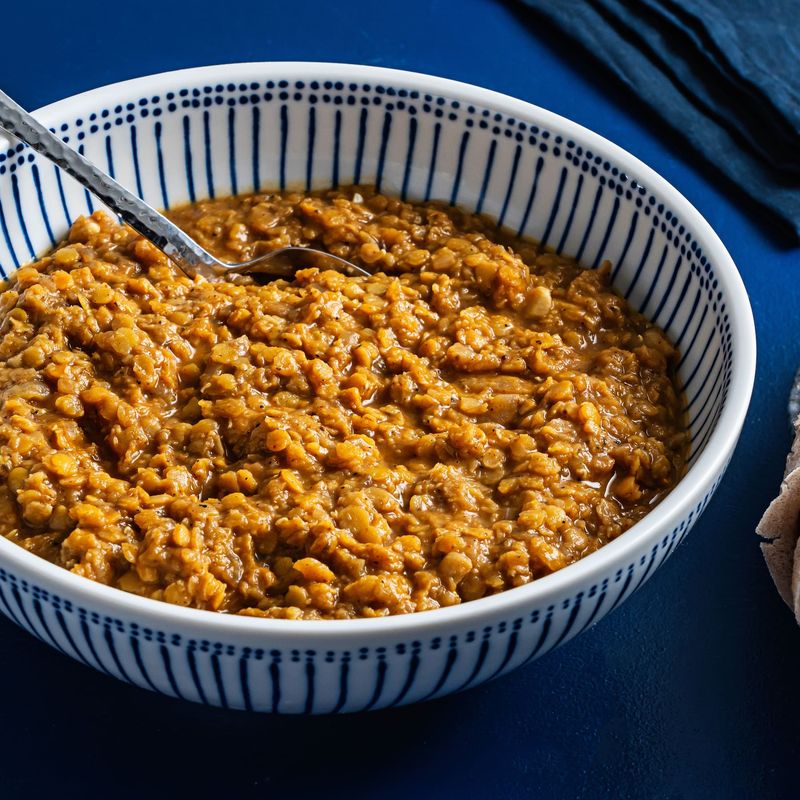
Berbere is a fiery Ethiopian spice blend built around dried chillis, but what makes it unusual is the addition of korarima, also called Ethiopian cardamom. This native spice is smokier and more resinous than regular cardamom, giving berbere a flavor that is impossible to fake with substitutes.
In misir wot, the slow-simmered lentils soak up every layer of that complex blend. The result is a stew that feels warming, bold, and deeply rooted in a food culture stretching back centuries.
9. Japanese Yuzu Kosho Grilled Salmon
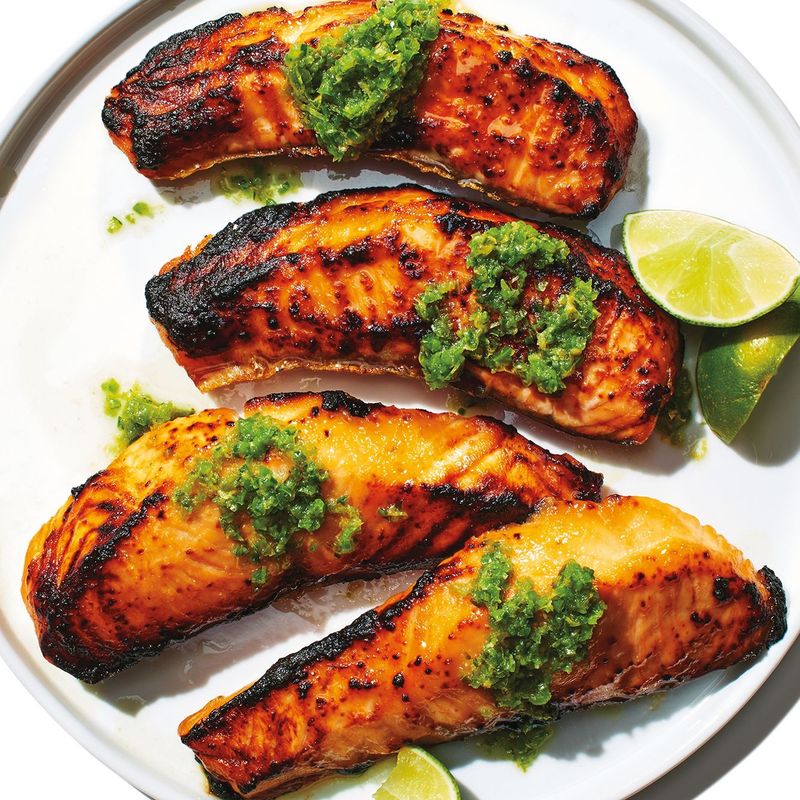
Yuzu kosho is a Japanese condiment made from fermented yuzu zest, green chilli, and salt. The yuzu fruit itself is the unusual star here - tart, floral, and fragrant in a way that sits somewhere between lemon, grapefruit, and mandarin.
A small smear on grilled salmon completely redefines the fish.
The fermentation process deepens the citrus punch and adds a funky, savory edge that plain lemon juice could never achieve. Chefs worldwide have fallen for it, and it is easy to see why.
10. Turkish Lamb Kofte with Sumac
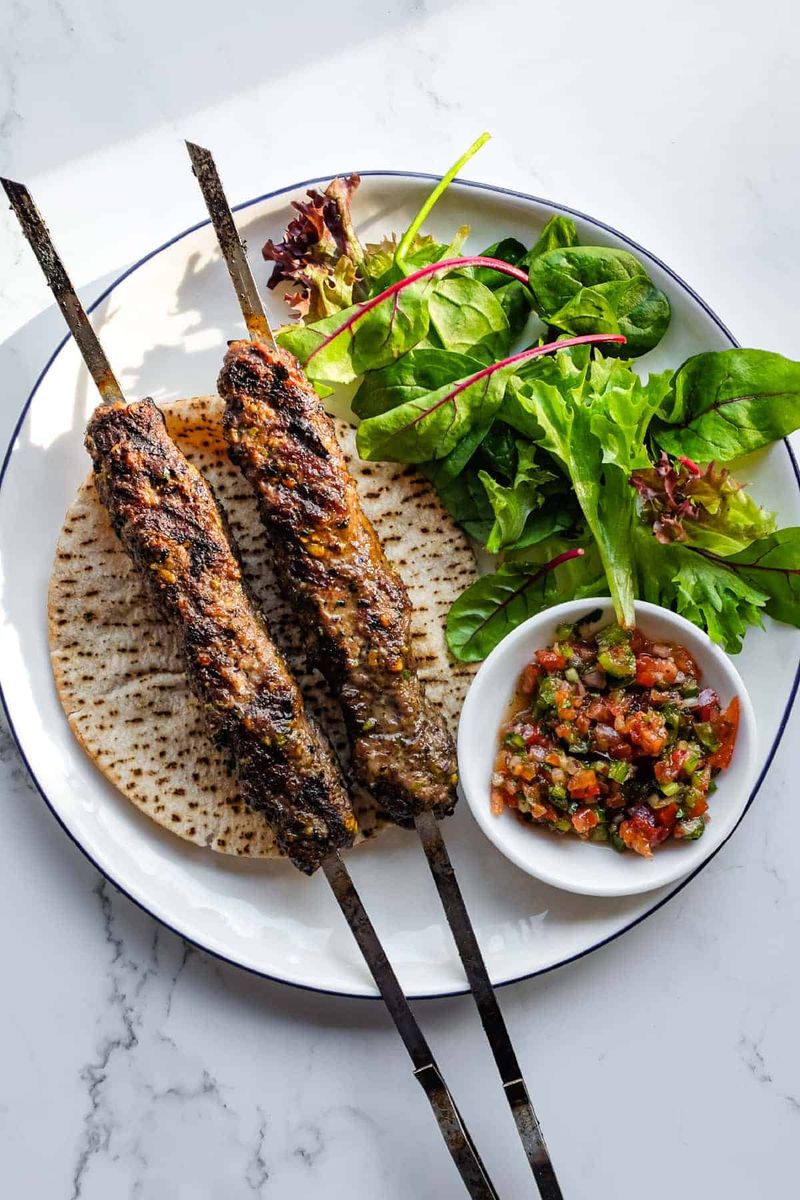
Sumac is a deep burgundy-red spice ground from dried berries, and it delivers a sharp, tangy sourness that has no real Western equivalent. In Turkish kofte, ground lamb patties are served alongside a raw onion salad generously showered with sumac.
That acidic punch cuts right through the richness of the meat.
Historically, sumac was used before lemons were widely available across the Middle East. Tasting it on fresh kofte feels like tasting a piece of culinary history on a skewer.
11. Caribbean Goat Curry with Allspice Berries
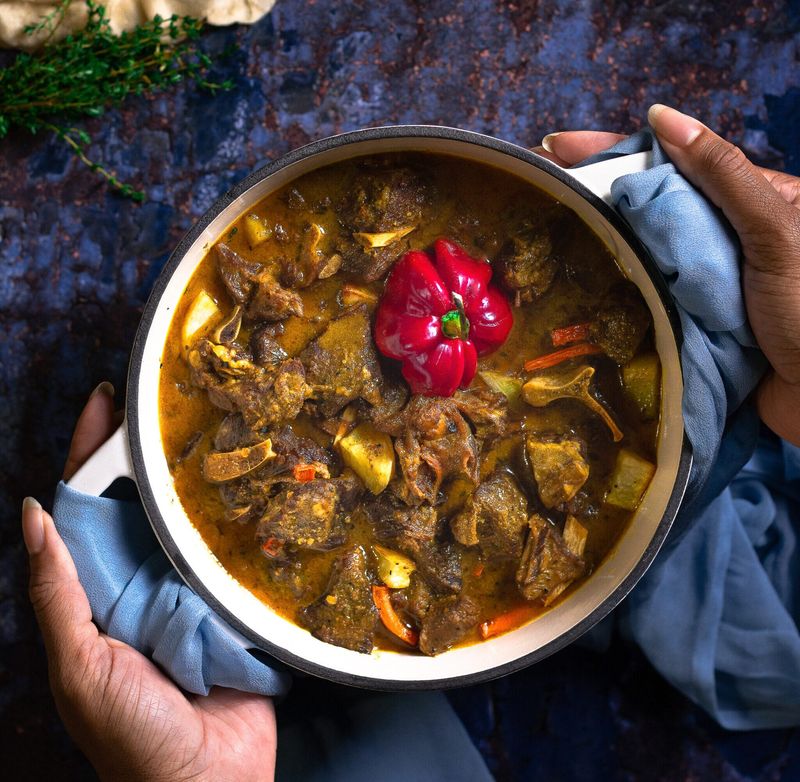
Allspice gets its name because it supposedly tastes like cloves, cinnamon, and nutmeg all at once - and in Caribbean goat curry, that combination is put to full use. Whole allspice berries slow-simmer with the goat, releasing a warm, complex aroma that is deeply tied to Jamaican and Trinidadian cooking traditions.
What makes allspice unusual is that it grows almost exclusively in the Caribbean, making it a truly regional spice. The berries give the curry a depth that ground mixed spice simply cannot match.
12. Scandinavian Gravlax with Ground Juniper Berries
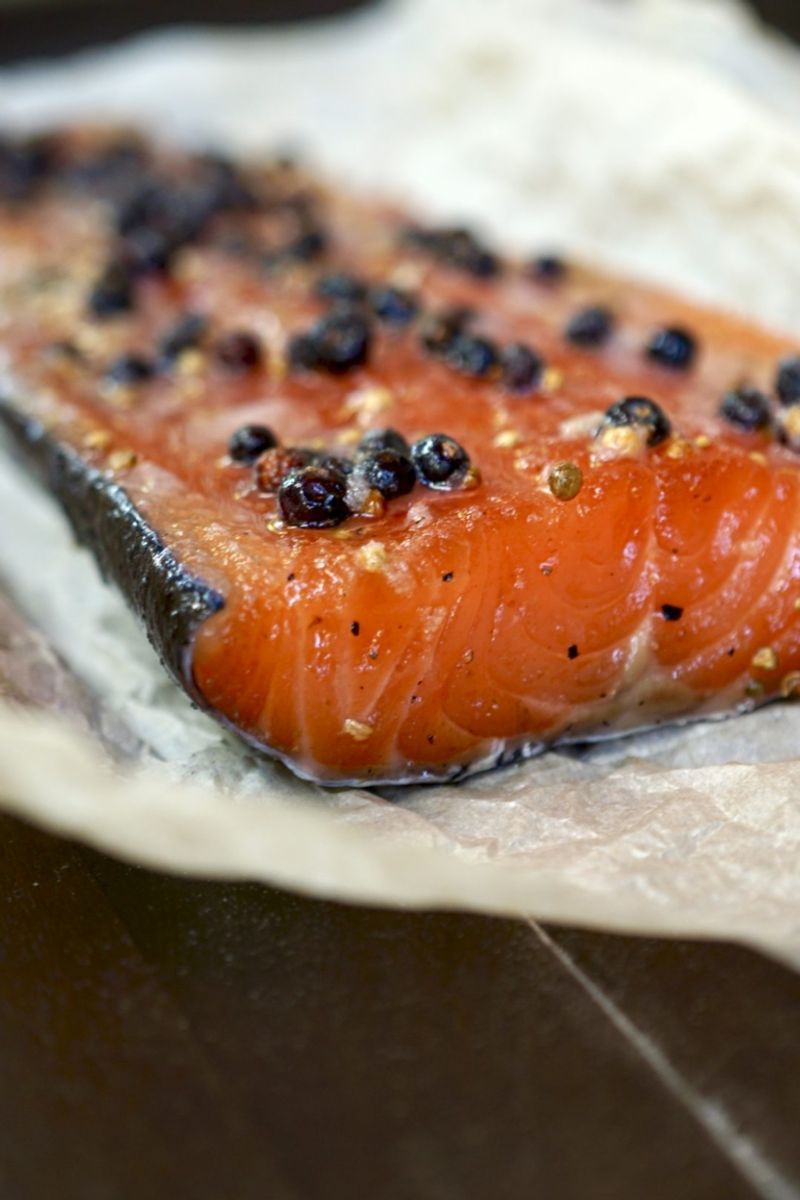
Juniper berries are best known as the botanical that gives gin its distinctive flavor, but in Scandinavian gravlax they play a completely different role. Ground and rubbed into fresh salmon along with salt, sugar, and dill, juniper adds a piney, slightly resinous note that cuts through the richness of the cured fish.
The result is a cured salmon that feels like a forest and an ocean meeting on one plate. It is elegantly simple and surprisingly bold for a dish served cold.
13. Egyptian Dukkah Crusted Eggs with Nigella Seeds
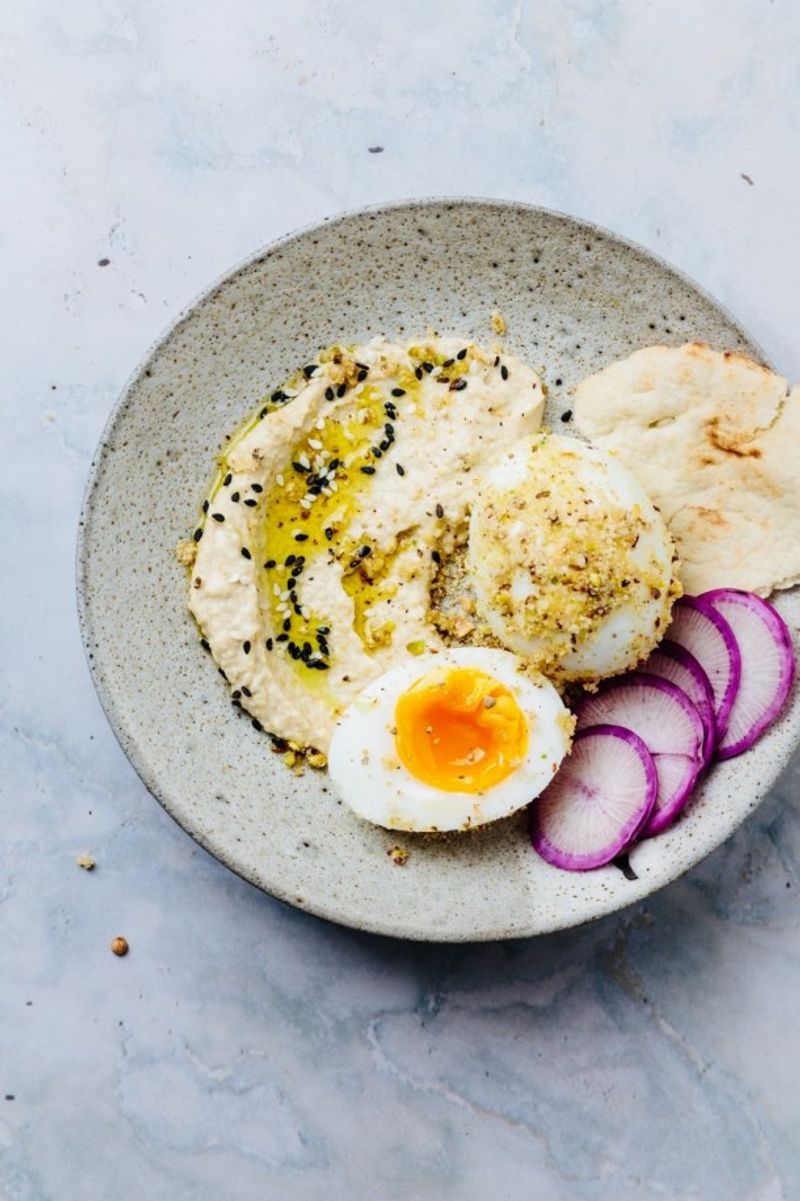
Nigella seeds look a little like black sesame seeds but taste completely different - slightly bitter, faintly peppery, and carrying a hint of oregano and onion. In Egyptian dukkah, a dry nut-and-spice blend used as a crust or dip, nigella seeds add a mysterious savory layer that is hard to pin down.
Rolled onto soft-boiled eggs, dukkah turns a basic breakfast into something genuinely exciting. Ancient Egyptians used nigella seeds medicinally too, calling them a remedy for almost everything.
14. Sri Lankan Black Pork Curry with Goraka (Gamboge)
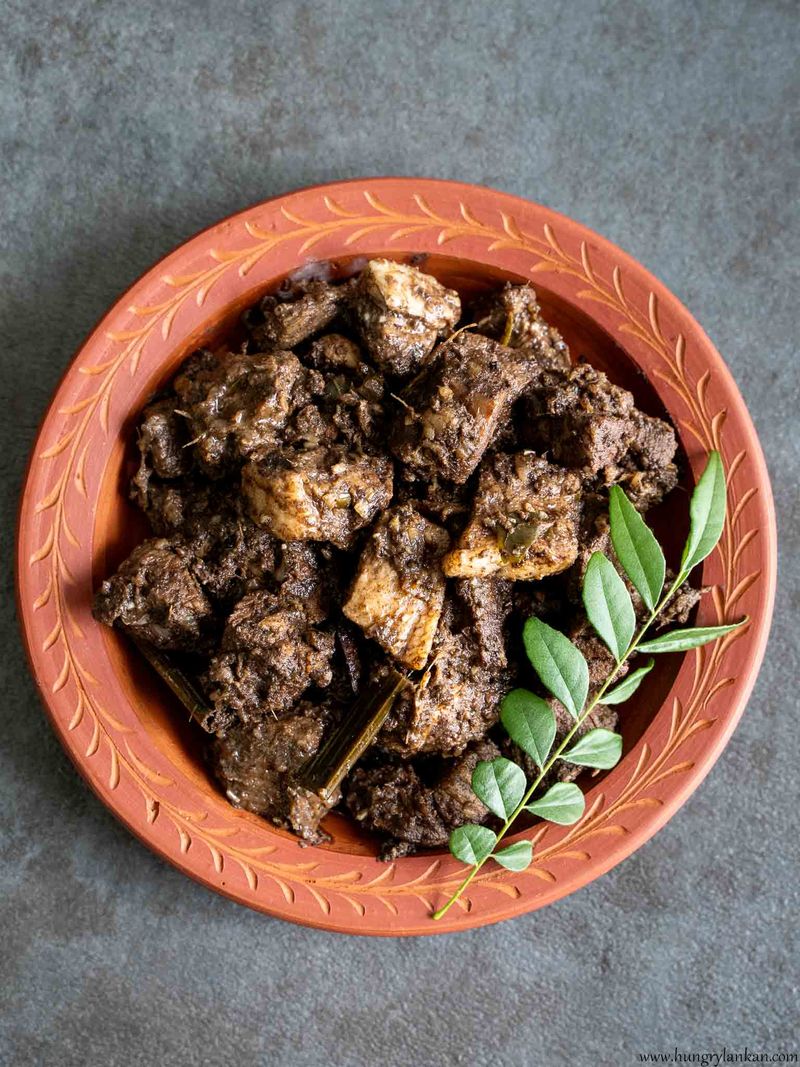
Goraka, also called gamboge or Malabar tamarind, is a dried, wrinkled fruit used almost exclusively in Sri Lankan cooking. It looks nothing like a typical spice and smells intensely sour, almost funky.
But in Sri Lankan black pork curry, goraka does something extraordinary - it tenderizes the meat while adding a unique, deep fruity sourness that tamarind cannot replicate.
Combined with heavily roasted spices, goraka is why Sri Lankan black curry has that haunting, smoky darkness. It is a flavor you genuinely cannot forget.
15. Yemeni Honey Cake with Ground Black Seed (Nigella Sativa)
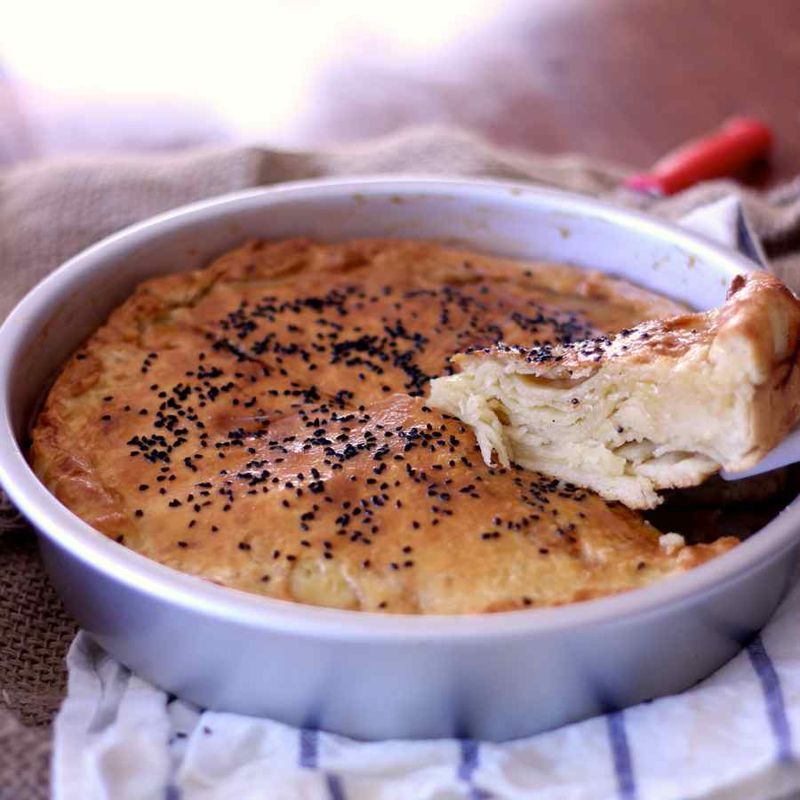
Black seed, also called nigella sativa or habbatus sauda, has been used in Middle Eastern cooking and medicine for over 3,000 years. In Yemeni honey cake, the seeds are ground and folded into the batter, adding a faintly bitter, thyme-like warmth that balances the sweetness of the honey beautifully.
Most bakers in Western kitchens would never think to put black seed in a cake. But the result is a dessert that feels ancient, aromatic, and unlike anything a standard spice rack could produce.
16. French Bouillabaisse with Dried Saffron and Fennel Pollen
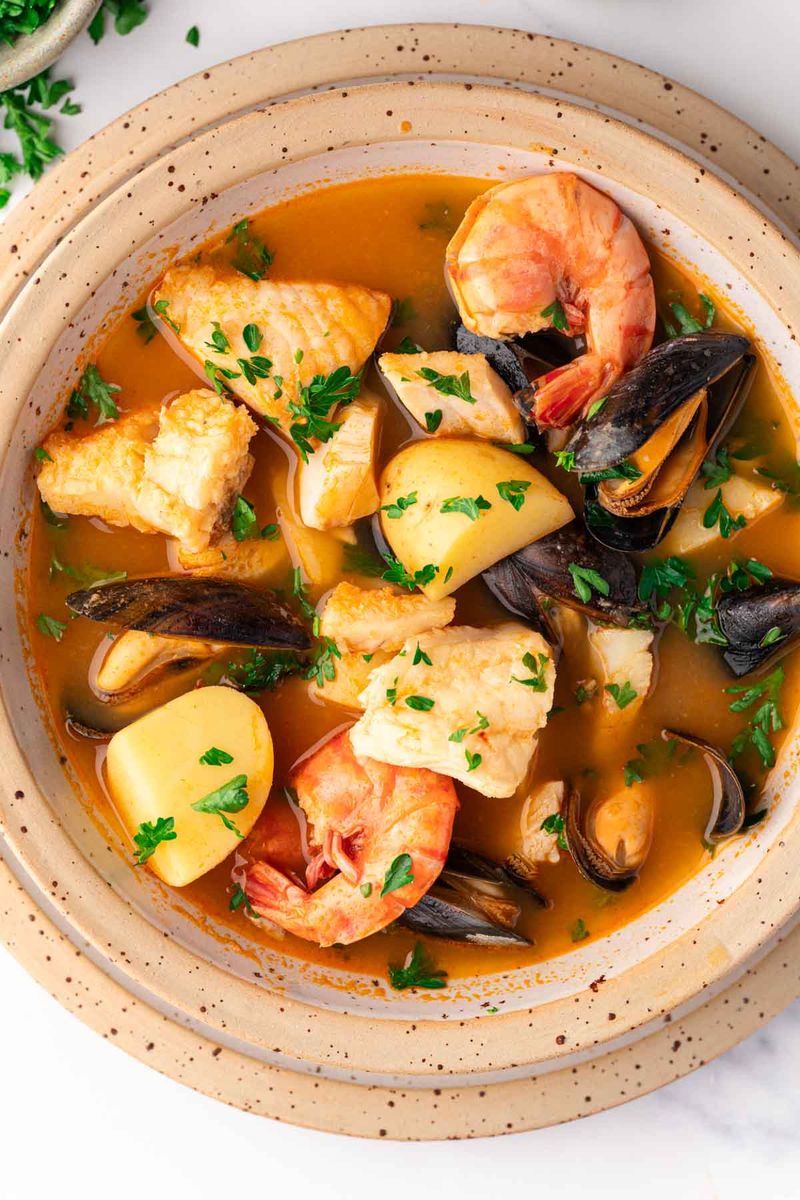
Fennel pollen is collected from wild fennel flowers and has a flavor so intensely anise-like and sweet that just a half teaspoon can perfume an entire pot of soup. In bouillabaisse, the traditional Provencal seafood stew, fennel pollen works alongside saffron to create a broth that is golden, aromatic, and almost impossibly complex.
Fishermen in Marseille originally made this stew from leftover fish. Today, fennel pollen elevates it into something that belongs on a fine dining menu without losing any of its honest, coastal soul.
17. Mexican Chocolate Atole with Ground Canela (True Cinnamon)
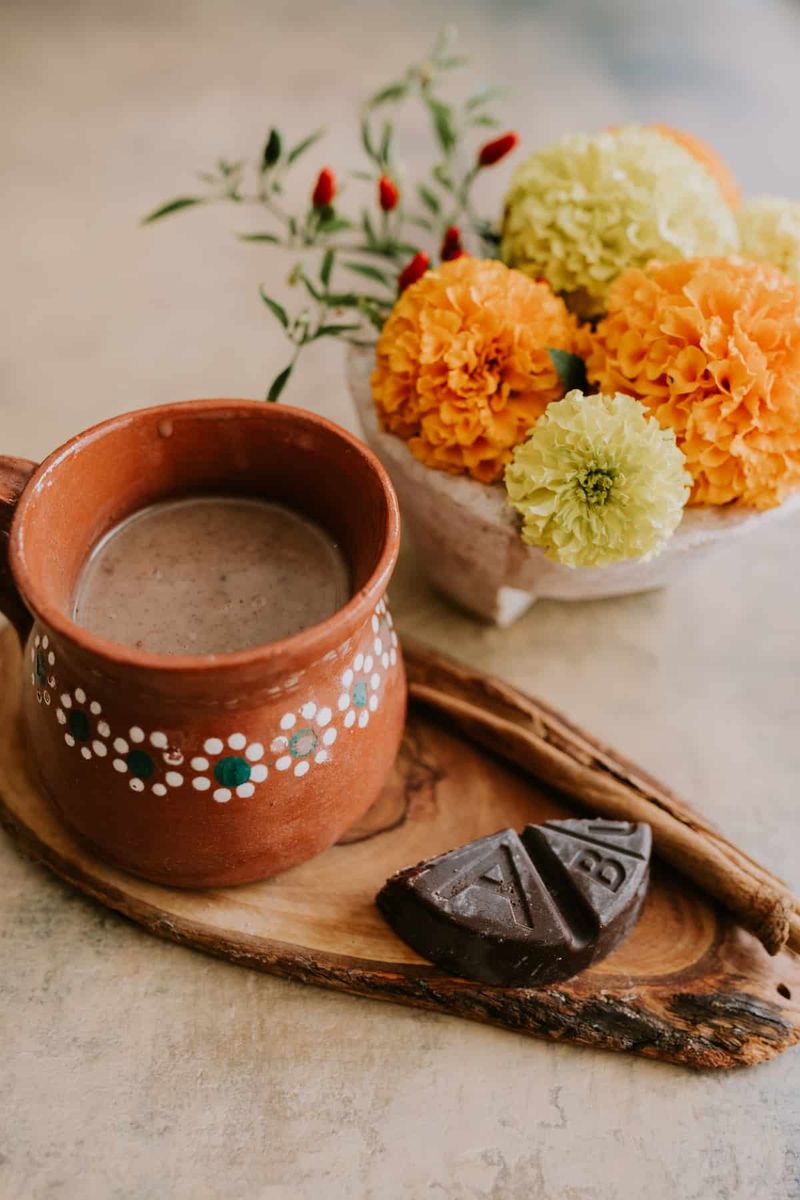
Canela is true cinnamon, also called Ceylon cinnamon, and it is completely different from the cassia cinnamon found in most North American and European kitchens. Softer, more delicate, and genuinely floral, canela dissolves into Mexican chocolate atole - a thick, warm drink made with masa and cocoa - and creates a flavor that feels almost medicinal in the best way.
Cassia cinnamon would overwhelm the drink with sharpness. Canela whispers, letting the chocolate and corn flavors stay front and center while it works quietly in the background.




Comments
No Comments