













Most people think they know exactly which desserts everyone loves, but the truth might surprise you. Some sweets that seem like crowd-pleasers actually leave a lot of folks reaching for something else.
Whether it is the texture, the flavor, or just the way they look, these treats divide opinion more than you would expect. Get ready to find out which popular desserts are actually way less loved than their reputation suggests.
1. Bread Pudding
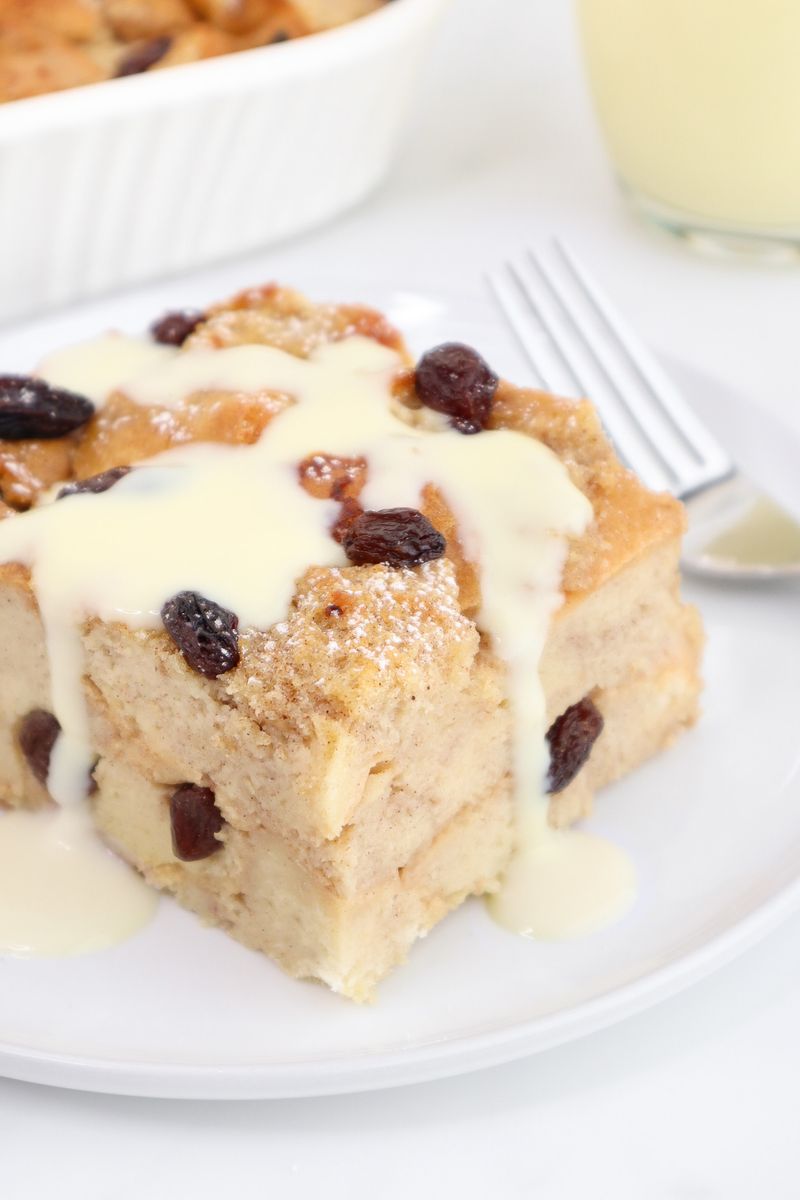
Bread pudding has been around for centuries, originally made to use up leftover bread so nothing went to waste. Sounds clever, right?
But many people hear the word "pudding" and expect something creamy and smooth, only to find a dense, soggy texture instead.
The raisins tucked inside also turn off a surprising number of dessert fans. For those who love it, it is pure comfort food.
For many others, it is a hard pass.
2. Fruitcake
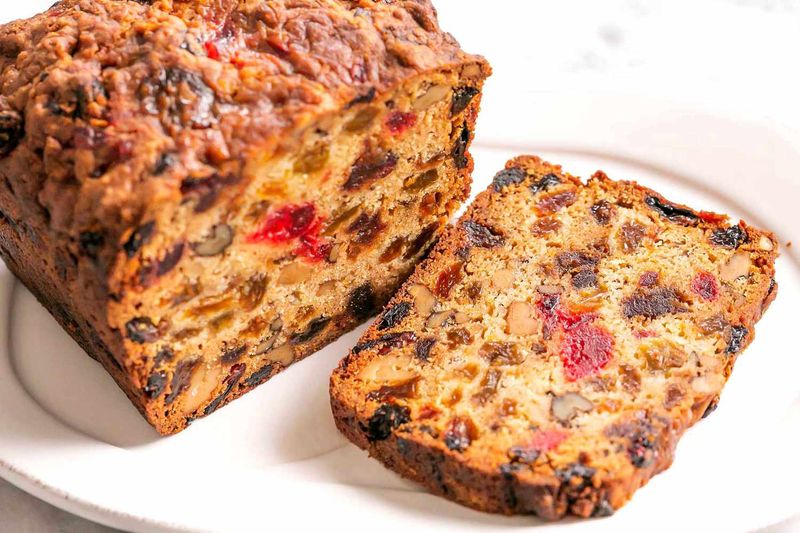
Fruitcake might be the most joked-about dessert in history. Every holiday season, someone gets one as a gift and quietly wonders what to do with it.
The dense texture and strong flavor of preserved fruits just do not appeal to most modern taste buds.
Interestingly, fruitcake can last for years without going bad, which is impressive but also a little unsettling. It has loyal fans, but they are definitely in the minority at most dessert tables.
3. Rice Pudding
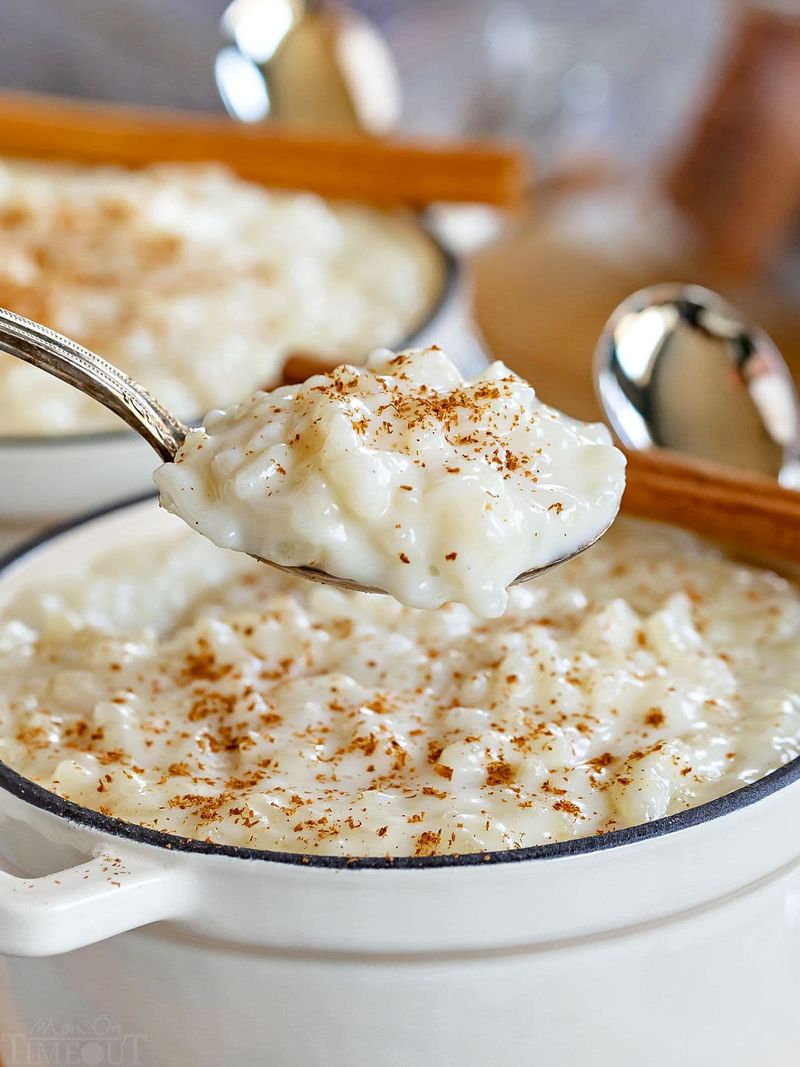
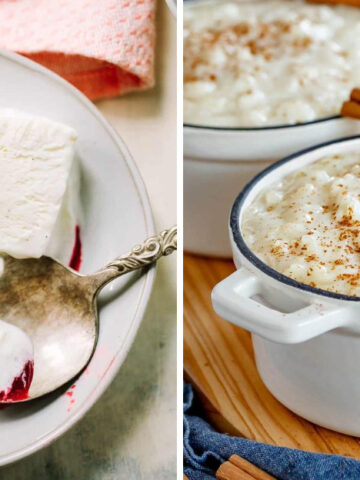
Creamy, sweet, and made with simple ingredients, rice pudding sounds like it should be universally loved. Yet its thick, starchy consistency puts off a lot of people who were expecting something lighter.
The soft, mushy texture of cooked rice sitting in sweet milk is simply not for everyone.
Some cultures have made rice pudding a beloved staple for generations. Still, at many dessert spreads, it is usually the last dish to disappear from the table.
4. Tapioca Pudding
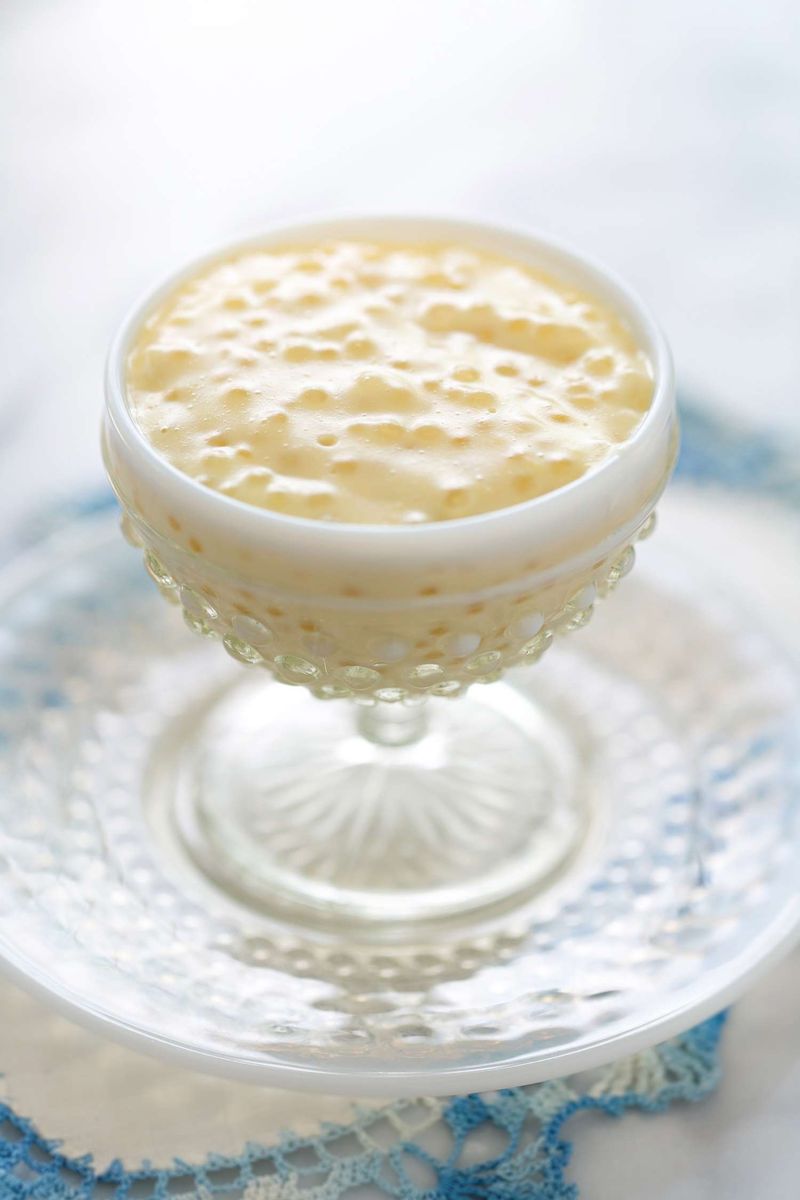
Those little chewy balls floating in a milky pudding are enough to make some people push the bowl away instantly. Tapioca pudding has a loyal fan base, but the gelatinous texture of the pearls is a dealbreaker for many.
It is one of those desserts where the mouthfeel matters more than the flavor.
Fans describe it as comforting and unique. Critics call it slimy.
Somewhere in the middle lies the truth, and most people land firmly on one side.
5. Mince Pie

Mince pie is a British holiday classic that has been baked for hundreds of years. The filling, made from dried fruits, spices, and sometimes a splash of brandy, carries a very bold and complex flavor.
For those raised on it, the smell alone brings back warm memories of Christmas mornings.
But for first-timers, the intensely spiced, sticky-sweet filling inside a buttery pastry shell can feel overwhelming. Many people try one bite and politely set the rest aside.
6. Panna Cotta
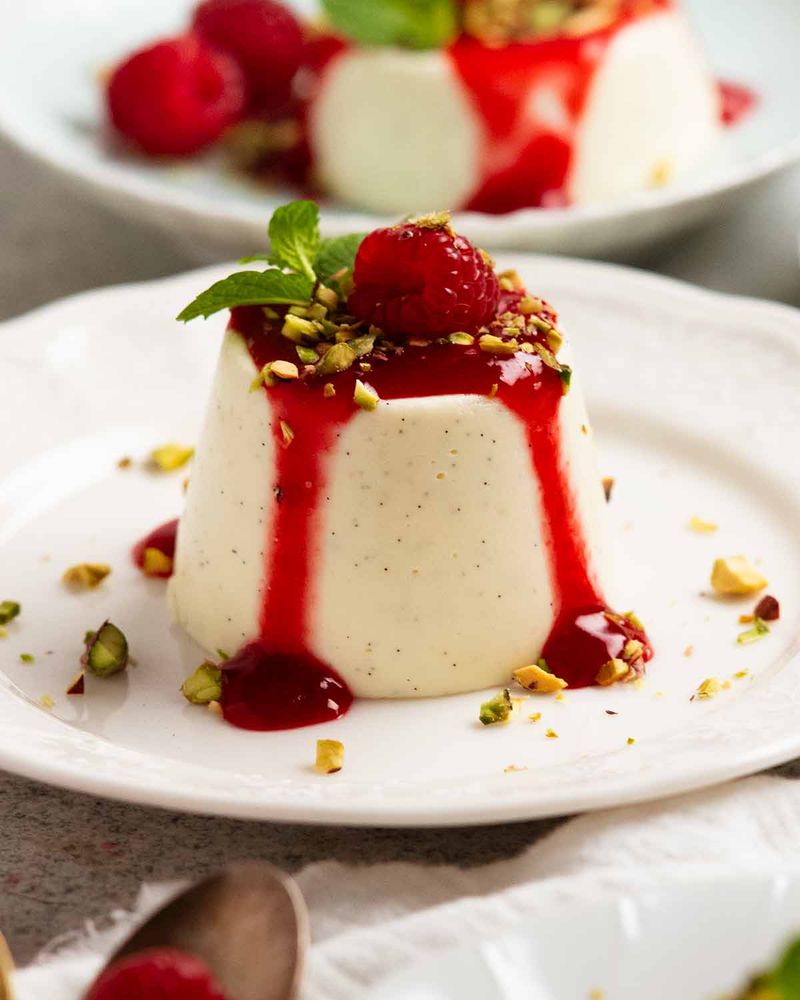
Panna cotta looks stunning on a restaurant menu, and its silky appearance makes it seem like a real treat. Made from sweetened cream set with gelatin, it wobbles delicately on the plate.
The problem? Many people find the flavor surprisingly plain, almost like eating sweet nothing.
Without a bold topping like fruit coulis or caramel, panna cotta can feel underwhelming. It is a dessert that relies heavily on its companions to shine, which leaves many eaters a little disappointed.
7. Steamed Pudding
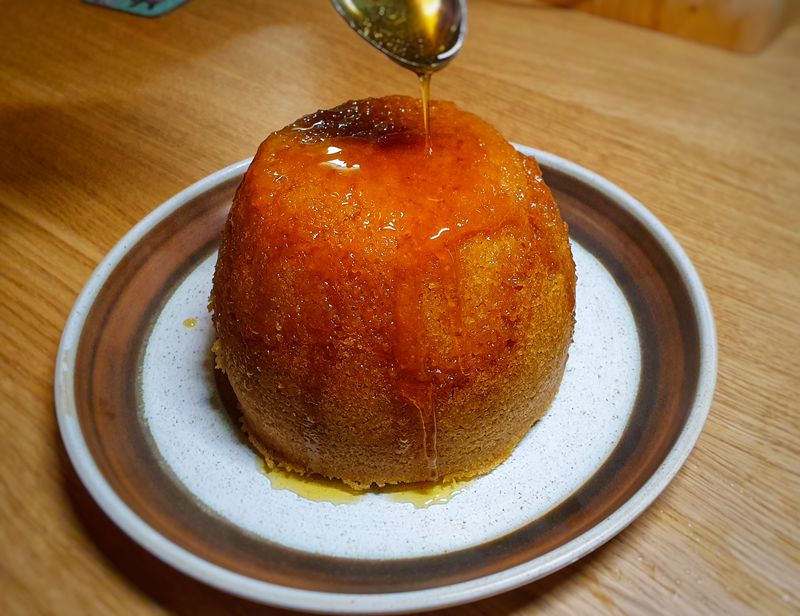
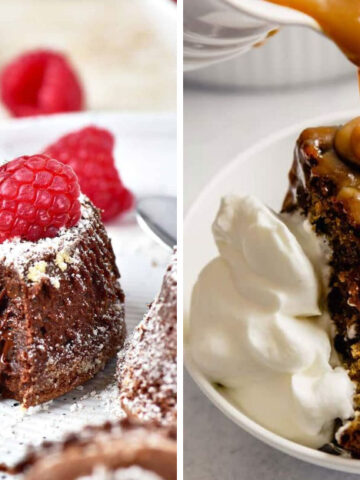
Steamed pudding is a cornerstone of old-fashioned British cooking, especially around the holidays. Sticky toffee and syrup sponge versions are the most well-known.
But the dense, heavy nature of steamed pudding makes it feel more like a challenge than a treat to many modern dessert lovers.
After a full meal, facing a thick, stodgy pudding requires serious commitment. Plenty of people admire it from a distance but quietly choose something lighter when given the option.
8. Cassata
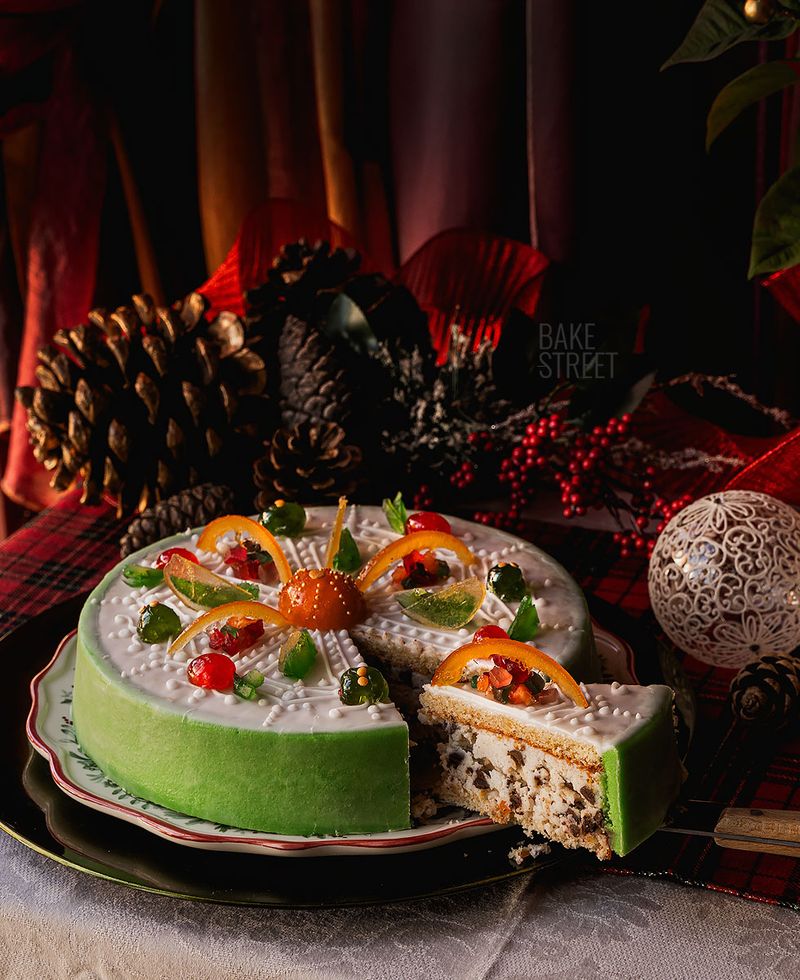
Cassata is a showstopper from Sicily, layered with ricotta cream, sponge cake, candied fruit, and a bright green marzipan shell. It looks almost too beautiful to eat, and in Italian bakeries, it commands serious respect.
But that combination of flavors and textures is a lot to handle all at once.
The marzipan alone is enough to divide opinions sharply. Add candied orange peel and sweetened ricotta, and you have a dessert that impresses far more eyes than taste buds.
9. Semifreddo
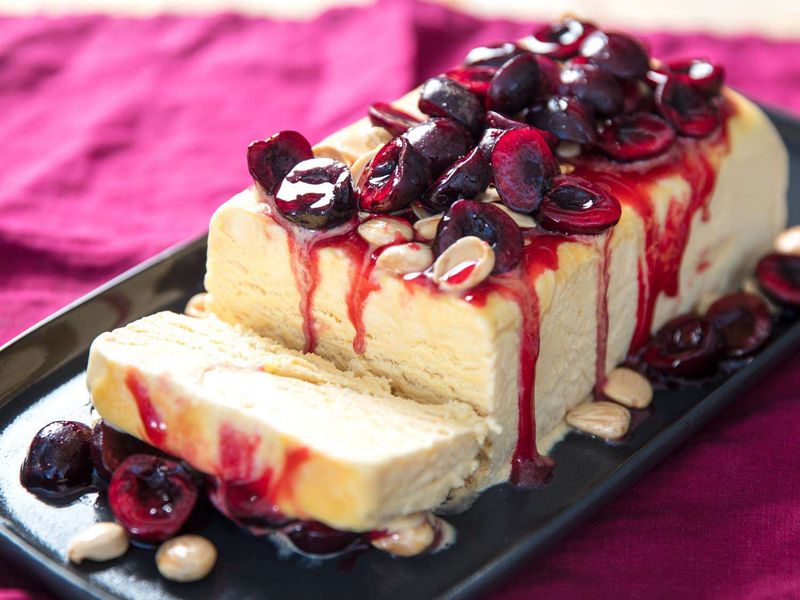
Semifreddo is Italy's answer to ice cream, but it is not quite frozen and not quite mousse. That in-between texture, somewhere between icy and creamy, throws a lot of people off.
It sounds luxurious, and it certainly looks the part, but expectations and reality do not always match.
First-time tasters sometimes expect the richness of gelato and feel a little let down by the lighter, airier result. It has devoted admirers, but it rarely makes anyone's list of all-time favorites.
10. Spotted Dick
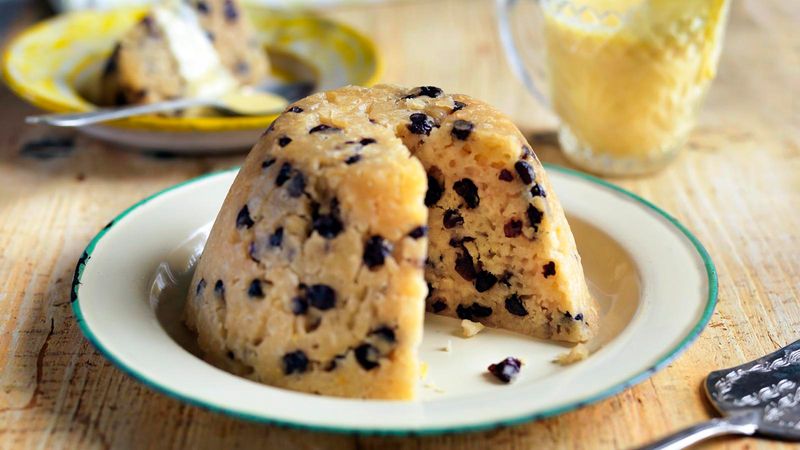
The name alone makes people do a double take, and that reaction often distracts from giving this classic British pudding a fair chance. Spotted Dick is a steamed suet pudding dotted with currants and typically served with custard.
It is hearty, old-fashioned, and genuinely satisfying on a cold day.
The suet base gives it a richness that feels heavy to many modern palates. Most people who try it are pleasantly surprised, but convincing them to try it in the first place is the real challenge.
11. Turkish Delight
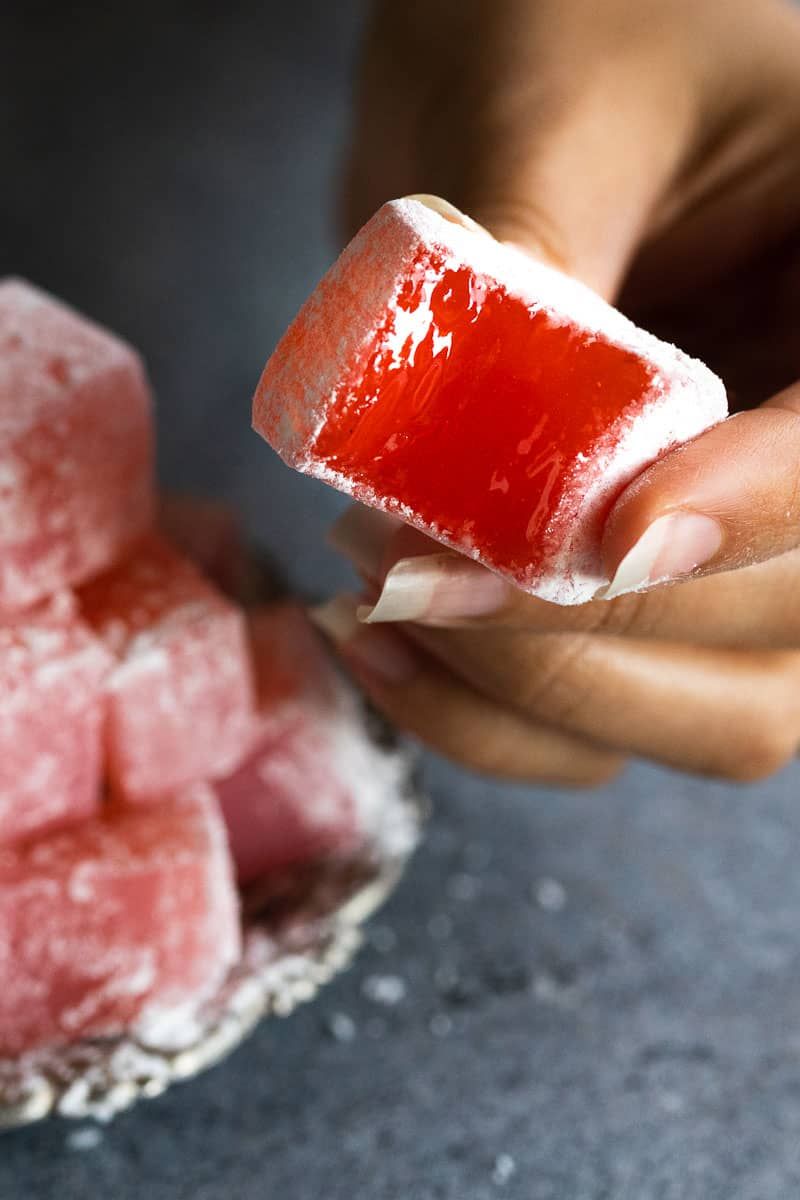
Thanks to a certain lion, a witch, and a wardrobe, Turkish delight sounds like the most magical treat imaginable. The reality, for many people, is a chewy, floral-flavored confection that tastes more like perfume than candy.
Rose water is the dominant flavor in traditional versions, and that catches a lot of first-timers off guard.
Those who grow up eating it find it nostalgic and wonderful. Those who try it expecting chocolate-level satisfaction often walk away puzzled by all the fuss.
12. Kulfi

Kulfi is a frozen dessert from South Asia that has been enjoyed for centuries, long before modern ice cream existed. Made by slowly reducing milk until it is thick and rich, then freezing it with spices like cardamom and saffron, the result is incredibly dense and intensely flavored.
Western dessert lovers who expect the lightness of regular ice cream are sometimes put off by how heavy and rich kulfi feels. It is a bold dessert that rewards adventurous eaters but surprises those expecting something familiar.
13. Baked Alaska
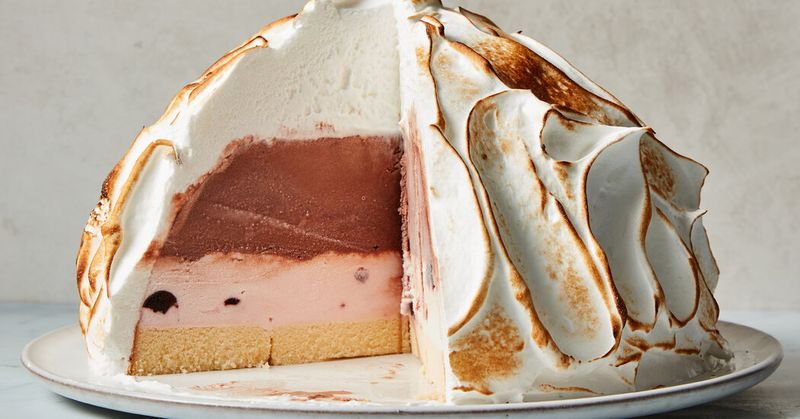
Hot on the outside, frozen on the inside, Baked Alaska is one of the most theatrical desserts ever invented. The science behind it is genuinely cool, but the eating experience leaves many people confused.
The meringue can taste eggy and overly sweet, while the ice cream inside sometimes turns slushy before you even finish your slice.
It photographs beautifully and impresses guests at dinner parties. When it actually comes to enjoying it bite by bite, though, reactions are far more mixed than the showmanship suggests.
14. Blancmange
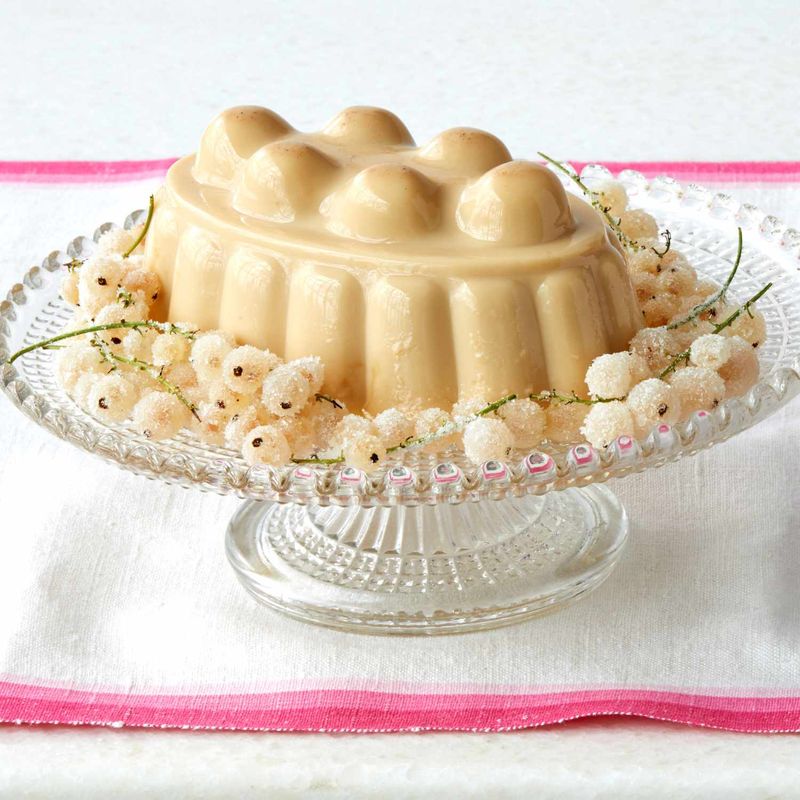
Blancmange has a name that sounds far fancier than the dessert actually is. Essentially a sweetened milk pudding set with cornstarch or gelatin, it has a soft, wobbly texture and a very mild flavor.
In Victorian times, it was considered the height of elegance at dinner parties.
Today, most people find it bland and uninspiring. Without strong flavoring or a dramatic topping, blancmange fades quietly into the background, leaving dessert lovers searching for something with a little more personality.
15. Zabaglione
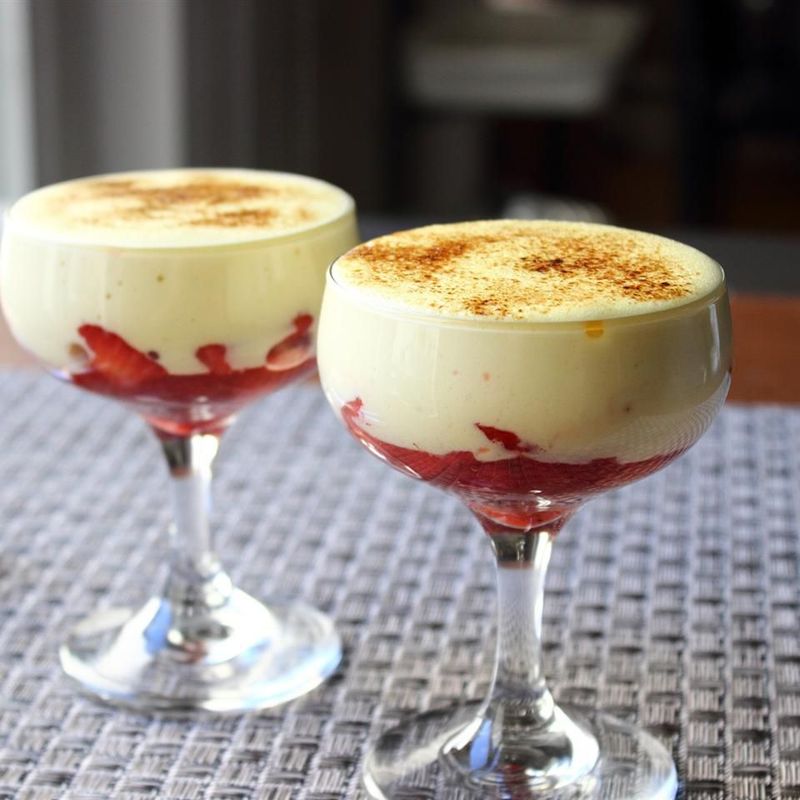
Zabaglione is a warm Italian custard made by whipping egg yolks with sugar and Marsala wine over gentle heat. It sounds sophisticated, and in a good Italian restaurant, it absolutely is.
But the strong wine flavor and the runny, frothy texture are not what most dessert lovers picture when they imagine a satisfying sweet ending.
Some find it too boozy, others too eggy, and many just too light to feel like a real dessert. It is admired more than it is ordered.
16. Figgy Pudding
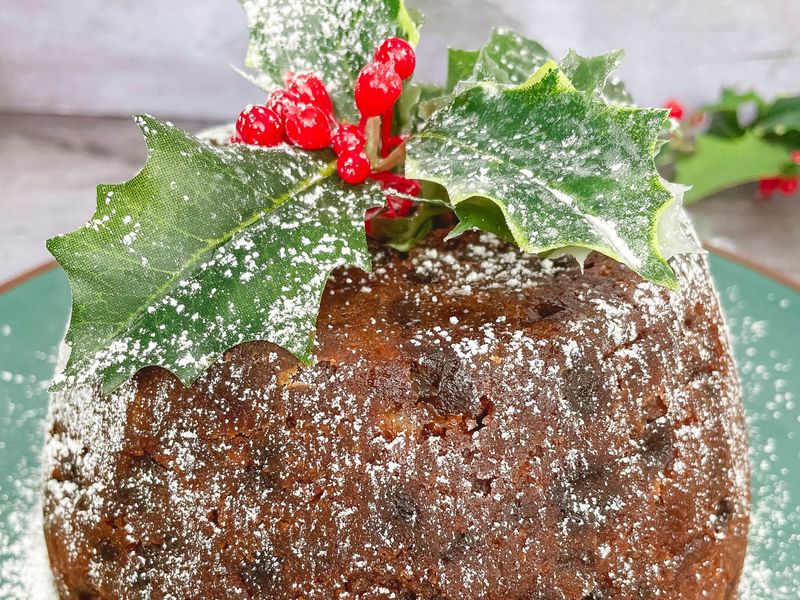
Everyone has heard the carol demanding figgy pudding, but far fewer people have actually eaten it and enjoyed it. This old English steamed pudding is packed with dried figs, spices, and a richness that feels more medieval feast than modern dessert.
The flavor is deep, dark, and very intense.
People who love it tend to be deeply nostalgic about it. For everyone else, one taste is usually enough to explain why this carol favorite rarely appears on contemporary dessert menus.
17. Charlotte Russe
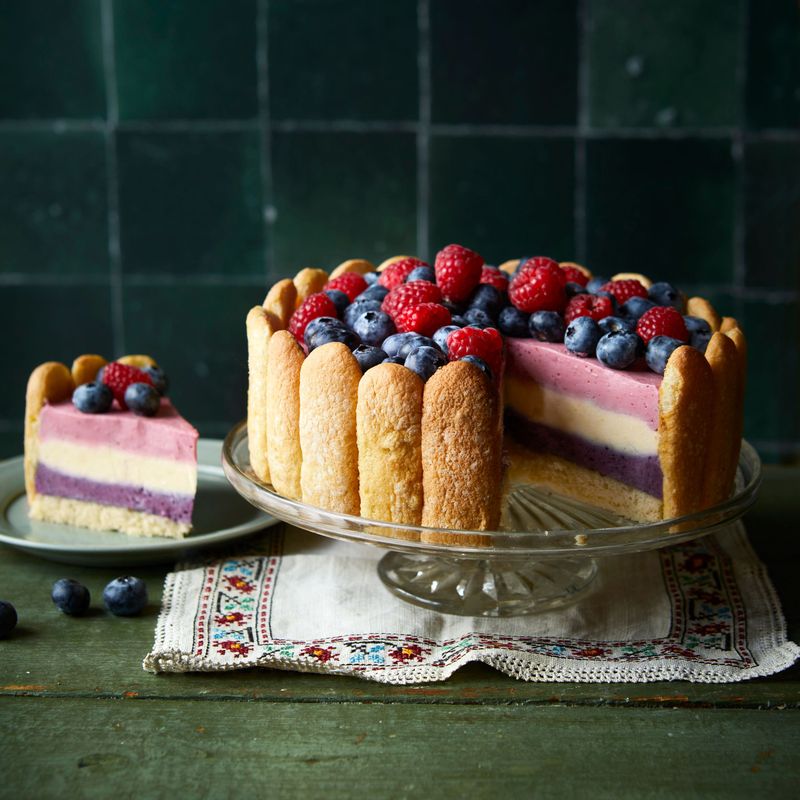
Charlotte Russe is a classic French dessert built from ladyfinger biscuits arranged around a mold filled with Bavarian cream. It looks absolutely stunning at a dinner party and has an impressive culinary history dating back to the 19th century.
But the flavor rarely matches the visual drama.
Ladyfingers can turn soggy quickly, and Bavarian cream, while smooth, often tastes too mild to excite modern palates. It earns plenty of compliments for its appearance but not nearly as many for its taste.

Comments
No Comments