













Chocolate is one of those things that almost everyone loves, no matter where they are from. From creamy bars to crunchy bites, countries around the world have come up with some truly amazing ways to enjoy this sweet treat.
Whether you are a die-hard chocolate fan or just someone who enjoys a good snack, get ready to discover some seriously delicious creations you may have never heard of before.
1. Tim Tam (Australia)
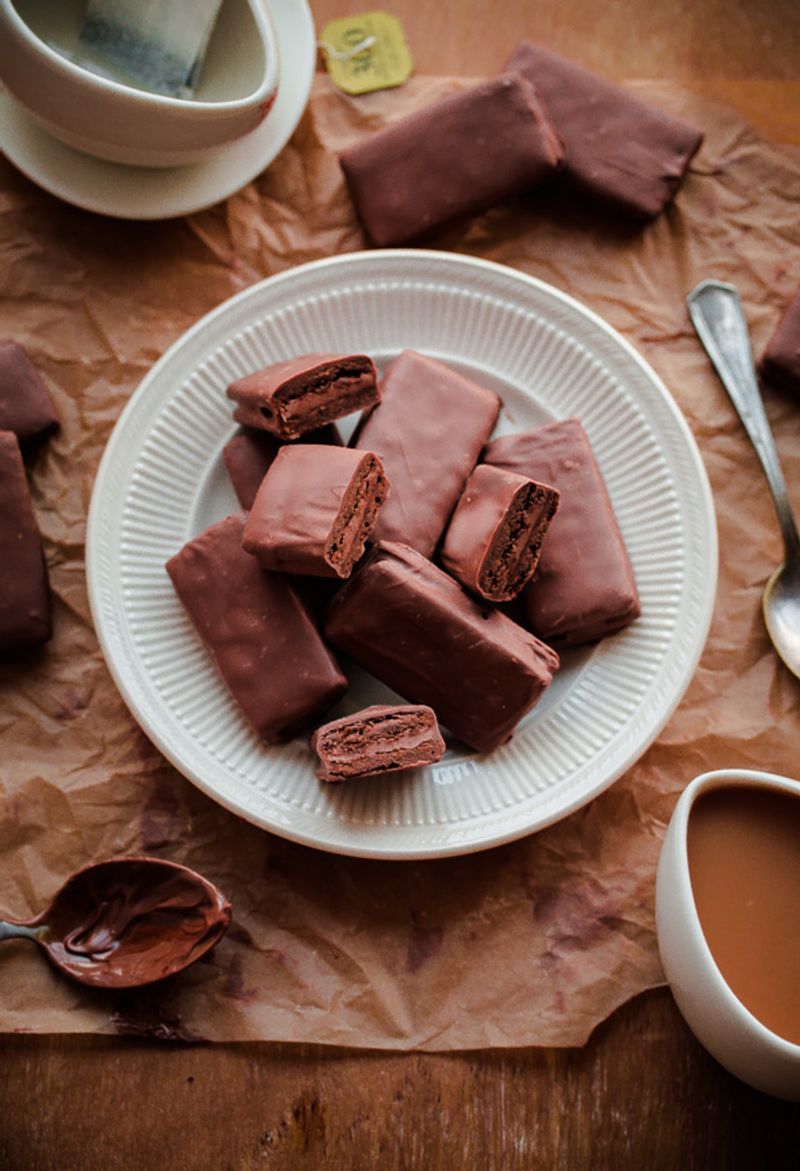
Australians are fiercely loyal to their Tim Tams, and honestly, it is easy to see why. These chocolate-coated cream biscuits have a crisp, malty shell that gives way to a silky smooth chocolate filling inside.
The most famous way to eat one is called the "Tim Tam Slam" — you bite off both ends and sip hot coffee through it like a straw. The whole cookie melts in your mouth.
Mind officially blown.
2. Kinder Bueno (Italy)
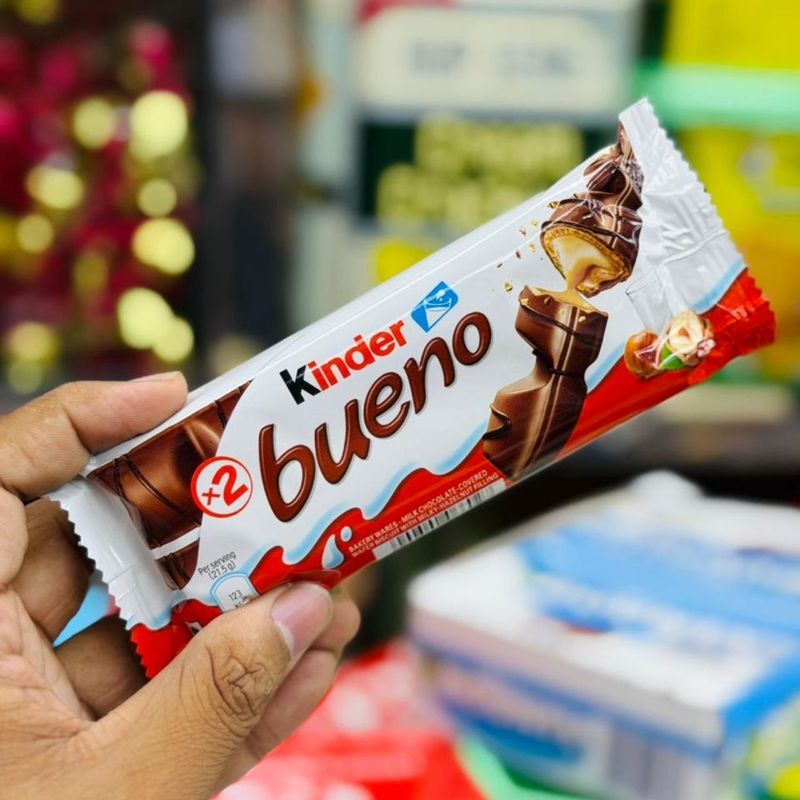
Kinder Bueno might just be the most elegant snack to ever come out of Italy. A crispy wafer shell hides a dreamy hazelnut cream center, all wrapped in a thin layer of smooth milk chocolate.
Each bar snaps satisfyingly when you break it apart. It is light enough that you never feel weighed down, yet rich enough to feel like a real treat.
One bite and you will wonder how you ever lived without it.
3. Meiji Chocolate (Japan)
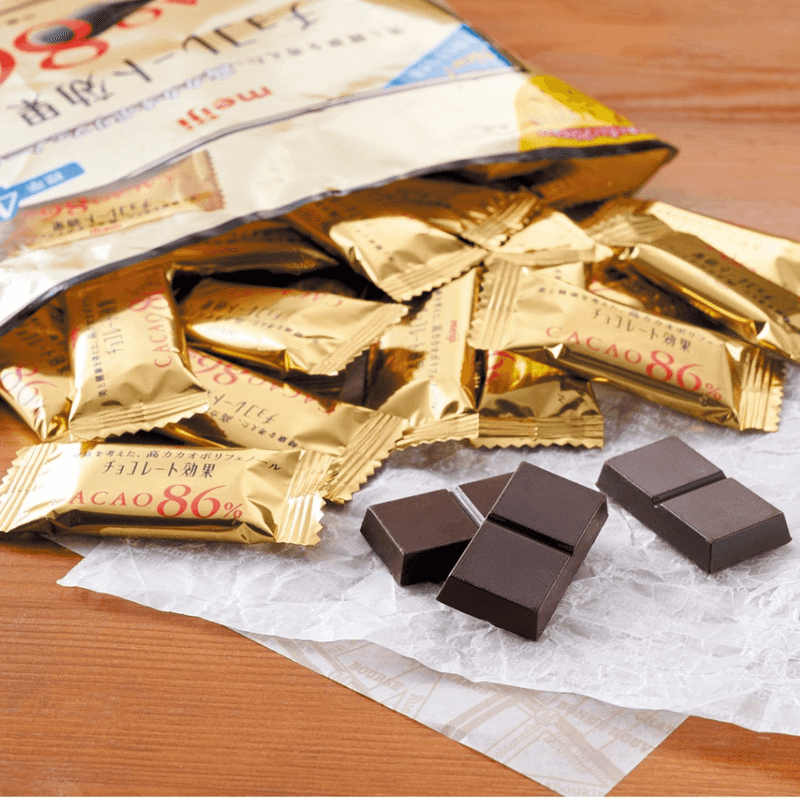
Japan takes chocolate seriously, and Meiji has been proving that since 1926. These small, perfectly portioned milk chocolate squares have a melt-in-your-mouth smoothness that feels almost luxurious for something so affordable.
What makes Meiji stand out is how clean and pure the chocolate flavor is — no overwhelming sweetness, just balance. Many people who try it for the first time say it completely changes how they think about milk chocolate.
Simple packaging, extraordinary taste.
4. Brigadeiro (Brazil)
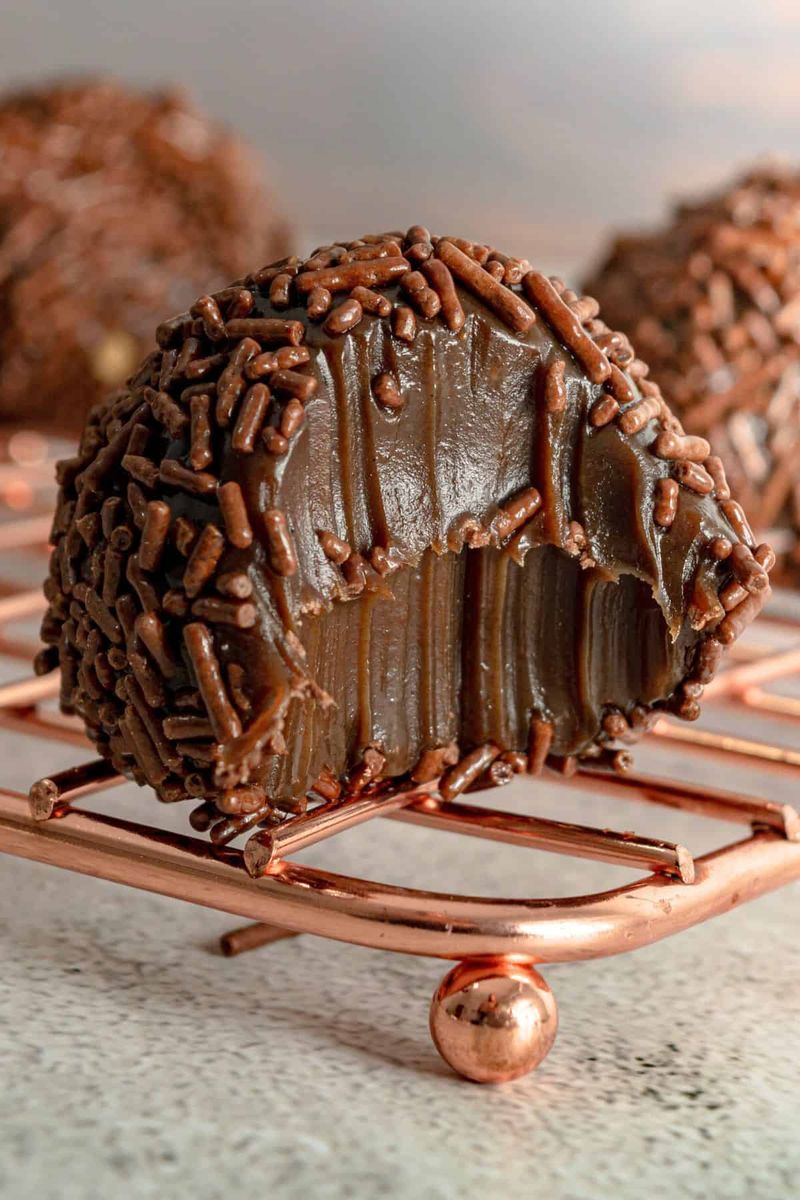
Brazil's most beloved sweet treat, the brigadeiro, is basically a chocolate truffle made from condensed milk, cocoa powder, and butter — then rolled in chocolate sprinkles. It sounds simple, but the result is absolutely addictive.
No birthday party in Brazil is complete without a big tray of these little gems. The texture is fudgy and dense in the best possible way.
Fun fact: brigadeiros were named after a Brazilian Air Force general from the 1940s.
5. Pocky (Japan)
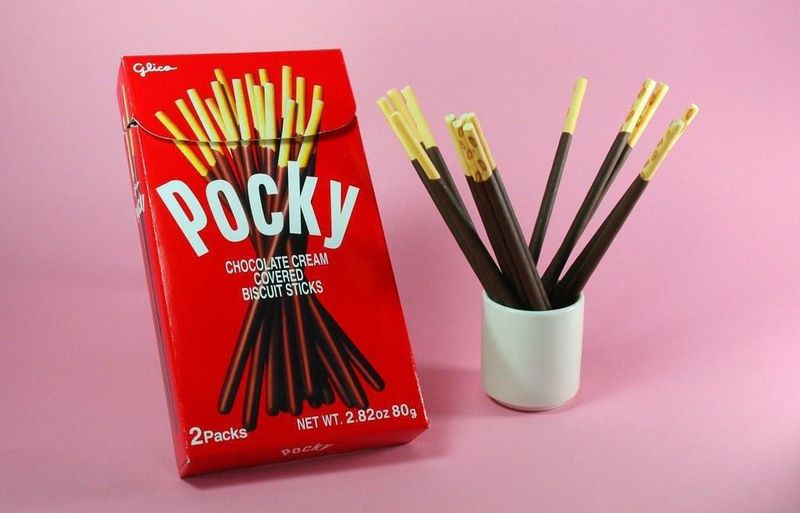
Long, skinny biscuit sticks dipped in chocolate — that is the genius simplicity of Pocky. Japan's most exported snack has been delighting people around the world since 1966, and it has never gone out of style.
The chocolate coating stops just before the end of the stick, giving you a clean handle to hold. Pocky comes in dozens of flavors, from classic milk chocolate to matcha and strawberry.
Sharing a box is practically a social ritual in Japan.
6. Milka (Germany/Switzerland)
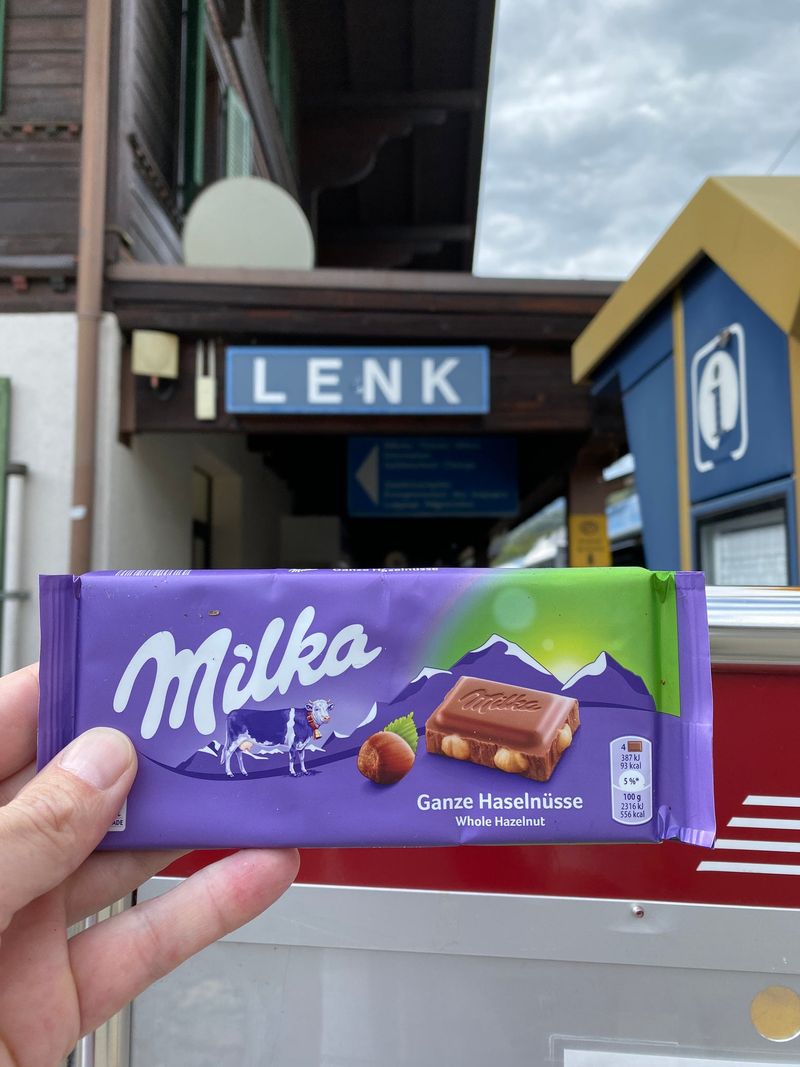
There is something comforting about Milka chocolate that feels like a warm hug on a cold day. Made with Alpine milk, this creamy European chocolate bar has a softer, creamier texture than most other milk chocolates on the market.
The purple packaging featuring a lilac cow has become one of the most recognized symbols in candy history. Milka also comes stuffed with fillings like caramel, hazelnuts, and biscuit pieces.
Each variety feels like discovering something new.
7. Chokito (Australia)
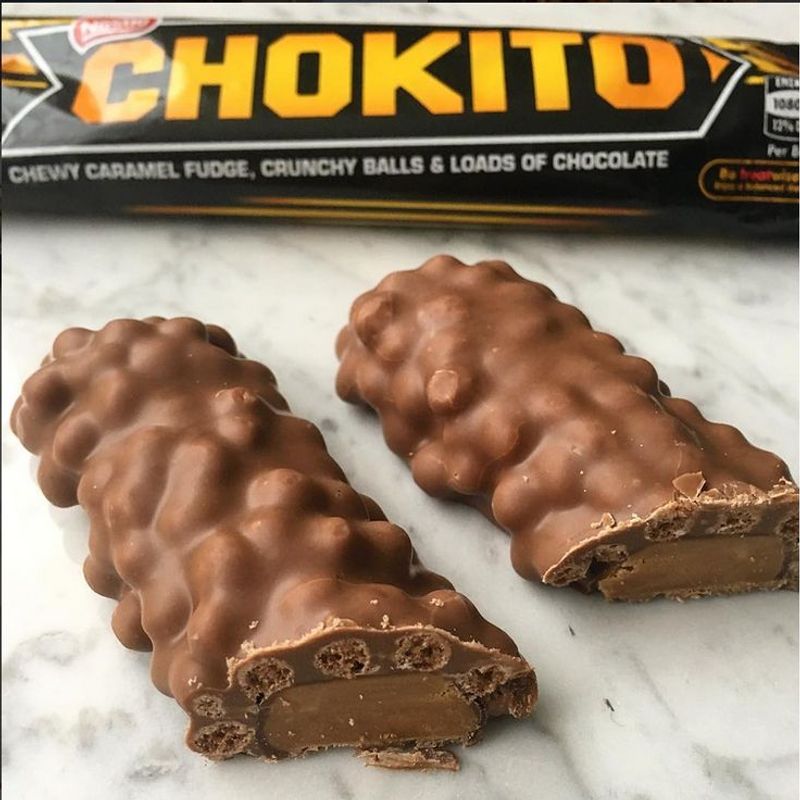
Chokito is the kind of snack that makes you stop mid-bite and think, "Wait, this is incredible." An Australian classic since the 1970s, it combines chewy caramel fudge with crunchy rice crisps, all coated in chocolate.
The contrast of textures is what makes it so addictive — chewy, crunchy, and chocolatey all at once. It is not as well-known internationally as Tim Tams, but those who discover it tend to become instant fans.
A true hidden gem.
8. Toblerone (Switzerland)
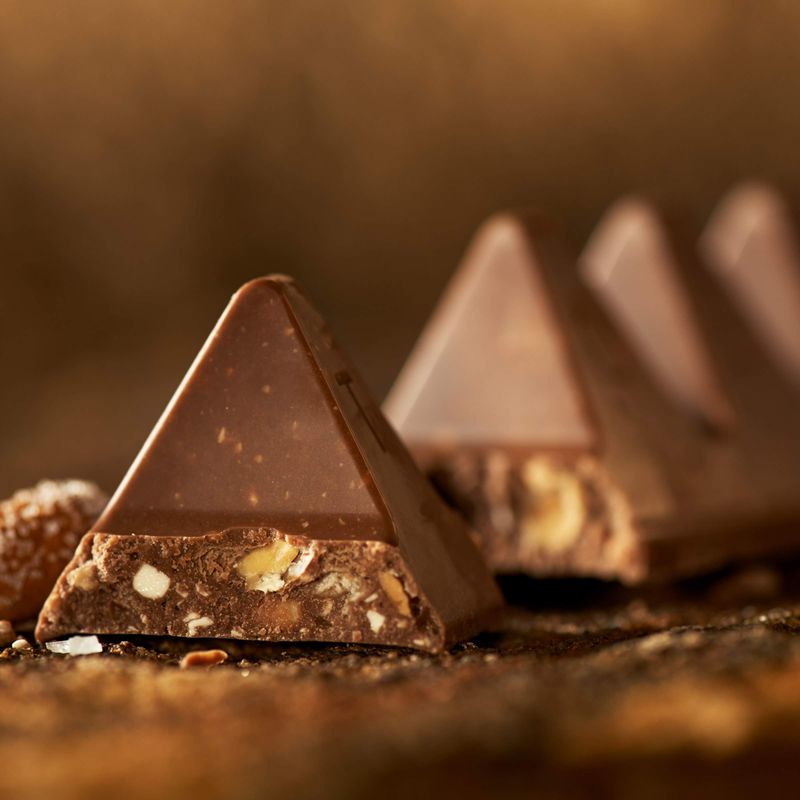
Shaped like the Swiss Alps and packed with honey-almond nougat, Toblerone is one of the most instantly recognizable chocolate bars on Earth. Breaking off each triangular chunk feels almost ceremonial.
Invented in Bern, Switzerland in 1908, Toblerone has been a duty-free airport staple for decades. The nougat gives it a chewy, nutty depth that plain chocolate bars simply cannot match.
It is the kind of chocolate that feels fancy even when you are eating it on a plane.
9. Obleas con Arequipe (Colombia)
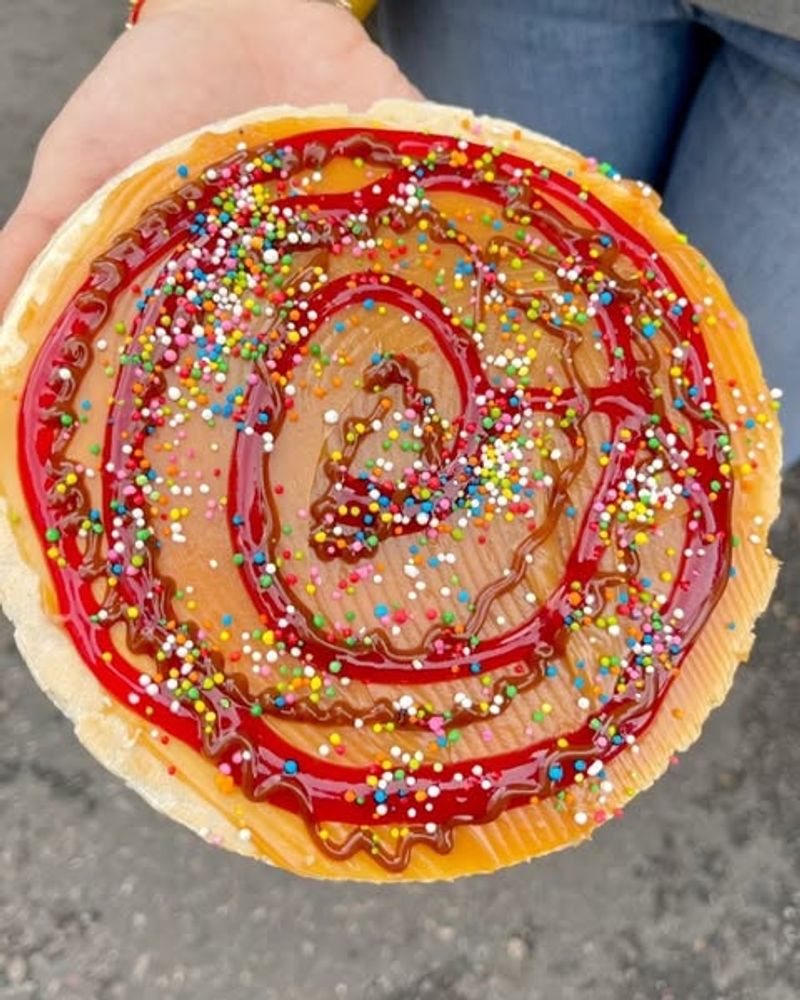
Street food in Colombia gets a chocolatey upgrade with obleas con arequipe. Two paper-thin wafers are sandwiched together with a generous spread of arequipe, which is Colombia's version of dulce de leche, and sometimes drizzled with chocolate.
Vendors sell these at markets and festivals across the country, and they are nearly impossible to put down once you start eating. The wafer crumbles delicately with each bite while the sweet caramel oozes out.
Pure street-food magic.
10. Flake (United Kingdom)
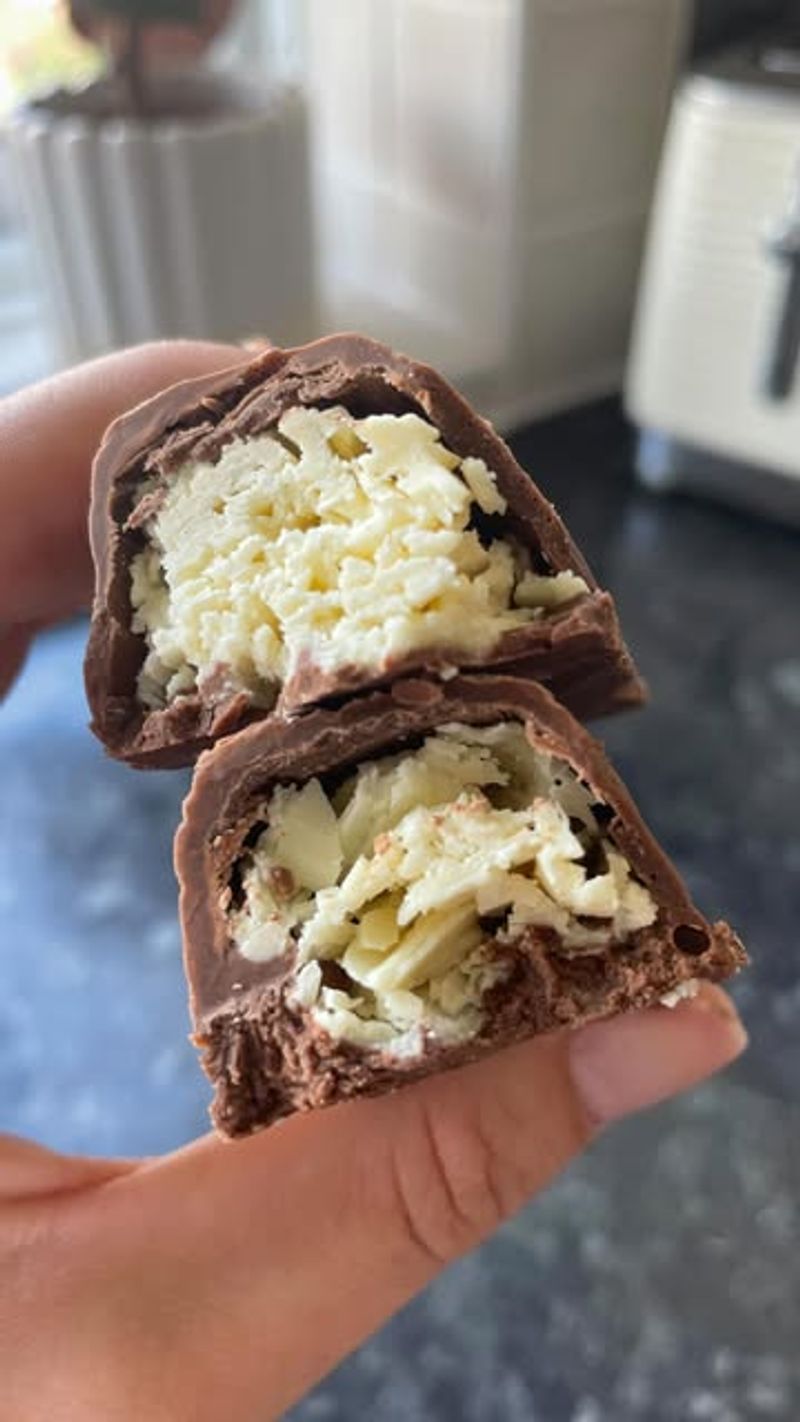
Cadbury's Flake is the chocolate bar that refuses to behave. It is made from delicately layered, crumbly milk chocolate that shatters and falls apart the moment you touch it — and that is exactly the point.
British people have been eating Flakes since 1920, and the bar is famously stuck into soft-serve ice cream cones at seaside shops across the UK. It is messy, impractical, and completely irresistible.
Sometimes the most chaotic snacks are the most beloved ones.
11. Hershey's Kisses (USA)
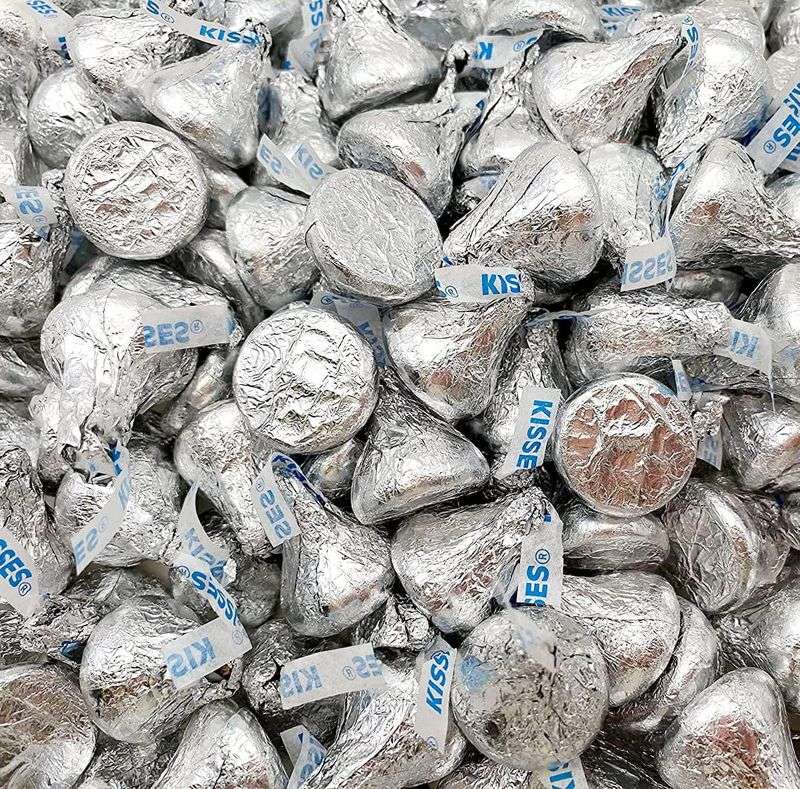
Few candies are as nostalgic as a Hershey's Kiss. That tiny teardrop of milk chocolate wrapped in foil with a little paper flag sticking out has been an American icon since 1907.
They show up at holidays, weddings, and candy dishes in offices everywhere across the United States. The chocolate has a slightly tangy quality that is unique to Hershey's — some people love it, others find it surprising.
Either way, it is a genuine piece of American snack history.
12. Choco Pie (South Korea)
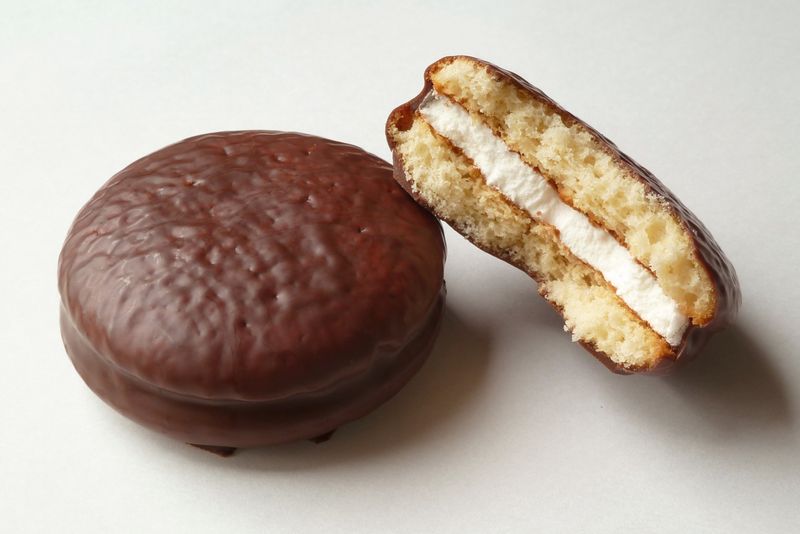
South Korea's Choco Pie is the snack that became a cultural symbol. Two soft chocolate-coated cake layers sandwich a fluffy marshmallow center, creating something that is part cookie, part candy, and entirely wonderful.
Originally inspired by American Moon Pies, Korean manufacturers gave Choco Pies their own identity — slightly sweeter, softer, and more delicate. They became so popular that during tough economic times, Choco Pies were reportedly used as a form of currency in certain communities.
That is some serious snack power.
13. Sachertorte (Austria)
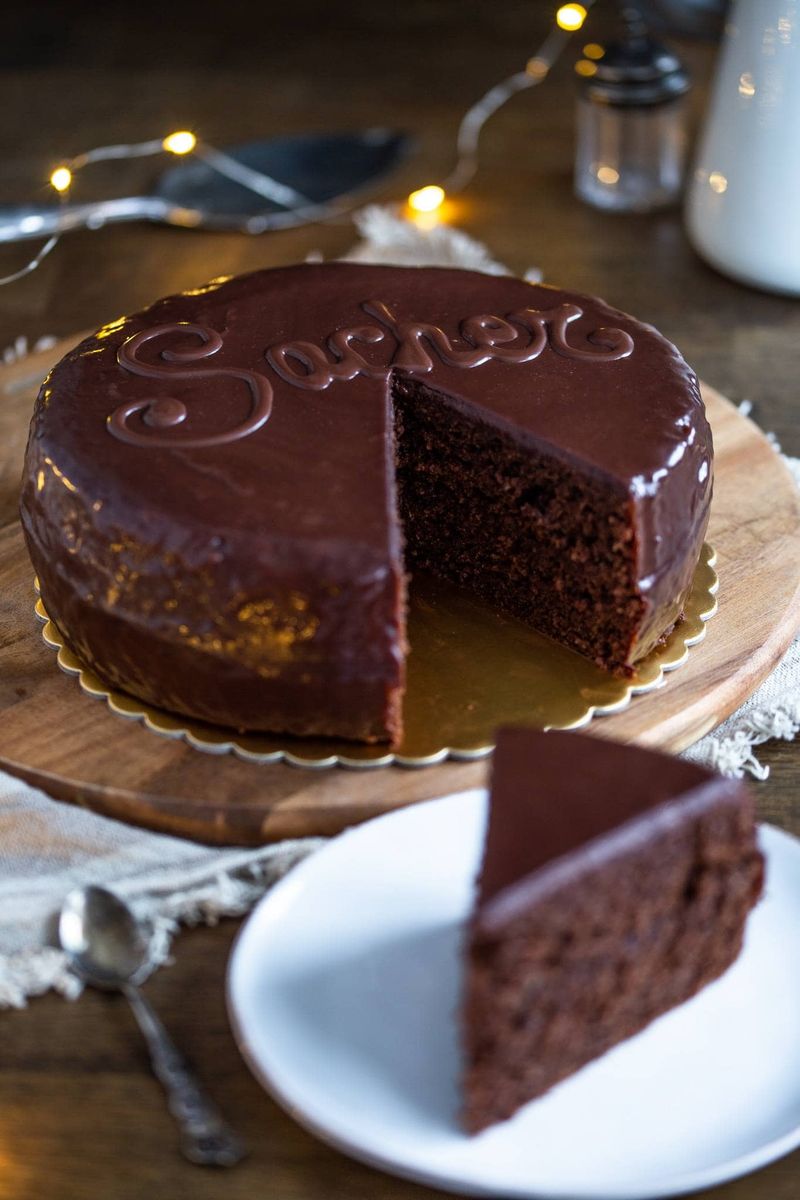
Austria gave the world one of the most sophisticated chocolate creations ever made: the Sachertorte. This dense, dark chocolate cake is layered with apricot jam and covered in a glossy chocolate glaze that looks almost too beautiful to eat.
It was invented in Vienna in 1832 by a 16-year-old apprentice chef named Franz Sacher. The original recipe is still a closely guarded secret.
Eating a real Sachertorte at the Hotel Sacher in Vienna is considered a bucket-list experience for food lovers.
14. Taza Chocolate (Mexico)
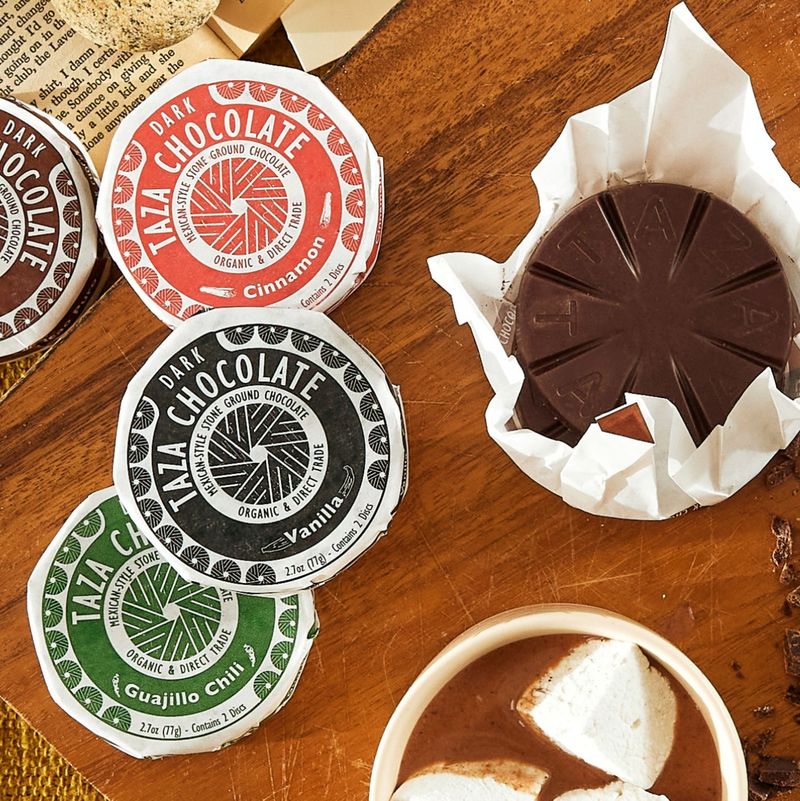
Mexican chocolate plays by completely different rules. Taza-style chocolate is stone-ground, meaning it keeps a slightly gritty, grainy texture that is nothing like the smooth bars most people are used to — and that roughness is the whole point.
Traditionally blended with cinnamon and sometimes chili, it is meant to be melted into drinks or used in rich mole sauces. The bold, earthy flavor feels ancient and complex.
Trying it is like tasting chocolate the way it was enjoyed centuries ago by the Aztecs.
15. Ritter Sport (Germany)
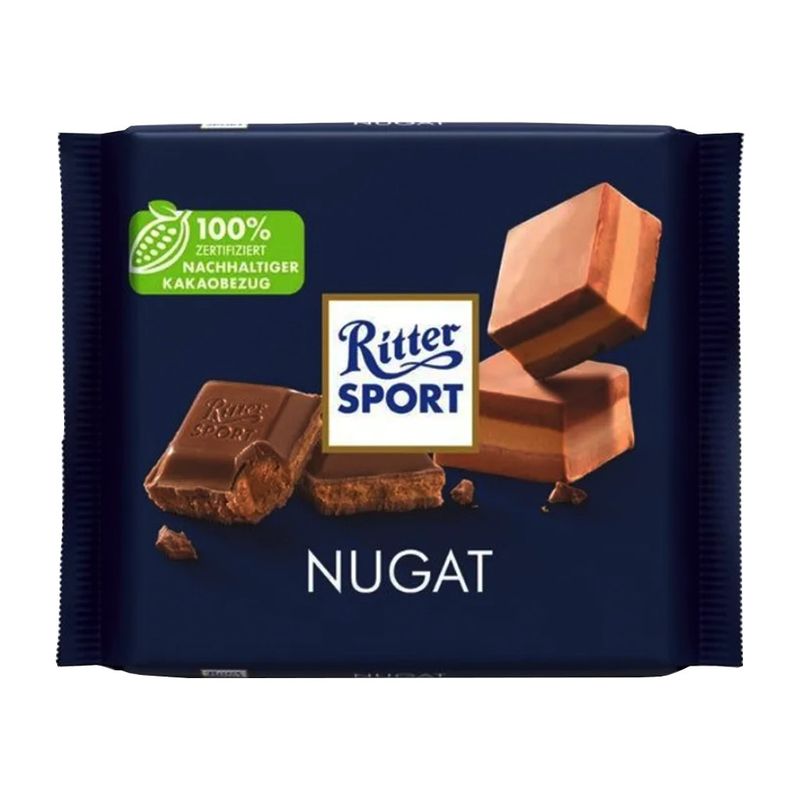
Germany's Ritter Sport does one thing differently from every other chocolate bar in the world: it is perfectly square. The shape was designed so it could fit neatly into a shirt pocket — seriously, that is the real story behind it.
Inside that square wrapper, you will find bold, high-quality chocolate in dozens of flavor combinations, from whole hazelnuts to marzipan to cornflakes. The chocolate itself is thick and satisfying.
Ritter Sport proves that good design and great taste can absolutely go hand in hand.
16. Modica Chocolate (Italy)
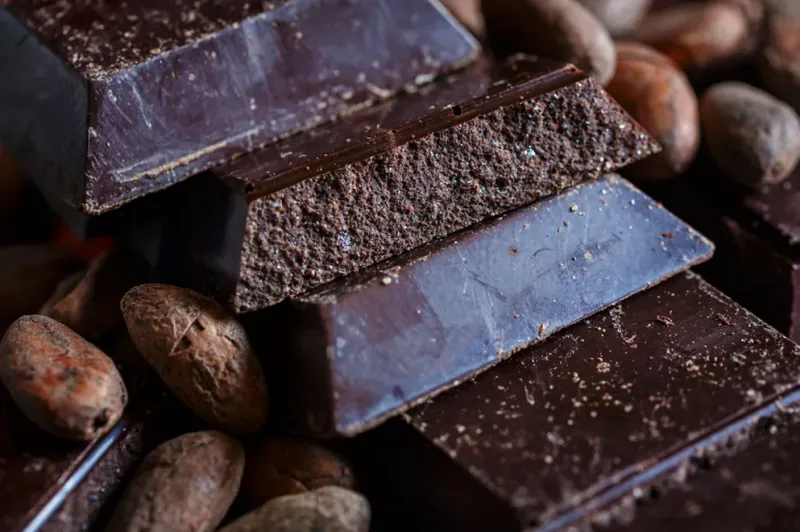
Modica chocolate from Sicily is one of the oldest chocolate recipes still being made today. Unlike modern chocolate, it contains no milk, cream, or cocoa butter — just pure cocoa paste mixed with raw sugar and spices at a low temperature.
The result is a crumbly, slightly powdery bar that melts slowly and releases wave after wave of intense cocoa flavor. The sugar crystals never fully melt, giving it a unique crunch.
It tastes like history you can actually eat.
17. Pepero (South Korea)
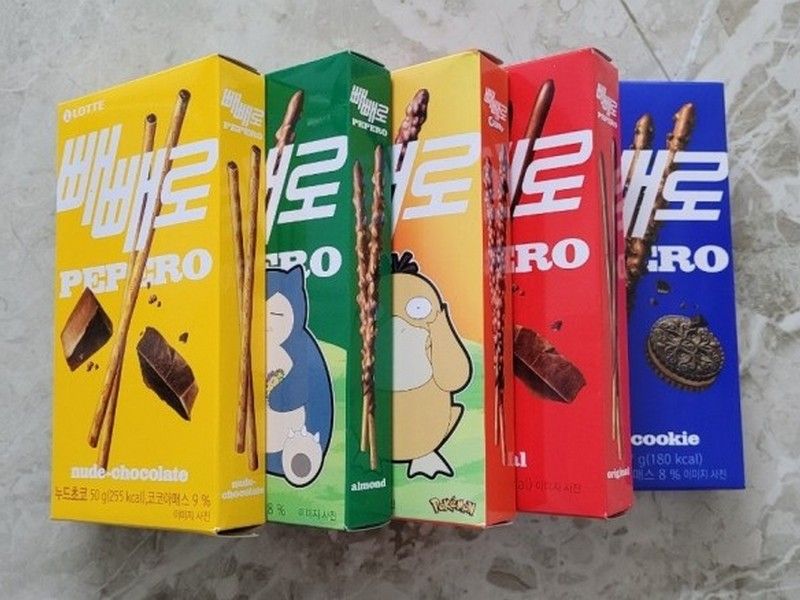
Pepero looks a lot like Pocky, but South Korea has made it completely its own. These thin biscuit sticks dipped in chocolate come in a wild range of flavors including dark chocolate, almond, and even cheese-flavored white chocolate.
November 11th is actually "Pepero Day" in South Korea — people exchange boxes of Pepero as gifts because the date, 11/11, looks like four Pepero sticks lined up. It is one of the most sweetly creative food holidays anywhere in the world.

Comments
No Comments