












A steaming bowl of ramen is one of the most satisfying meals you can make at home. With the right techniques and ingredients, your homemade ramen can taste just as good as anything you would find at a top restaurant.
Many people think great ramen is complicated, but it really comes down to layering flavors thoughtfully and paying attention to details. These tips will help you create a bowl that looks impressive and tastes absolutely incredible.
1. Start With a Rich, Long-Simmered Broth
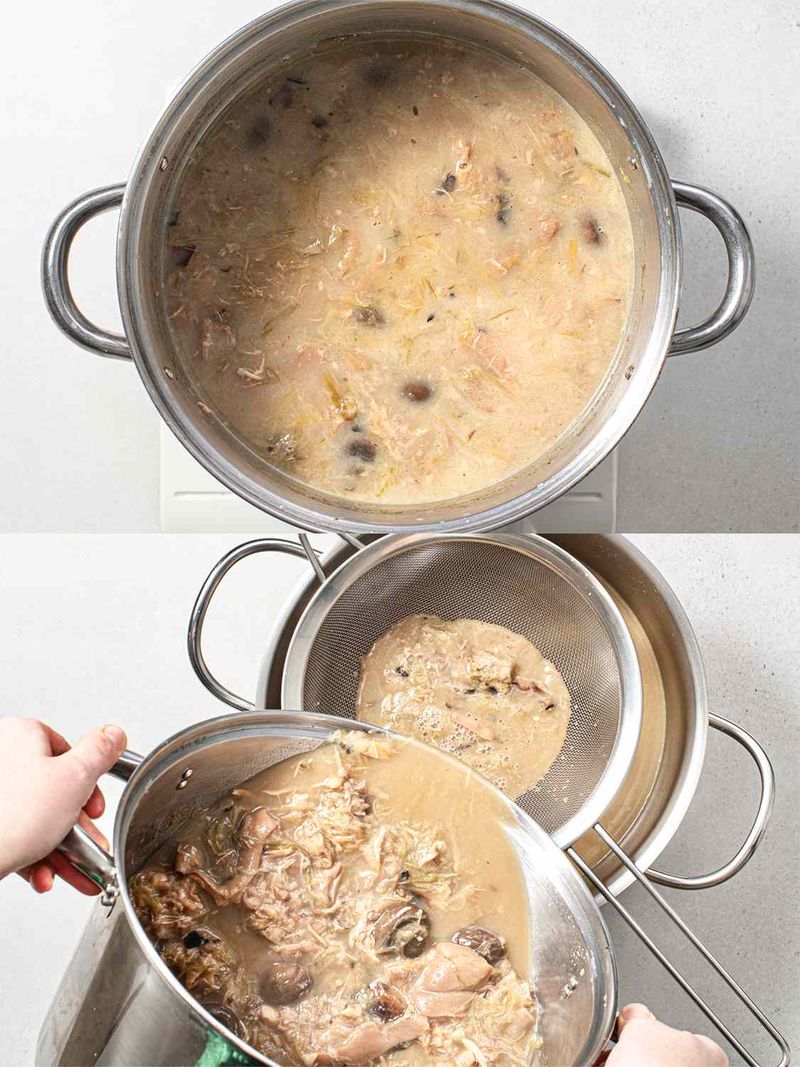
The broth is the soul of every great ramen bowl. Rushing it is one of the biggest mistakes home cooks make.
A broth that simmers for at least four to eight hours pulls deep, savory flavor from bones, aromatics, and seasonings.
Pork neck bones, chicken backs, or a combination of both work beautifully. Add ginger, garlic, and green onions for extra depth.
The longer it cooks, the more complex and satisfying your base will be.
2. Choose Your Tare Wisely
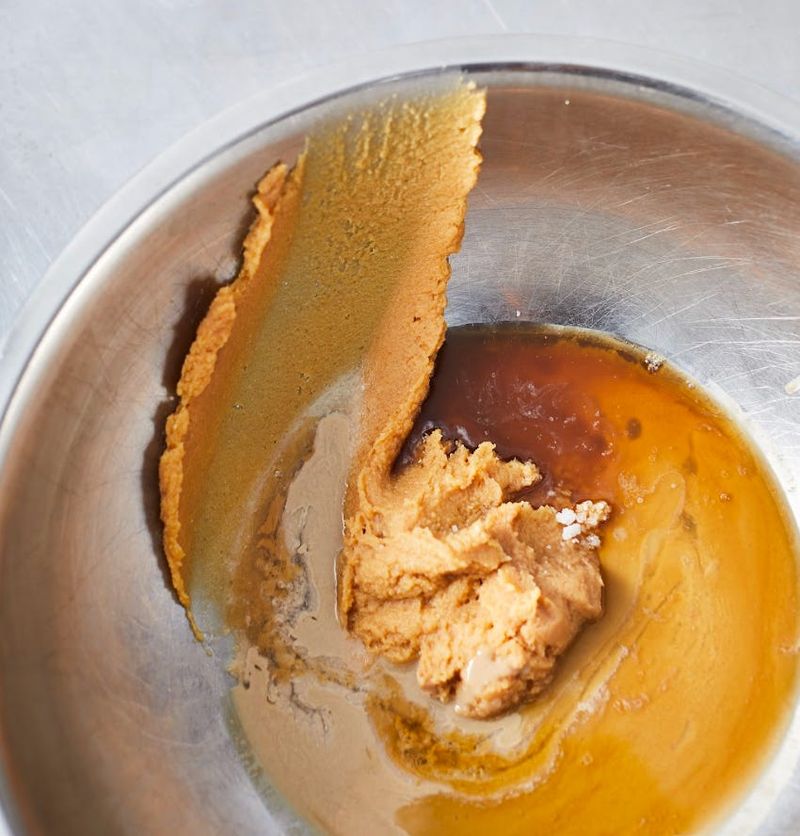
Tare is the concentrated seasoning sauce stirred into the broth right before serving. Most people have never heard of it, but every ramen restaurant uses one.
Shoyu (soy sauce), shio (salt), and miso are the three classic styles.
Each tare creates a completely different flavor profile even when using the same base broth. Making your own tare from scratch is easier than it sounds and gives you total control over saltiness and complexity.
3. Pick the Right Noodle for Your Style
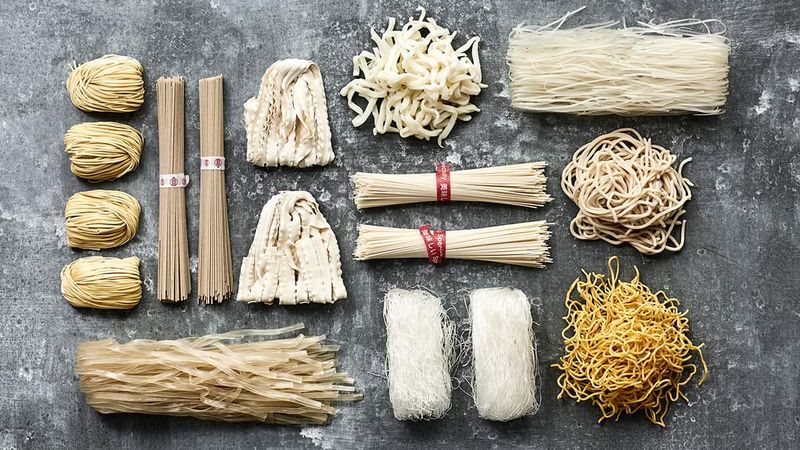
Not all ramen noodles are created equal. Thin, wavy noodles pair perfectly with lighter shio or shoyu broths, while thick, straight noodles hold up better in hearty tonkotsu or miso soups.
The texture and shape of the noodle changes how the broth clings to every bite.
Fresh noodles from an Asian grocery store taste noticeably better than dried ones. Cook them separately and rinse briefly to remove excess starch before adding to your bowl.
4. Master the Perfect Soft-Boiled Ramen Egg
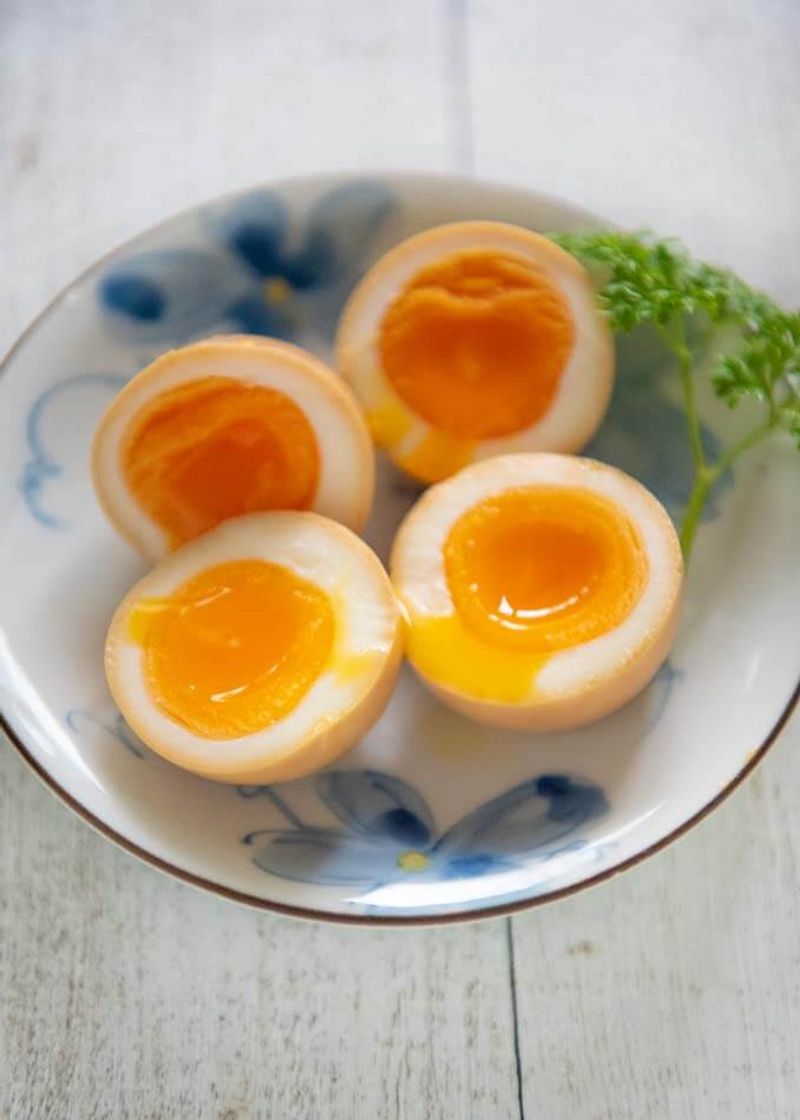
A properly made ramen egg, called ajitsuke tamago, is a game changer. The white should be fully set, the yolk should be jammy and slightly runny, and the whole egg should carry a savory, slightly sweet marinade all the way through.
Boil eggs for exactly six minutes and thirty seconds, then transfer immediately to an ice bath. Peel and marinate overnight in a mix of soy sauce, mirin, and a little sugar.
Patience pays off here.
5. Layer in Umami With Aromatic Oils
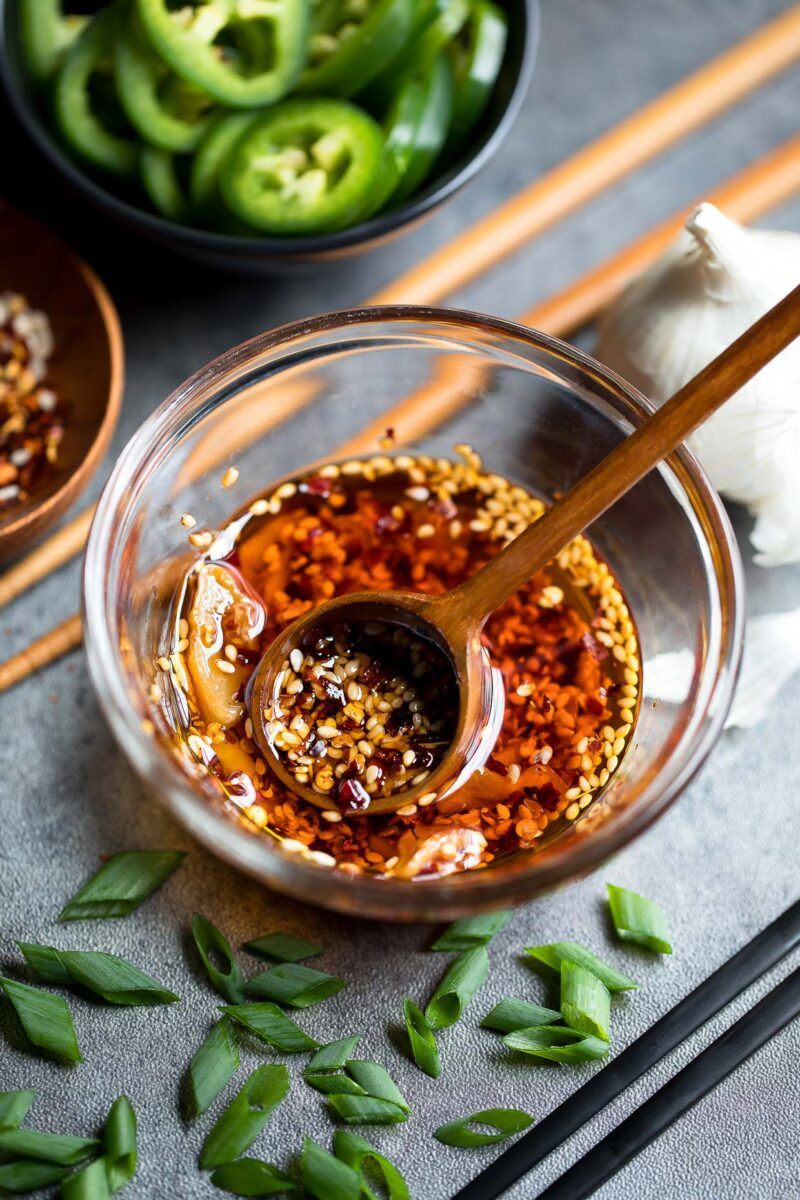
Aromatic oils are a secret weapon that separates average ramen from truly memorable bowls. A drizzle of toasted sesame oil, garlic oil, or chili oil right before serving adds fragrance and richness that no amount of extra broth can replicate.
Making your own flavored oils takes about ten minutes and stores easily in the fridge for weeks. Even a small spoonful transforms the surface of the broth into something glossy, aromatic, and deeply satisfying.
6. Build Umami Depth With Dried Mushrooms
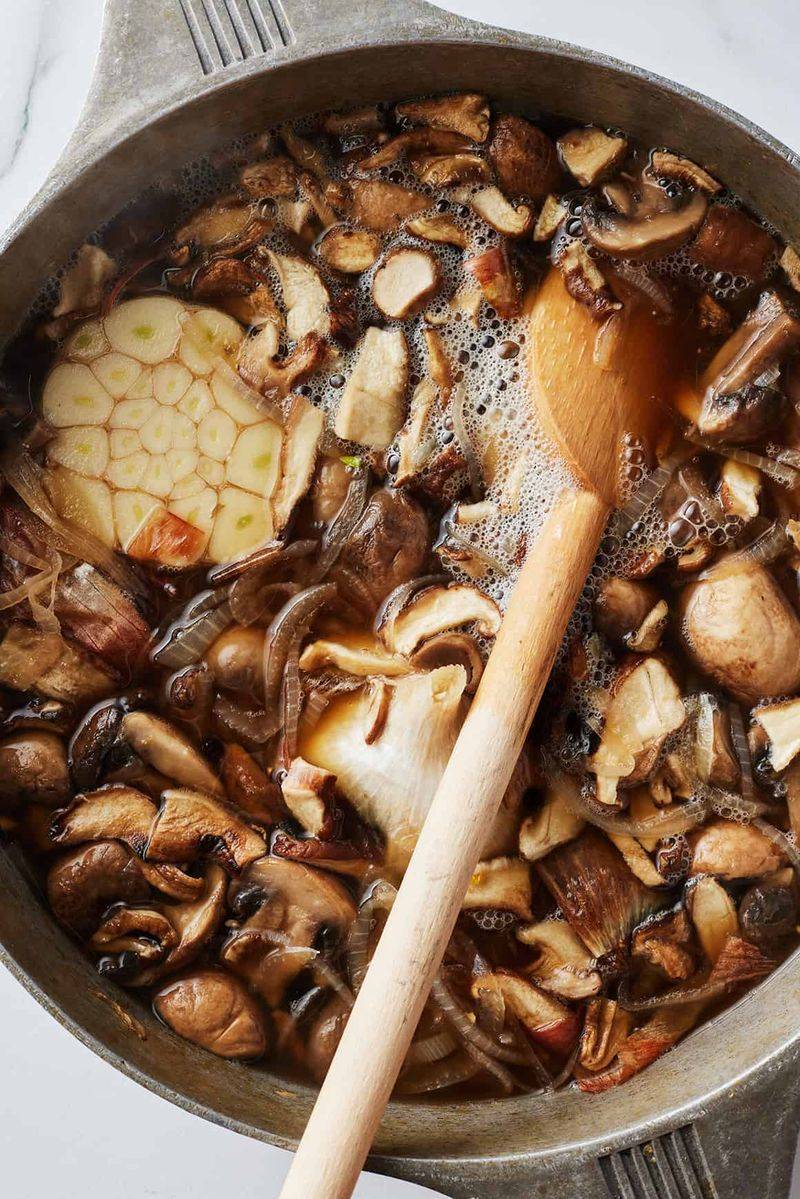
Dried shiitake mushrooms are loaded with glutamates, the natural compounds responsible for that savory, mouth-coating umami flavor. Adding a handful to your broth while it simmers is one of the easiest upgrades you can make with almost no extra effort.
The soaking liquid left behind after rehydrating dried mushrooms is pure liquid gold. Pour it right into your broth instead of throwing it away.
This small habit alone can take your ramen from good to genuinely restaurant-level delicious.
7. Chashu Pork Done Right
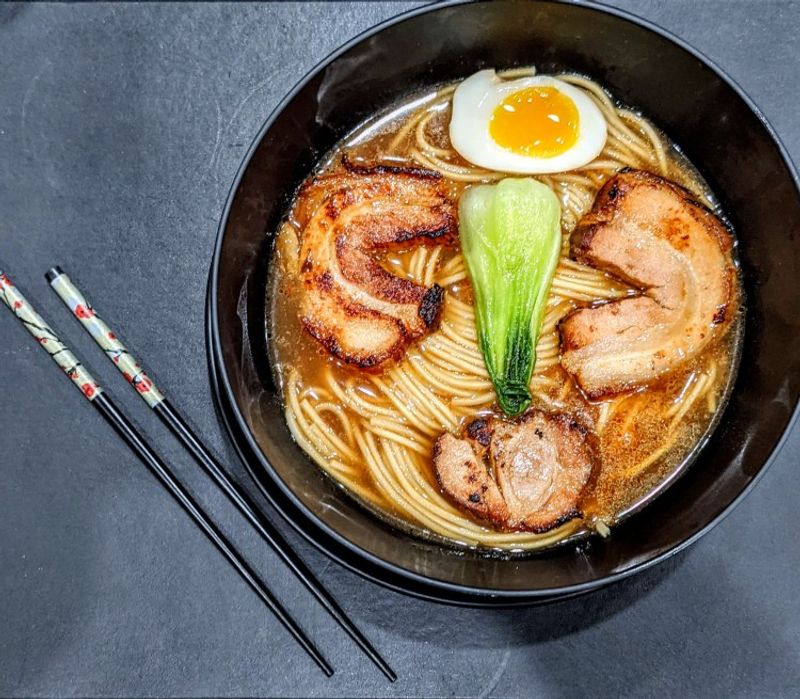
Chashu pork belly is the crown jewel topping of a classic ramen bowl. When done right, it is tender enough to melt on your tongue with a sweet, savory glaze that pairs perfectly with rich broth.
Rolling the pork tightly before braising creates those beautiful pinwheel slices everyone recognizes.
Braise in a mixture of soy sauce, sake, mirin, and sugar for two to three hours. Slice it cold for clean, picture-perfect pieces that warm up beautifully in the hot broth.
8. Add Texture With Bamboo Shoots
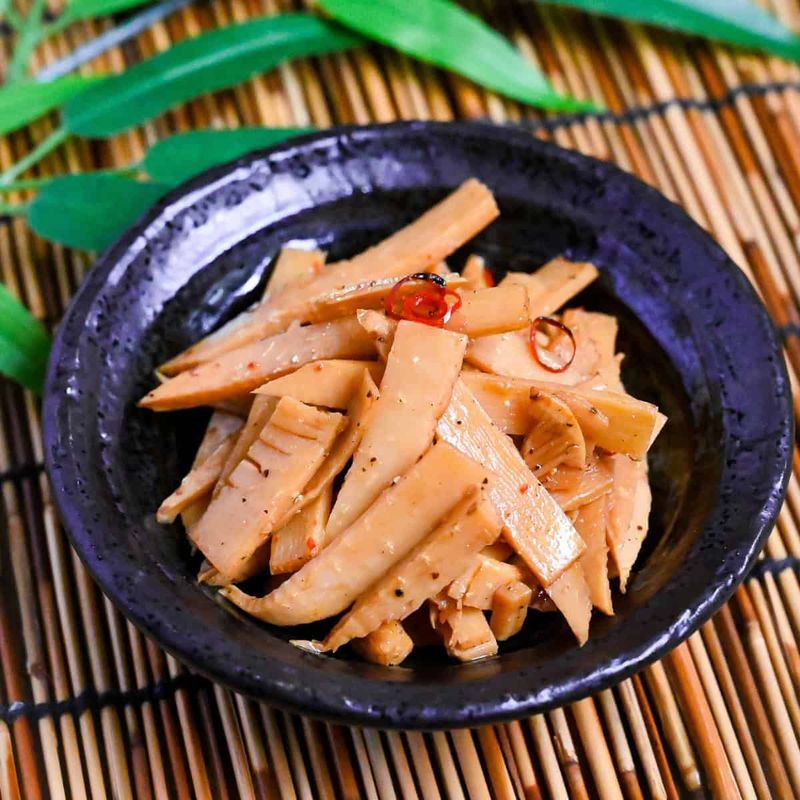
Menma, or seasoned bamboo shoots, bring a crunchy, slightly chewy contrast to the softness of noodles and the richness of the broth. They have a mild, earthy flavor that does not overpower other toppings but adds a satisfying layer of texture to every spoonful.
You can find pre-seasoned menma at most Asian grocery stores. For a homemade version, simmer sliced bamboo shoots in soy sauce, sesame oil, and a pinch of sugar until they soak up the flavor fully.
9. Crispy Nori Adds More Than Just Color
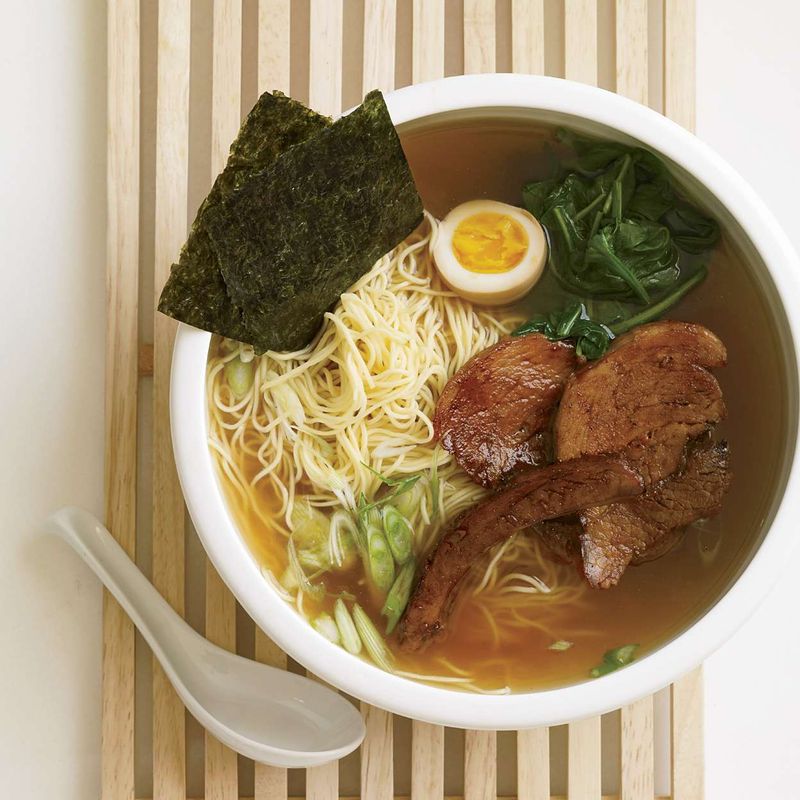
A sheet of nori tucked against the inside of the bowl is not just decoration. As it softens in the broth, it releases a subtle oceanic, savory flavor that blends beautifully with the soup.
It also gives you something to wrap around noodles for a completely different taste experience.
Toast nori briefly over a low flame or in a dry pan to intensify its flavor before placing it in the bowl. This tiny step makes the nori taste noticeably more complex and aromatic.
10. Corn and Butter for a Creamy, Sweet Twist
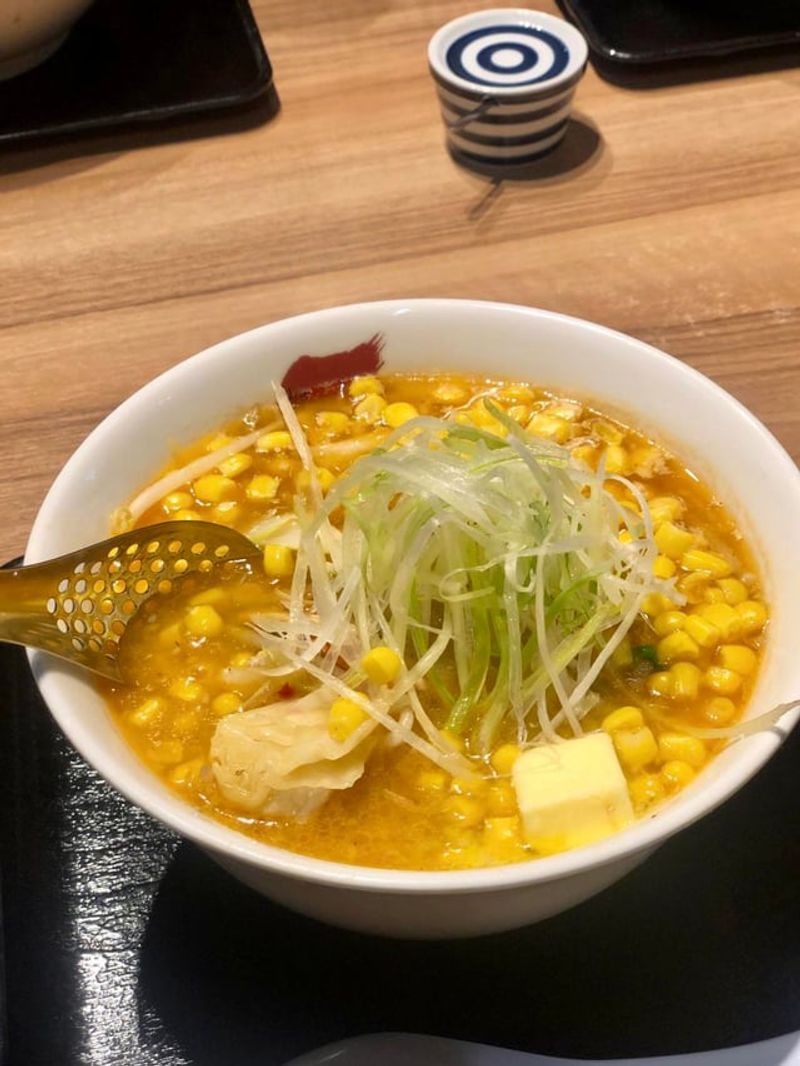
Hokkaido-style miso ramen is famous for its combination of sweet corn and a melting pat of butter on top. The butter slowly melts into the broth, creating a silky, rounded richness that balances the saltiness of the miso perfectly.
It sounds simple, but the result is incredibly indulgent.
Use fresh or frozen corn kernels for the best flavor. A small pat of high-quality unsalted butter placed right in the center just before serving makes every bowl feel special and comforting.
11. Blanched Greens Keep It Fresh and Balanced
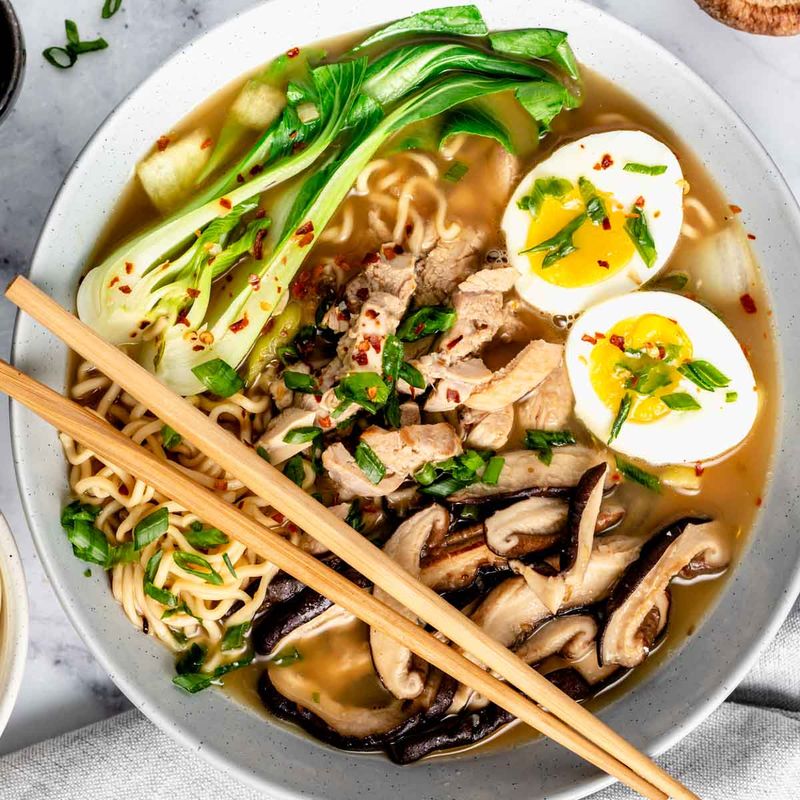
Rich ramen broth needs something fresh and bright to balance all that savory depth. Blanched bok choy, spinach, or chrysanthemum greens add color, a slight bitterness, and a clean flavor that cuts through the heaviness of the soup.
They also boost the nutritional value of the meal significantly.
Blanch greens for only thirty to sixty seconds in boiling water, then transfer immediately to ice water to preserve their vibrant green color. Add them to the bowl just before serving so they stay bright and tender.
12. Toasted Sesame Seeds for Nutty Finish
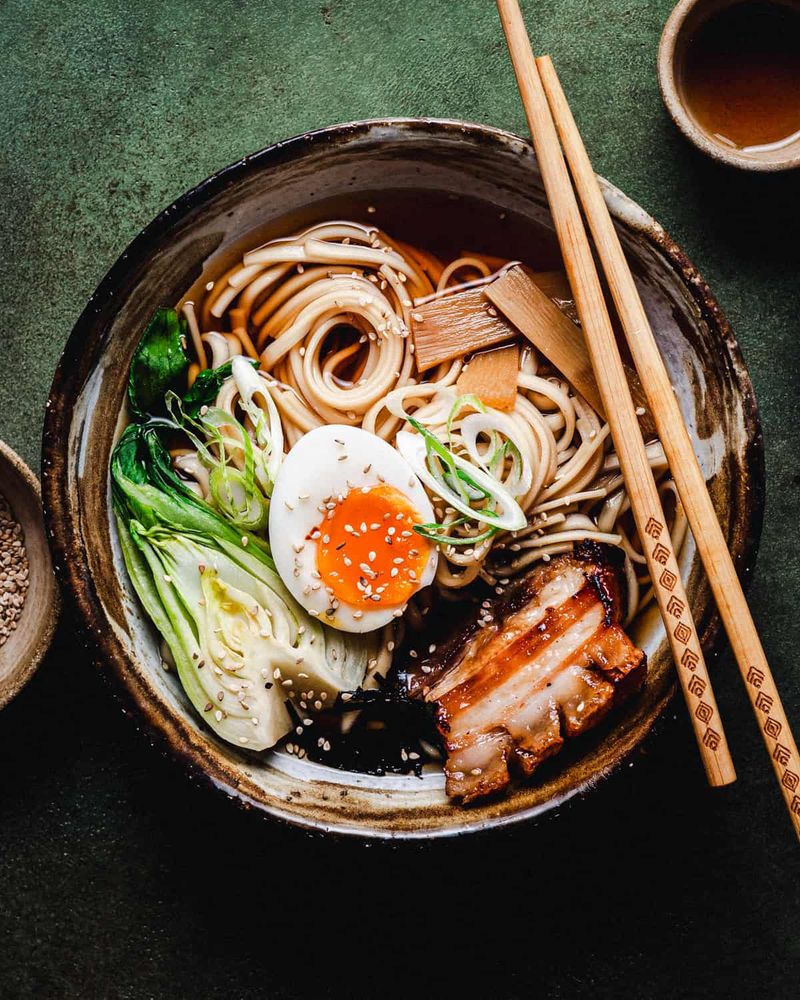
Never underestimate what a sprinkle of toasted sesame seeds can do for a bowl of ramen. They add a subtle nuttiness, a gentle crunch, and a visual finish that makes the bowl look professionally assembled.
It is one of those small details that signals real care and attention.
Toast sesame seeds in a dry pan over medium heat until they turn golden and fragrant. This takes only two to three minutes but dramatically improves their flavor compared to seeds straight from the jar.
13. Scallions Add Freshness in Every Bite
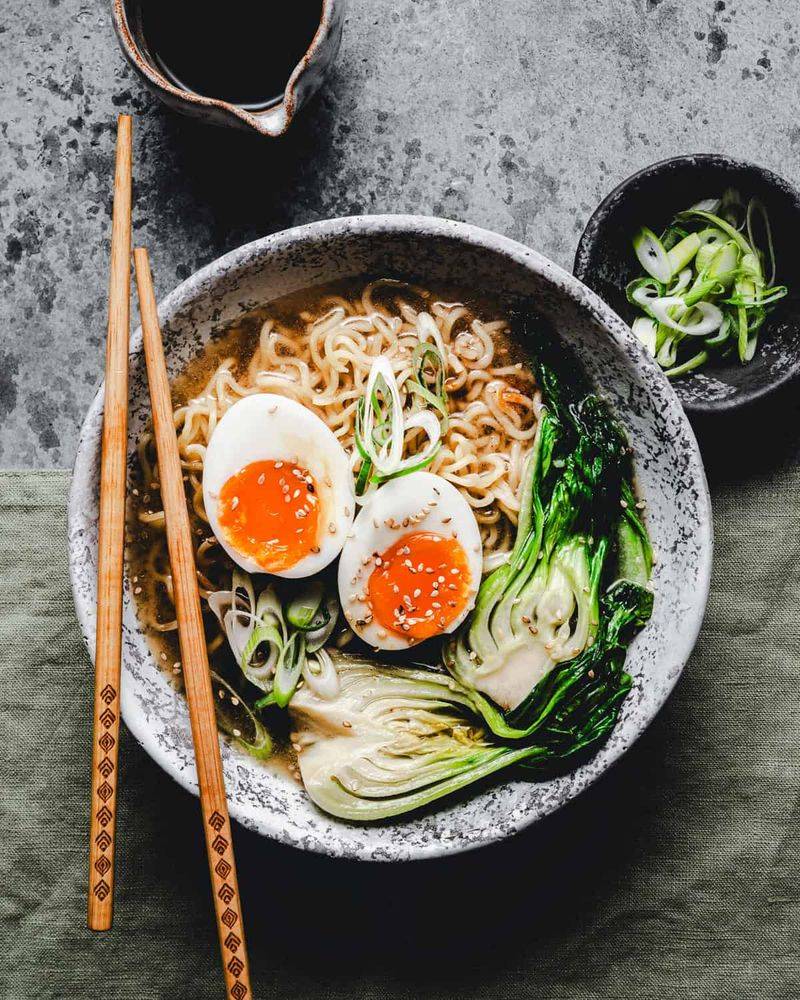
Scallions are one of the most underrated ramen toppings. Sliced thin and scattered generously across the top of the bowl, they add a fresh, mildly sharp flavor that brightens up every spoonful.
They are also visually striking, adding pops of green color to an already beautiful bowl.
For a milder flavor, use only the green tops. If you want a sharper bite, include some of the white parts too.
Either way, always add them right before serving to keep them fresh and crisp.
14. Control Your Bowl Temperature Like a Pro
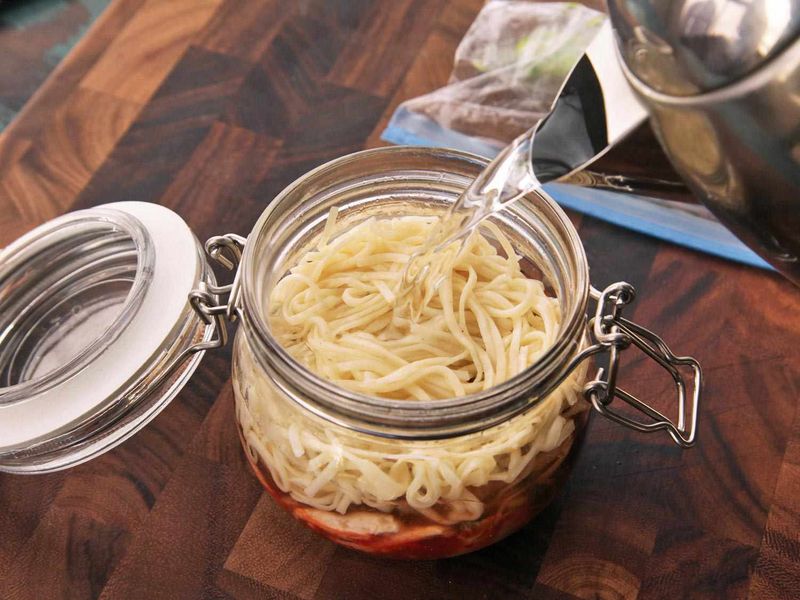
Here is something most home cooks skip entirely: warming the bowl before you fill it. Pouring hot broth into a cold bowl drops the temperature of your ramen almost immediately, making it go lukewarm faster than it should.
Restaurants always serve ramen in pre-warmed bowls for exactly this reason.
Simply fill your bowl with hot water from the tap or the kettle for about sixty seconds, then dump it out before adding your broth. Your ramen will stay steaming hot all the way to the last slurp.
15. Use Kombu to Deepen the Broth Naturally
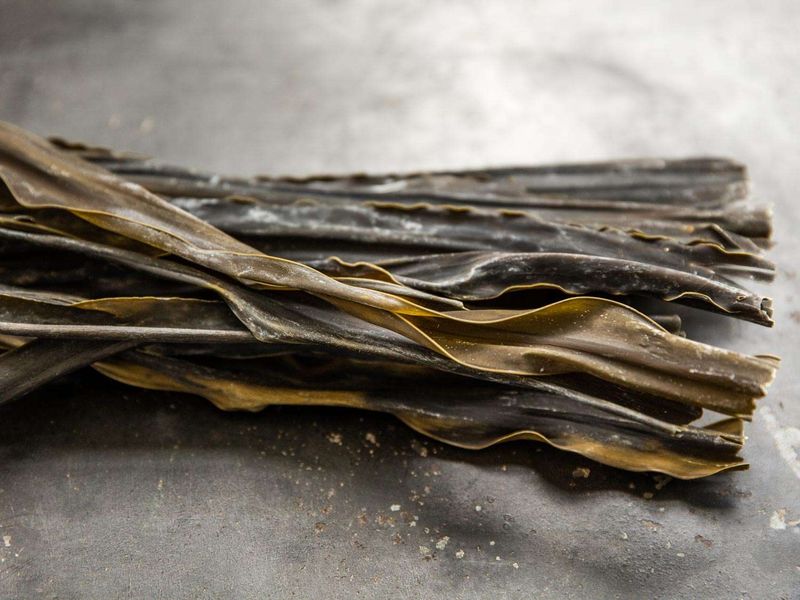
Kombu is a type of dried kelp used in Japanese cooking to create a broth base called dashi. Adding a piece to your ramen broth during the early stages of simmering releases natural glutamates that intensify the savory, umami quality of the soup without adding any extra salt or fat.
Remove the kombu before the broth reaches a full boil to prevent it from turning bitter or slimy. Even a small six-inch piece makes a noticeable difference in how full and rounded the final broth tastes.
16. Finish With a Splash of Rice Vinegar
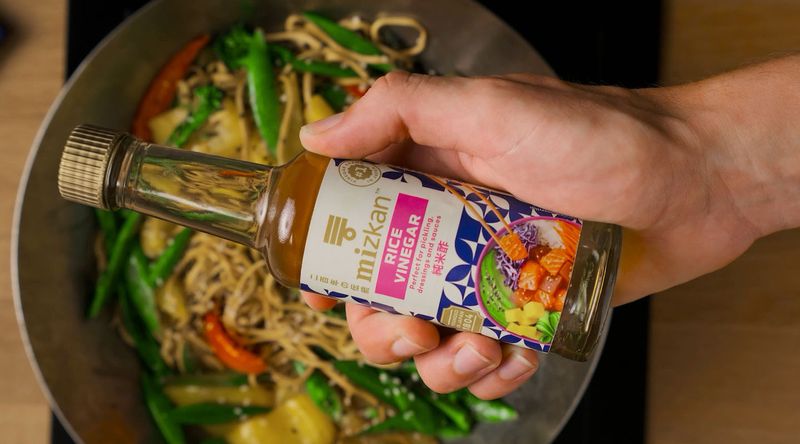
A tiny splash of rice vinegar added right at the end of cooking might sound unusual, but it works like magic. Acid brightens all the other flavors in the bowl and cuts through the heaviness of rich, fatty broths.
You only need about half a teaspoon to make a real difference without making the soup taste sour.
This trick is especially useful for tonkotsu and miso ramen, where the richness can sometimes feel overwhelming. Think of vinegar as the secret reset button for your palate between bites.
17. Assemble Your Bowl in the Right Order
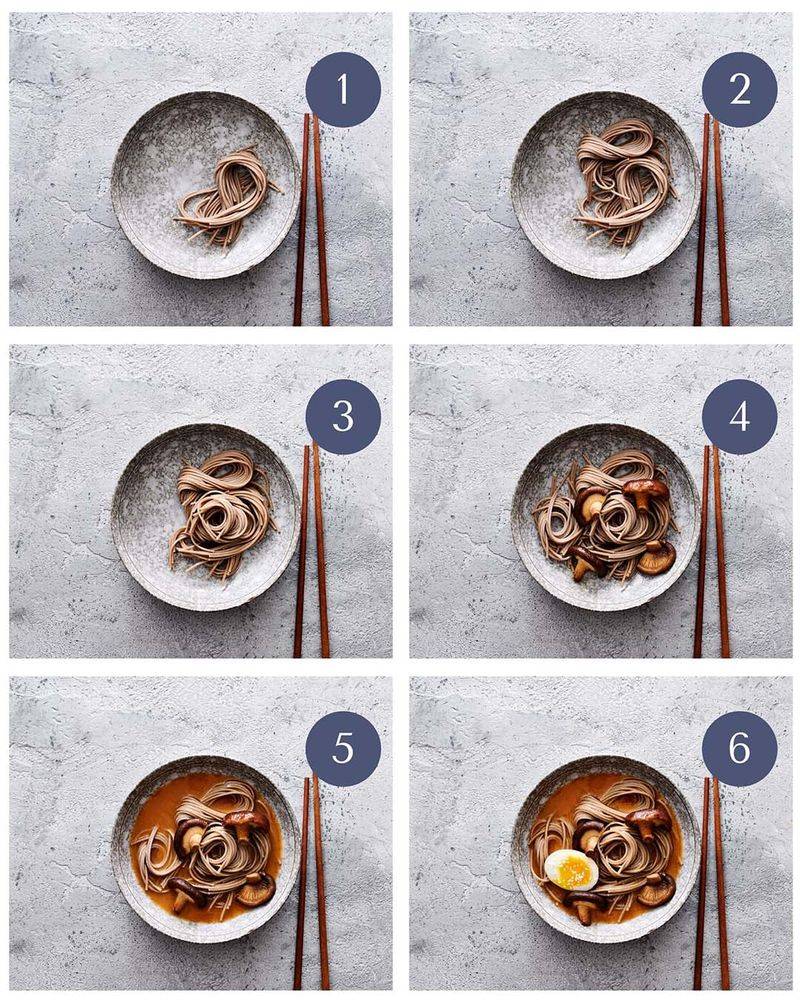
The order in which you build your ramen bowl actually matters more than most people realize. Start by adding your tare to the bottom of the warm bowl, then pour in the hot broth and stir gently to combine.
Add noodles next, then arrange your toppings neatly on top.
Placing toppings with intention makes a huge visual difference. Group similar colors together and leave some of the broth visible so the bowl looks full and inviting.
A beautiful bowl tastes better before you even take the first bite.




Comments
No Comments