











Breakfast looks very different depending on where you are in the world. While some people start their day with cereal and milk, others enjoy spicy soups, fermented beans, or sweet pastries.
The morning meal tells a lot about a culture's history, values, and flavors. Get ready to explore 15 fascinating breakfast traditions that might just inspire your next morning meal.
1. Full English Breakfast - United Kingdom
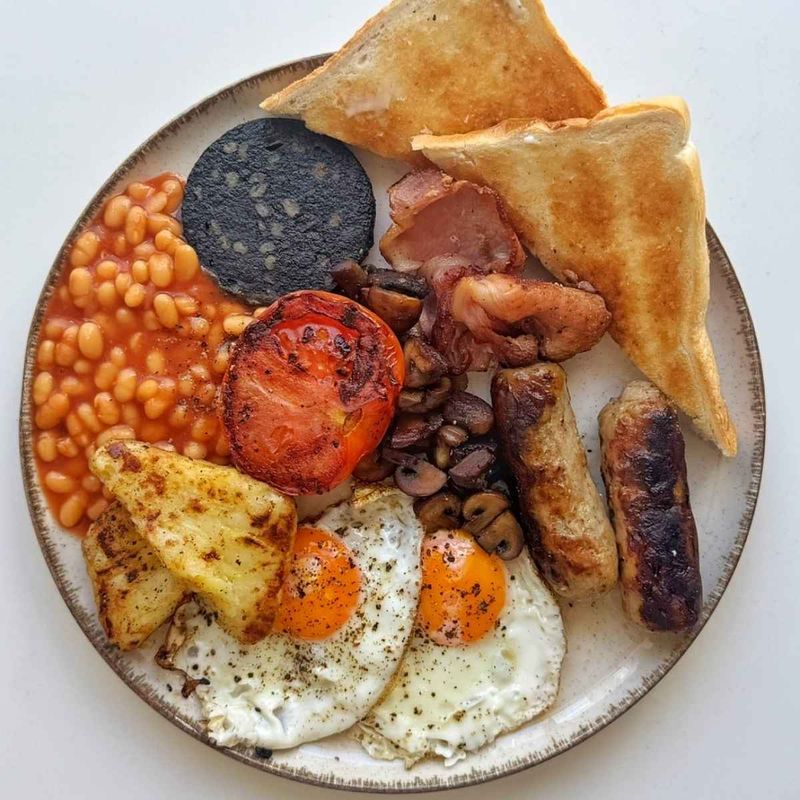
Bacon, eggs, sausages, baked beans, grilled tomatoes, black pudding, and toast all on one plate - that is the legendary Full English breakfast. Known affectionately as a "fry-up," this hearty meal has been a British staple since the 19th century.
It was originally served to wealthy landowners before a long day of activity. Today, it is enjoyed by people from all walks of life, especially on weekends.
Cafes across England proudly serve their own versions of this iconic morning feast.
2. Shakshuka - Middle East and North Africa
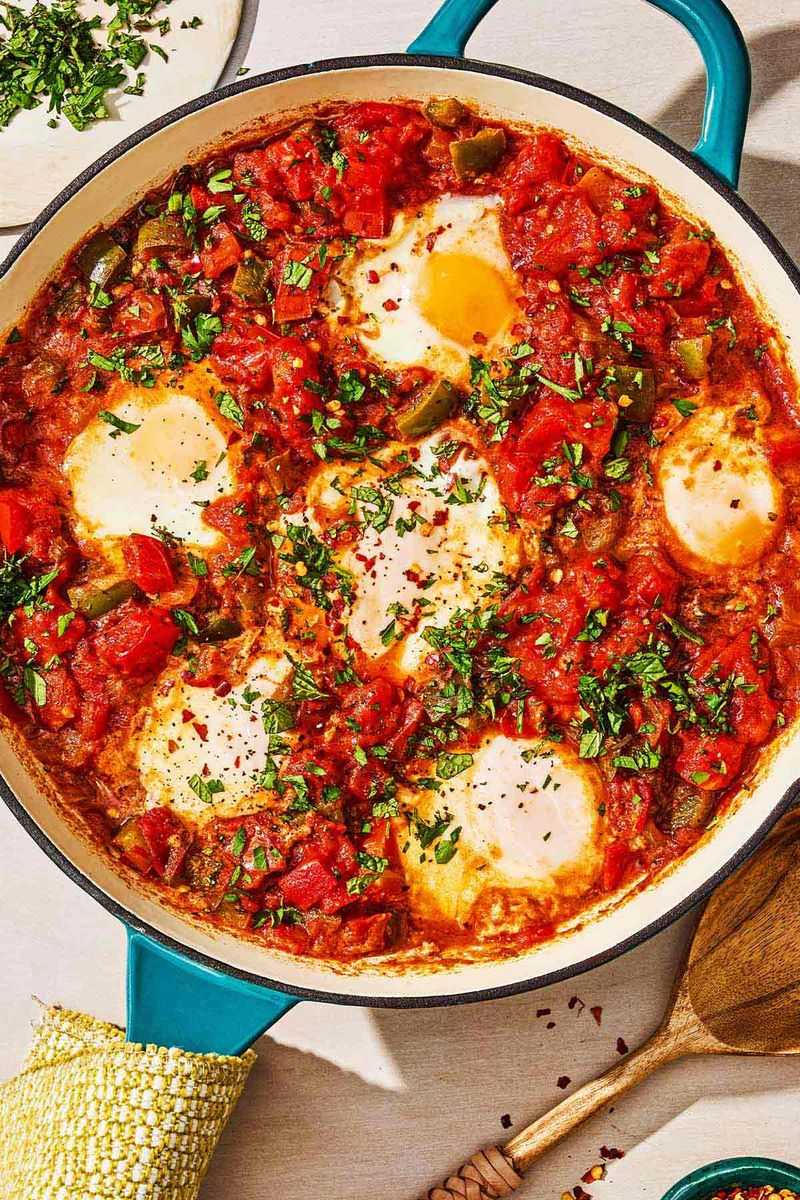
Imagine waking up to the smell of spiced tomatoes and peppers bubbling away on the stove. Shakshuka is a beloved breakfast dish popular across Tunisia, Israel, Morocco, and beyond, made by poaching eggs directly in a savory tomato sauce.
The name comes from an Arabic word meaning "all mixed up." Families often share one big skillet at the table, scooping up the saucy eggs with warm pita bread. Simple ingredients come together to create something truly unforgettable.
3. Natto and Rice - Japan
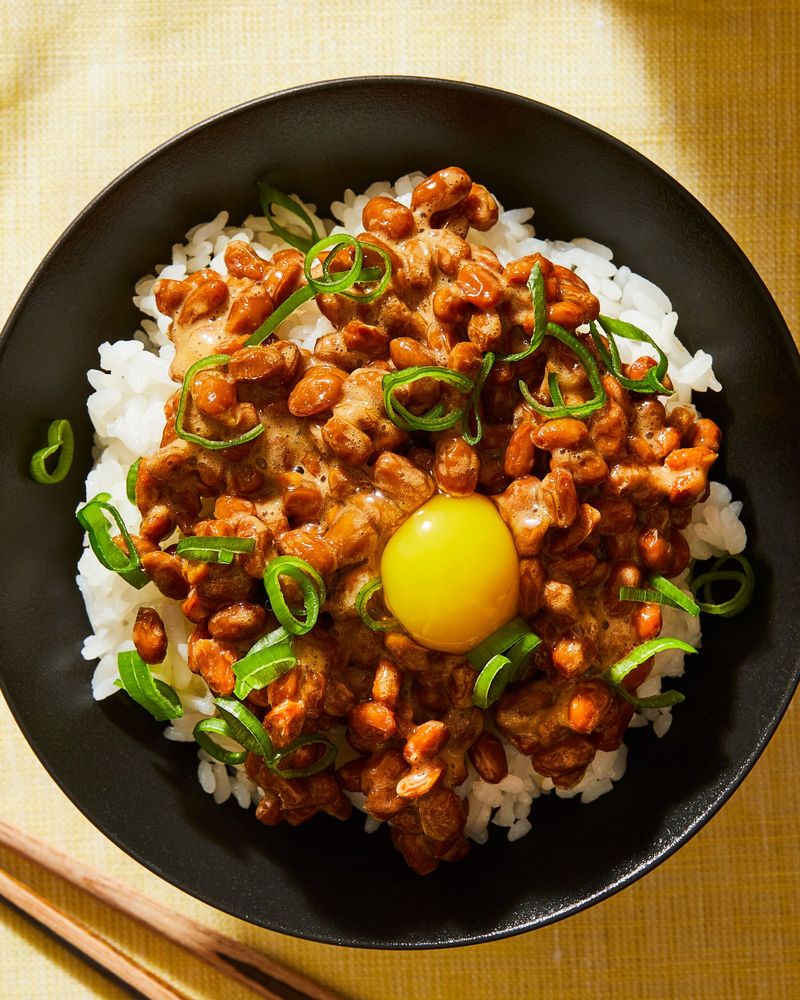
Natto might be one of the world's most polarizing breakfast foods. Made from fermented soybeans, it has a strong smell, a slimy texture, and a nutty, pungent flavor that takes some getting used to.
Despite its unusual qualities, natto has been a Japanese breakfast staple for over a thousand years. It is packed with protein, probiotics, and vitamin K2, making it incredibly nutritious.
Most Japanese people eat it stirred over hot rice with a drizzle of soy sauce and mustard.
4. Arepas - Colombia and Venezuela
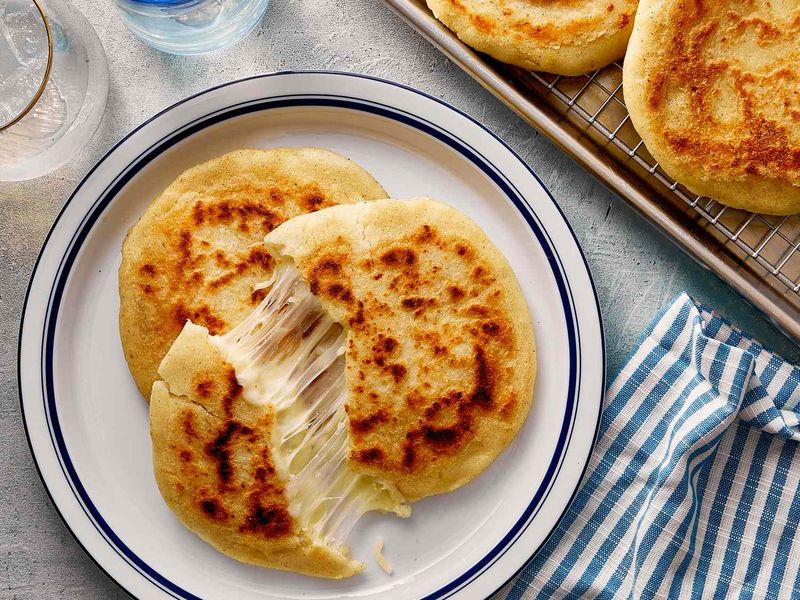
Soft, golden, and endlessly versatile, arepas are round cornmeal cakes that serve as the cornerstone of breakfast in both Colombia and Venezuela. Every family has their own recipe and favorite toppings.
Some prefer them plain with butter, while others stuff them with cheese, eggs, or avocado. The two countries even have a friendly rivalry over whose arepas are better.
Made from ground corn, they are naturally gluten-free and have nourished people in South America for thousands of years before European contact.
5. Congee - China
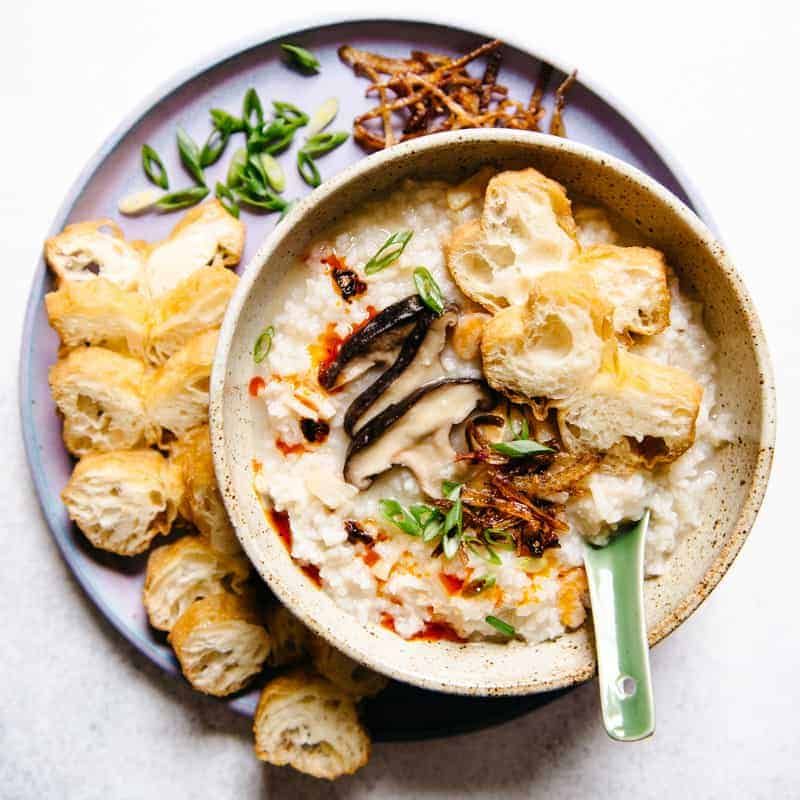
On cold mornings across China, nothing feels more comforting than a warm bowl of congee. This silky rice porridge is cooked low and slow until the grains completely break down into a thick, creamy consistency.
Toppings vary by region and can include century eggs, pickled vegetables, sesame oil, or shredded chicken. Congee is also considered healing food in Chinese culture, often served to people recovering from illness.
Its simplicity is exactly what makes it so deeply satisfying and timeless.
6. Ful Medames - Egypt
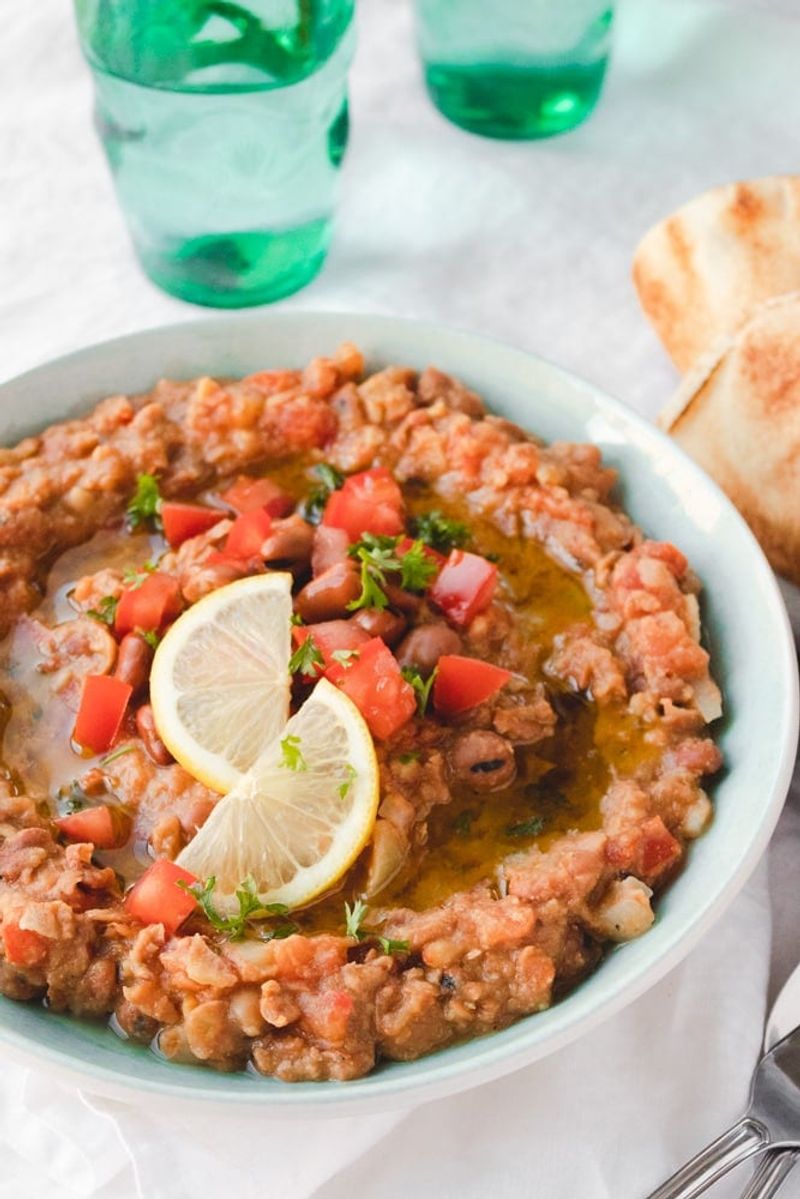
Ful medames has been fueling Egyptians since the time of the pharaohs - and that is not an exaggeration. Archaeological evidence suggests fava beans were eaten in ancient Egypt, making this one of the oldest breakfast foods still enjoyed today.
The dish is made by slow-cooking fava beans and mashing them with olive oil, garlic, lemon juice, and cumin. Street vendors sell it early in the morning wrapped in warm pita.
Rich in plant protein, it keeps people energized through long workdays.
7. Chilaquiles - Mexico
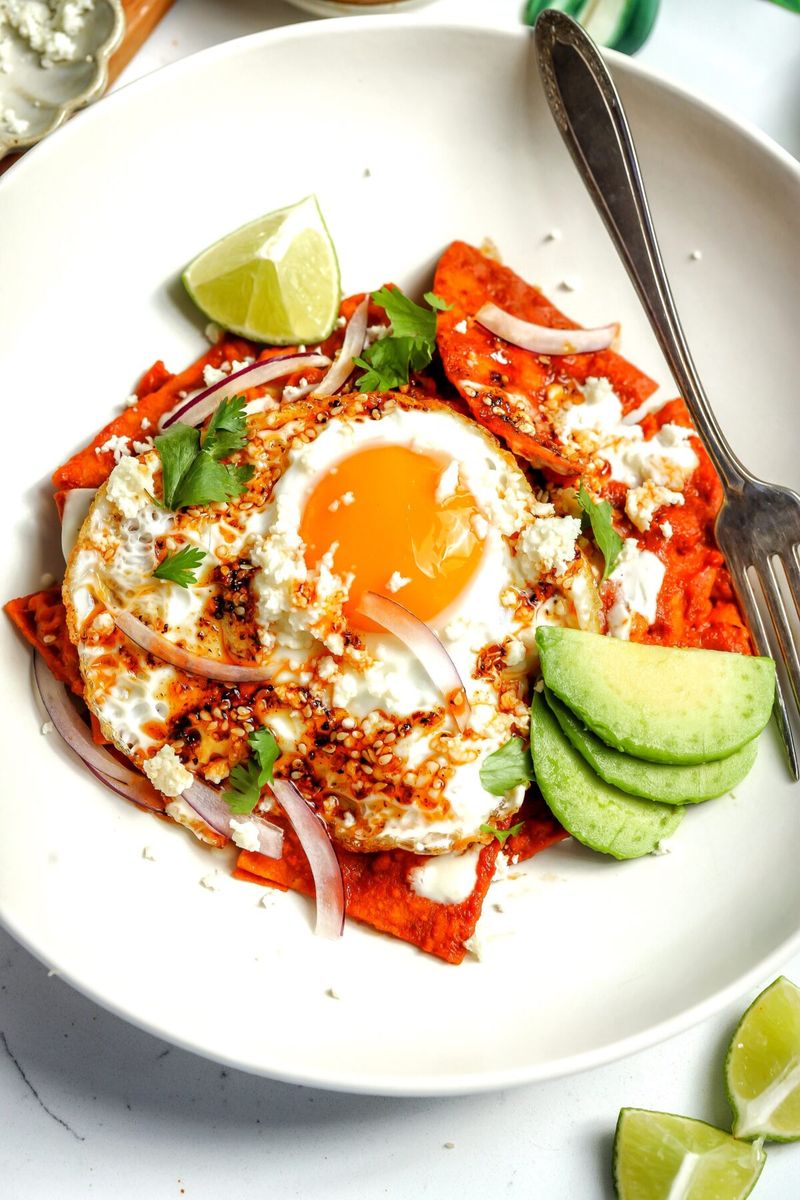
Leftovers never looked so good. Chilaquiles are a beloved Mexican breakfast made from day-old tortilla chips simmered in green or red salsa until they soak up all that spicy, tangy flavor.
Topped with crumbled cheese, sour cream, onions, and a fried egg, this dish is both humble and incredibly satisfying. Many Mexicans swear it is the best hangover cure around.
The name comes from the Nahuatl language and roughly translates to "chilis and greens," pointing to its ancient indigenous roots.
8. Smorbrod - Denmark
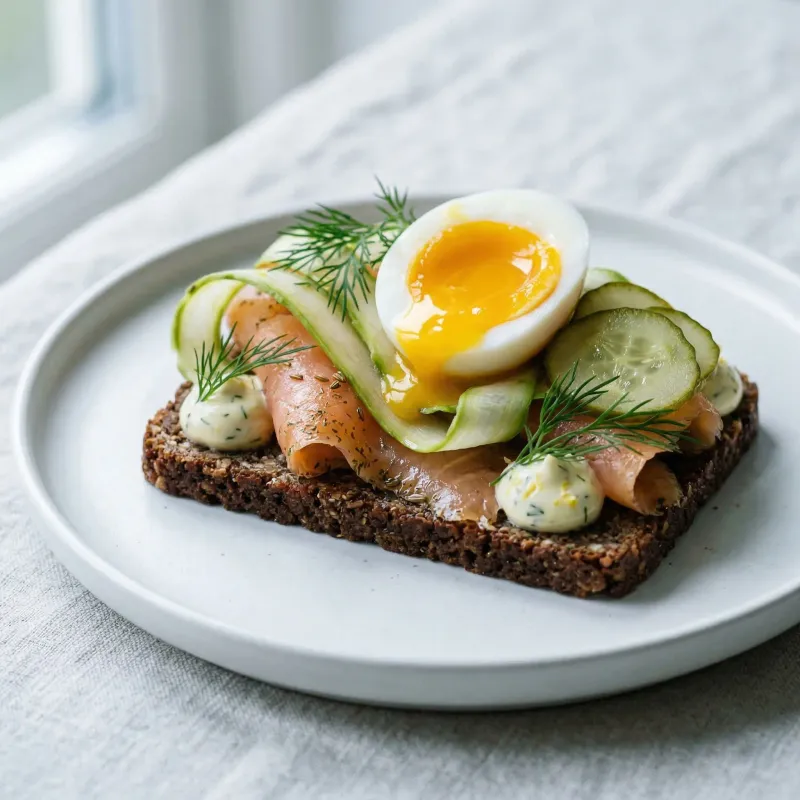
Denmark takes bread seriously, especially at breakfast. Smorbrod, which literally means "butter bread," is an open-faced sandwich built on dense, dark rye bread and layered with beautifully arranged toppings.
Common breakfast versions include smoked salmon with cream cheese, sliced cucumber, or soft-boiled eggs with herbs. The Danish approach to morning food is all about quality ingredients presented with care.
Even on a Tuesday, a smorbrod breakfast looks like something from a food magazine, which says a lot about Danish food culture.
9. Akara - Nigeria
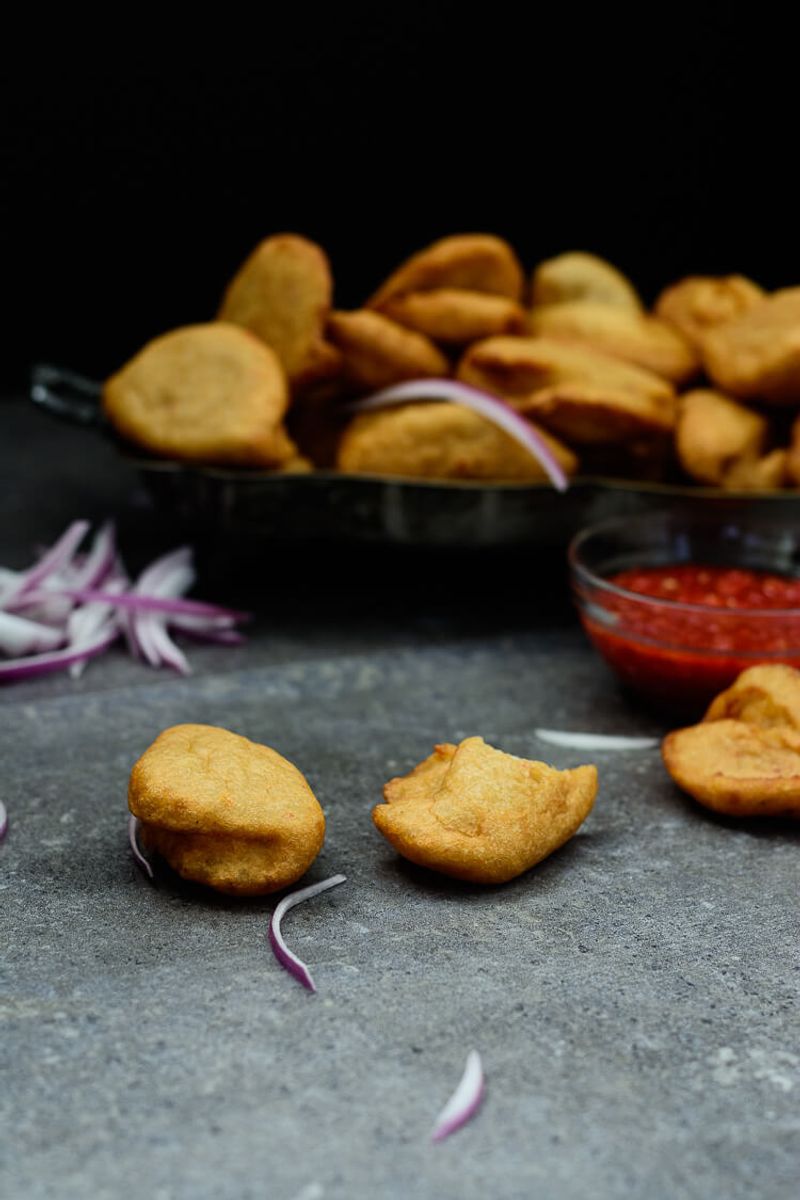
Mornings in many Nigerian households start with the sizzling sound of akara hitting hot oil. These crispy fritters are made from peeled black-eyed peas blended with onions, peppers, and spices, then deep-fried to golden perfection.
Akara is often paired with ogi, a smooth fermented corn porridge, creating a breakfast that balances crunch with creaminess. Street vendors begin selling akara before sunrise, and the aroma draws in neighbors from blocks away.
It is comfort food with deep cultural roots across West Africa.
10. Dim Sum - Hong Kong
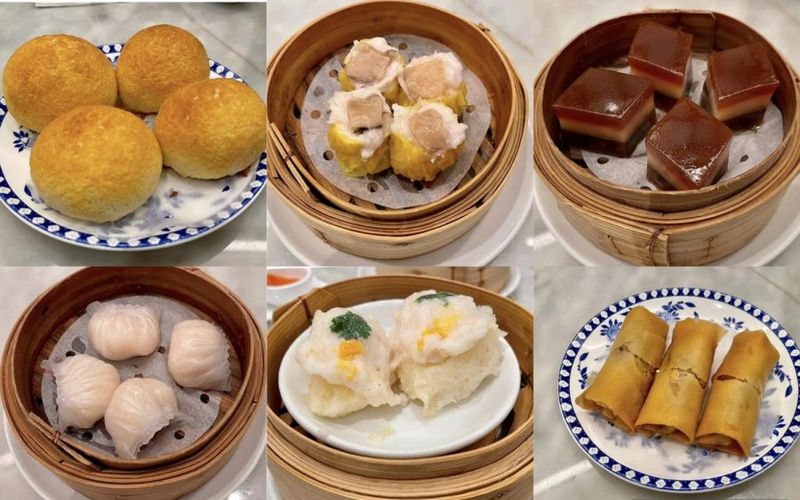
In Hong Kong, Sunday mornings mean one thing: yum cha, which translates to "drinking tea." Families gather at bustling Cantonese restaurants to share steaming bamboo baskets filled with bite-sized dim sum dishes.
From delicate shrimp dumplings to fluffy steamed buns filled with barbecue pork, the variety is endless. The tradition dates back centuries to ancient teahouses along the Silk Road.
Sharing dim sum is less about eating quickly and more about slowing down and connecting with the people you love.
11. Menemen - Turkey
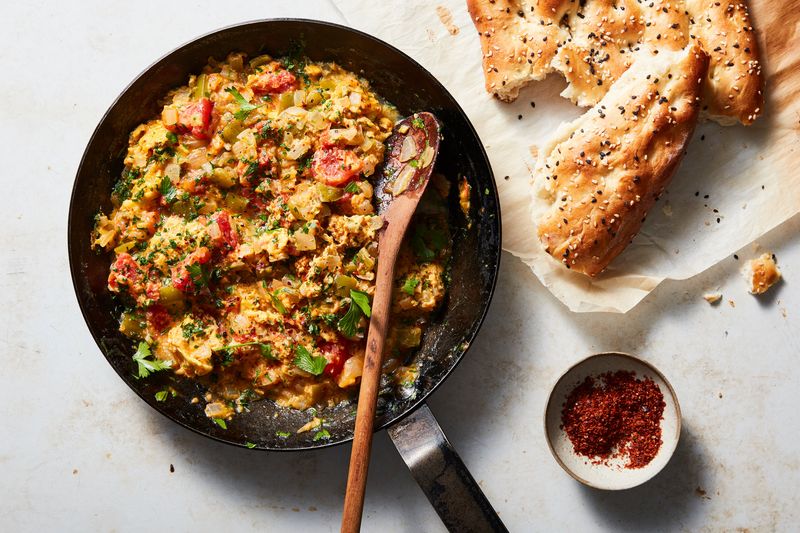
Turkey has a rich breakfast culture, and menemen sits right at the heart of it. This simple scrambled egg dish is cooked with fresh tomatoes, green peppers, and sometimes crumbled white cheese, all in one pan.
Turks are passionate about whether cheese belongs in menemen - it is a genuine debate that sparks friendly arguments at breakfast tables. The dish is named after a small town near Izmir where it is said to have originated.
Served with crusty bread for dipping, menemen is pure morning bliss.
12. Pho - Vietnam
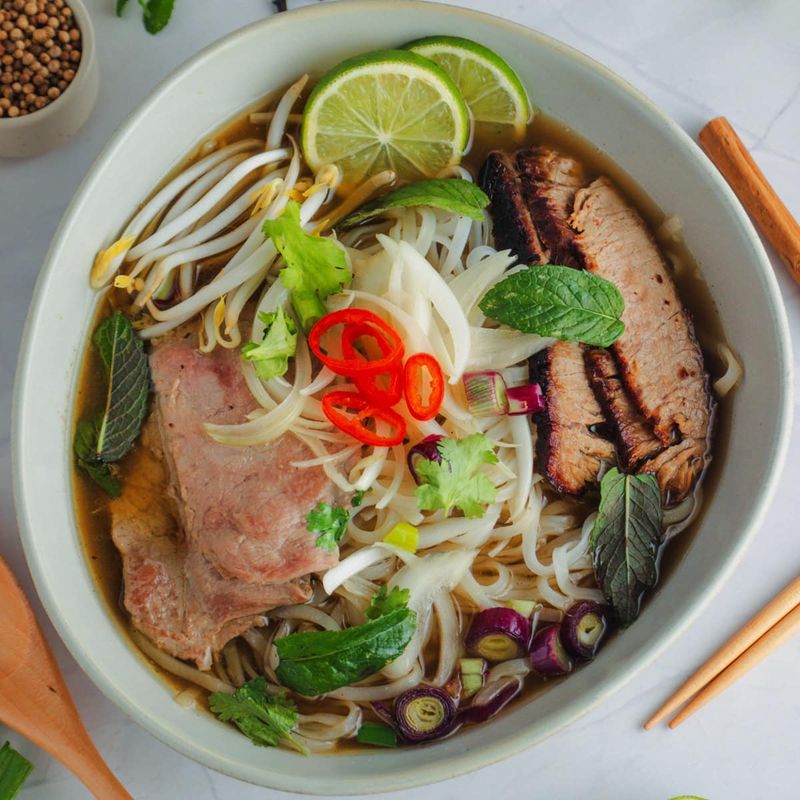
Starting your morning with a steaming bowl of soup might sound unusual, but in Vietnam, pho is the ultimate breakfast. Hanoi street stalls open before sunrise, and locals line up for bowls of fragrant broth that have been simmering overnight.
Rice noodles, paper-thin beef slices, fresh herbs, and a squeeze of lime make every spoonful layered and bright. Pho is more than food - it is a daily ritual, a moment of quiet before the city wakes up fully.
No two bowls taste exactly the same.
13. Rosti - Switzerland
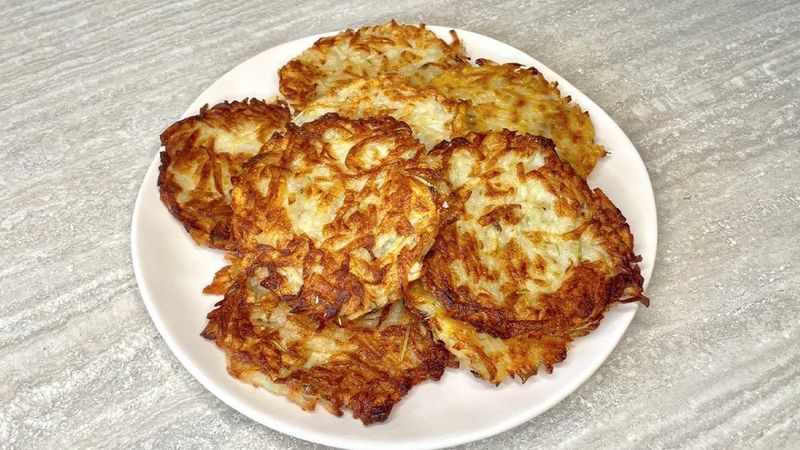
Switzerland does not mess around when it comes to breakfast potatoes. Rosti is a crispy, golden potato cake made by grating raw or parboiled potatoes and pan-frying them in butter until beautifully caramelized on both sides.
Originally a farmer's breakfast in the canton of Bern, rosti was practical, filling, and made from simple ingredients. Today it shows up on menus across the country and beyond.
Topped with a fried egg or smoked salmon, it transforms into something that feels surprisingly elegant for such humble origins.
14. Idli and Sambar - India
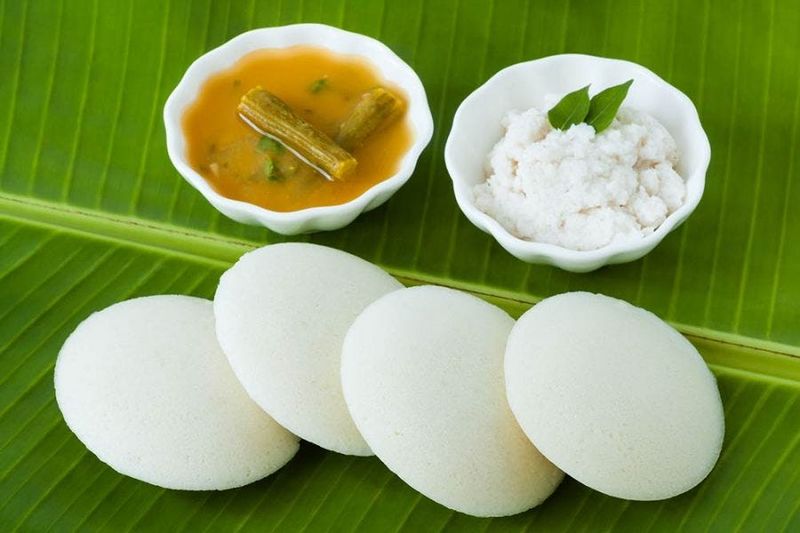
South India wakes up to the gentle, steamy warmth of idli and sambar. Idlis are soft, pillowy rice cakes made from a fermented batter of rice and lentils, steamed to perfection without a drop of oil.
They are served alongside sambar, a tangy lentil soup packed with vegetables and aromatic spices. Coconut chutney usually joins the party too.
This breakfast is light yet filling, nutritious, and naturally vegan. Millions of people across Tamil Nadu, Karnataka, and Kerala eat this combination every single morning without ever getting tired of it.
15. Tamagoyaki and Miso Soup - Japan
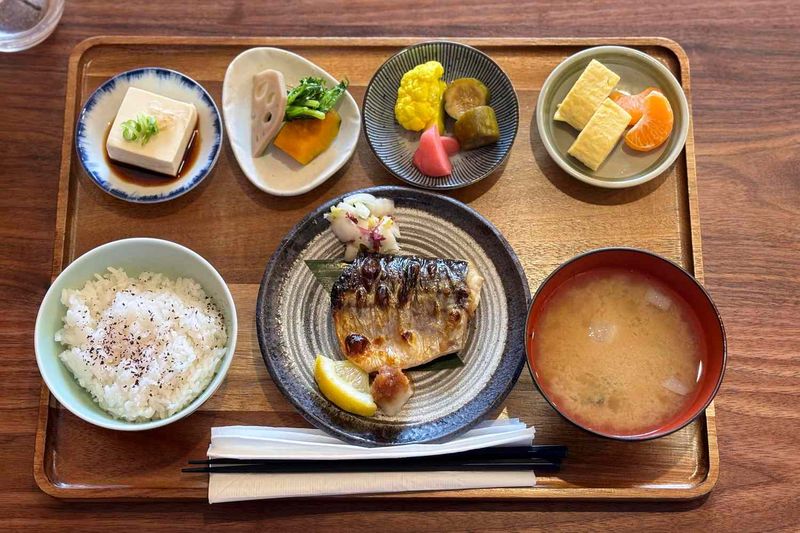
Japan's traditional breakfast is a masterclass in balance. Tamagoyaki is a sweet, layered rolled omelet made by cooking thin sheets of seasoned egg and rolling them together in a rectangular pan, creating a beautiful spiral when sliced.
Paired with miso soup, rice, and pickled vegetables, this breakfast covers every flavor - savory, sweet, sour, and umami. The care that goes into making tamagoyaki reflects a broader Japanese philosophy: even everyday meals deserve attention and respect.
It is morning food elevated to a small art form.
Comments
No Comments