













British desserts have a long history of delicious flavors wrapped in wonderfully bizarre names. From puddings that have nothing to do with pudding to cakes that sound more like fairy tales, the UK knows how to keep things interesting.
Some of these names have roots going back hundreds of years, tied to regional traditions and old-fashioned cooking methods. Get ready to discover 15 classic British treats whose names are just as memorable as their taste.
1. Spotted Dick
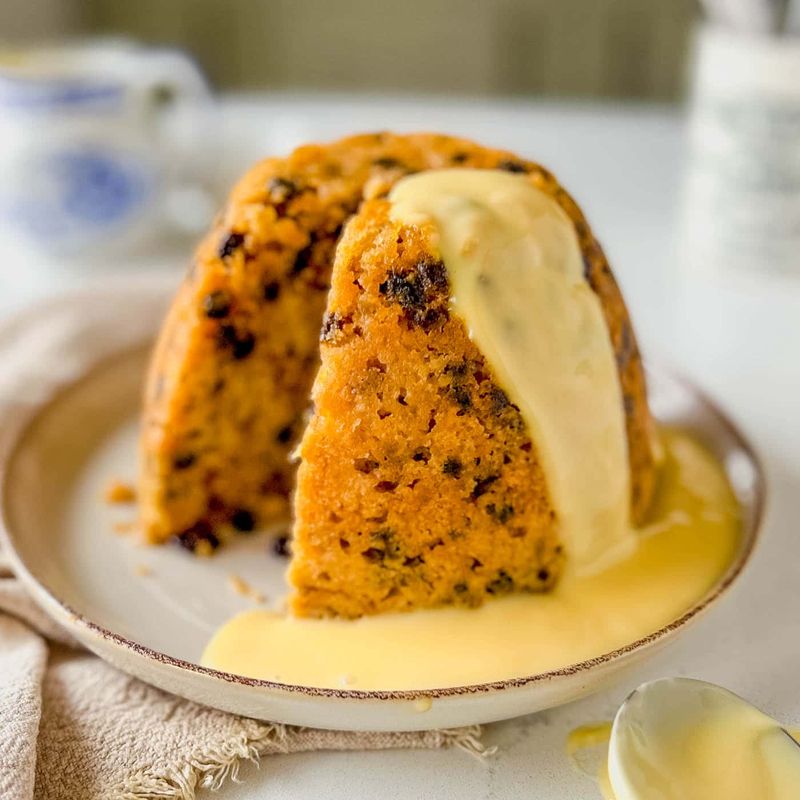
Few dessert names raise more eyebrows than this classic British steamed pudding. Spotted Dick gets its odd name from the dried currants (the "spots") baked into a suet sponge, while "Dick" may come from an old word for dough or pudding.
It has been a British staple since the Victorian era.
Served warm with a river of custard poured on top, it is hearty, sweet, and surprisingly comforting. You can even find it in cans at most UK supermarkets today.
2. Jam Roly-Poly
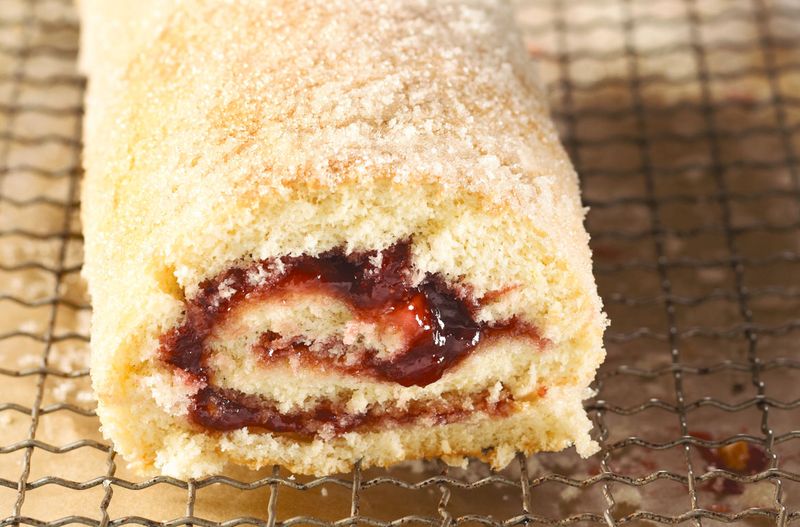
Rolling jam into a suet pastry and steaming it sounds simple enough, but the name Jam Roly-Poly has always made people do a double-take. It dates back to Victorian school canteens, where it earned the equally cheeky nickname "Dead Man's Arm" because of how it was steamed inside a cloth sleeve.
Sticky, sweet, and wonderfully old-fashioned, this pudding is pure nostalgia for most British people. Raspberry jam is the most popular filling, though strawberry works just as beautifully.
3. Eton Mess
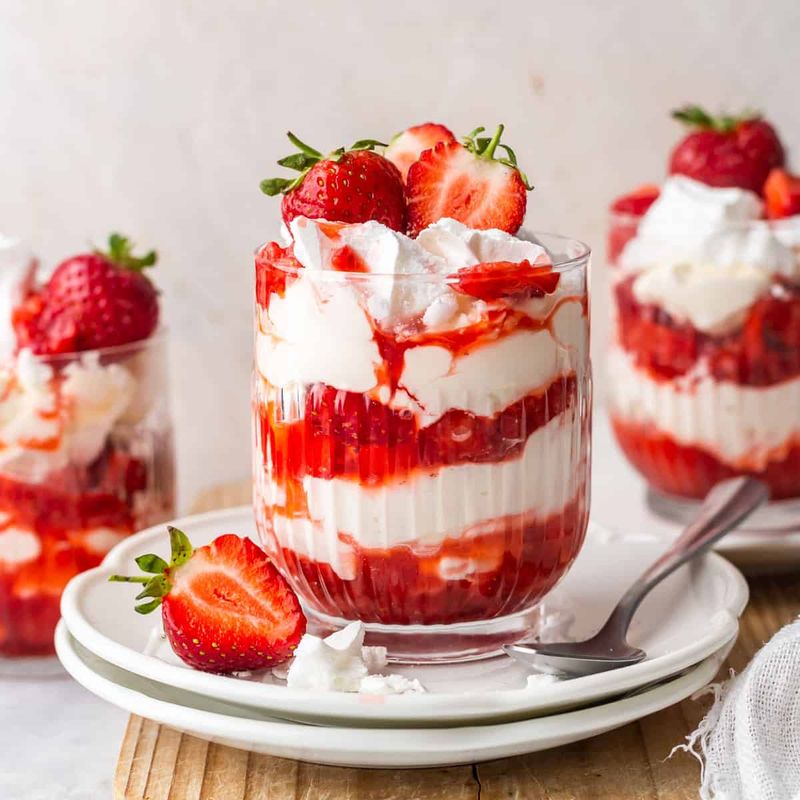
This dessert sounds like something that went terribly wrong in the kitchen, and honestly, that is sort of the story. Eton Mess was supposedly created after a meringue was accidentally crushed at the famous Eton College, and rather than waste it, someone mixed it with cream and strawberries.
The result is a glorious jumble of crunchy meringue, fluffy whipped cream, and juicy fresh strawberries. Messy by design and utterly irresistible, it remains one of the most beloved British summer desserts around.
4. Toad in the Hole
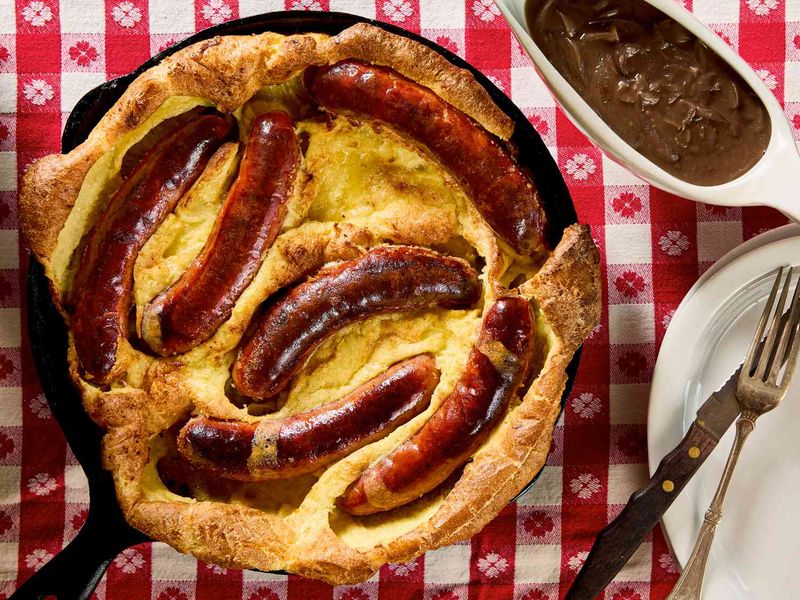
Technically a savory dish, Toad in the Hole has inspired so many sweet versions that it earns its place here. The name paints a vivid picture of little sausages peeking out of golden Yorkshire pudding batter like toads poking their heads from mud holes.
Sweet adaptations often swap sausages for fruit or chocolate. The original name, however, remains one of the most imaginative in all of British cooking history, and it has been used since at least the 18th century.
5. Clootie Dumpling
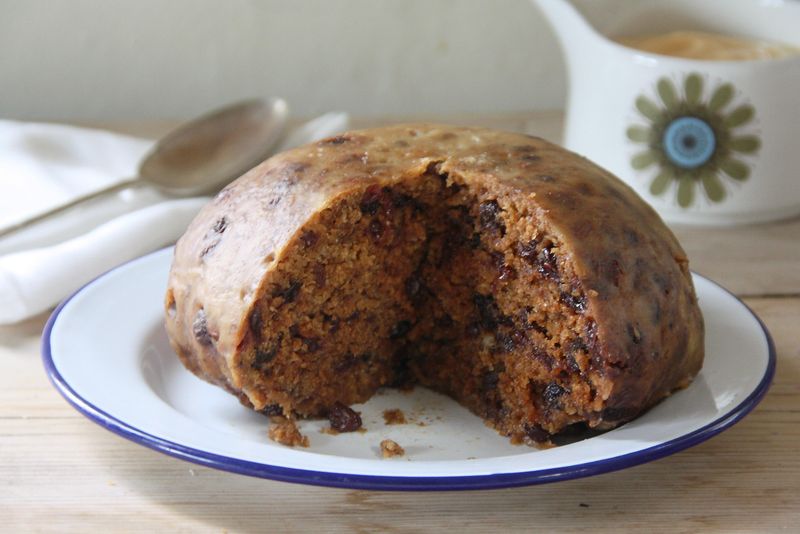
Scotland brings its own brand of wonderfully weird dessert names, and Clootie Dumpling is perhaps the most charming. "Clootie" is the Scots word for cloth, because this spiced fruit pudding is literally wrapped in a damp cloth and boiled for hours until it forms a dark, satisfying skin on the outside.
Packed with dried fruits, spices, and treacle, it tastes deeply warming and rich. Traditionally served at Christmas and New Year, slices are sometimes fried the next morning for breakfast.
6. Bread and Butter Pudding
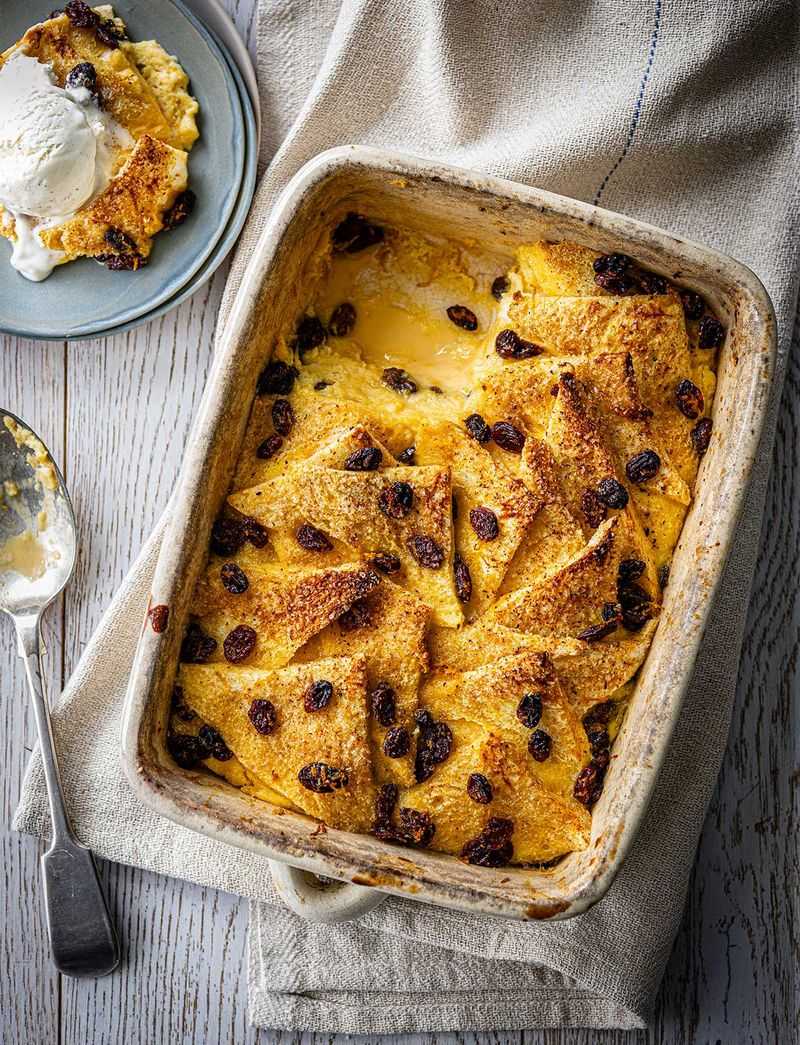
Straightforward in ingredients but oddly literal as a name, Bread and Butter Pudding transforms stale bread into something magical. British cooks have been making this thrifty dessert for centuries as a clever way to use up leftover bread rather than throw it away.
Layers of buttered bread are soaked in a creamy egg and milk custard, then baked until golden and puffed. Adding raisins, marmalade, or even chocolate chips turns this humble dish into something truly special and crowd-pleasing.
7. Treacle Sponge
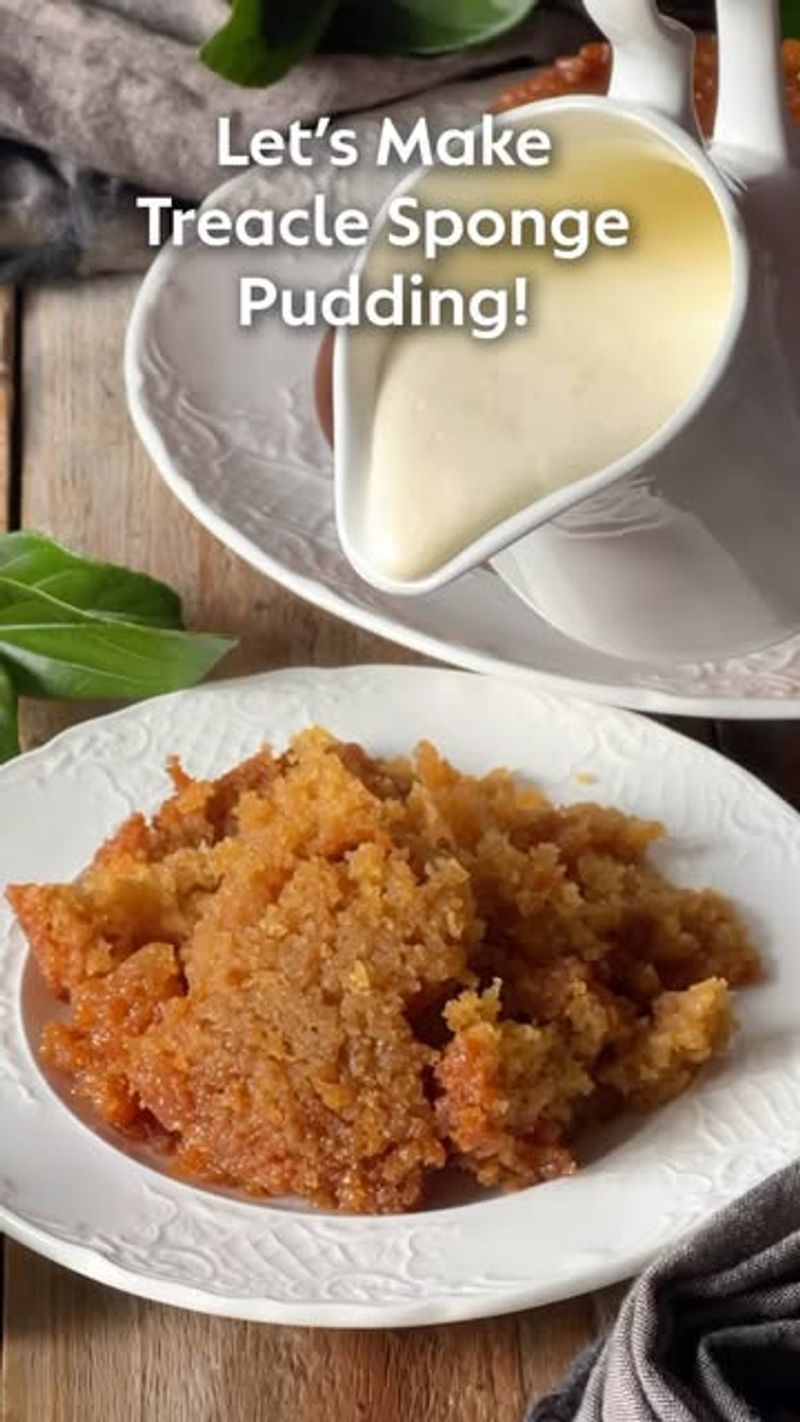
Dark, sticky, and wonderfully indulgent, Treacle Sponge is one of those British puddings that sounds like it belongs in a storybook. "Treacle" refers to black treacle or golden syrup, both thick, sweet syrups with a rich molasses-like flavor that seeps into every layer of the sponge.
Steamed in a pudding basin for hours, the result is an incredibly soft and moist cake. Poured with extra golden syrup at the table, it is the kind of dessert that makes cold winter evenings feel wonderfully cozy and worthwhile.
8. Syllabub
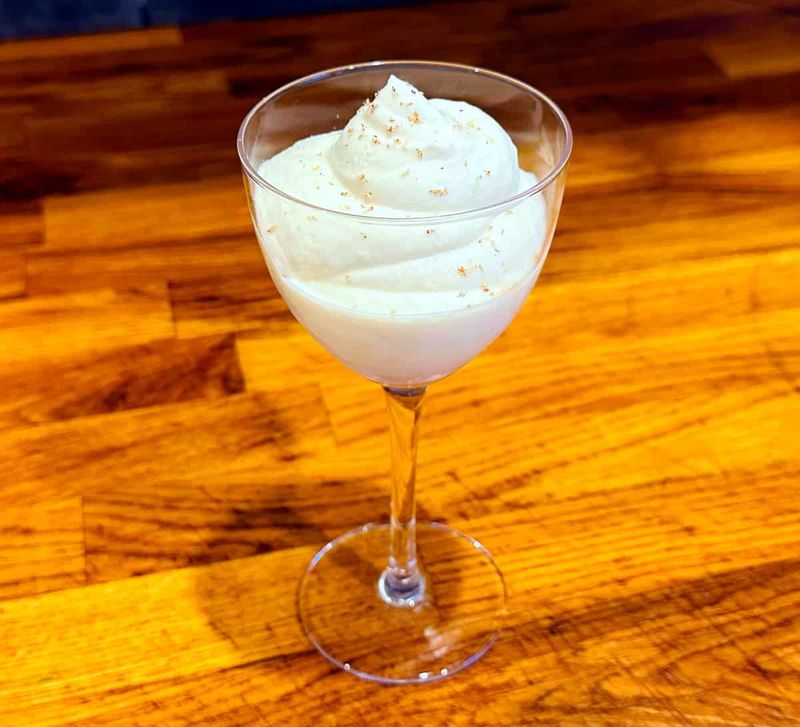
With a name that sounds like it was invented by a toddler, Syllabub is actually one of England's oldest and most sophisticated desserts. Dating back to the 16th century, it was originally made by milking a cow directly into a bowl of cider or ale, creating a frothy, boozy treat.
Modern versions whip cream with white wine, lemon juice, and sugar into a light, mousse-like dessert. Served chilled in elegant glasses, it is refreshing and surprisingly rich all at once.
9. Flummery
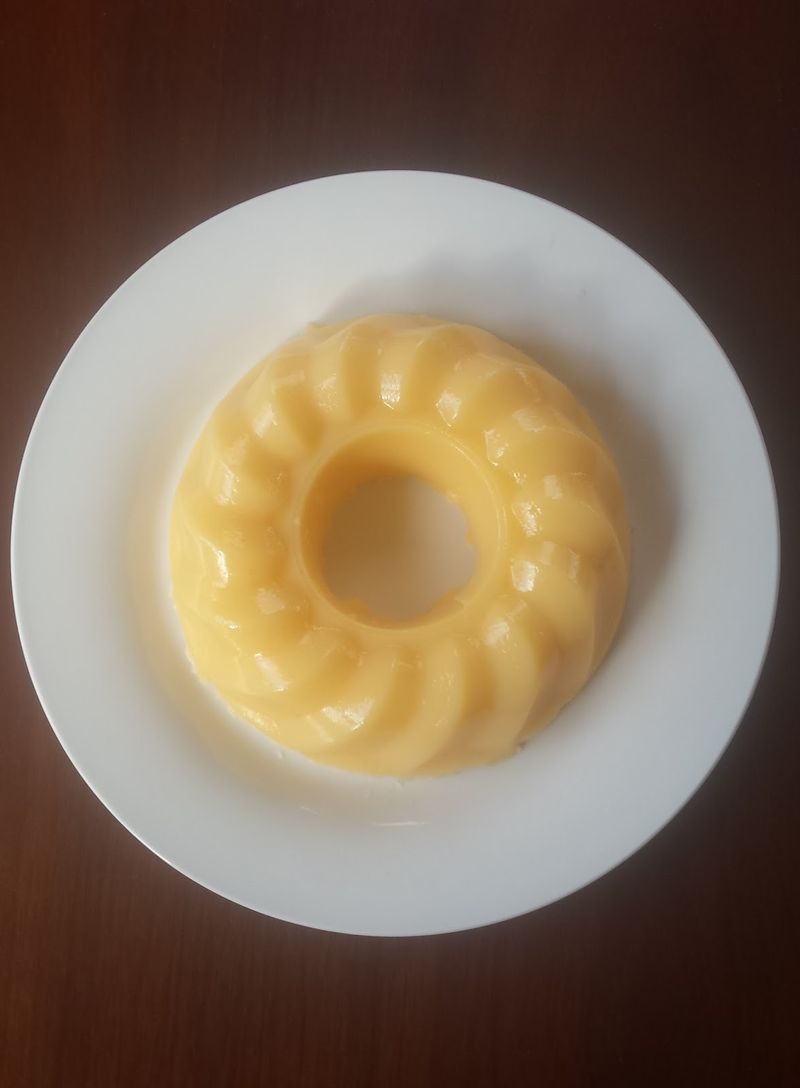
"Flummery" sounds like something you would say when you cannot think of the right word, but it is actually a real and rather ancient British dessert. In its earliest Welsh and English forms, it was a wobbly, oat-based jelly.
Later versions became a sweet almond-flavored cream set in decorative molds.
By the 18th century, flummery had become a fashionable dinner party showpiece. Today it is rarely made, but food historians love it as a delightful window into old British culinary traditions.
10. Figgy Pudding
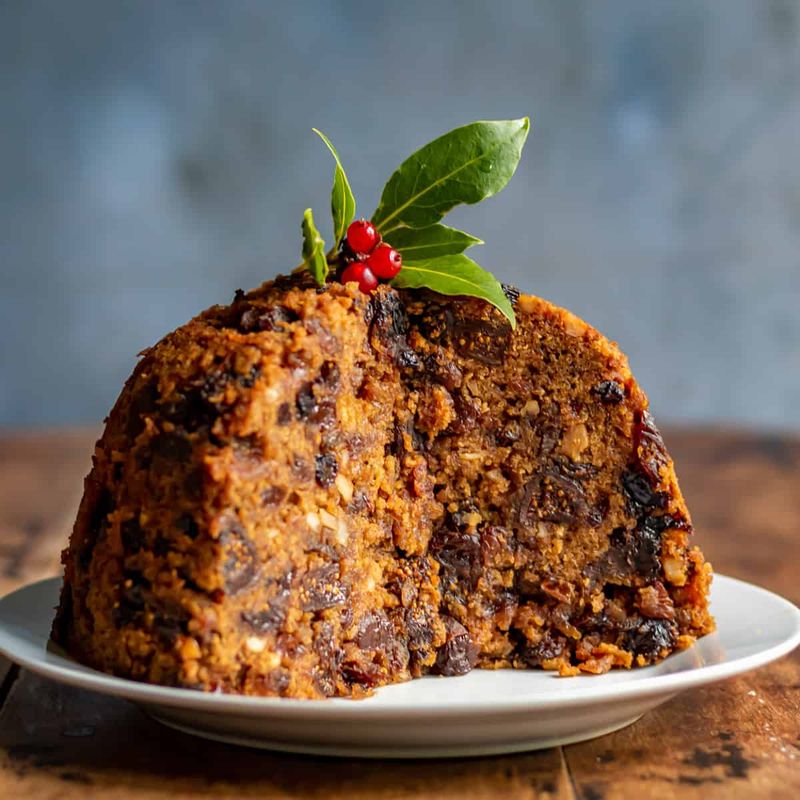
Made famous by the Christmas carol "We Wish You a Merry Christmas," figgy pudding is one of those desserts most people have heard of but few have actually tasted. It is a dense, steamed pudding made with dried figs, spices, breadcrumbs, and suet, similar in style to Christmas pudding.
The name alone carries centuries of festive tradition. Served warm and sometimes flamed with brandy, figgy pudding fills the kitchen with the most incredible holiday aroma imaginable.
It is absolutely worth tracking down a recipe.
11. Gooseberry Fool
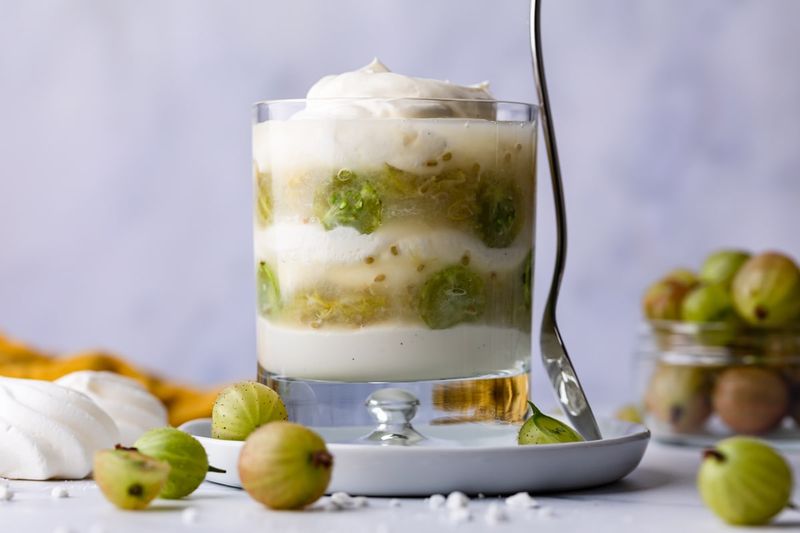
Calling a dessert a "fool" might not seem like a great marketing strategy, but this classic British treat has been winning people over for centuries. The name likely comes from the French word "fouler," meaning to crush or press, which is exactly what you do to the gooseberries before folding them into cream.
Sharp, tangy gooseberries balanced with sweet whipped cream create a flavor combination that is surprisingly refreshing. It is one of the simplest British desserts to make at home, requiring very little effort for maximum reward.
12. Wet Nelly
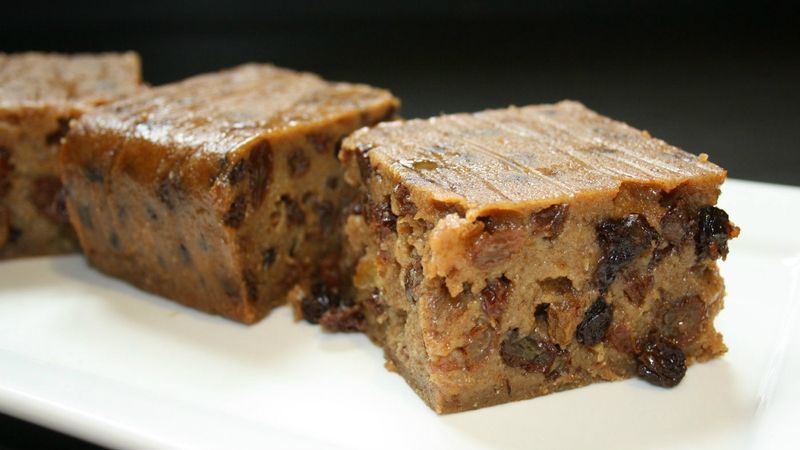
Only Liverpool could give a dessert a name this brilliantly blunt. Wet Nelly is a traditional Merseyside bread pudding made from soaked stale bread, dried fruit, spices, and fat, baked into a dense and satisfying slab.
Some say it was named after a real woman named Nelly who sold it from a market stall.
Sticky, filling, and completely unpretentious, it has been a working-class favorite in the city for generations. Finding it today takes a bit of searching, but it is absolutely worth the effort.
13. Whim Wham
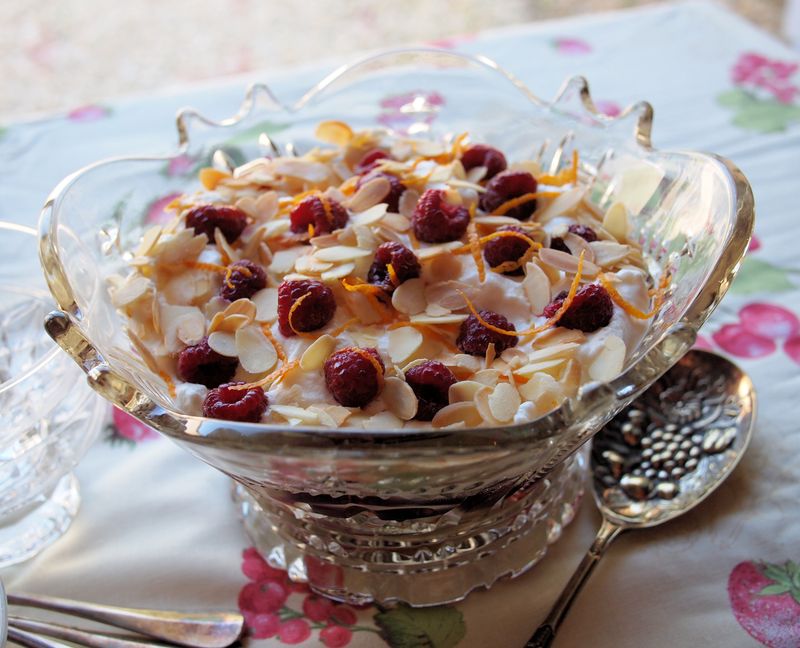
Whim Wham sounds like a sound effect from a cartoon, but it is actually a charming Scottish trifle-like dessert with a long history. First recorded in the 18th century, it layers sponge fingers soaked in wine with whipped cream, candied orange peel, and sometimes almonds.
The playful name is thought to reflect the lighthearted, fanciful nature of the dessert itself. It was considered a fun, festive treat for celebrations.
Whim Wham never really disappeared in Scotland, where old recipes still pop up in traditional cookbooks.
14. Roly Poly Pudding
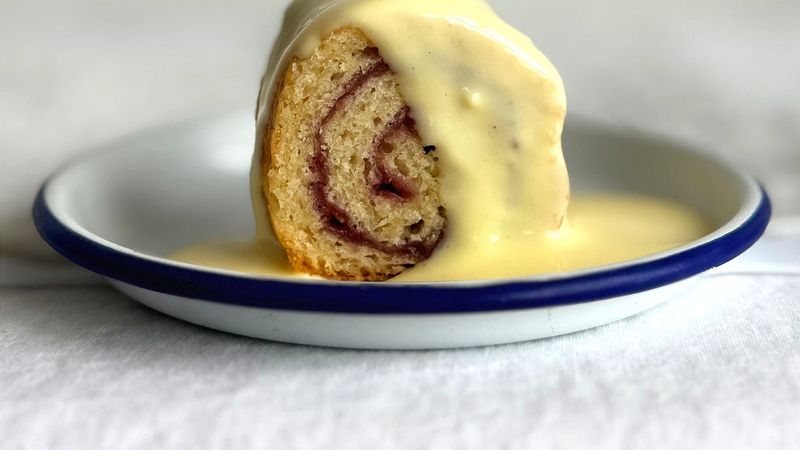
Not to be confused with its jam-filled cousin, Roly Poly Pudding is a broader term for any British steamed or baked suet roll with a sweet filling. The name itself is pure fun, conjuring images of something round, bouncy, and endlessly cheerful.
Beatrix Potter even used it as a character name in her beloved children's stories.
Different regions fill theirs with jam, mincemeat, or golden syrup. Steamed versions are softer and more pudding-like, while baked ones develop a slightly crisp, golden exterior that is equally satisfying.
15. Blancmange
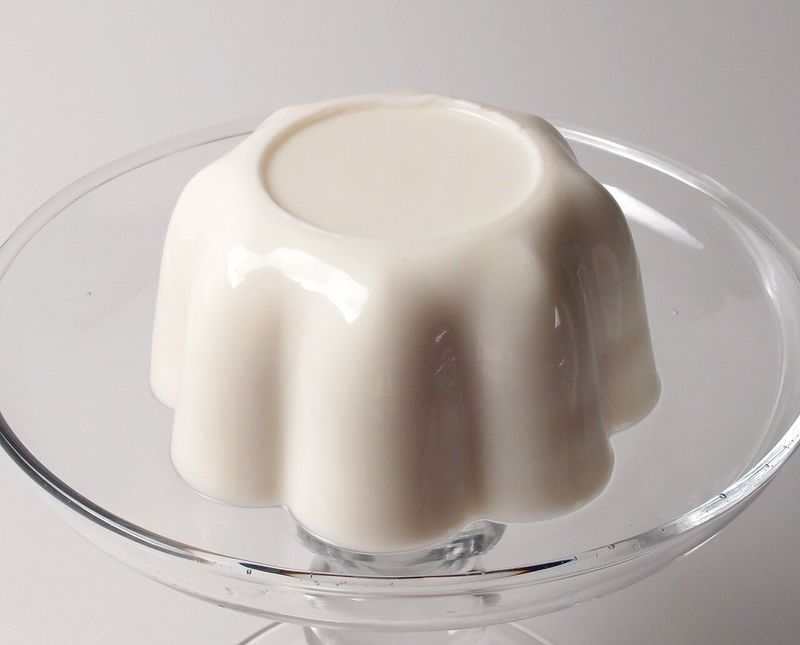
Blancmange looks and sounds like something from a haunted Victorian dinner party, and in many ways, it fits that description perfectly. The name comes from the French for "white food," and this pale, wobbly milk-based jelly has been served in Britain since medieval times when it was considered a luxury dish.
Modern versions are made with cornstarch, milk, and sugar, then set in decorative molds. Flavored with vanilla or almond, it is mild and gently sweet.
Its jiggly, ghost-like appearance never fails to spark curiosity at the table.

Comments
No Comments