













Chocolate is one of the most loved treats in the entire world, but there is so much more to it than just a sweet snack. From ancient civilizations to modern candy bars, chocolate has a rich and surprising history that most people never think about.
Whether you enjoy milk chocolate, dark chocolate, or white chocolate, these facts will change the way you look at every single bite.
1. Chocolate Comes From a Fruit
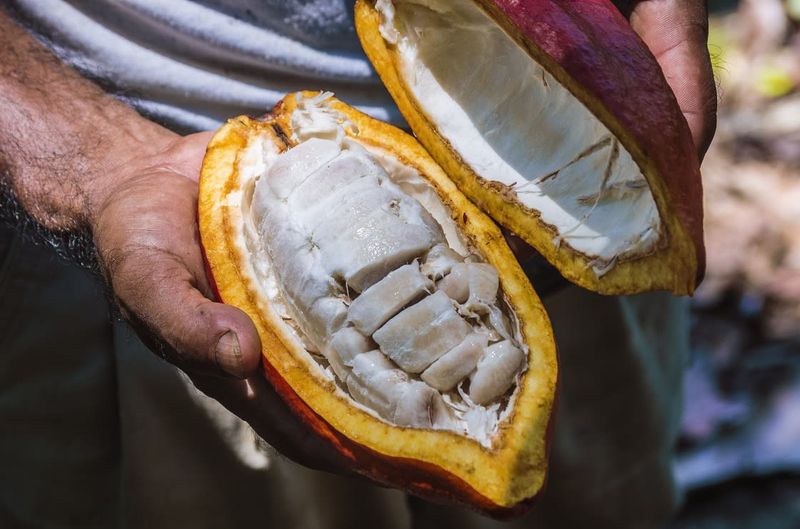
Believe it or not, chocolate starts its life inside a colorful fruit called a cacao pod. These pods grow directly on the trunk and branches of the Theobroma cacao tree, mostly found in tropical regions near the equator.
Inside each pod, you will find around 20 to 50 seeds, also called cacao beans. Those beans are what eventually become the chocolate you unwrap and enjoy.
Pretty wild that a candy bar begins as a tropical fruit!
2. Ancient Civilizations Drank Chocolate
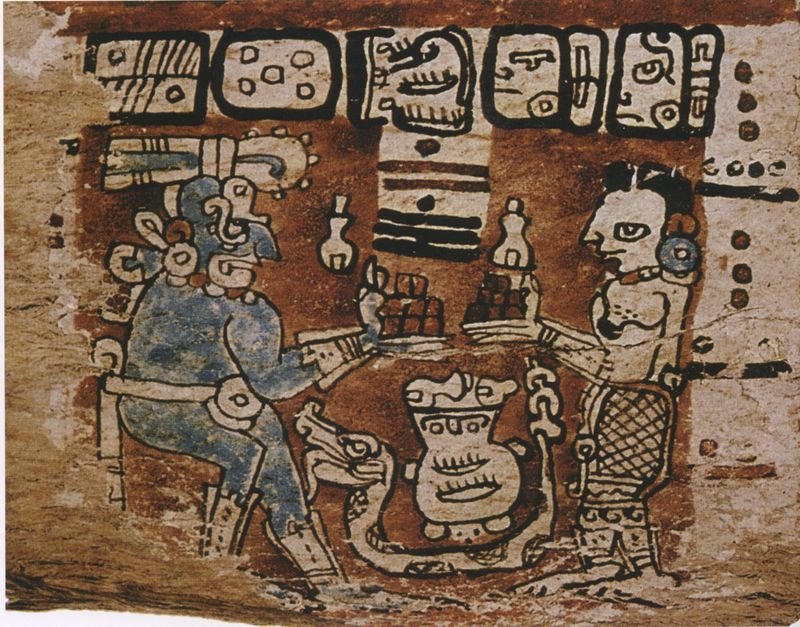
Long before chocolate bars existed, the ancient Maya and Aztec civilizations were drinking chocolate as a bitter, spiced liquid. They mixed ground cacao with water, chili peppers, and other spices to create a frothy ceremonial drink.
This beverage was considered sacred and was often used in religious rituals and royal feasts. The Aztecs even used cacao beans as currency!
It was not the sweet treat we know today, but it was absolutely prized.
3. The Word Chocolate Has Ancient Roots
Ever wonder where the word "chocolate" actually came from? Most historians trace it back to the Nahuatl word "xocolatl," spoken by the Aztec people of ancient Mexico.
The word roughly translates to "bitter water."
When Spanish explorers brought cacao back to Europe in the 1500s, the name traveled with it and eventually evolved into the word we use today. So every time you say "chocolate," you are using a word that is hundreds of years old.
4. White Chocolate Is Not Technically Chocolate
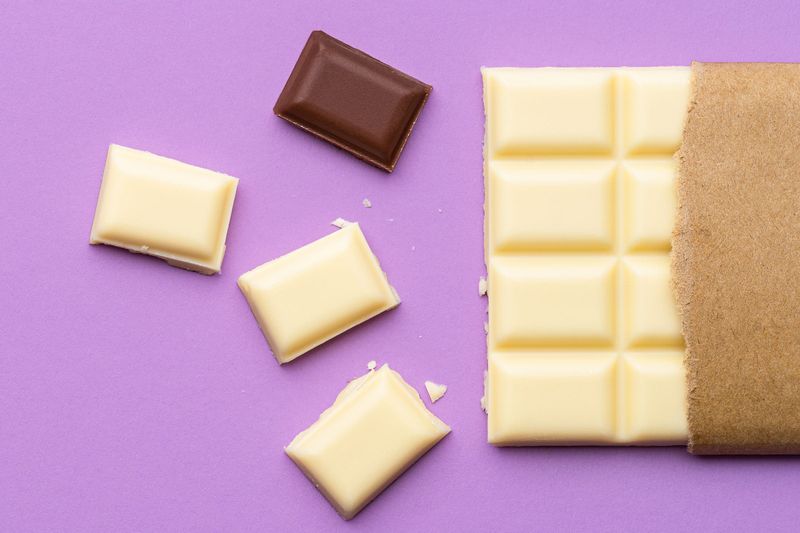
Here is something that surprises a lot of people: white chocolate does not actually contain any cocoa solids. Real chocolate gets its deep flavor and color from cacao, but white chocolate is made only from cocoa butter, sugar, and milk.
Because it skips the cocoa solids entirely, many chocolate experts argue it should not even be called chocolate. Still, cocoa butter does come from the cacao plant, so white chocolate is at least a distant cousin of the real thing.
5. It Takes Hundreds of Beans to Make One Bar
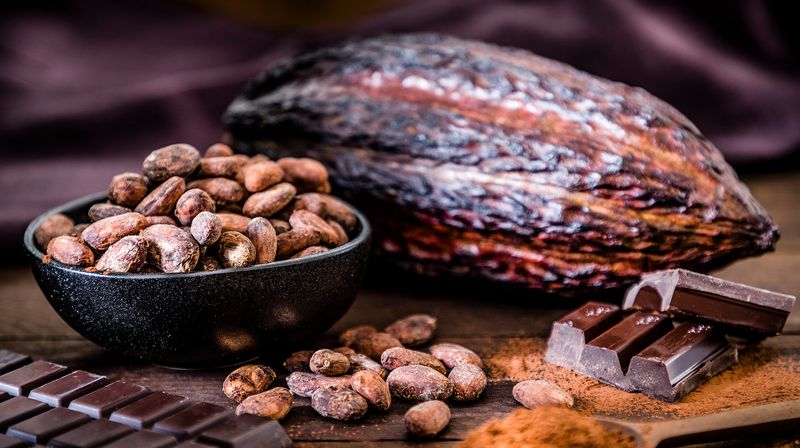
Making a single chocolate bar requires way more cacao beans than most people realize. On average, it takes around 400 cacao beans just to produce one pound of chocolate.
That is a huge amount of work for one small treat.
Each cacao tree only produces about 20 to 30 pods per year, and each pod holds a limited number of beans. Farmers work incredibly hard harvesting and fermenting the beans before they ever reach a factory.
Your chocolate bar earned its price tag!
6. Dark Chocolate Has Real Health Benefits
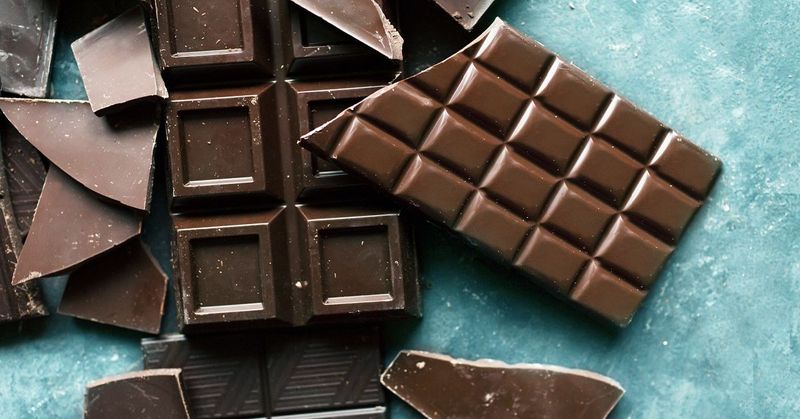
Dark chocolate is not just delicious, it actually contains compounds that can be good for your body. Flavonoids found in high-cocoa dark chocolate are antioxidants that may support heart health and improve blood flow.
Studies have also suggested that eating small amounts of dark chocolate can help lower blood pressure and boost mood. Of course, moderation is key since chocolate still contains sugar and fat.
But knowing your treat has some health perks makes it taste even better!
7. Switzerland Leads the World in Chocolate Consumption

When it comes to eating chocolate, the Swiss are in a league of their own. Switzerland consistently ranks as one of the top countries in the world for chocolate consumption per person, with the average Swiss person eating around 10 to 11 kilograms of chocolate each year.
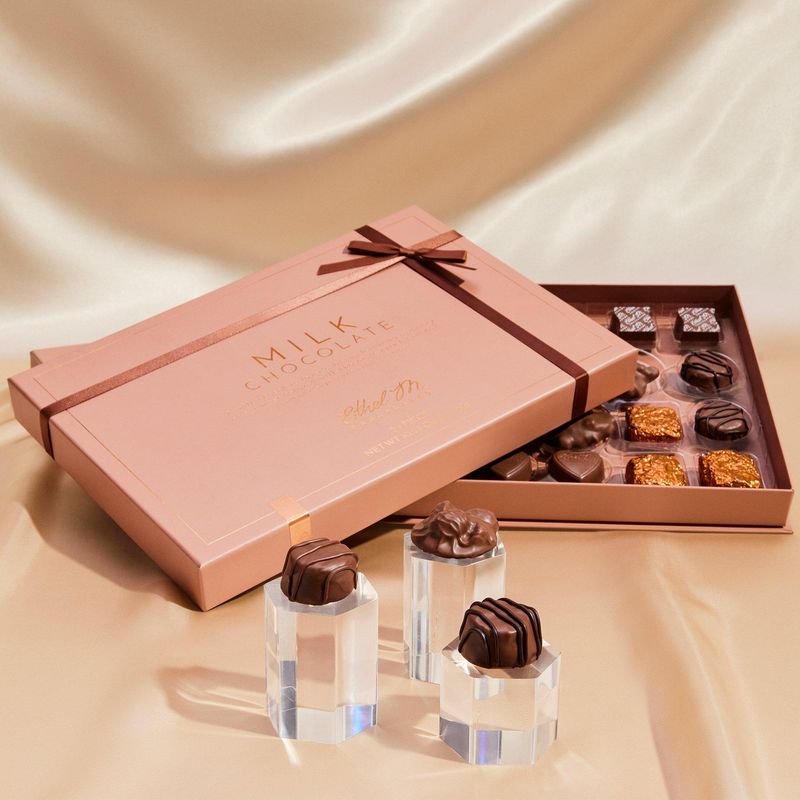
Switzerland is also famous for inventing milk chocolate back in the 1870s. So not only do they eat more chocolate than almost anyone else, they also helped create the creamy style most people love today.
8. Milk Chocolate Was Invented in the 1870s
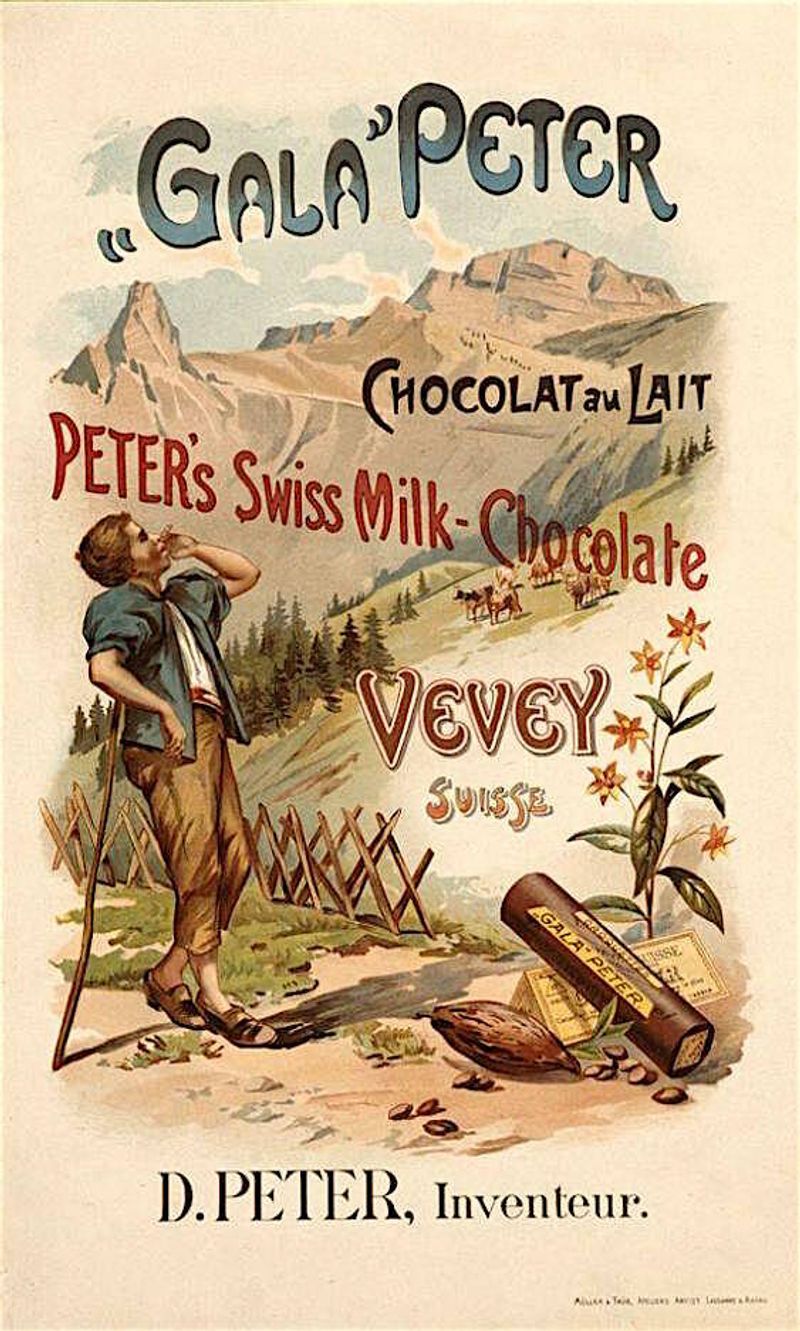
Before the 1870s, all chocolate was dark and quite bitter. That changed when Swiss chocolatier Daniel Peter figured out how to successfully blend condensed milk with chocolate, creating the smooth, creamy milk chocolate the world now adores.
Peter worked alongside his neighbor Henri Nestle, whose condensed milk made the whole process possible. Their collaboration launched one of the most popular candy styles in history.
Next time you bite into a milk chocolate bar, you can thank two Swiss neighbors for the idea.
9. Cacao Trees Are Surprisingly Fragile
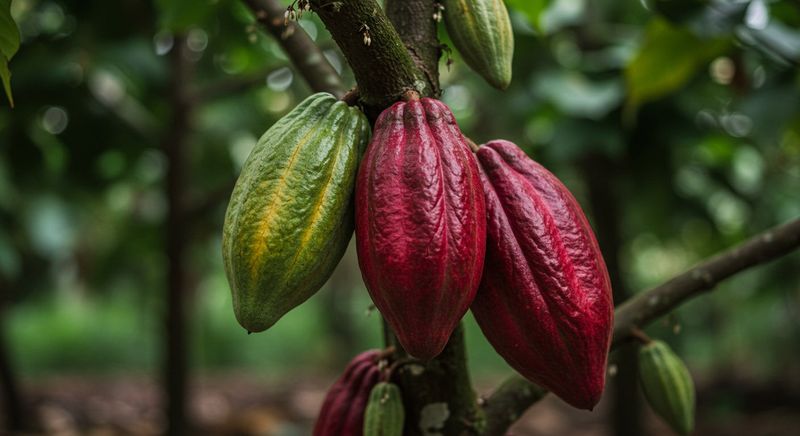
Despite being the source of one of the world's most popular foods, cacao trees are surprisingly tricky to grow. They thrive only in a narrow band around the equator where temperatures stay warm and humidity stays high year-round.
Even in ideal conditions, cacao trees are vulnerable to disease, pests, and harsh weather. A single fungal infection can wipe out an entire crop.
Farmers dedicate enormous effort to protecting their trees, which is a big reason why quality chocolate can be expensive.
10. Chocolate Melts at Body Temperature on Purpose
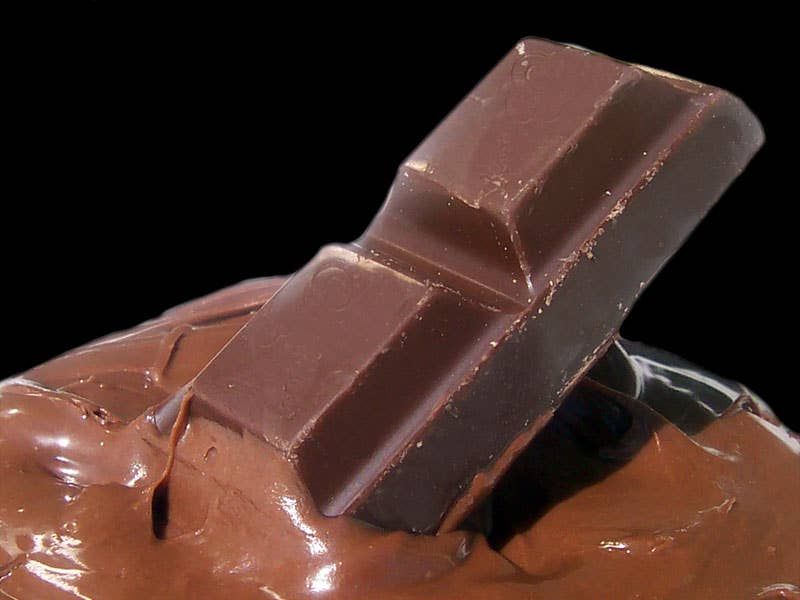
One of the most magical things about chocolate is the way it melts the moment it touches your tongue. That satisfying sensation is not an accident.
Cocoa butter, the fat found in chocolate, has a melting point that sits just slightly below normal human body temperature.
Chocolatiers actually engineer this property carefully when crafting premium chocolates. A perfectly tempered chocolate bar will snap cleanly when broken but dissolve smoothly in your mouth.
That melt-in-your-mouth feeling is pure food science doing its job beautifully.
11. The First Chocolate Bar Was Made in 1847
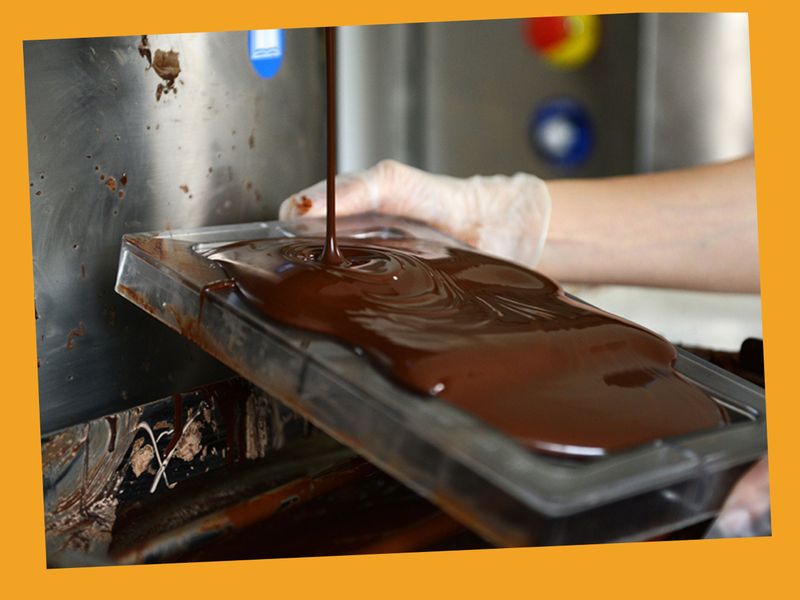
For most of chocolate's history, it existed only as a drink. That all changed in 1847 when British company J.S.
Fry and Sons created what is widely considered the world's first solid chocolate bar. They mixed cocoa powder, sugar, and cocoa butter into a moldable paste that could be eaten as a solid.
This invention completely transformed how people experienced chocolate. Within decades, chocolate bars became widely available across Europe and eventually the entire world, changing snack culture forever.
12. Chocolate Was Once Used as Currency
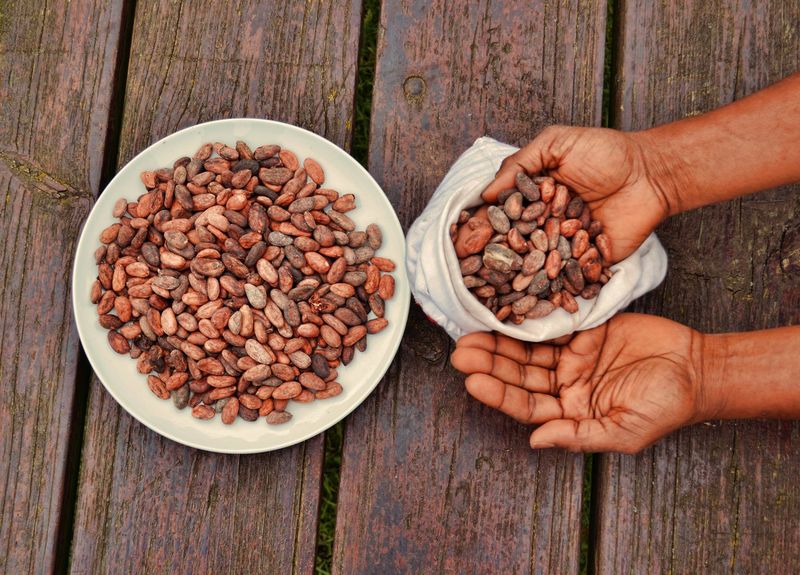
Imagine paying for your lunch with chocolate beans. For the ancient Aztecs, that was everyday reality.
Cacao beans were so valuable in Mesoamerican cultures that they were used as a form of money to trade for goods and services.
Historical records suggest that a small rabbit could be purchased for about ten cacao beans, while a turkey cost around 100. Soldiers and workers were even paid in cacao.
It makes you wonder what the ancient version of a coin purse looked like!
13. Americans Eat an Enormous Amount of Chocolate
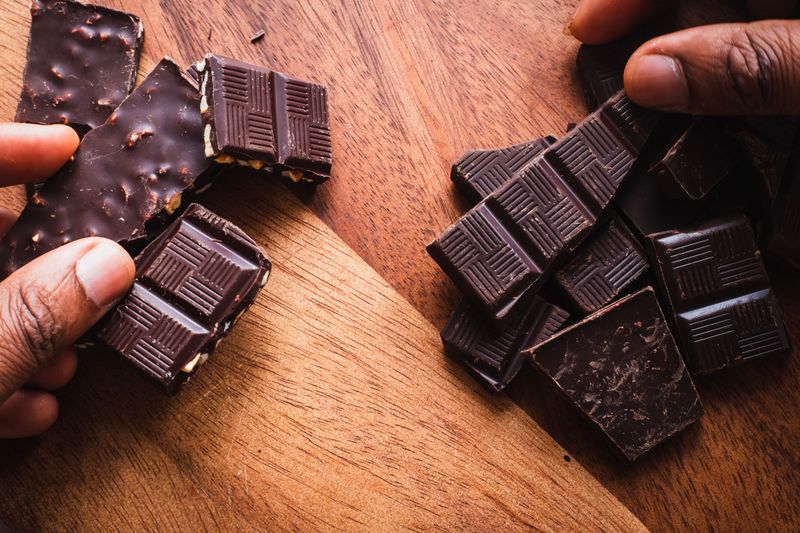
The United States is one of the largest consumers of chocolate in the world, and the numbers are staggering. Americans eat roughly 2.8 billion pounds of chocolate every single year, which works out to about 11 pounds per person annually.
Valentine's Day, Halloween, and Easter are the biggest chocolate-buying holidays in the country, with millions of boxes and bags flying off store shelves. The US chocolate industry is worth billions of dollars and keeps growing every year as new flavors and products hit the market.
14. Chocolate Can Be Toxic to Dogs

As much as dogs love sniffing out snacks, chocolate is one food they should never eat. Chocolate contains a compound called theobromine, which humans digest easily but dogs process very slowly.
Even small amounts can build up to dangerous levels in a dog's system.
Dark chocolate and baking chocolate are especially risky because they contain the highest concentrations of theobromine. Symptoms of chocolate poisoning in dogs include vomiting, tremors, and rapid heartbeat.
Always keep your chocolate stash safely away from curious four-legged friends.
15. The Smell of Chocolate Can Boost Your Mood
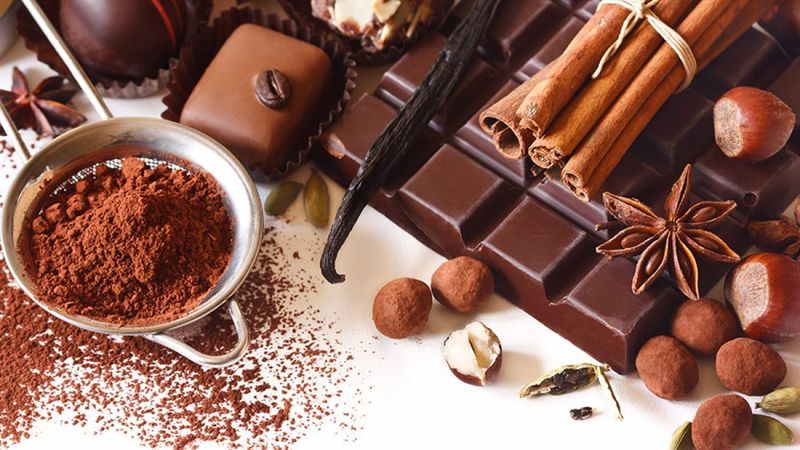
Even before the first bite, chocolate is already working its magic. Research has shown that simply smelling chocolate can trigger the release of serotonin and other feel-good chemicals in the brain, helping to reduce stress and lift your mood.
Some studies suggest the aroma of chocolate slows down brain waves, creating a relaxed, almost dreamy state. Bakeries and candy shops have known this trick for years, pumping out chocolate scents to draw customers in.
Your nose and your brain are basically in a happy partnership when chocolate is nearby.




Comments
No Comments