










Food is more than just fuel - it is a window into culture, tradition, and identity. Around the world, countries have developed some truly unexpected rules about what you can eat, how you eat it, and even where.
Some of these rules carry legal weight, while others are deeply rooted in social customs that locals follow without a second thought. Get ready to discover 15 food rules from around the globe that might just surprise you.
1. No Ketchup on Hot Dogs in Chicago, USA
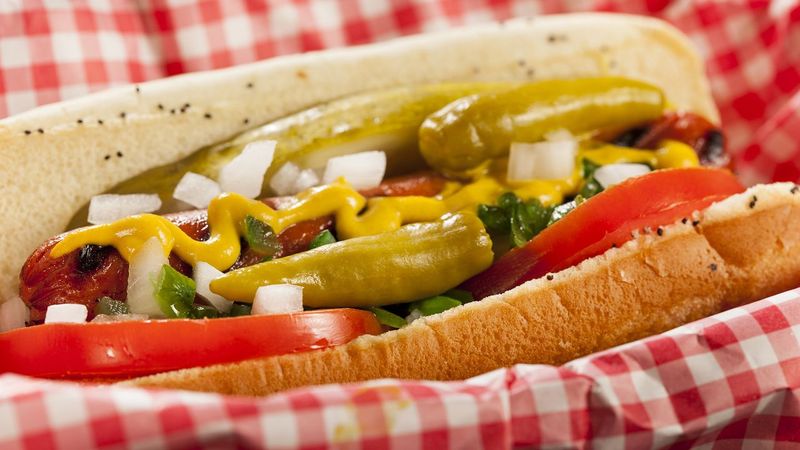
Ask for ketchup on your hot dog in Chicago, and you might get a very disapproving stare. Locals take this rule so seriously that many hot dog stands simply refuse to stock ketchup at all.
The Chicago-style hot dog is piled high with mustard, relish, onions, tomatoes, a pickle spear, and sport peppers. Ketchup, locals argue, ruins the carefully balanced flavors.
It is a point of civic pride that has been passed down through generations of Chicagoans.
2. No Pineapple on Pizza in Italy
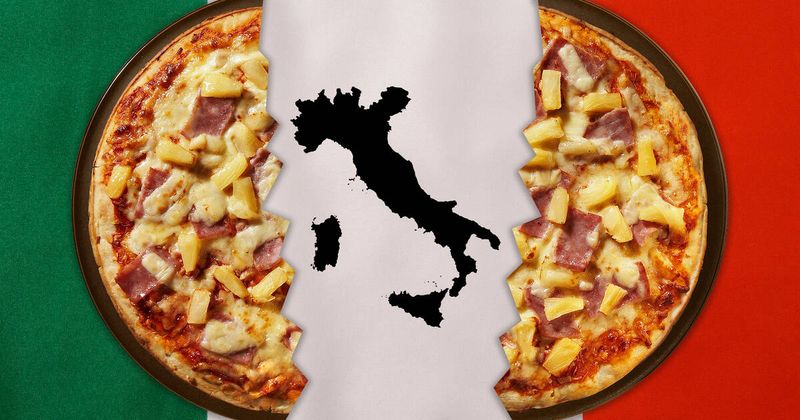
Walk into a traditional Italian pizzeria and ask for pineapple on your pizza. The reaction you get might range from a polite refusal to full-blown outrage.
Pizza was born in Naples, and Italians guard its authenticity fiercely. Mixing sweet tropical fruit with savory tomato and cheese is considered an insult to centuries of culinary tradition.
Some pizzerias have even posted signs refusing to serve the combination. For Italians, pizza is art, and pineapple is simply not part of the palette.
3. No Eating on the Metro in Singapore
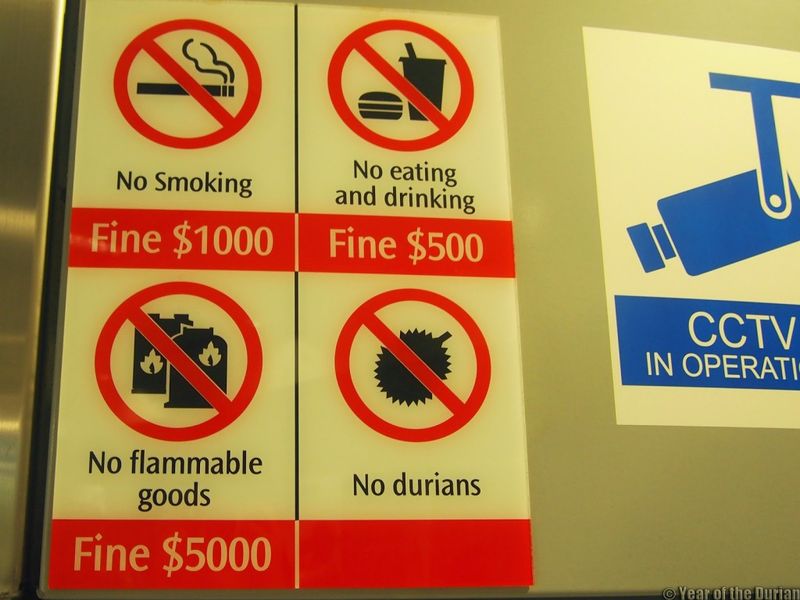
Singapore is famous for being spotlessly clean, and a big part of that reputation is enforced by law. Eating or drinking on the Mass Rapid Transit system can result in a fine of up to $500 SGD.
This rule applies to everything, including water and chewing gum. Authorities believe that keeping food off public transit reduces litter, pests, and unpleasant smells for all commuters.
Visitors are often caught off guard, but locals know the rule from childhood and follow it without hesitation.
4. No Chewing Gum in Singapore
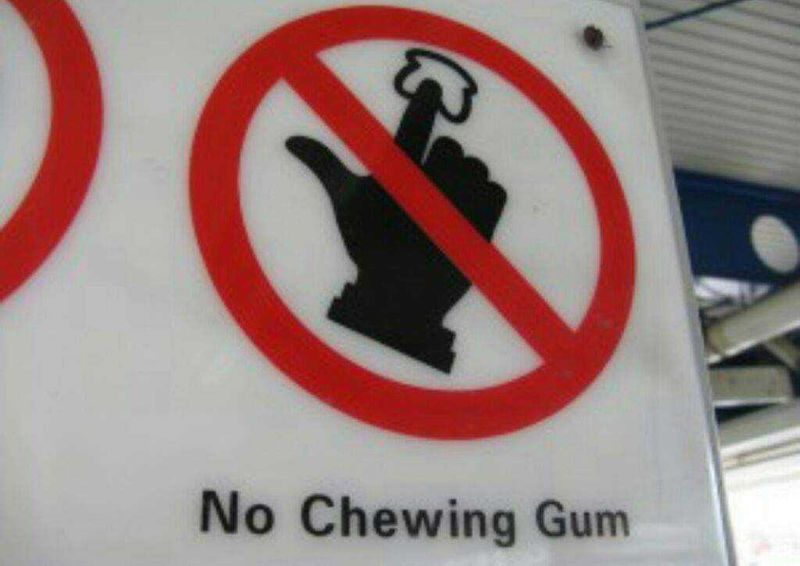
Since 1992, Singapore has banned the import and sale of chewing gum. It started after gum was found jamming the sensors on MRT train doors, causing costly delays and repairs.
Only therapeutic gum, like nicotine gum, can be obtained with a doctor's prescription. Tourists are often stunned to find that something so ordinary back home is simply unavailable here.
The rule is a perfect example of how seriously Singapore takes public cleanliness and infrastructure maintenance.
5. No Eating With Your Left Hand in India and the Middle East
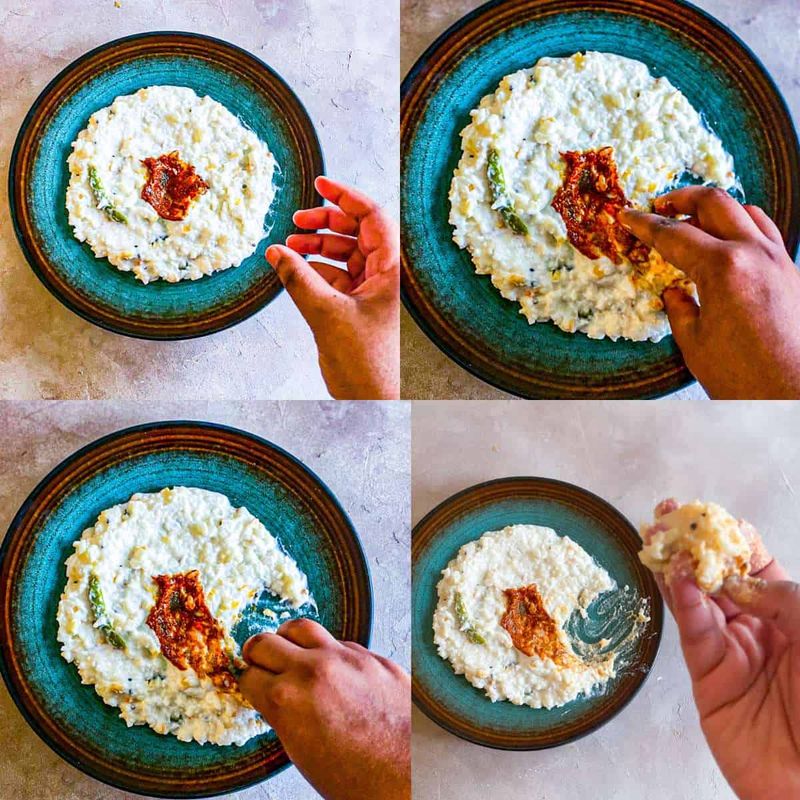
In many parts of India and across the Middle East, using your left hand to eat is considered deeply disrespectful. The left hand is traditionally associated with hygiene tasks, making it unclean for food.
Even if you are left-handed, you are expected to use your right hand at the table. Hosts may not say anything directly, but guests who ignore this custom can cause serious offense without realizing it.
Learning this rule before visiting can make a big difference in how you are received.
6. No Cappuccino After 11am in Italy
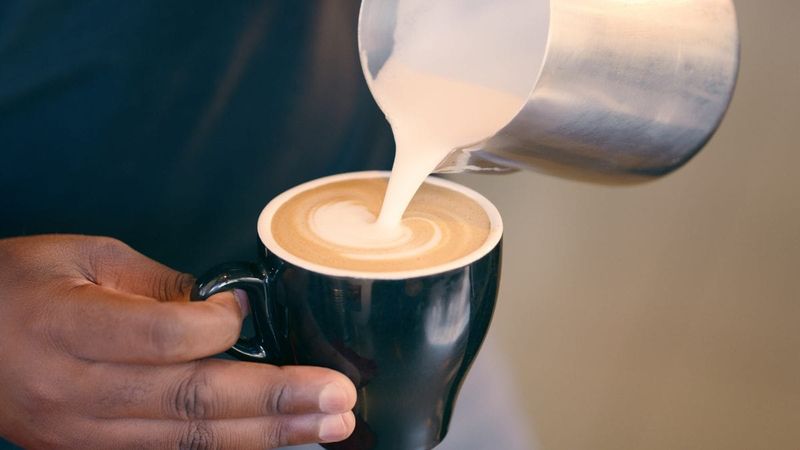
Ordering a cappuccino after breakfast in Italy will earn you some puzzled looks from locals. Italians firmly believe that milky coffee drinks are strictly a morning thing, meant to be enjoyed before 11am.
The reasoning is rooted in digestion. Italians believe that warm milk slows down digestion and should not be consumed after eating a full meal.
Afternoon coffee is espresso territory. Tourists frequently break this unwritten rule without knowing, and while no one will stop you, the cultural side-eye is very real.
7. No Sharing Food From Your Chopsticks in Japan
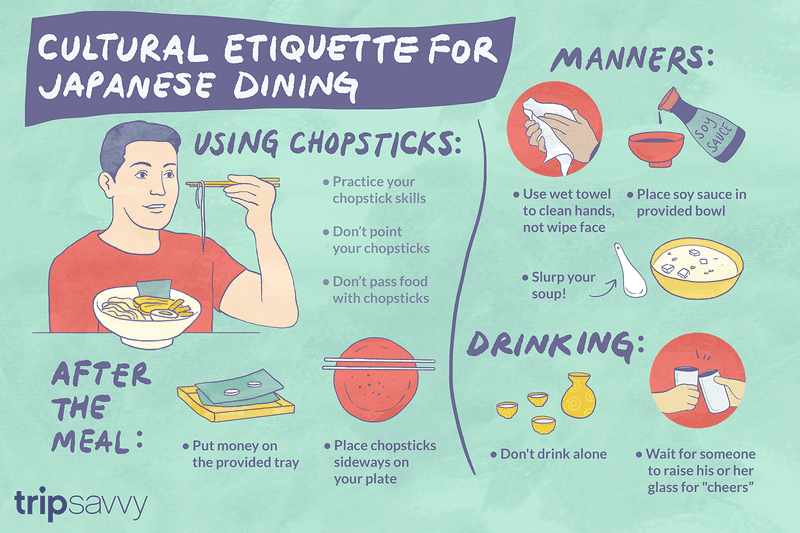
Passing food directly from chopstick to chopstick is a serious taboo in Japan. This action mirrors a funeral ritual where the bones of a cremated person are passed between family members, making it deeply inappropriate at a dinner table.
Instead, you should place the food on a small plate and let the other person pick it up themselves. Japanese dining etiquette is rich with meaningful traditions, and being aware of them shows deep respect for the culture and the people sharing the meal with you.
8. No Butter on Bread in France
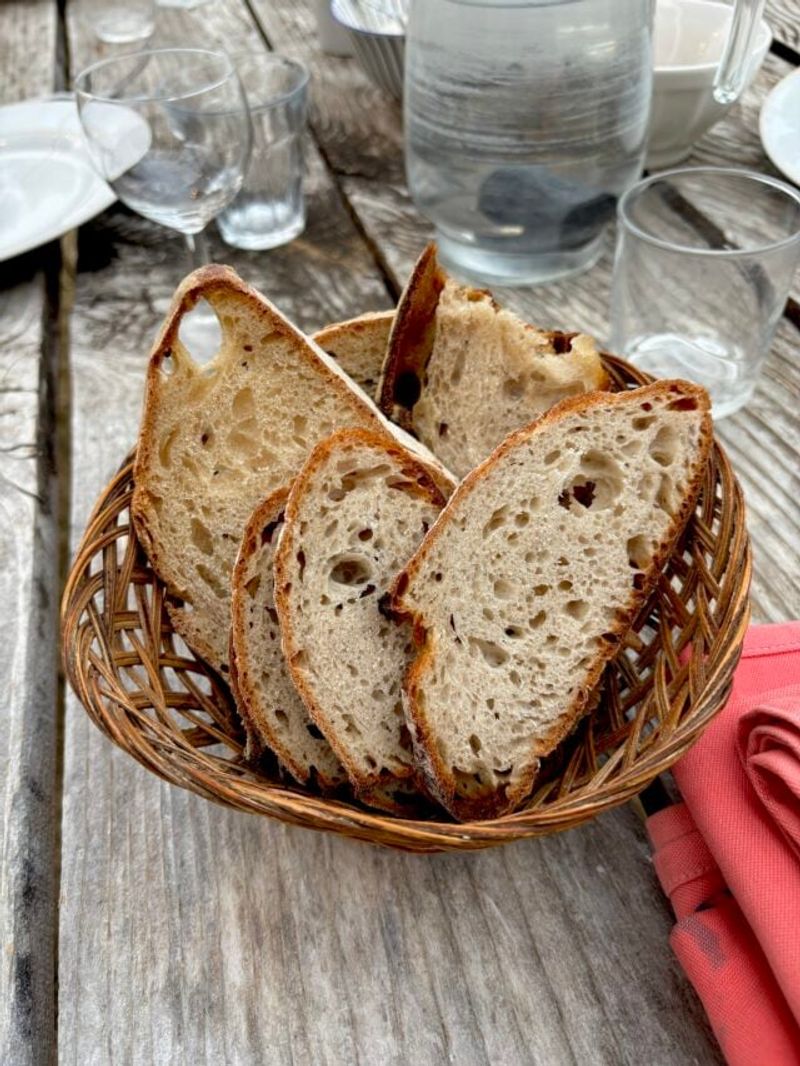
Bread in France is sacred, but you might be surprised to learn that buttering your bread at the dinner table is not standard French practice. Unlike in many other countries, bread at a French meal is meant to accompany food, not to be eaten as a buttered snack.
Spreading butter on bread is more of a breakfast habit in France. At dinner, tearing off a piece of baguette and using it to scoop up sauce from your plate is perfectly acceptable.
It is a small but telling cultural detail that many visitors overlook.
9. No Touching Food Before the Eldest Person Eats in South Korea
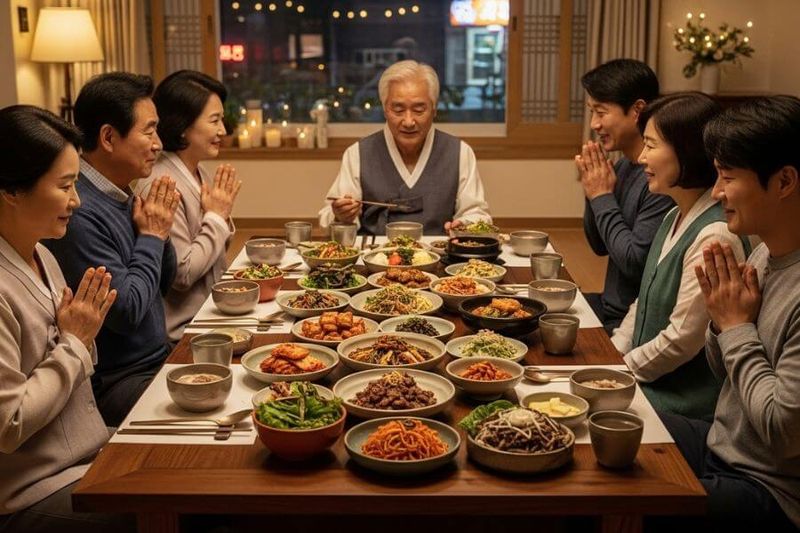
Confucian values run deep in South Korean culture, and nowhere is that more visible than at the dinner table. Younger people are expected to wait until the eldest person at the table has taken their first bite before anyone else begins eating.
Jumping ahead is considered rude and disrespectful to elders. This tradition reinforces the social hierarchy that is central to Korean life.
Even in casual settings among friends, age-based dining order is quietly observed, making every meal a small act of cultural respect.
10. No Finishing Your Plate in China
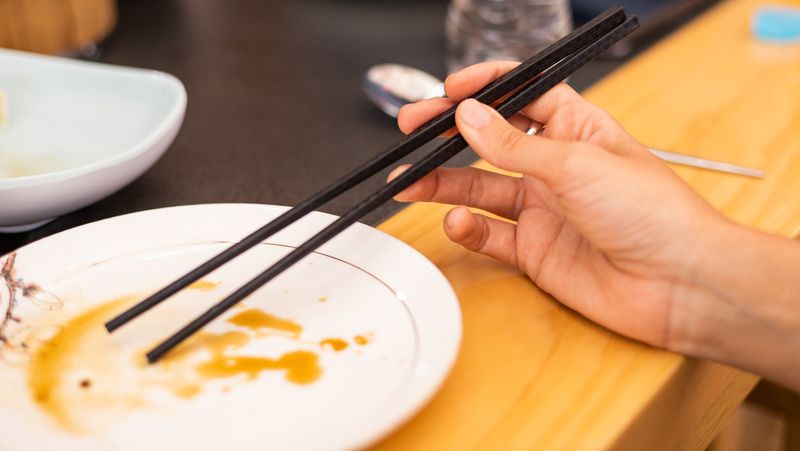
Cleaning your plate in China can actually send the wrong message. Finishing every last bite suggests the host did not provide enough food, which can be seen as an embarrassment to them.
Leaving a little food on your plate signals that you are full and satisfied, which is a compliment to the host's generosity. This is the opposite of what many Western children are taught growing up.
Being aware of this flip in dining etiquette can save you from an awkward misunderstanding at a Chinese dinner table.
11. No Flipping Fish Upside Down in Hong Kong
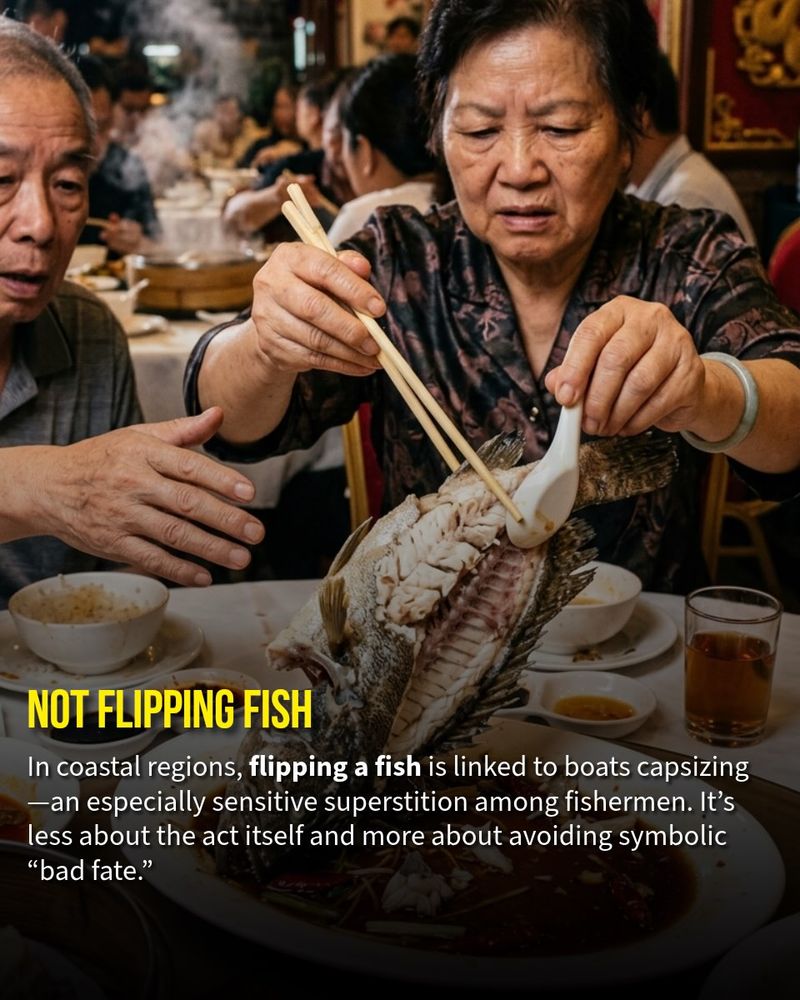
At a Hong Kong dinner table, flipping a whole fish upside down to get to the meat underneath is considered very bad luck. The superstition is tied to fishing communities, where flipping a fish symbolizes a boat capsizing.
Instead, diners carefully use chopsticks to remove the bones and access the bottom half of the fish without turning it over. The tradition is taken seriously enough that even younger generations in urban Hong Kong tend to follow it, keeping a piece of maritime history alive at the dinner table.
12. No Eating in Public During Ramadan in the UAE

During the holy month of Ramadan, eating, drinking, or smoking in public during daylight hours is illegal in the United Arab Emirates. This applies to everyone, including tourists and non-Muslims.
The law is enforced to show respect for those who are fasting. Restaurants either close during the day or cover their windows.
Violating this rule can result in fines or even detention. Visitors who plan ahead by eating before sunrise or after sunset can navigate the month without any trouble at all.
13. No Bringing Outside Food Into Malaysia's Durian Zones
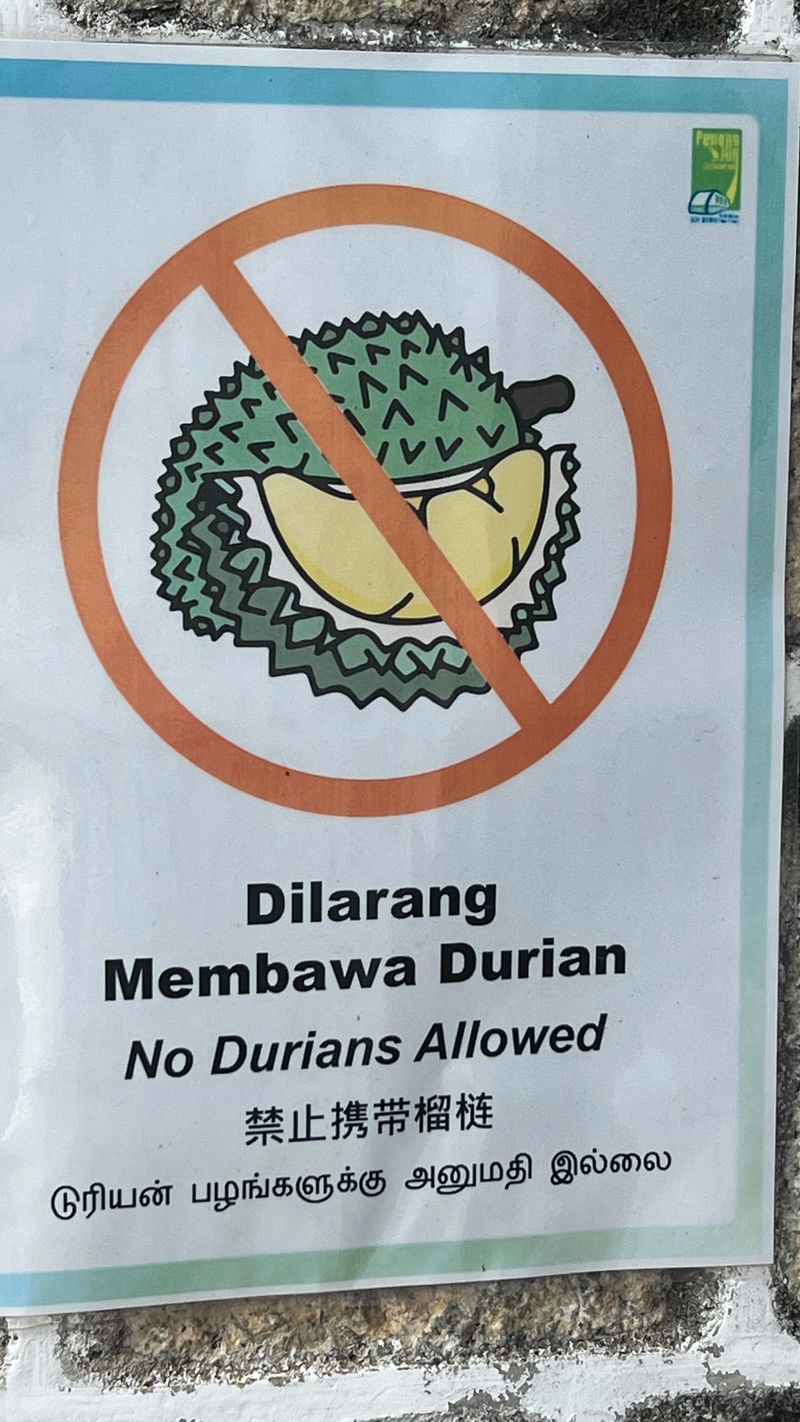
Durian is nicknamed the "King of Fruits" in Southeast Asia, but its powerful smell has earned it a ban in many public spaces across Malaysia. Hotels, airports, and shopping malls frequently post signs prohibiting durian on their premises.
The fruit's odor is so intense that it can linger for hours, causing complaints from people nearby. Fans of durian are passionate and loyal, but even they understand the social boundaries.
Designated durian-eating spots exist across the country, giving lovers of the fruit a place to enjoy it freely and unapologetically.
14. No Salting Food Before Tasting in Egypt
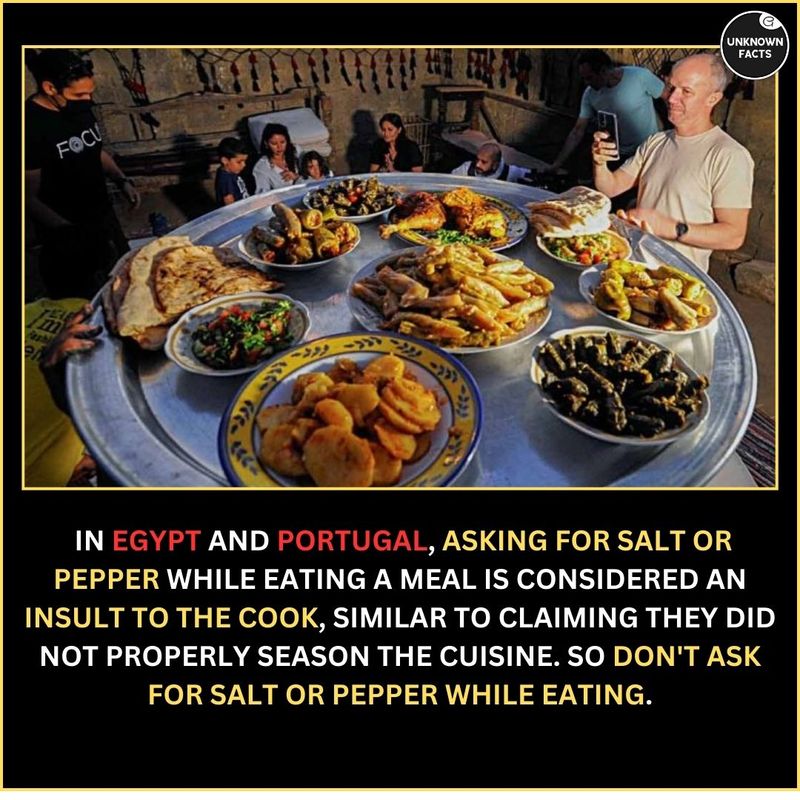
Reaching for the salt shaker before even tasting your food in Egypt is considered a direct insult to the cook. It implies that you already know the food is bland, which is offensive to whoever prepared the meal.
Egyptian hospitality is deeply tied to food, and a home-cooked meal represents love and effort. Guests are expected to taste first and appreciate the flavors as they are.
If seasoning is needed, adding it quietly after a taste is far more acceptable and keeps the meal's warm spirit intact.
15. No Eating Certain Cheeses in France Unless They Are Unpasteurized
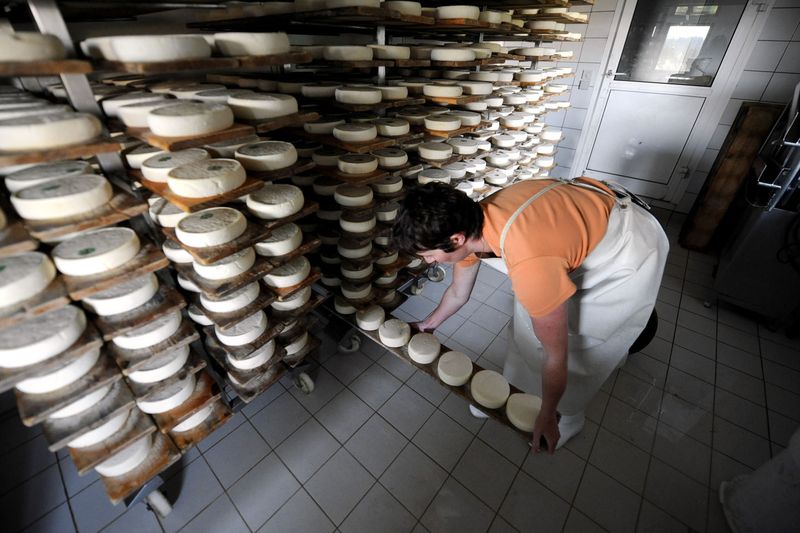
France has some of the strictest and most passionate rules around cheese in the entire world. Many beloved French cheeses, like Camembert de Normandie and Brie de Meaux, are traditionally made from raw, unpasteurized milk.
Purists argue that pasteurization strips away the complex flavors that make these cheeses legendary. While pasteurized versions exist for export, locals and cheese connoisseurs insist on the real thing.
The French government has even fought to protect these traditional methods through official designation laws, treating cheese-making as a national cultural treasure worth defending.
Comments
No Comments