











Some kitchen tips sound so strange that you might laugh the first time you hear them. But once you give them a shot, you realize they actually save time, reduce waste, and make cooking way more fun.
Whether you are a beginner cook or someone who has been in the kitchen for years, these clever tricks might just change how you do things. Get ready to be surprised by how well the weird stuff works.
1. Freeze Your Cheese Before Grating It
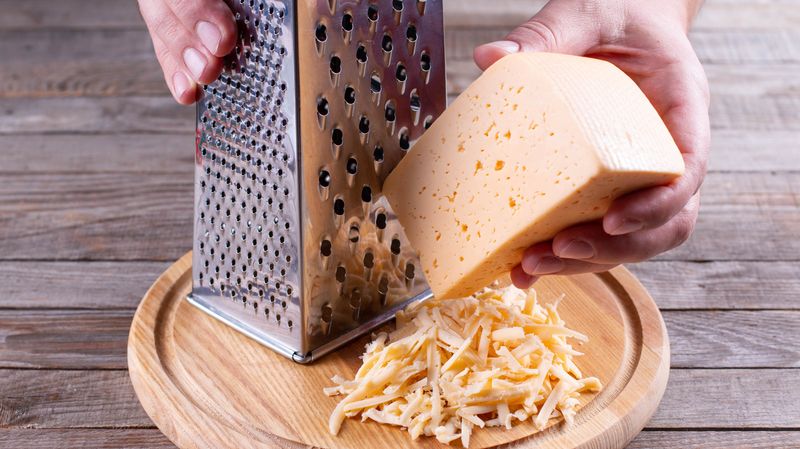
Hard cheese like cheddar or parmesan can be a sticky nightmare to grate. Pop it in the freezer for about 20 minutes before reaching for the grater, and you will notice a huge difference.
The cold firms up the cheese so it glides through the grater cleanly.
No more cheese clumping together or sticking to your fingers. This trick works especially well for block cheese that has been sitting at room temperature.
You will get fluffy, even shreds every single time.
2. Use a Wooden Spoon to Stop Pots From Boiling Over
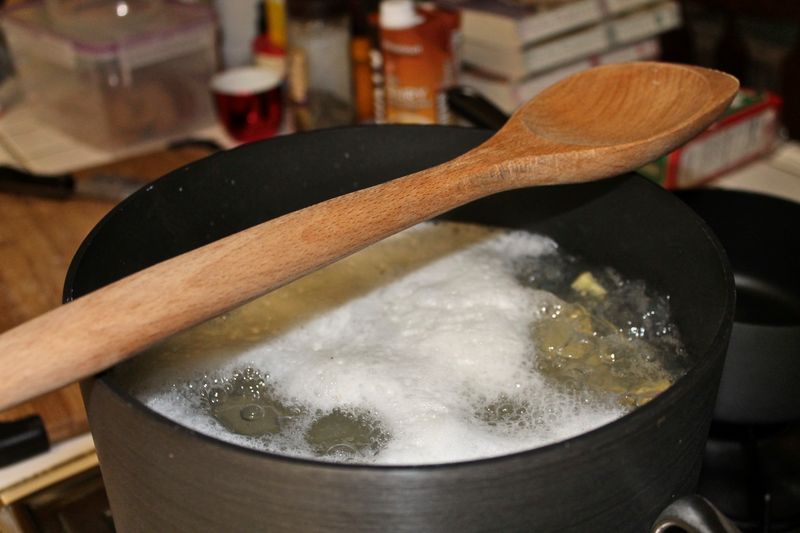
Picture this: you walk away from the stove for two minutes and come back to a bubbling, foamy mess all over your burner. A wooden spoon laid across the top of the pot can actually prevent that from happening.
The spoon breaks the surface tension of the bubbles before they escape.
Wood does not conduct heat the way metal does, so the spoon stays cool enough to do its job. It sounds almost too simple, but cooks swear by it.
Your stovetop will thank you.
3. Peel Garlic With a Mason Jar
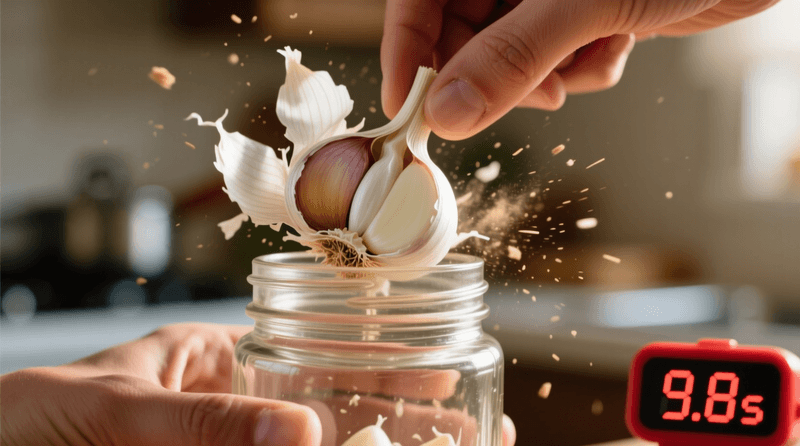
Peeling garlic is one of those kitchen chores that can make your fingers smell for hours. Toss a few unpeeled cloves into a mason jar, seal it tight, and shake it hard for about 15 to 20 seconds.
The papery skins will separate from the cloves almost like magic.
Open the jar, pull out the clean cloves, and toss the skins. The shaking action loosens the skin without crushing the garlic underneath.
It is faster and way less frustrating than peeling by hand.
4. Microwave Lemons Before Juicing Them
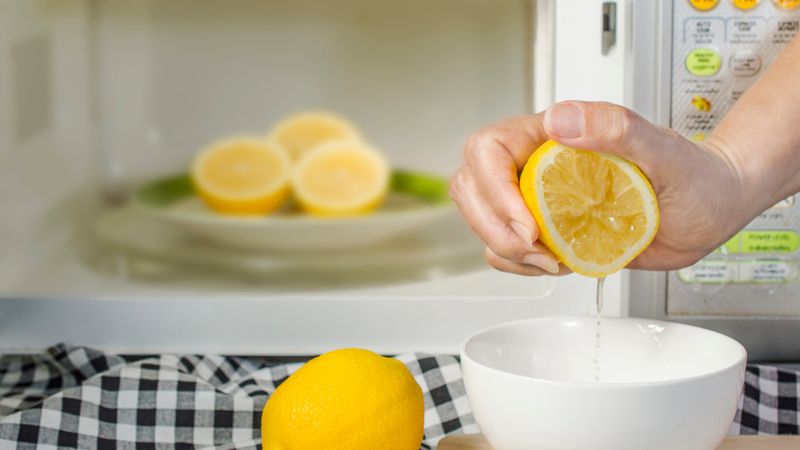
Rolling a lemon on the counter before cutting it is a well-known trick, but heating it in the microwave for about 15 seconds takes things to a whole new level. The warmth loosens the internal membranes, making the juice flow out much more easily when you squeeze.
You can get nearly double the juice from a single lemon this way. For recipes that call for a lot of citrus, this saves both fruit and effort.
Warm lemons just give more, plain and simple.
5. Store Fresh Herbs Like Flowers in a Glass of Water
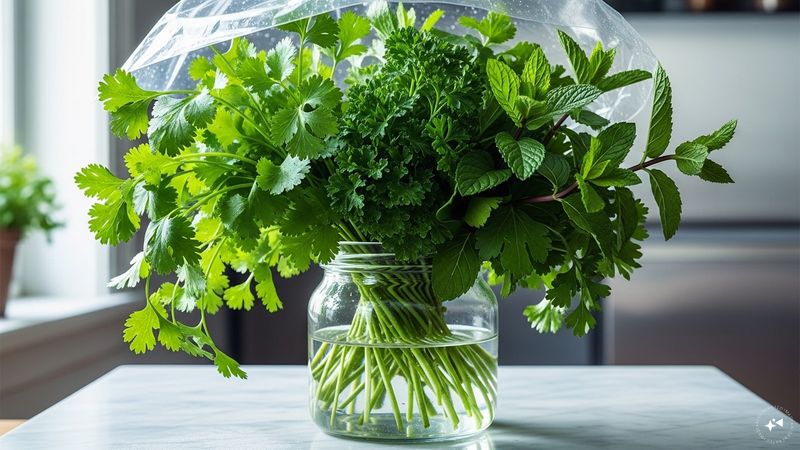
Fresh herbs from the store tend to go limp and yellow within a day or two when tossed in the fridge. Treat them like a bouquet instead.
Trim the stems a little, place the herbs in a glass with an inch of water, and set them on the counter or in the fridge.
Covered loosely with a plastic bag, herbs like parsley and cilantro can stay fresh for up to two weeks. It feels unnecessarily fancy, but the results are genuinely impressive.
Your herbs will stay vibrant and ready to use.
6. Use Dental Floss to Cut Soft Foods Cleanly
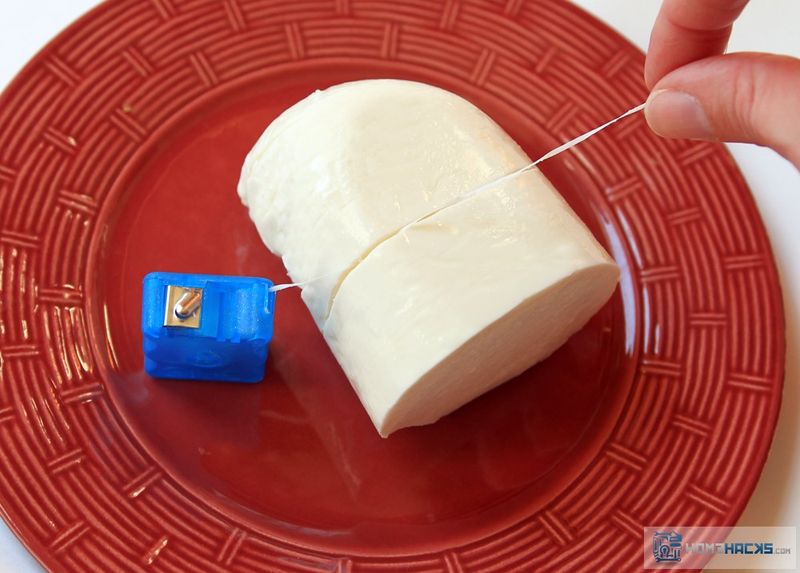
Knives can drag and squish soft foods like goat cheese, cheesecake, or cinnamon rolls when you try to slice them. Plain unflavored dental floss pulled taut between both hands makes a surprisingly clean cut.
You get smooth, even slices without any squishing or crumbling.
This trick became popular in bakeries before it made its way into home kitchens. Just stretch the floss tight, press down firmly, and pull through.
The result looks almost professional, which makes it perfect for serving guests.
7. Reheat Pizza in a Skillet, Not the Microwave
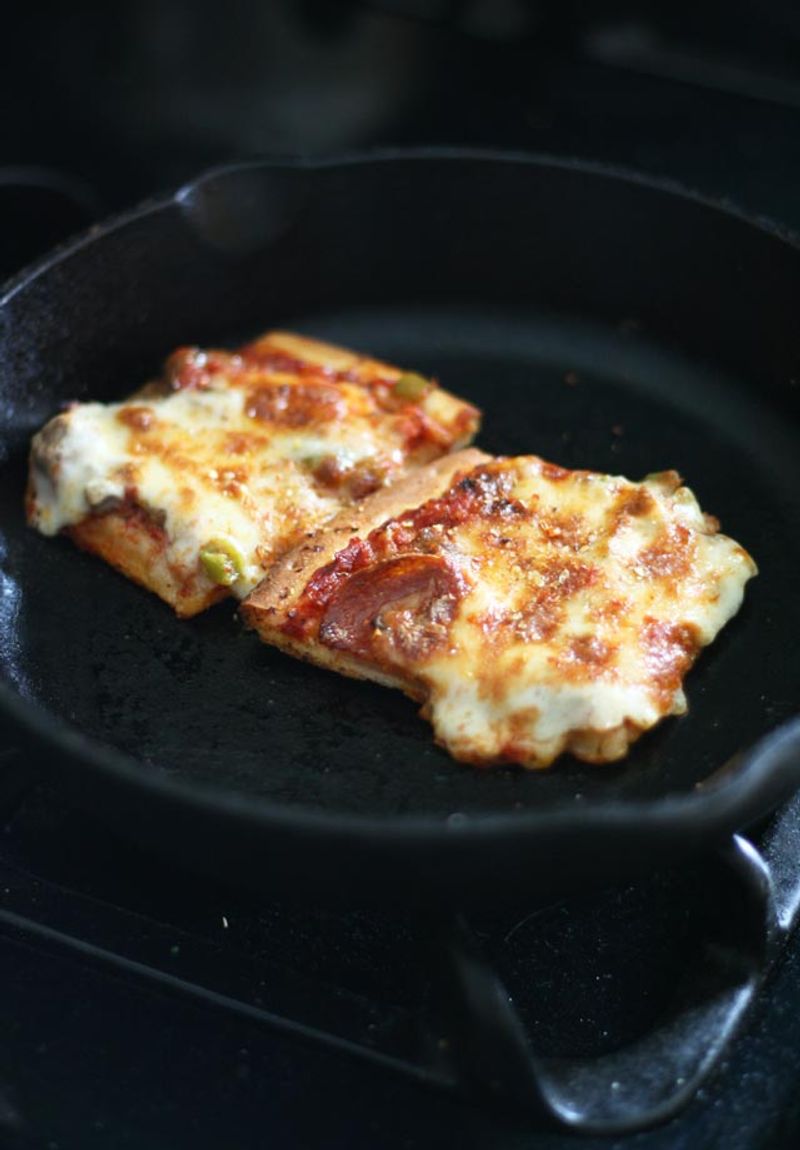
Microwaved leftover pizza is often rubbery, soggy, and sad. A skillet on the stove changes everything about day-old pizza.
Place the slice in a dry pan over medium heat for a couple of minutes, then add a few drops of water to the edge of the pan and cover with a lid.
The steam melts the cheese while the bottom crust crisps up perfectly. You end up with pizza that tastes nearly as good as it did fresh.
Once you try this method, the microwave option stops making sense.
8. Add a Wet Paper Towel in the Bag to Keep Bread Soft
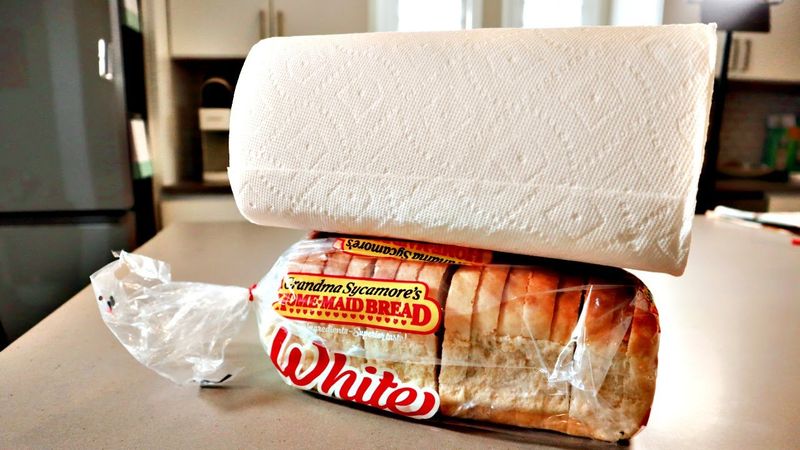
Bread goes stale fast, especially once the bag has been opened. Tucking a lightly damp paper towel inside the bag with the bread adds just enough moisture to keep it soft for a few extra days.
The bread absorbs the humidity slowly without getting soggy.
This trick works well for sandwich bread, rolls, and even bagels. Make sure the towel is just damp, not dripping wet.
A little moisture goes a long way when it comes to keeping your bread fresh and fluffy.
9. Freeze Leftover Wine in Ice Cube Trays
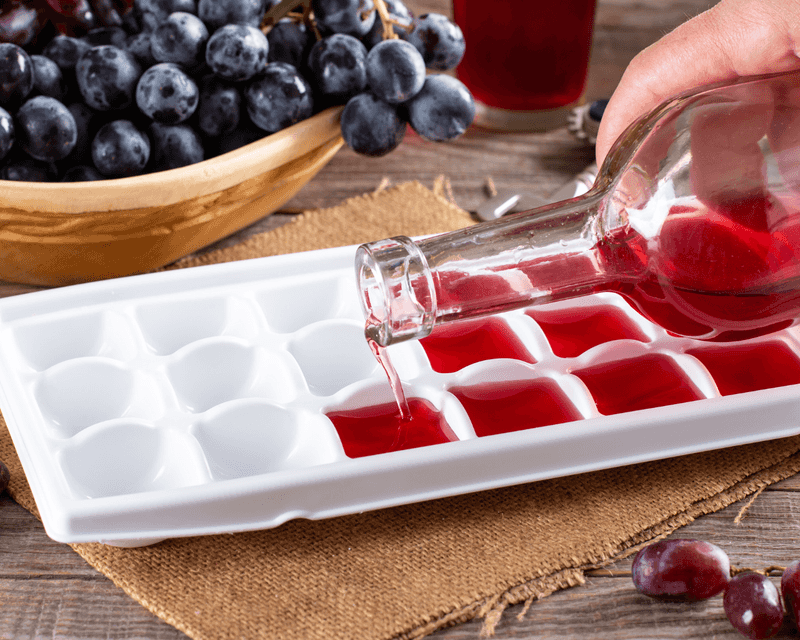
Leftover wine might feel like a rare problem, but it happens more often than you think. Instead of pouring it down the drain, freeze it in an ice cube tray.
Those little wine cubes are perfect for adding to pasta sauces, braises, or soups later on.
Each cube is roughly two tablespoons, which makes measuring easy. They store well for up to three months in the freezer.
You get all the rich flavor of wine in your cooking without needing to open a fresh bottle every time.
10. Use a Potato to Fix Overly Salty Soup
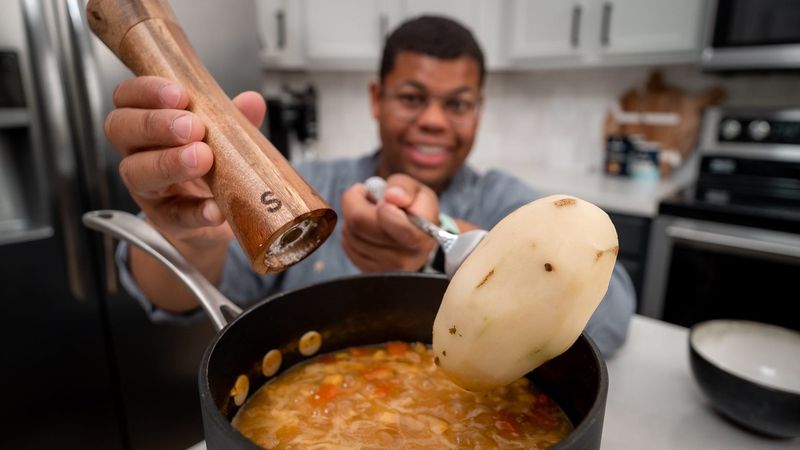
You got a little too heavy-handed with the salt shaker, and now the soup tastes like the ocean. Drop a raw, peeled potato cut into chunks into the pot and let it simmer for about 15 minutes.
The potato absorbs some of the excess salt as it cooks.
Remove the potato pieces before serving, and taste the soup again. The results are not always perfect, but the difference is usually noticeable enough to save the dish.
It is a surprisingly effective rescue mission for a salty situation.
11. Put a Damp Cloth Under Your Cutting Board
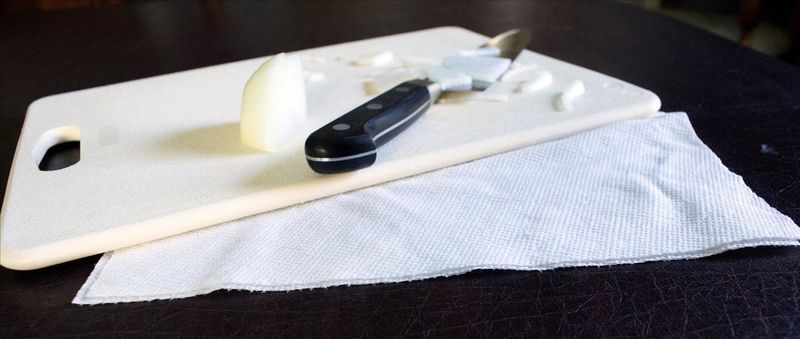
A sliding cutting board is not just annoying - it can actually be dangerous when you are working with sharp knives. A damp dish towel or paper towel laid flat under the board grips the counter and keeps everything locked in place while you chop.
This trick costs nothing and takes about three seconds to set up. It works on almost any surface, from tile to granite to laminate.
Stable cutting means more control, which means safer and more precise knife work in the kitchen.
12. Stick a Toothpick Through Bananas to Slow Browning
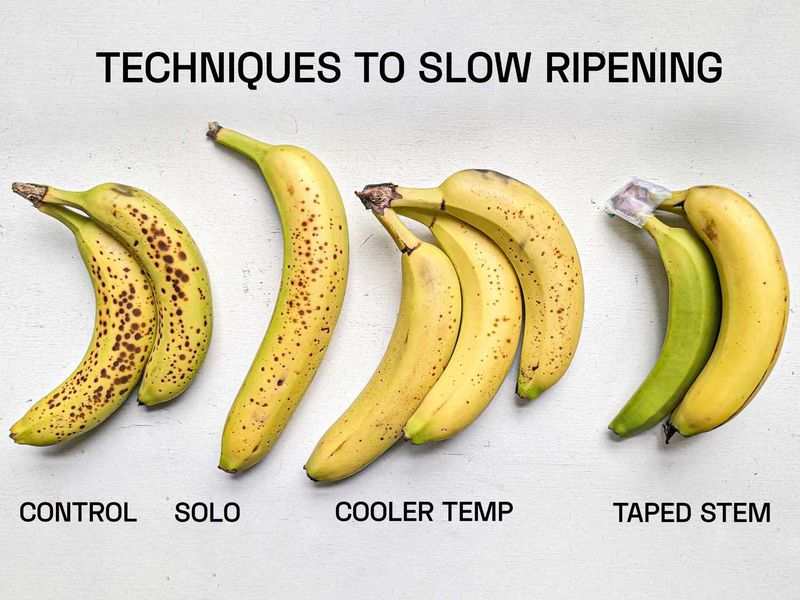
Bananas brown because ethylene gas escapes from the stem and spreads over the fruit. Wrapping the stem in plastic wrap is one fix, but sticking a toothpick into the stem works surprisingly well too.
The toothpick slows the release of gas from that end of the banana.
Neither method stops browning completely, but both buy you a few extra days of perfectly yellow bananas. If you go through bananas slowly, this small trick makes a real difference.
Ripe bananas on demand sounds like a dream.
13. Cook Bacon in the Oven Instead of the Stovetop
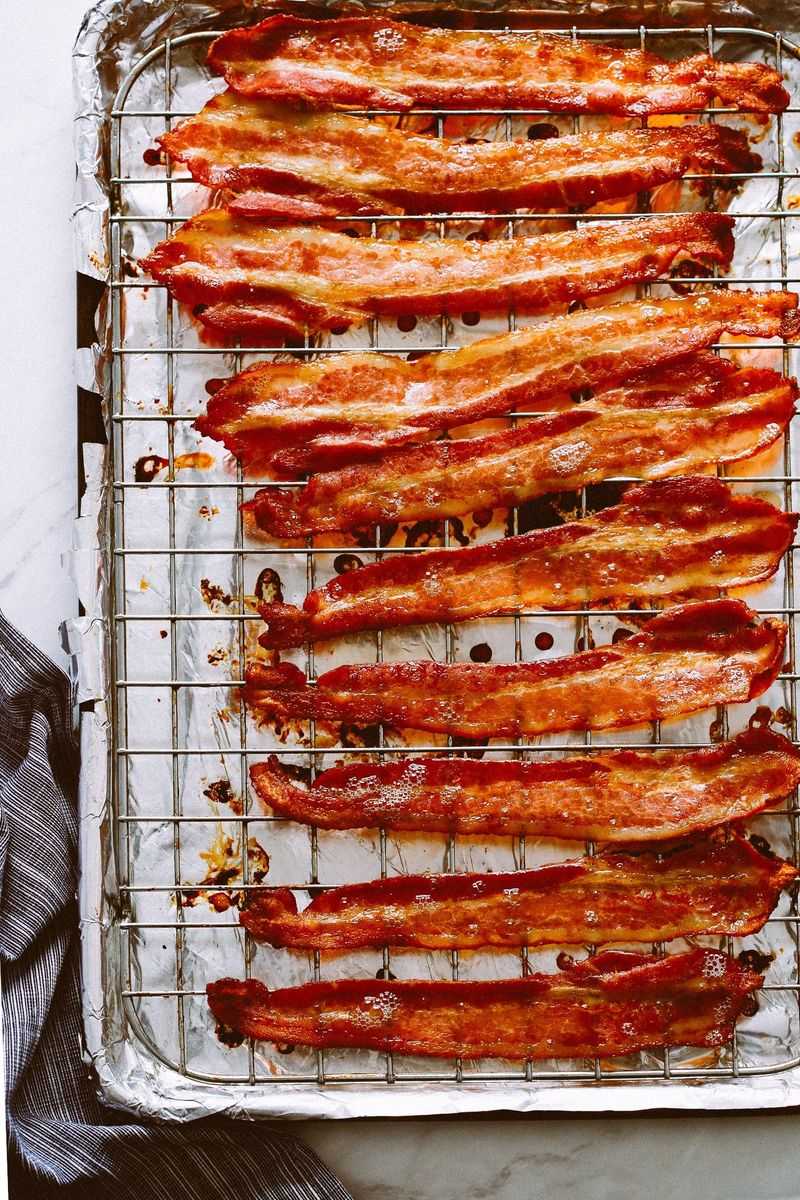
Stovetop bacon means grease splatters, uneven cooking, and standing over a hot pan flipping strips one at a time. Laying bacon flat on a wire rack over a foil-lined baking sheet and baking it at 400 degrees changes the whole experience.
You get hands-free, evenly cooked, perfectly crispy bacon.
The oven method also lets you cook a full pound at once, which is a huge win for weekend breakfasts. Cleanup is easy since the foil catches all the drippings.
Crispy results, zero splatter.
14. Boil Eggs Starting in Cold Water for Easy Peeling
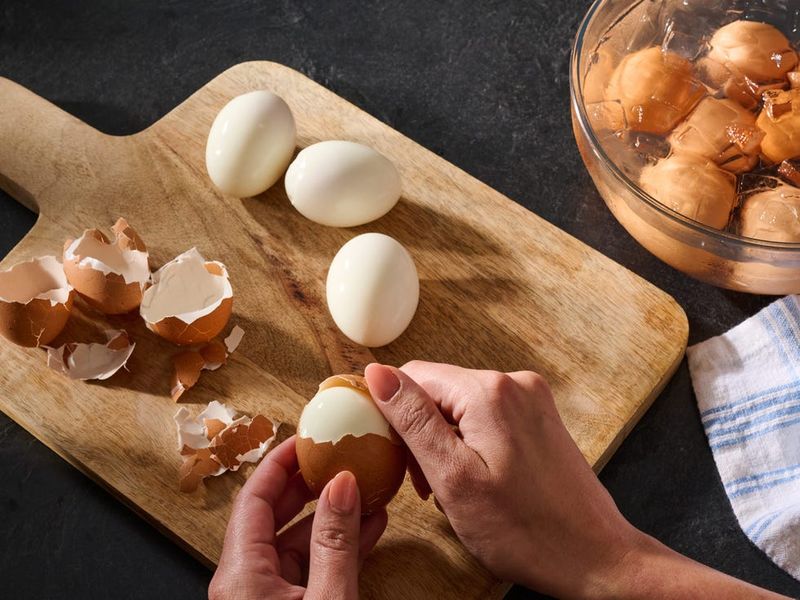
Hard-boiled eggs that stick to their shells are a classic kitchen frustration. Starting the eggs in cold water instead of dropping them into already-boiling water makes peeling so much easier afterward.
The gradual temperature change helps the egg separate from the inner membrane during cooking.
After boiling, transfer the eggs to an ice bath for a few minutes to stop the cooking process. The shells will practically slide right off.
It is a small change in method that makes a genuinely big difference in the final result.
15. Use a Spoon Instead of a Knife to Peel Ginger
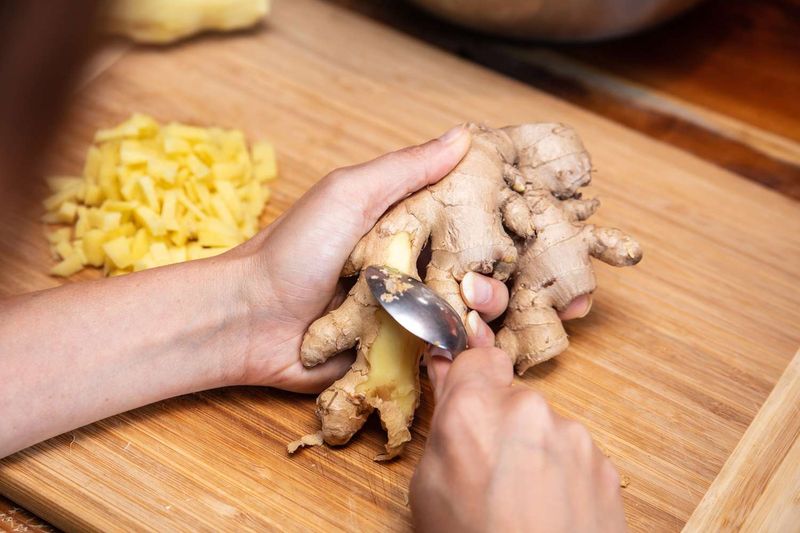
Ginger root has all those little bumps and curves that make peeling it with a knife both wasteful and awkward. The edge of a regular metal spoon gets into every groove and scrapes off just the thin outer skin without removing any of the good stuff underneath.
You waste far less ginger this way, and the process is actually faster once you get the hang of it. It also feels safer than using a sharp blade on an oddly shaped root.
A spoon does the job better than you would ever expect.




Comments
No Comments