












Some ingredients just need a little heat and patience to go from ordinary to extraordinary. Caramelising is a simple cooking technique where natural sugars break down and transform into something rich, golden, and deeply flavourful.
You might be shocked at how a plain vegetable or fruit can taste like a completely different food after spending time in a hot pan. Get ready to rethink your kitchen staples.
1. Onions
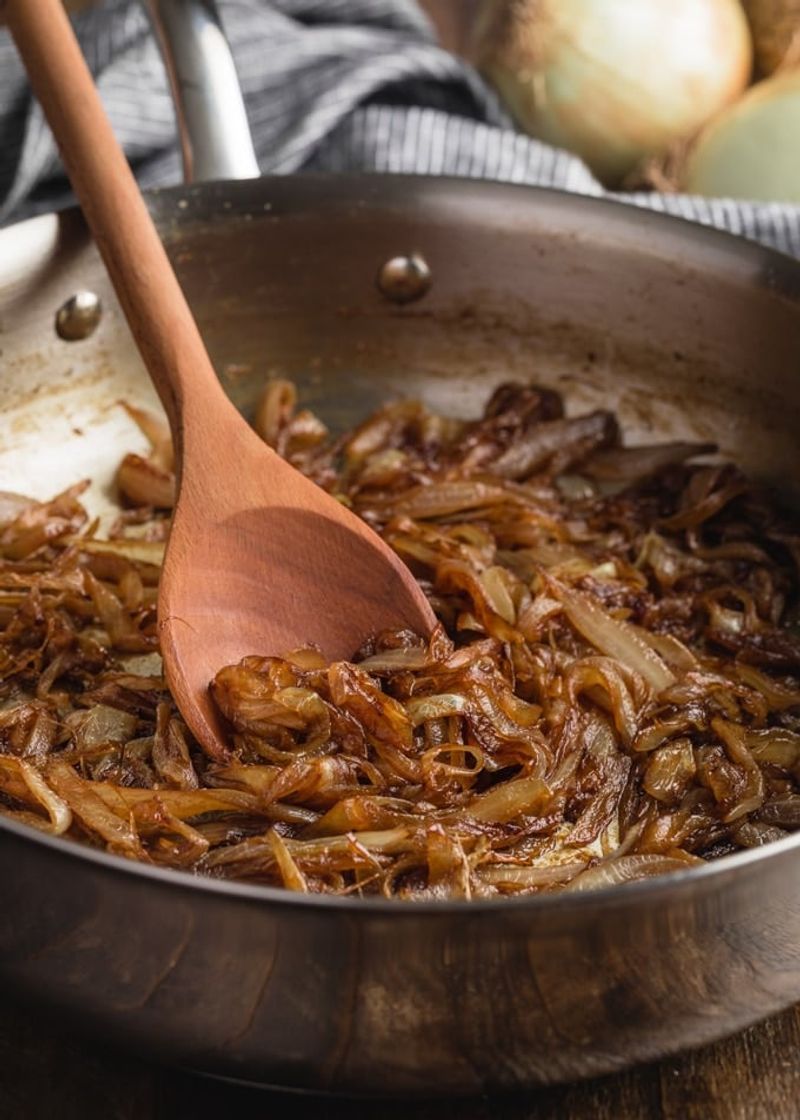
Few kitchen transformations are as dramatic as what happens to an onion over low heat. Raw onions are sharp and pungent, almost eye-watering.
But give them 30 to 45 minutes in a buttered pan, and they melt into a sweet, silky, amber-coloured jam.
Caramelised onions are a secret weapon in burgers, pasta, and French onion soup. The low-and-slow method is key.
Rushing the process with high heat just burns them rather than unlocking their natural sweetness.
2. Bananas
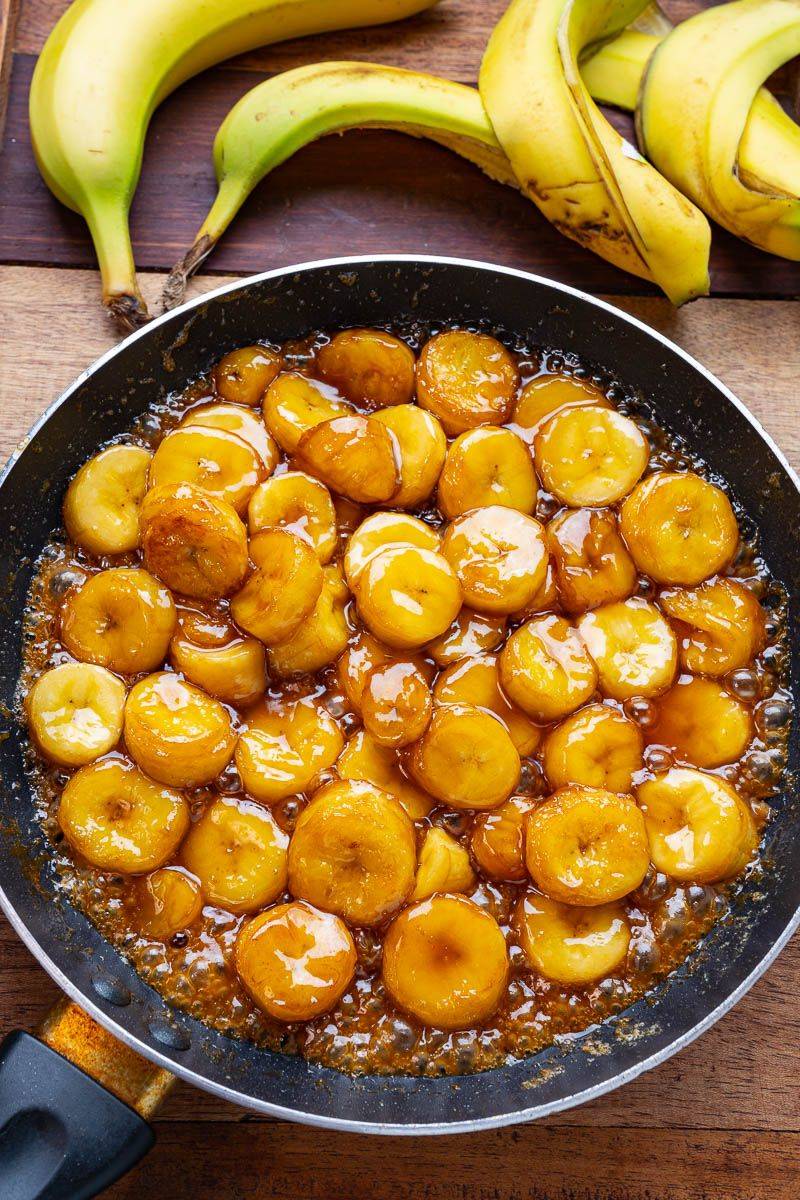
Bananas are already sweet, so caramelising them feels almost like cheating in the best possible way. When you cook banana slices in butter and brown sugar, the outside crisps up while the inside turns custardy and soft.
Served over vanilla ice cream or pancakes, caramelised bananas are genuinely show-stopping. The sugar forms a thin, crackly crust that shatters with each bite.
Even people who are not big banana fans tend to fall hard for this version.
3. Brussels Sprouts
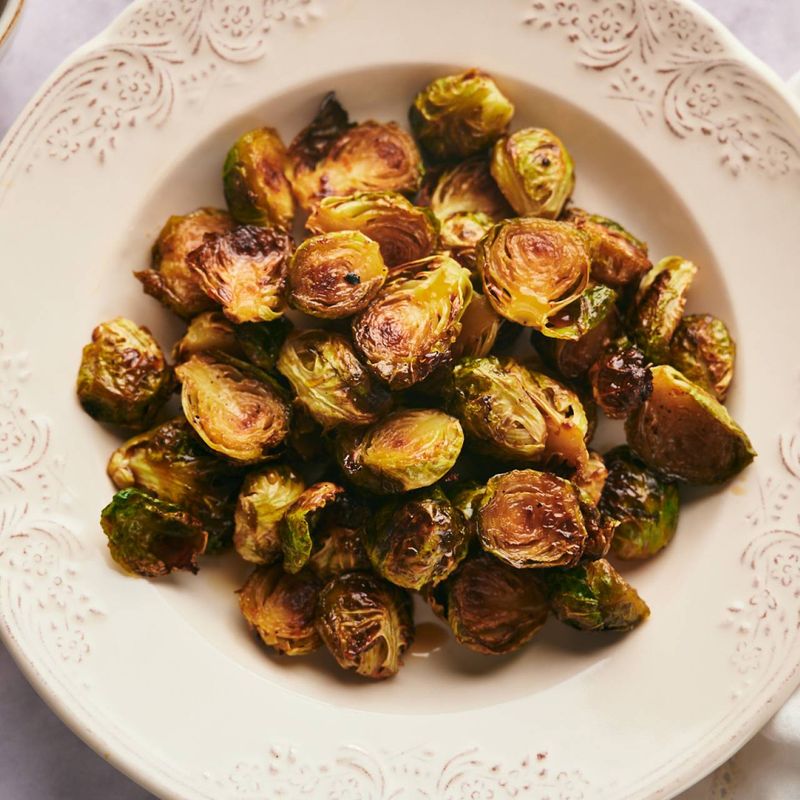
Brussels sprouts have a reputation problem, and most of it comes from being boiled into mush. Roasting or pan-frying them until the outer leaves caramelise completely changes the story.
The bitterness fades, and a nutty, slightly sweet flavour takes over.
Toss them in olive oil, a pinch of salt, and a drizzle of balsamic vinegar before cooking for extra depth. Kids who swore they hated Brussels sprouts often change their minds after trying them this way.
4. Pineapple
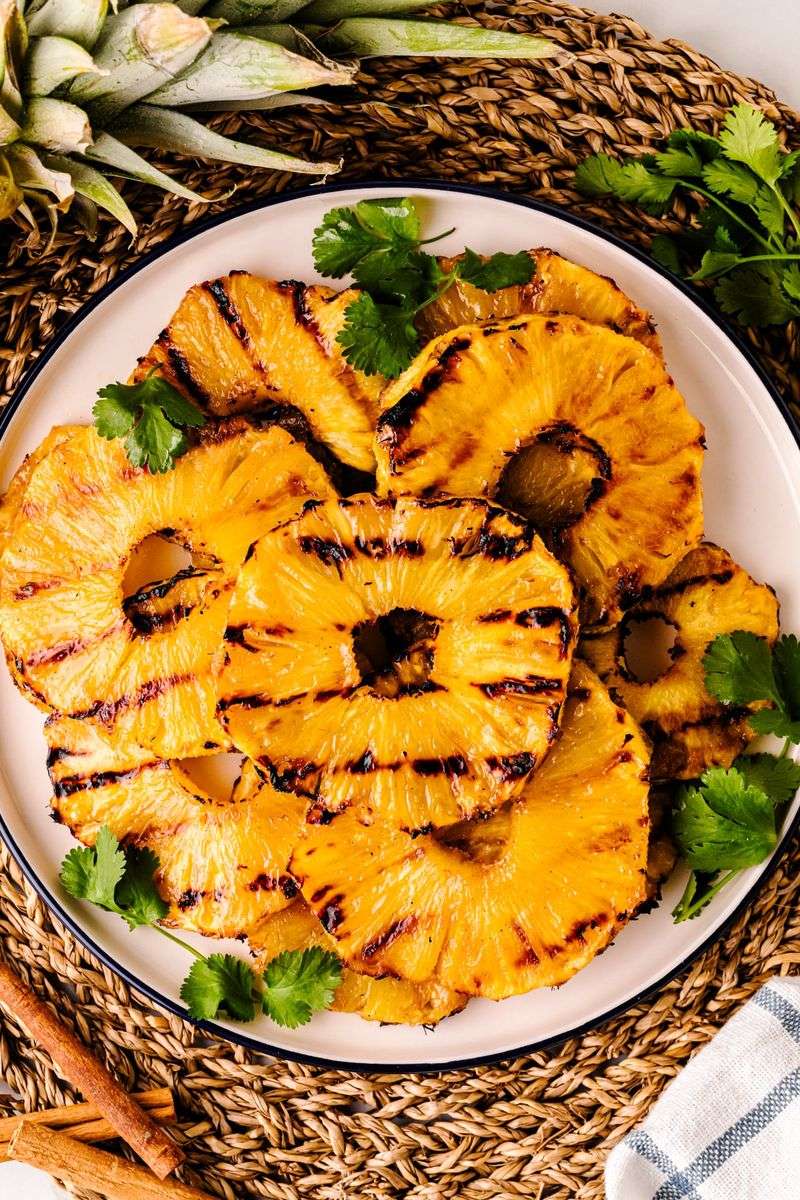
Grilled or pan-seared pineapple is one of those things that sounds unnecessary until you actually try it. The high natural sugar content in pineapple means it caramelises quickly and develops a smoky, toffee-like crust on the outside.
The acidity mellows out beautifully, leaving behind a flavour that is almost tropical caramel. Pair it with grilled chicken, pork chops, or simply top it with a scoop of coconut ice cream.
It is a total flavour upgrade from the fresh version.
5. Garlic
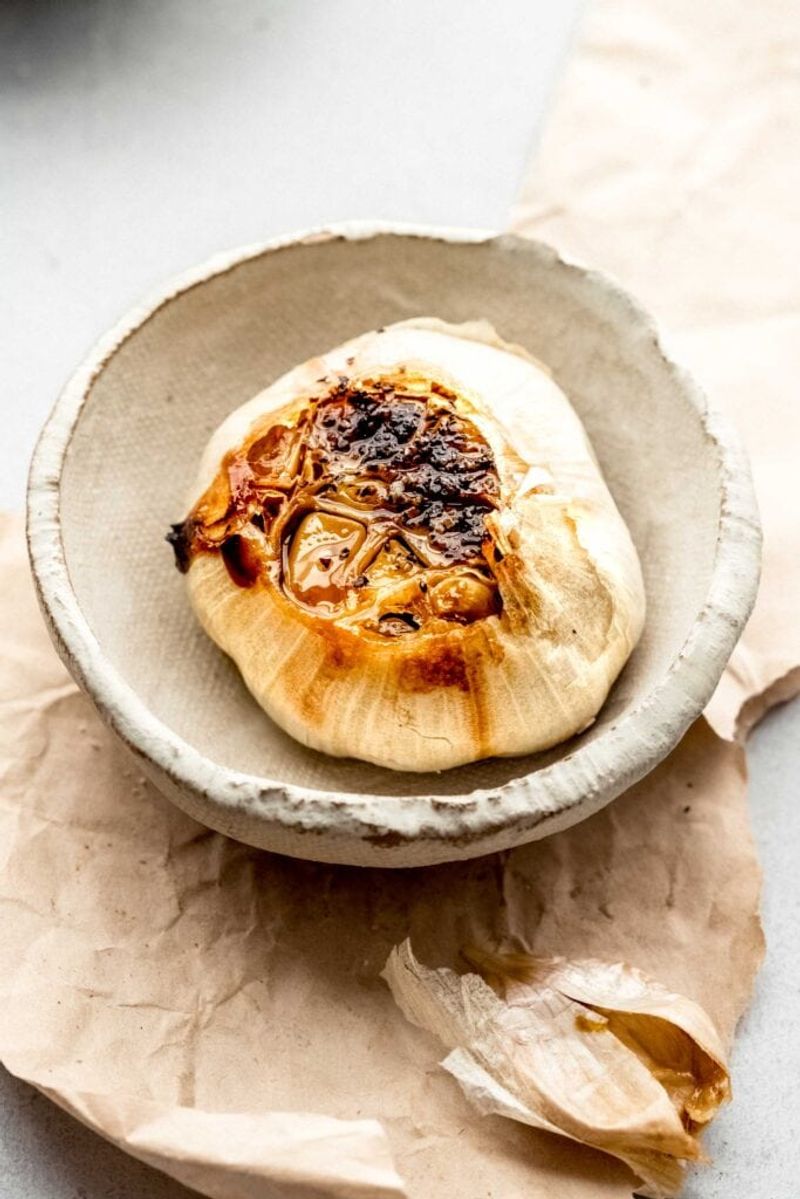
Raw garlic is sharp, spicy, and intense enough to clear a room. But roast a whole head in the oven until the cloves turn golden and soft, and something almost magical happens.
The heat converts the harsh compounds into sweet, mellow, buttery goodness.
Squeeze the roasted cloves onto bread, stir them into mashed potatoes, or spread them over pizza dough. Caramelised garlic adds a deep, savoury richness that raw garlic simply cannot match.
It is gentle enough to eat by the spoonful.
6. Fennel
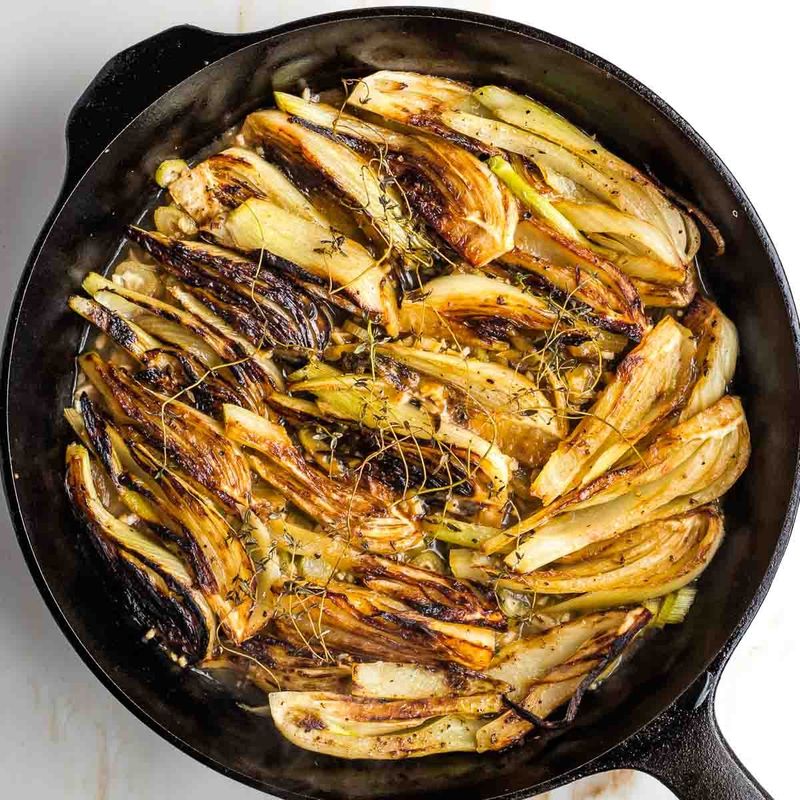
Fennel has a strong anise flavour when raw that not everyone warms up to right away. Caramelising it softens that bold licorice note into something far more approachable and genuinely delicious.
The slices turn golden, tender, and almost sweet.
Try it alongside pork, fish, or stirred into a creamy pasta. The transformation is so complete that even self-declared fennel haters often ask for seconds.
Cooking it low and slow in a little olive oil and a splash of white wine gives the best results.
7. Peaches
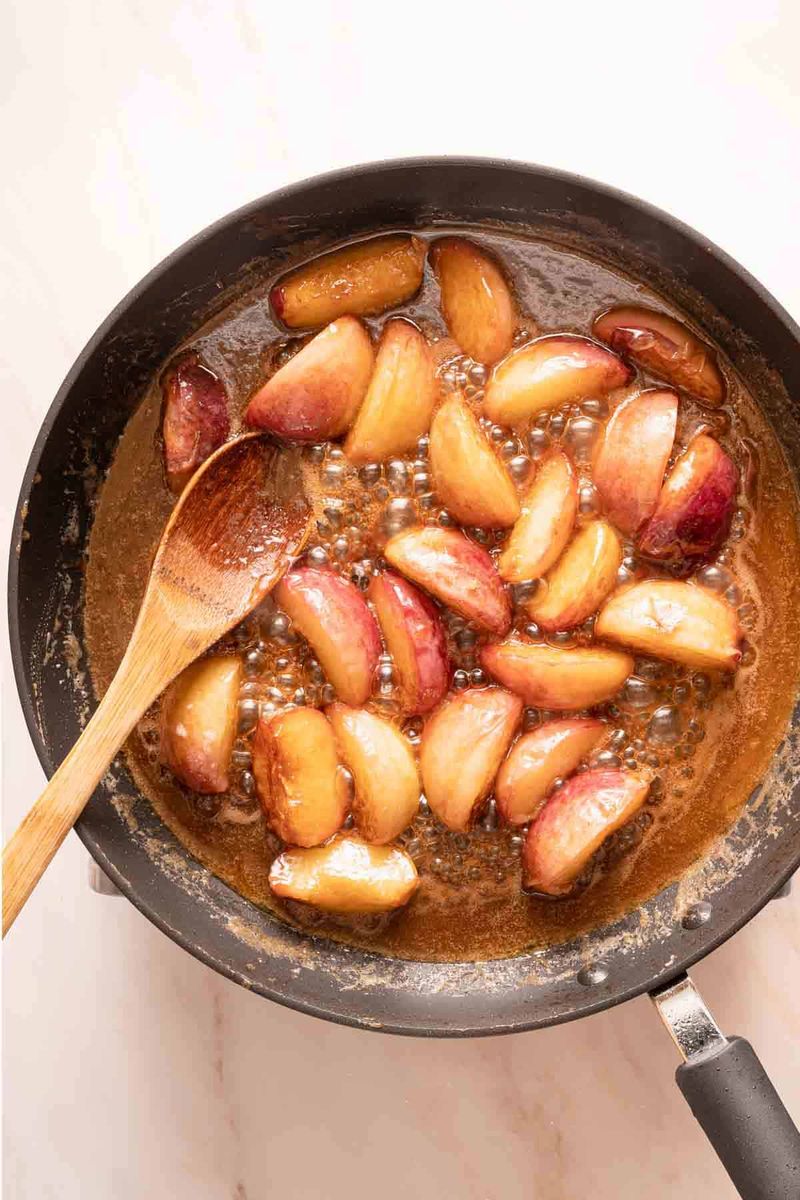
There is something almost nostalgic about a warm caramelised peach. When the natural fruit sugars hit a hot buttered pan, the flesh softens and the edges turn a deep, burnished gold.
The flavour becomes richer and more concentrated than a fresh peach.
Caramelised peaches are stunning on top of yogurt, waffles, or alongside grilled meats. A pinch of cinnamon and a tiny splash of bourbon in the pan takes the whole experience to another level entirely.
Summer fruit never tasted so comforting.
8. Leeks
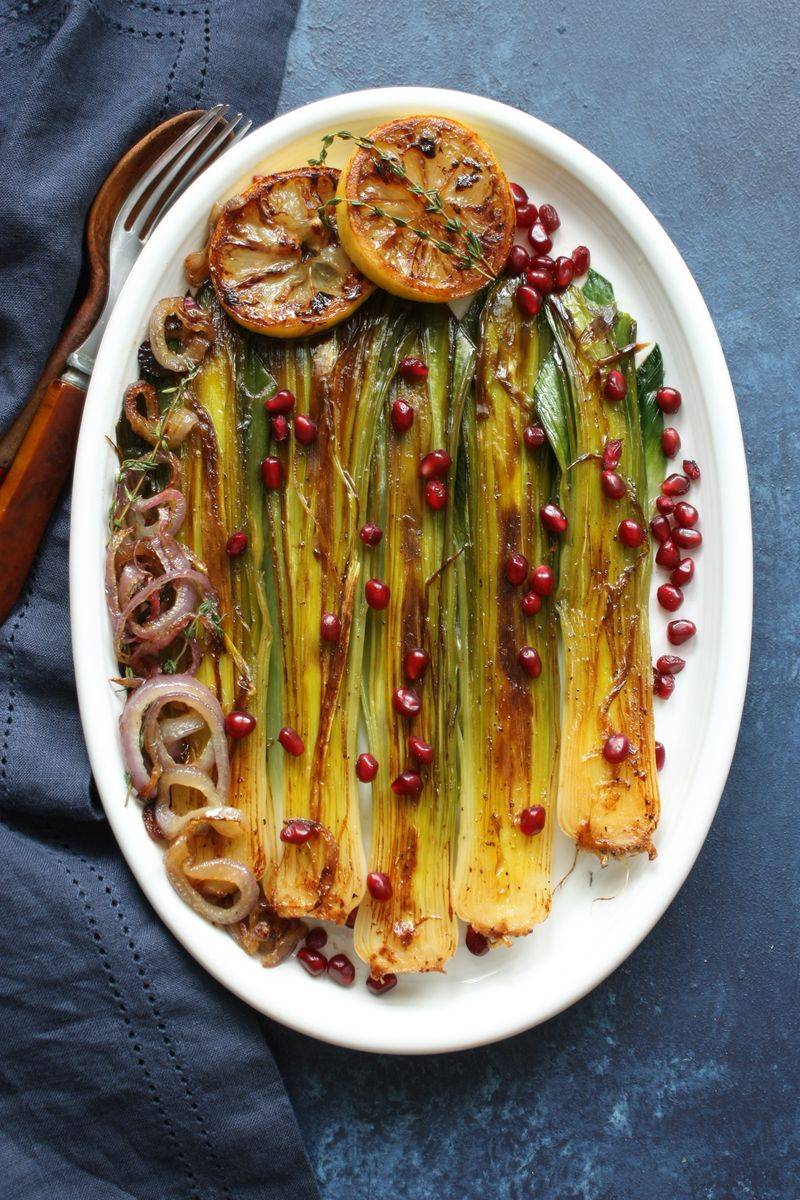
Leeks are often overlooked in favour of their bolder cousin, the onion. But spend some time caramelising them in butter over medium-low heat and they reveal a delicate, almost creamy sweetness that is entirely their own.
They practically melt into silky ribbons.
Caramelised leeks work beautifully in tarts, quiches, and creamy soups. They add elegance without overpowering other flavours.
Because they are milder than onions, they are also a fantastic option for people who find caramelised onions a bit too intense.
9. Carrots
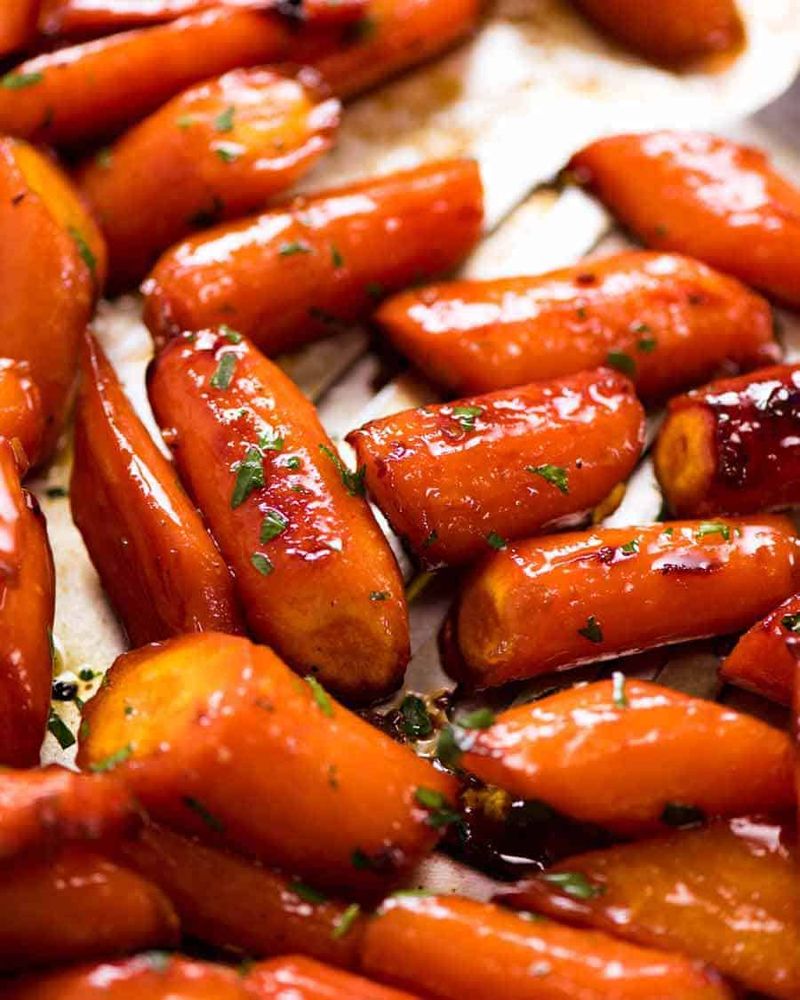
Carrots are naturally sweet, but roasting or pan-cooking them with a little butter and honey pushes that sweetness into full caramel territory. The outside edges crisp up and darken while the inside stays tender and almost jammy.
A squeeze of lemon and a sprinkle of fresh herbs after cooking balances the richness perfectly. Caramelised carrots make even the most basic weeknight dinner feel a little special.
They are colourful, flavourful, and shockingly easy to make with minimal ingredients.
10. Figs
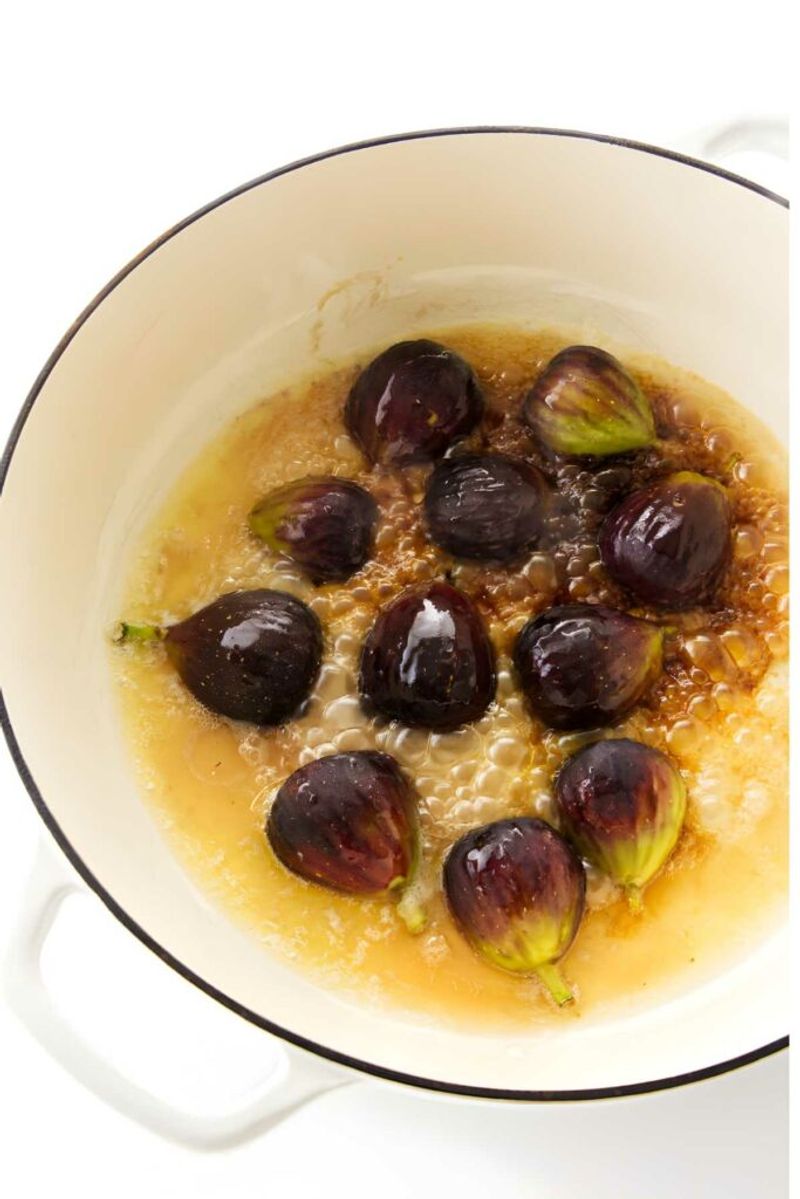
Fresh figs are lovely, but pan-caramelised figs with a drizzle of honey are on a completely different level. The heat concentrates their natural sweetness and turns the cut surface into a glistening, jewel-like caramel that is almost too pretty to eat.
Pair them with soft cheese like brie or goat cheese on a charcuterie board, or serve them over Greek yogurt with crushed walnuts. The combination of rich caramel flavour and jammy texture makes them feel indulgent without requiring much effort at all.
11. Red Cabbage
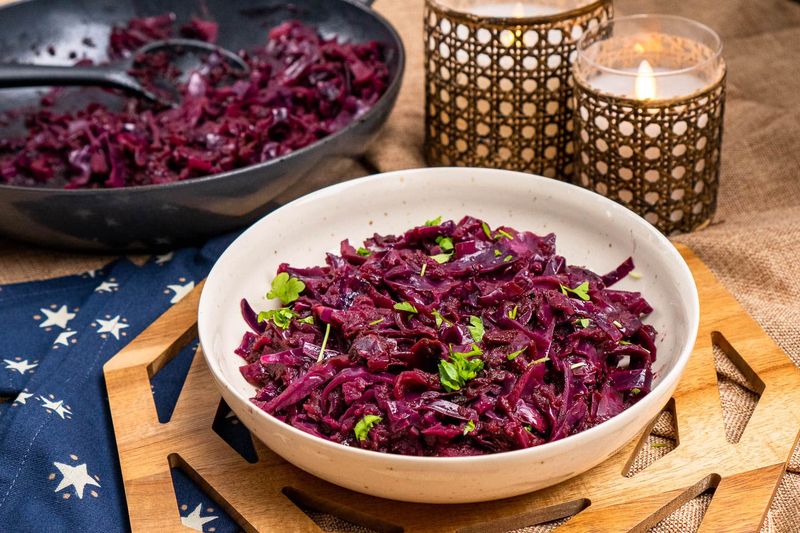
Red cabbage might seem like an unlikely caramelising candidate, but it is genuinely one of the most rewarding vegetables to cook this way. Slow-cooked with a little butter, apple cider vinegar, and brown sugar, it transforms into something deeply sweet and tangy.
The colour shifts from bright purple to a rich, jewel-toned burgundy as the sugars caramelise. Served alongside pork or duck, it cuts through richness brilliantly.
This is the kind of side dish that quietly steals the show at the dinner table.
12. Halloumi
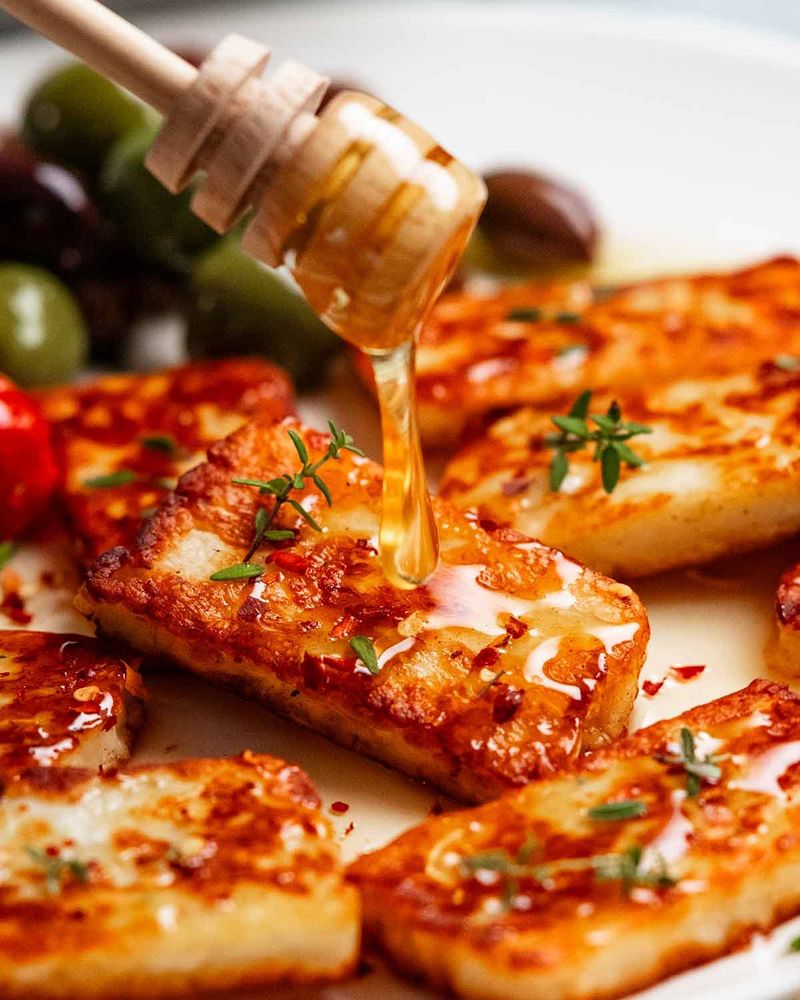
Halloumi already has a satisfying salty, squeaky quality that people love. But when it hits a dry hot pan and the outside caramelises to a deep golden crust, it becomes genuinely extraordinary.
The contrast between the crispy, caramel exterior and the soft, melty interior is addictive.
A drizzle of honey and a sprinkle of chilli flakes right after cooking adds a sweet-salty-spicy kick that is hard to resist. Serve it as a starter, over salads, or tuck it into a warm flatbread for a quick and satisfying meal.
13. Apples
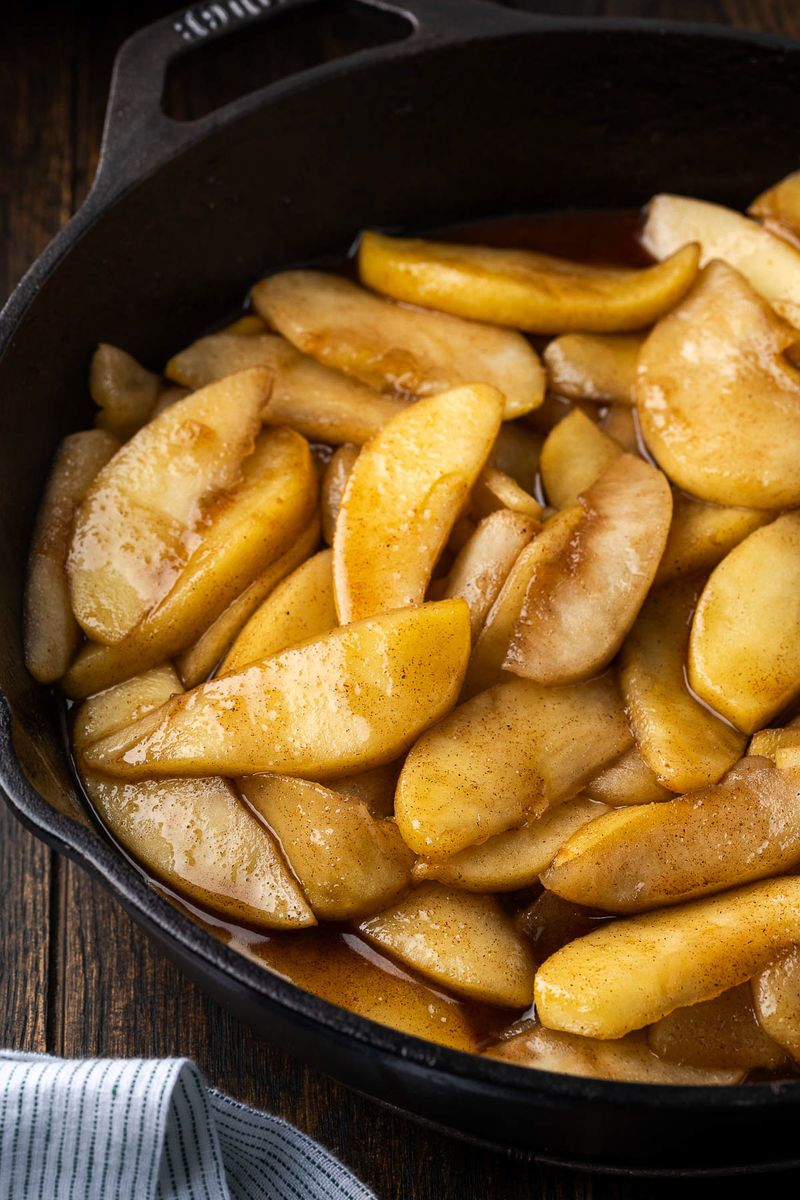
Everyone knows baked apples are good, but pan-caramelised apple slices hit differently. Cooked in butter with a sprinkle of cinnamon and brown sugar, they develop a rich, toffee-like coating that makes them taste like the filling of the best apple pie you have ever had.
They are perfect over oatmeal, crepes, or pork tenderloin. The tartness of a Granny Smith apple works especially well because the natural acidity balances the deep sweetness of the caramel.
Simple, fast, and absolutely worth making.
14. Tomatoes
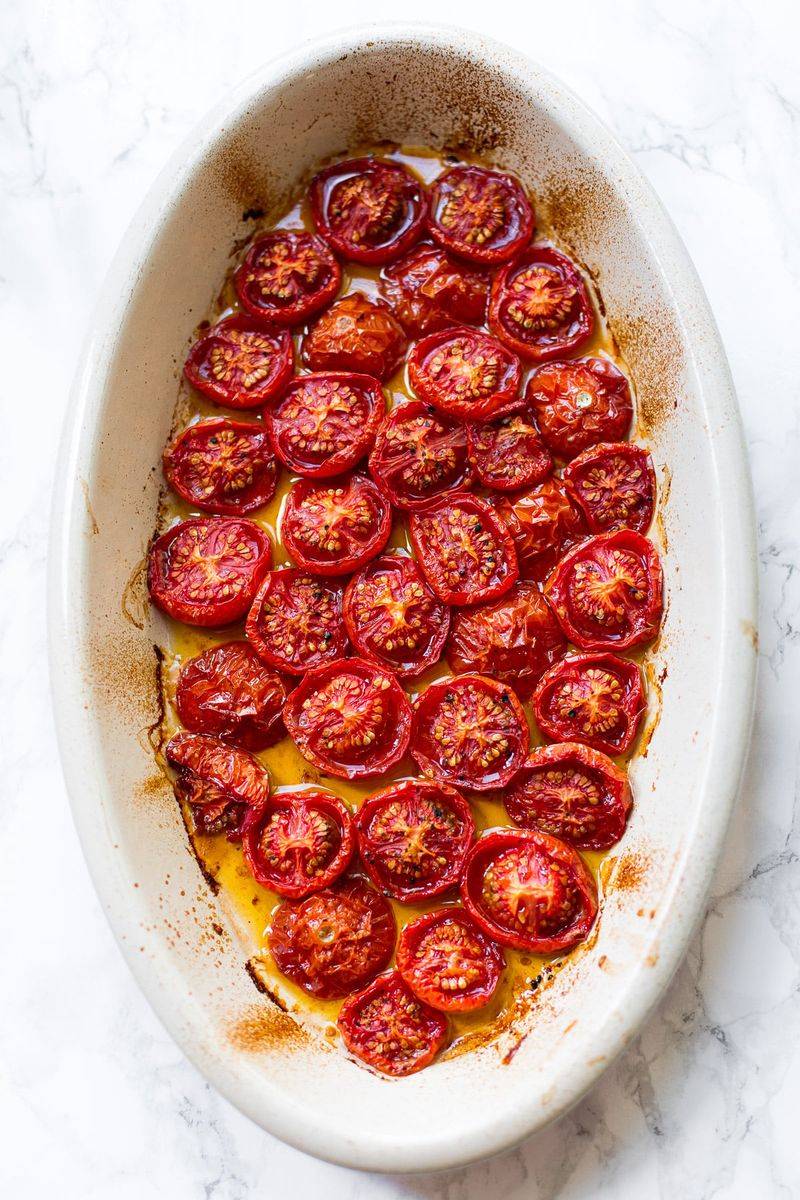
Raw tomatoes can be a bit hit or miss depending on the season, but roasting them low and slow changes everything. As the moisture evaporates, the natural sugars concentrate and caramelise, turning each tomato into a tiny burst of intensely sweet, savoury flavour.
Cherry tomatoes work especially well because their small size means faster, more even caramelisation. Toss them with pasta, layer them on bruschetta, or stir them into scrambled eggs.
Once you try tomatoes this way, plain raw ones feel like a missed opportunity.
15. Shallots
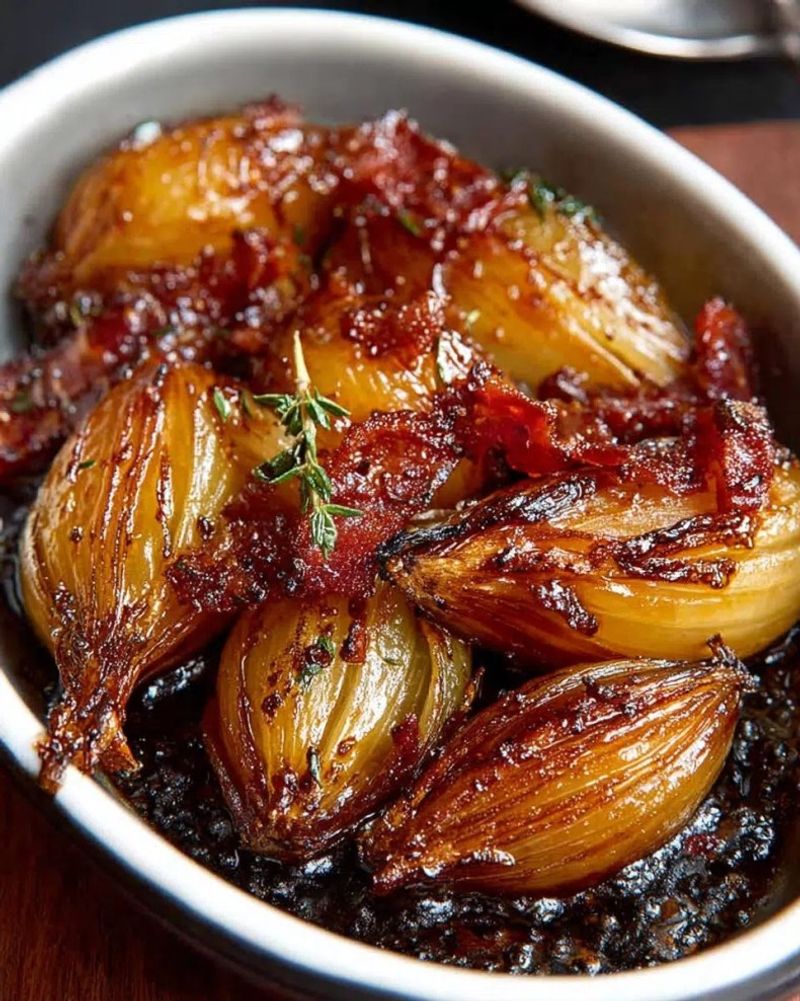
Shallots are more refined than onions, with a subtle flavour that sits somewhere between onion and garlic. When roasted whole or cooked down slowly in a pan, they caramelise beautifully into tender, glossy little morsels with a complex, wine-like sweetness.
A balsamic glaze added near the end of cooking gives them a sticky, restaurant-worthy finish. They are brilliant alongside roast beef, lamb, or stirred into a rich gravy.
Honestly, caramelised shallots make almost any savoury dish taste like it came from a fancy kitchen.




Comments
No Comments