













Food has always been at the center of culture, health, and politics. Some of the most common foods on your plate today were once banned by governments, feared by the public, or thought to cause serious harm.
History is full of surprising stories about everyday ingredients that were treated like dangerous substances. Get ready to look at your pantry in a whole new way.
1. Tomatoes
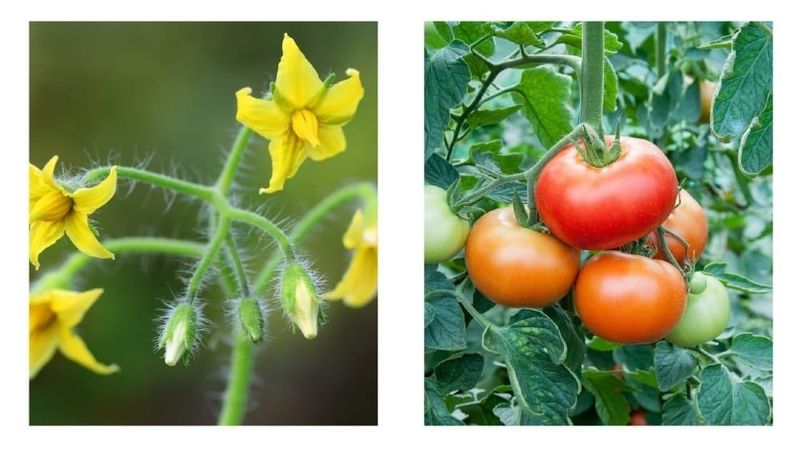
For nearly two centuries, Europeans were convinced that tomatoes were deadly. Known as the "poison apple," the tomato was blamed for killing wealthy people who ate off pewter plates - not knowing the acidic fruit leached lead from the metal.
Farmers grew them as decorative plants, not food. It took brave eaters and time to prove tomatoes were safe.
Today, they are one of the most-consumed foods worldwide, starring in everything from pizza sauce to salads.
2. Potatoes

When potatoes arrived in Europe from South America in the 1500s, many people flat-out refused to eat them. Religious groups claimed the Bible never mentioned potatoes, so they must be sinful.
Some communities even blamed them for causing leprosy and other diseases.
France once banned potato farming entirely. It took clever tricks - like guarding potato fields to make them seem valuable - to convince people to try them.
Now potatoes are a global staple loved by nearly everyone.
3. Lobster
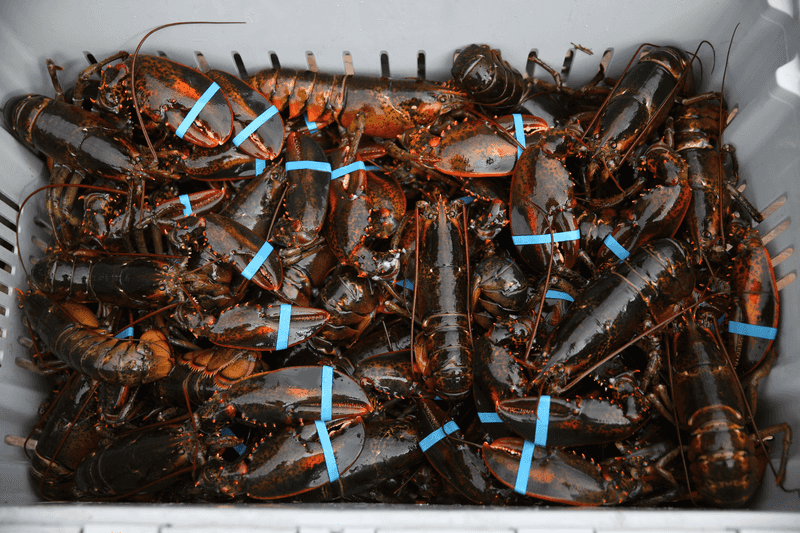
Hard to believe, but lobster used to be considered the food of the poor and the desperate. In colonial America, feeding servants lobster more than three times a week was seen as cruel and unusual.
Some workers even wrote it into their contracts that they would not be forced to eat it.
Lobster was so common that it washed up on beaches by the ton. A shift in transportation, canning technology, and city tastes turned this "trash food" into a luxury dish worth top dollar.
4. Ketchup
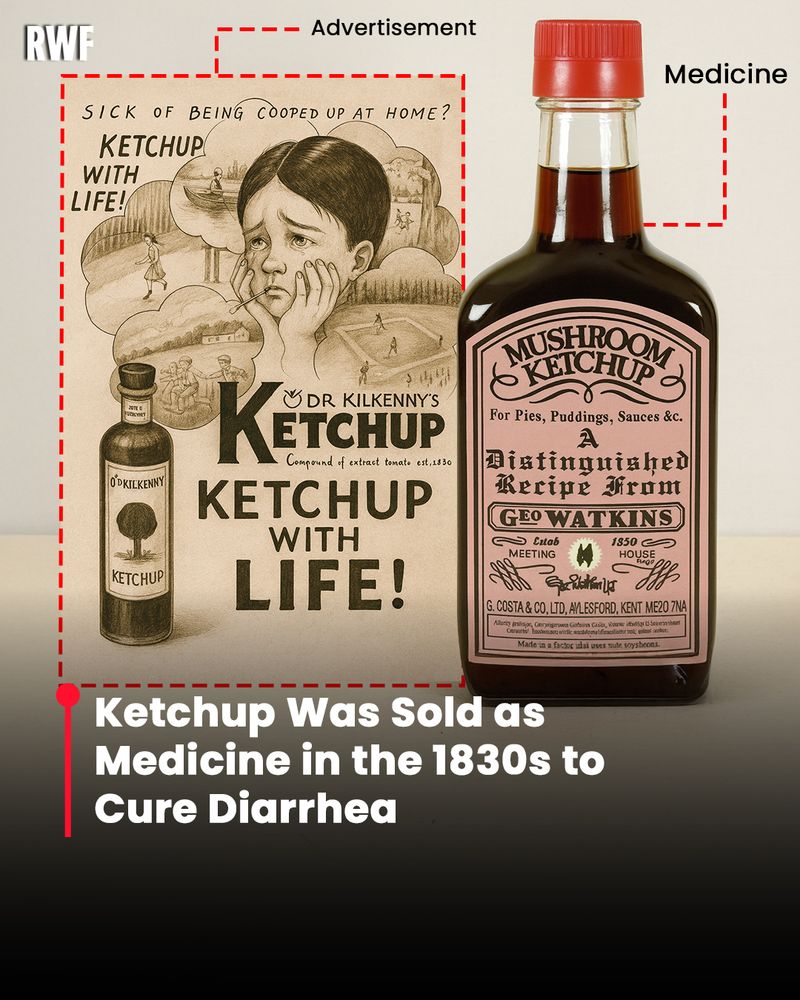
Ketchup was not always a burger topping. Back in the early 1800s, doctors actually prescribed tomato ketchup as medicine for liver problems and indigestion.
Before that, the original ketchup recipes contained fish, mushrooms, or walnuts - no tomatoes at all.
Some early versions were considered suspicious or even dangerous because tomatoes were still feared. Over time, the recipe changed, safety improved, and ketchup became the beloved condiment found on nearly every kitchen table and fast-food counter around the world.
5. Spinach
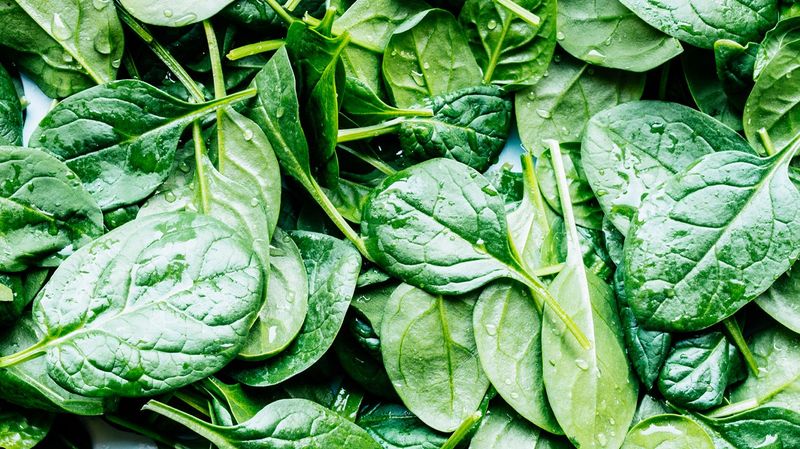
Spinach has a surprisingly dramatic past. During the Middle Ages, it was welcomed in Europe as a healthy green, but its reputation took a hit when people noticed it caused stomach cramps in large amounts.
The high oxalic acid content made it hard for the body to absorb iron and calcium.
Some groups avoided it entirely, fearing it was toxic. Despite the old suspicions, spinach is now celebrated as a superfood packed with vitamins and minerals that support strong bones and sharp eyesight.
6. Absinthe

Absinthe earned the nickname "the Green Fairy" and a terrifying reputation to match. By the early 1900s, this anise-flavored spirit was banned in the United States, France, and several other countries.
Authorities blamed it for hallucinations, violence, and madness.
The real culprit was likely just high alcohol content combined with cheap, poorly made versions of the drink. Modern science found no evidence that absinthe causes unique harm beyond regular alcohol.
Many countries lifted the ban after researchers cleared its name.
7. Chewing Gum

Singapore banned chewing gum in 1992, and the rule was no joke. The government was tired of gum clogging subway doors, sticking to seats, and littering sidewalks.
Anyone caught importing or selling gum faced heavy fines.
The ban was eventually softened in 2004 to allow therapeutic gum sold through pharmacies. Chewing gum is still tightly controlled there today.
What seems like a harmless habit in most countries became a serious public order issue in one of the world's most organized cities.
8. Chocolate
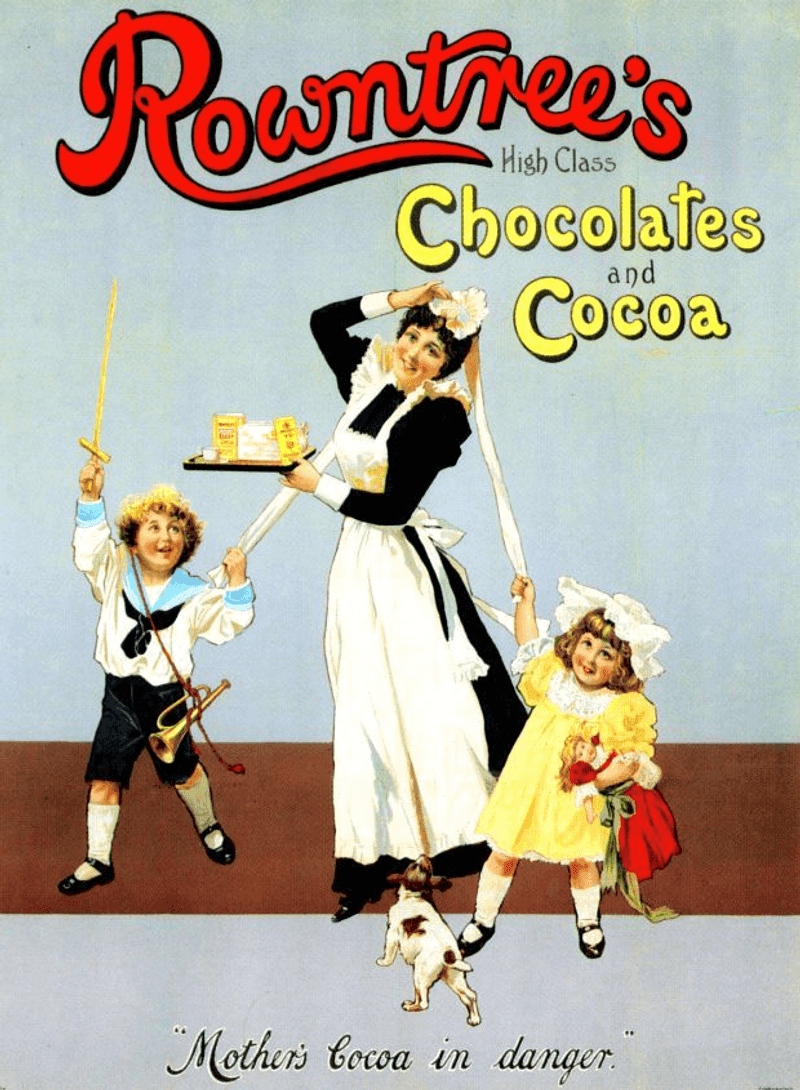
Chocolate was once seen as a dangerous, sinful luxury. When it arrived in Europe from the Americas in the 1600s, some church leaders argued it was too pleasurable and should be avoided during fasting periods.
Debates raged for years over whether drinking chocolate counted as breaking a fast.
In some regions, women were temporarily banned from church services if they consumed chocolate. The Church eventually relaxed its stance, and chocolate went on to become one of the most universally loved treats on the planet.
9. Foie Gras
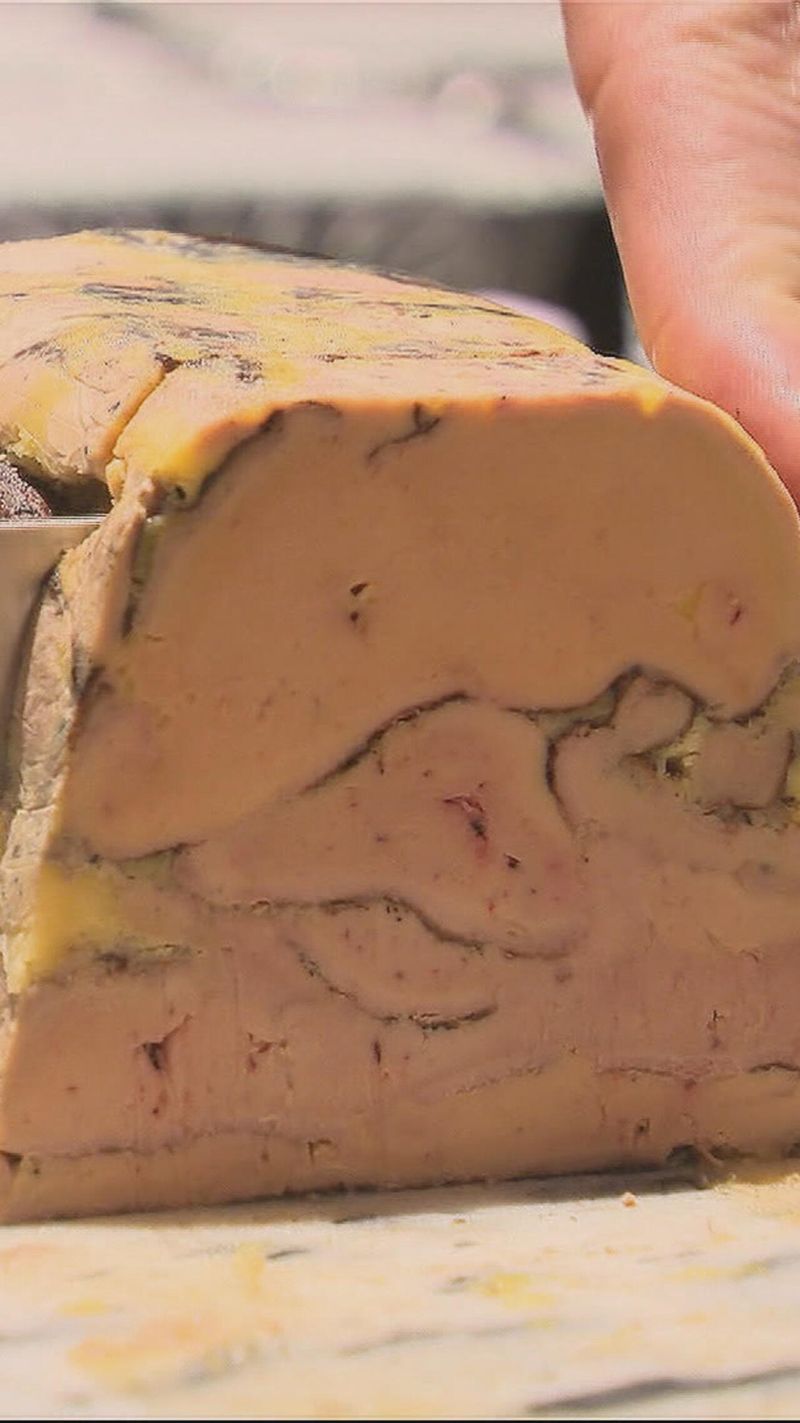
Foie gras is a French delicacy made from the liver of a duck or goose that has been specially fattened. The process, called gavage, involves force-feeding the birds, which sparked major animal welfare debates around the world.
California banned foie gras in 2012, though the law was later challenged and partially overturned. Countries including the UK and Germany have also restricted or banned its production.
Foie gras sits at a complicated crossroads between culinary tradition and ethical concerns that people are still arguing about today.
10. Raw Milk
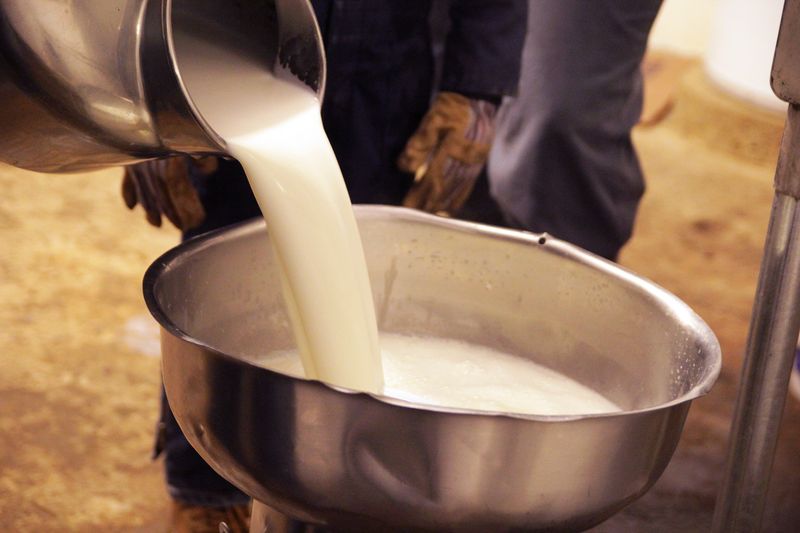
Raw milk - milk that has not been pasteurized - is illegal to sell in many U.S. states and several countries. Governments cracked down after outbreaks of tuberculosis, salmonella, and E. coli were linked to unpasteurized dairy in the late 1800s and early 1900s.
Supporters argue raw milk has natural enzymes and probiotics that pasteurization destroys. Health officials strongly disagree and warn of serious risks, especially for children and pregnant women.
The debate between safety and natural food choices is still very much alive.
11. Haggis
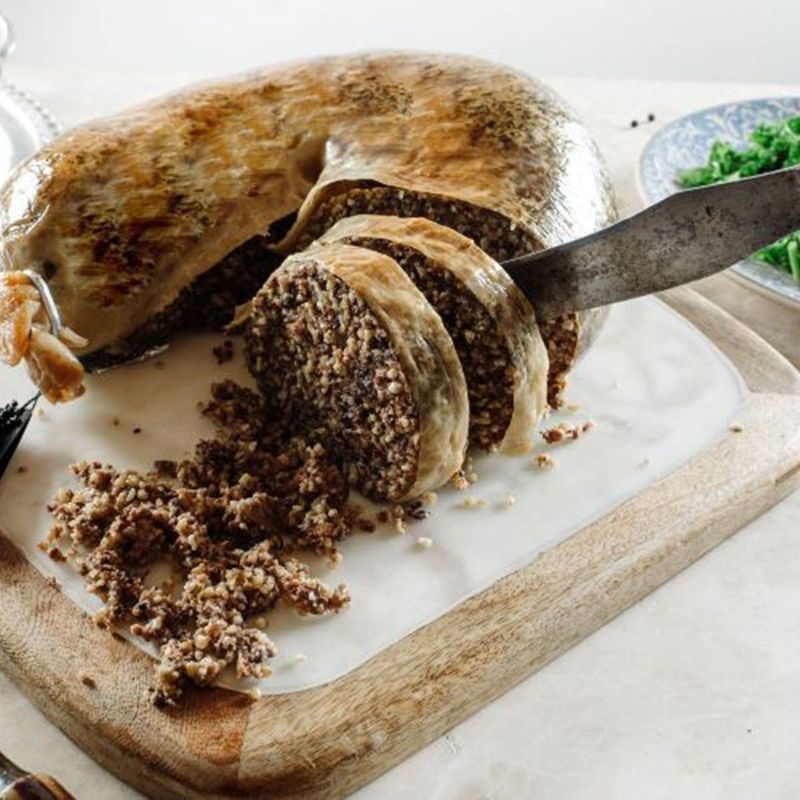
Scotland's national dish has been banned in the United States since 1971. Haggis is made from sheep's heart, liver, and lungs mixed with oatmeal and spices, traditionally cooked inside a sheep's stomach.
The U.S. Department of Agriculture prohibits the sale of livestock lungs for human consumption, which rules out authentic haggis.
Scots living in America have to make do with modified versions that leave out the lungs. For many Scottish Americans, this ban feels like a small but meaningful cultural loss every Burns Night.
12. Sassafras
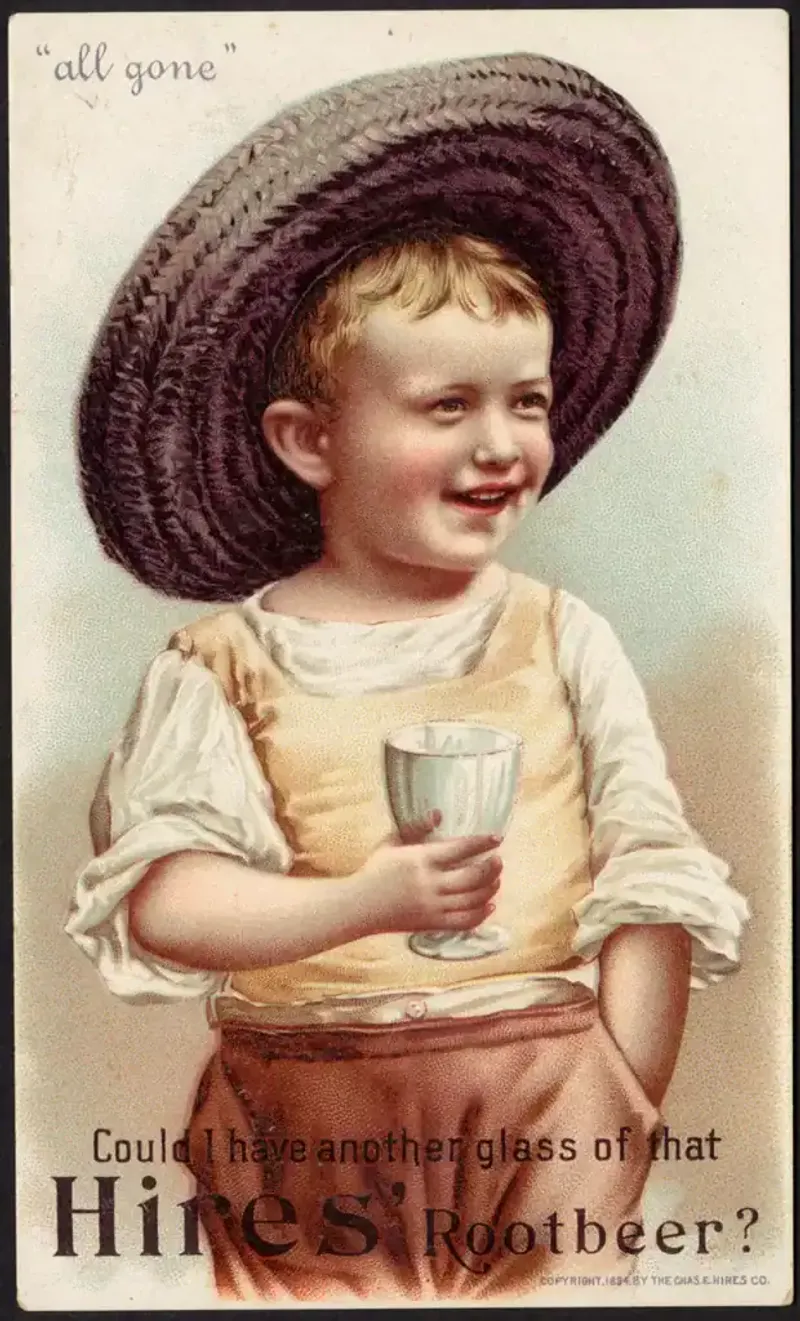
Sassafras was once a beloved flavoring used in root beer and traditional medicines. Native Americans used it for centuries, and European settlers quickly adopted it.
By the 1960s, the FDA declared safrole - the main oil in sassafras root bark - a potential carcinogen after studies on lab animals showed liver damage.
Sassafras extract was banned from commercially produced foods and drinks in the United States. Root beer makers switched to artificial flavors.
The plant itself is still around, but its once-popular oil is no longer allowed in your soda.
13. Unpasteurized Cheese
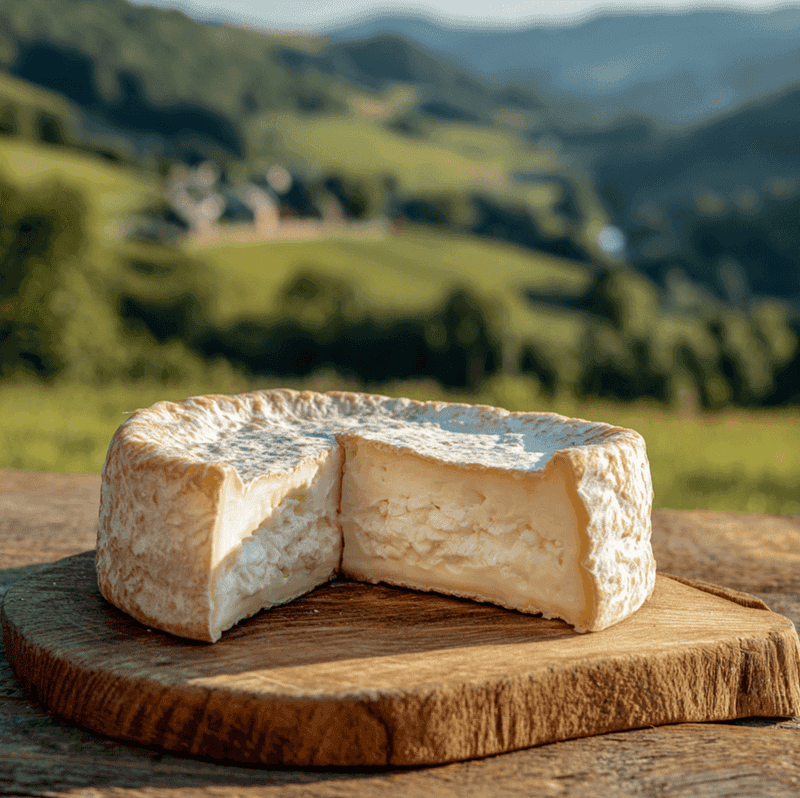
Cheese made from raw, unpasteurized milk is a prized tradition in France, Italy, and many other countries. In the United States, however, the FDA requires that raw-milk cheeses be aged for at least 60 days before sale, and some types are banned outright.
The concern is bacteria like listeria and salmonella, which can survive in soft, fresh cheeses. Cheese lovers and artisan makers argue the rules are too strict and kill the authentic flavor.
The tug-of-war between food safety and culinary heritage continues in kitchens and courtrooms alike.
14. Fugu (Puffer Fish)
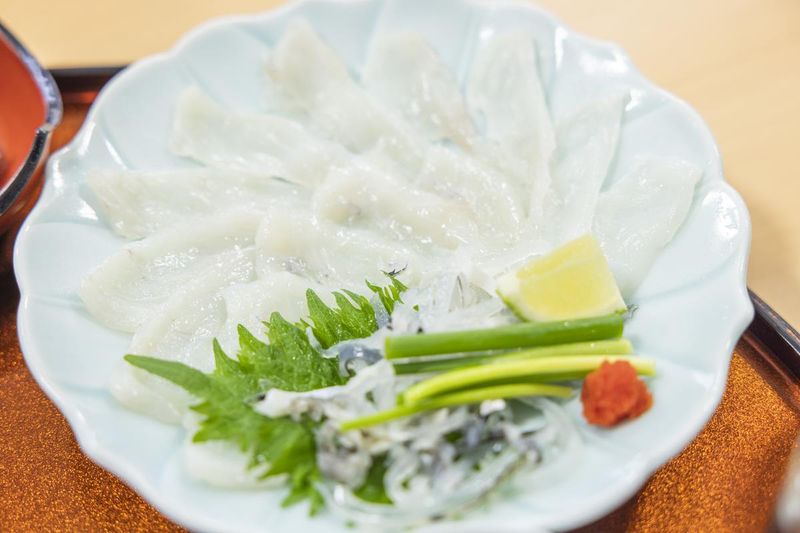
Fugu is one of the most dangerous foods legally served in restaurants. The puffer fish contains tetrodotoxin, a poison up to 1,200 times more deadly than cyanide, and there is no antidote.
Japan banned amateur preparation of fugu entirely - only licensed chefs with years of training are legally allowed to prepare it.
Despite the risk, fugu remains a prized delicacy in Japan. The thrill of eating something so potentially lethal, prepared with extreme precision, has kept this dish famous and controversial for generations.
15. Ackee Fruit
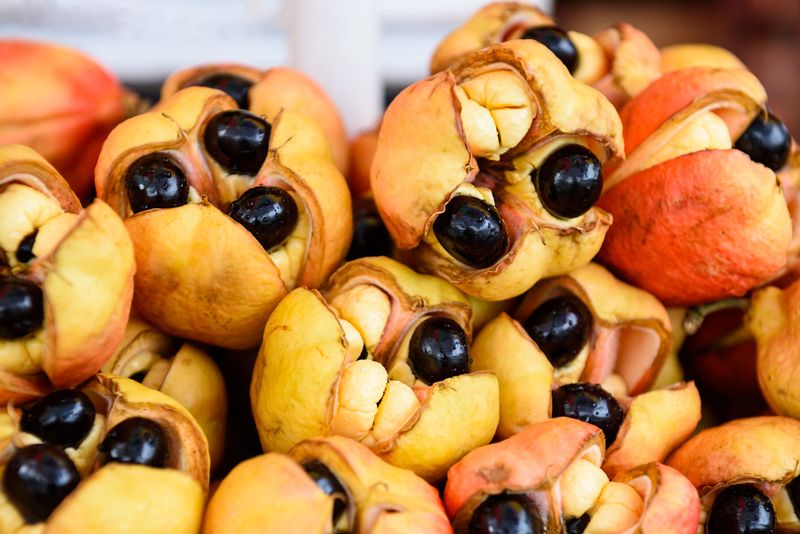
Jamaica's national fruit looks cheerful and tropical, but unripe ackee is genuinely deadly. The fruit contains hypoglycin A, a toxin that causes severe vomiting and can lead to coma or death.
The United States banned ackee imports for years because of the danger posed by improperly harvested fruit.
The FDA lifted restrictions on canned, properly prepared ackee in 2005. Fresh ackee is still tightly controlled.
In Jamaica, locals know exactly when the fruit is ready to eat - the bright red pod must open naturally on its own before it is safe to cook.



Comments
No Comments