












Some of your favorite foods have wild origin stories that most people never learn about. Many were created by accident, for health reasons, or even as a way to stop certain behaviors.
The history behind what we eat is far more surprising than you might think. Get ready to look at your snacks and meals in a whole new way.
1. Corn Flakes
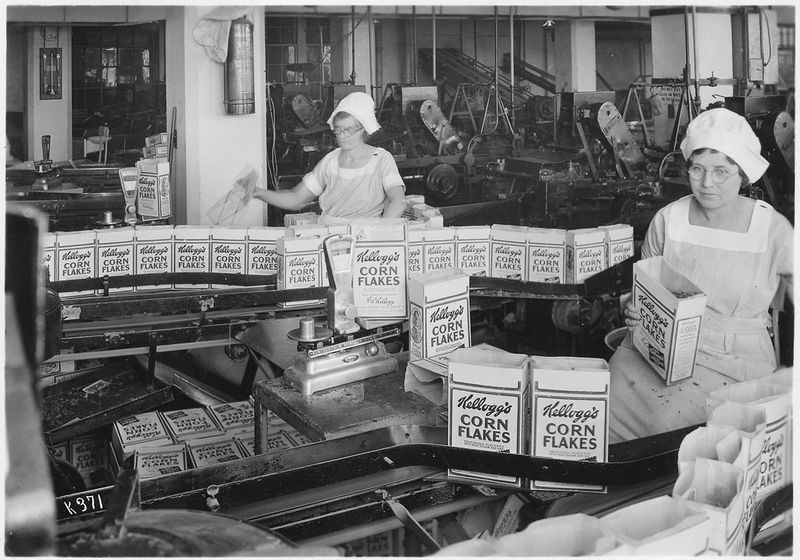
Back in the 1890s, Dr. John Harvey Kellogg did not create corn flakes to be a tasty breakfast treat. He invented them to be as plain and boring as possible, believing a bland diet would stop people from having too many exciting thoughts.
He ran a health sanitarium in Michigan and served the flakes to patients as part of a strict wellness program.
His brother Will eventually added sugar and turned it into the cereal millions enjoy today.
2. Popsicles
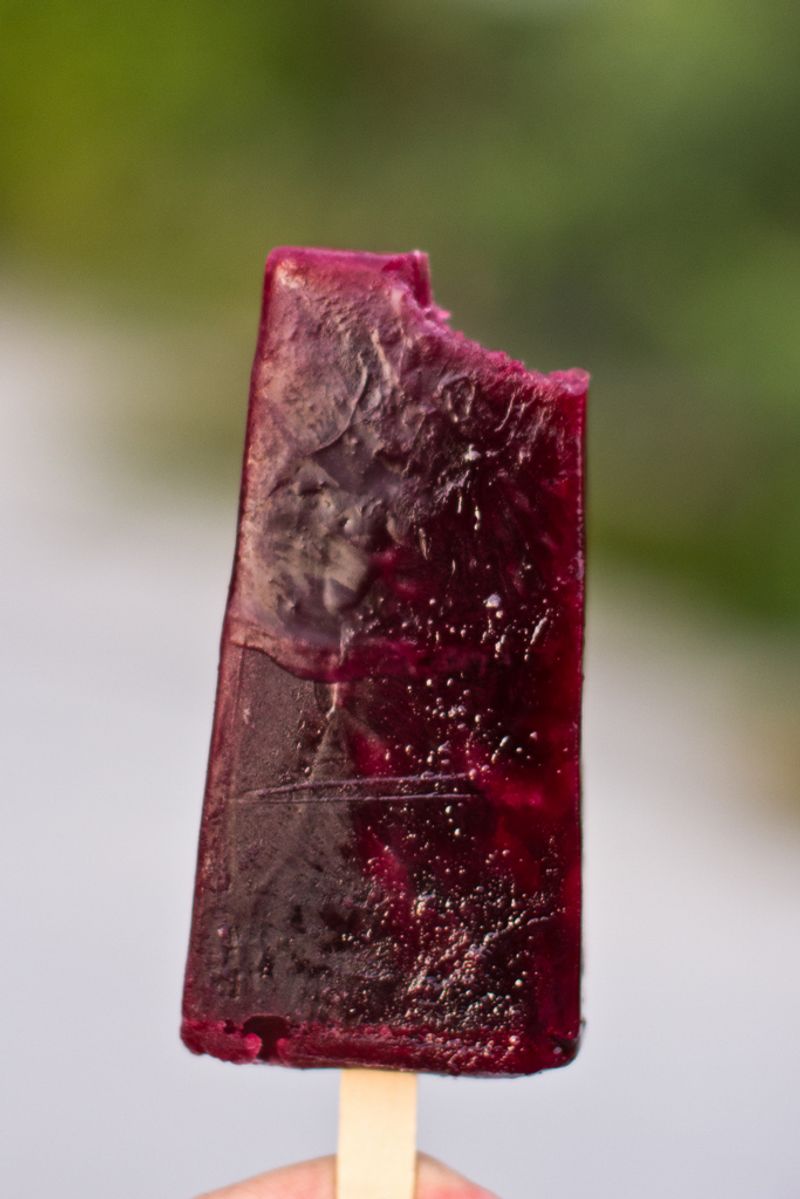
An 11-year-old named Frank Epperson accidentally invented the popsicle in 1905. He left a cup of powdered soda mix and water on his porch overnight with a stirring stick still in it.
The temperature dropped, and by morning he had a frozen treat on a stick.
He called it the "Epsicle" at first, and years later his kids started calling it "Pop's sicle," which eventually became the name we all know today.
3. Potato Chips
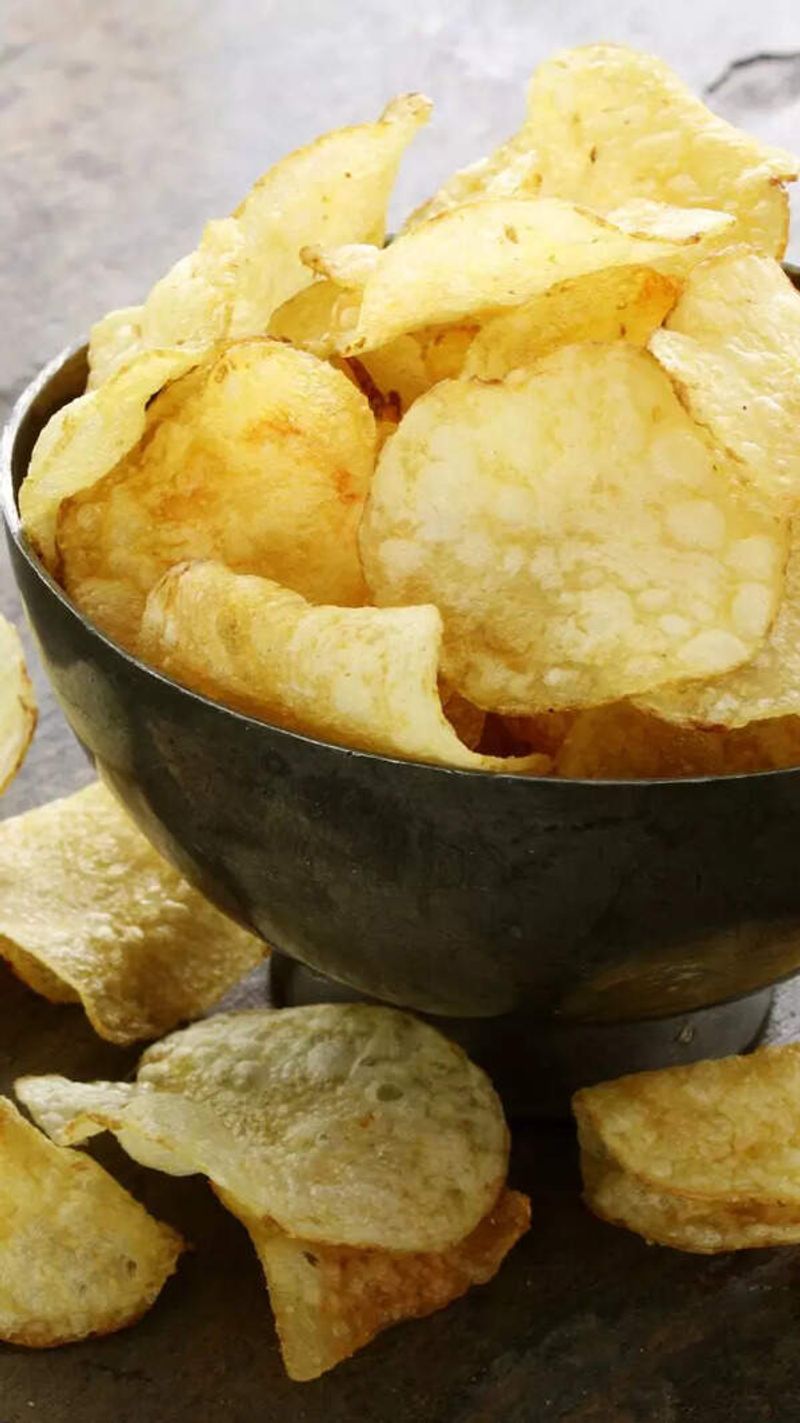
Legend has it that potato chips were born out of frustration in 1853 at a restaurant in Saratoga Springs, New York. Chef George Crum had a customer who kept sending back his fried potatoes, complaining they were too thick and soggy.
Fed up, Crum sliced them razor-thin and fried them until they were crispy, expecting the customer to hate them.
Instead, the guest loved them, and a crunchy snack icon was born from one chef's annoyance.
4. Chocolate Chip Cookies
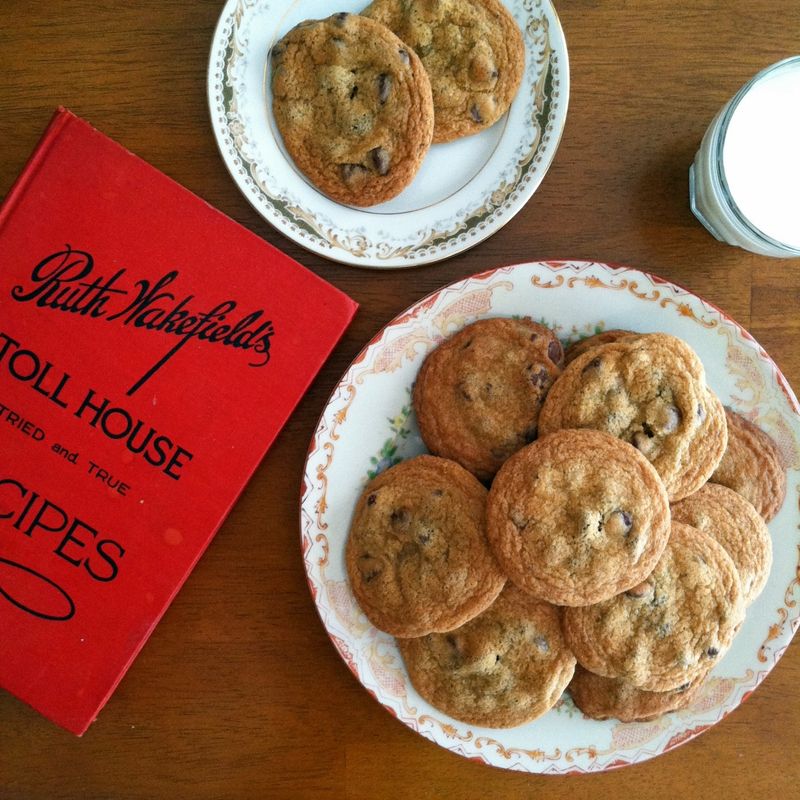
Ruth Wakefield ran the Toll House Inn in Massachusetts and one day in the 1930s she ran out of baker's chocolate for her cookies. She broke up a Nestle chocolate bar and mixed the pieces into the dough, assuming they would melt and blend in completely.
They did not melt the way she expected, and instead stayed in little chunks throughout the cookie.
Guests went crazy for them, and Nestle later struck a deal with Ruth to print her recipe on every chocolate bar wrapper.
5. Worcestershire Sauce
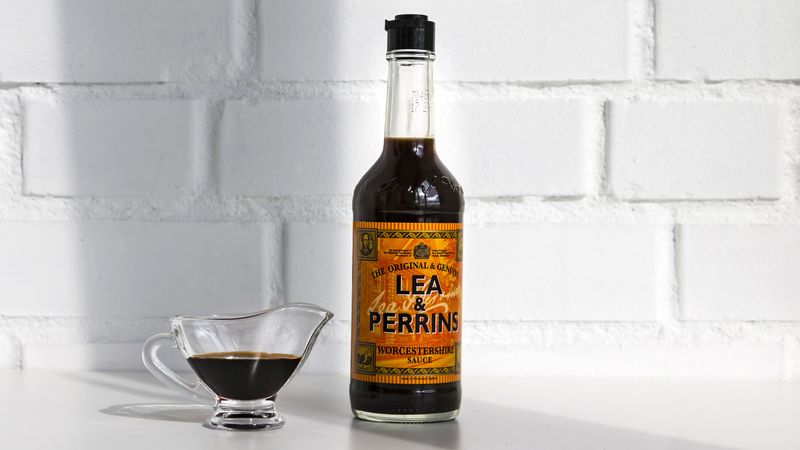
Two chemists in Worcester, England, were asked in the 1830s to recreate a sauce from a recipe brought back from Bengal, India. They mixed the ingredients and tasted it right away, but the flavor was so horrible they sealed it in barrels and shoved it in a cellar, completely forgetting about it.
About two years later, they found the barrels and tasted it again. The fermentation had transformed it into something rich and complex, and Lea and Perrins was born.
6. Cheese
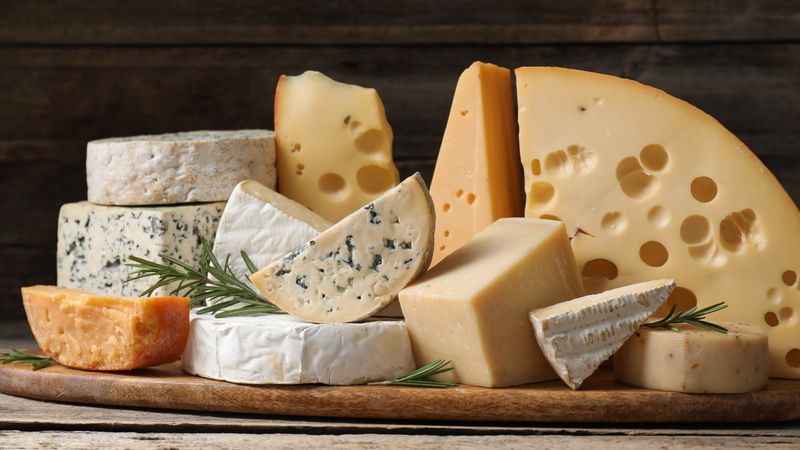
Cheese was most likely discovered by accident thousands of years ago when someone stored milk inside a pouch made from an animal's stomach. The natural enzymes in the stomach lining caused the milk to curdle and separate into curds and whey.
Instead of throwing it away, someone tasted it and realized it was actually delicious.
That happy accident gave the world one of the most beloved and versatile foods in human history, enjoyed across nearly every culture.
7. Graham Crackers
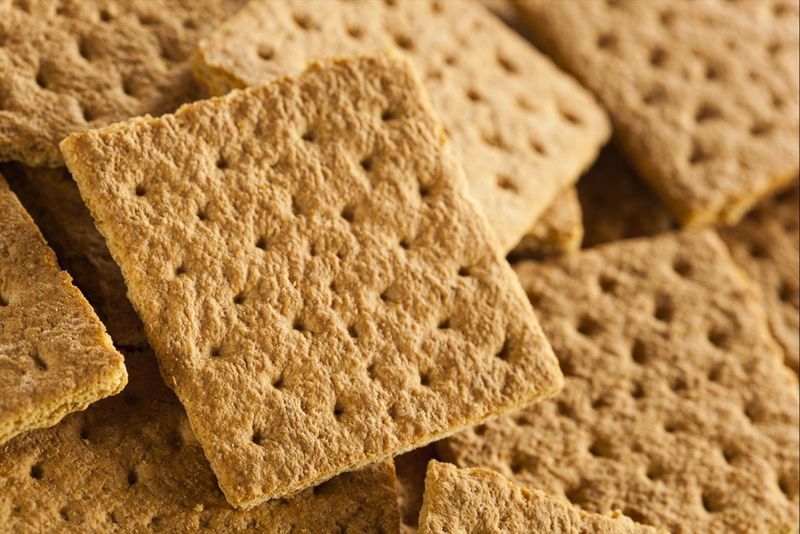
Sylvester Graham was a 19th-century minister who believed that eating spicy or flavorful food led to immoral behavior and poor health. He created his bland, unsweetened crackers as a way to keep people calm and control their desires.
Graham was obsessed with the idea that plain food would lead to a more virtuous life.
Today those same crackers get loaded with chocolate and marshmallows to make s'mores, which is pretty much the opposite of what he had in mind.
8. Coca-Cola
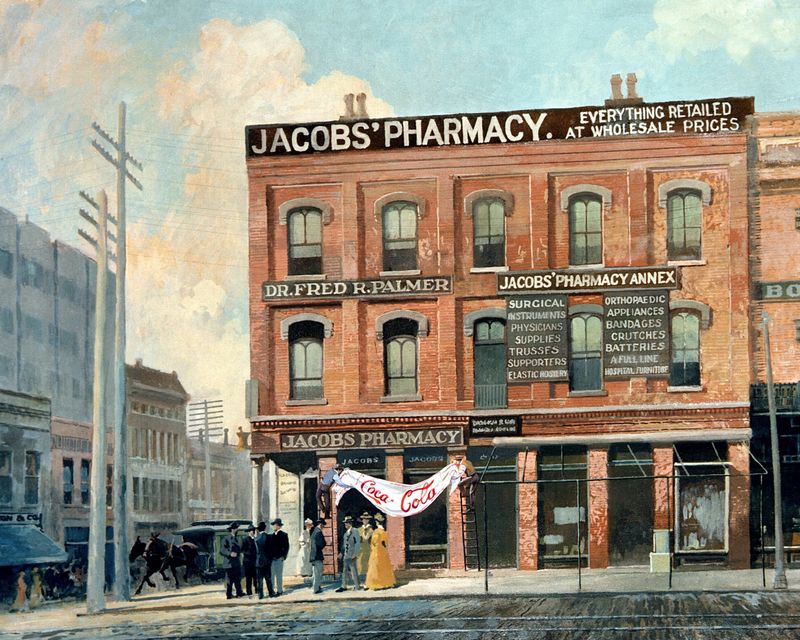
Coca-Cola was originally invented in 1886 by a pharmacist named John Pemberton as a medicinal syrup. He intended it to treat headaches and nervous disorders, and it was sold at pharmacies mixed with water.
The drink even contained small amounts of cocaine from coca leaves in its early recipe.
A soda fountain worker accidentally mixed it with carbonated water instead of plain water one day, and the bubbly version became so popular that it turned into the world-famous soft drink we know today.
9. Sandwich
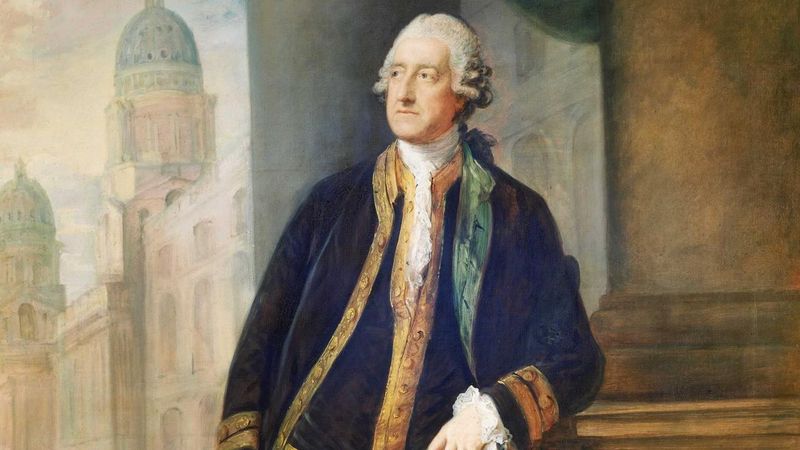
John Montagu, the 4th Earl of Sandwich, reportedly invented the sandwich in the 1700s because he refused to leave his card game. He asked his servants to bring him meat tucked between two pieces of bread so he could eat without getting his hands greasy or putting down his cards.
Other gamblers at the table started asking for "the same as Sandwich," and the name stuck. A card game habit accidentally changed the way the entire world eats lunch.
10. Yogurt
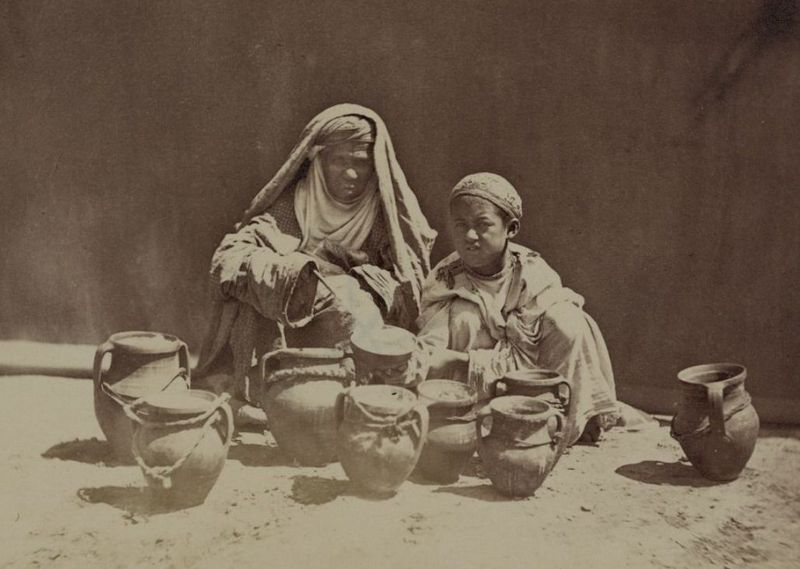
Yogurt is believed to have been discovered accidentally by ancient herders in Central Asia who carried milk in pouches made from animal stomachs. The natural bacteria in the pouches caused the milk to ferment during long journeys in the warm sun.
When the herders opened the pouches, the milk had thickened into a tangy, creamy substance.
Rather than waste it, they tasted it and found it was not only edible but also much longer-lasting than fresh milk, making it a practical travel food.
11. Champagne

For a long time, champagne was actually considered a mistake. Winemakers in the Champagne region of France were frustrated when their wine developed bubbles during secondary fermentation, which caused bottles to explode in cellars.
It was seen as a flaw and a financial disaster for many producers.
A monk named Dom Perignon worked to control the process, and eventually the bubbly wine became fashionable among French royalty. What was once a winemaking nightmare turned into the world's most iconic celebration drink.
12. Microwave Popcorn

Percy Spencer was an engineer working with radar technology in 1945 when he noticed a chocolate bar in his pocket had melted near a magnetron device. Curious, he started testing different foods in front of the machine.
Popcorn kernels were one of the first things he tried, and they popped almost instantly.
That accidental discovery led to the invention of the microwave oven, which completely changed how people cook and snack at home. Popcorn basically helped launch a kitchen revolution.
13. Tofu

Tofu is thought to have been discovered around 2,000 years ago in China when a cook accidentally mixed fresh soy milk with nigari, a salt compound found in seawater. The mixture caused the soy milk to curdle and solidify into soft white blocks.
The cook tasted the result and found it surprisingly pleasant.
That kitchen mishap became a protein-rich food staple that now feeds hundreds of millions of people across Asia and beyond every single day.
14. Artificial Sweeteners (Saccharin)
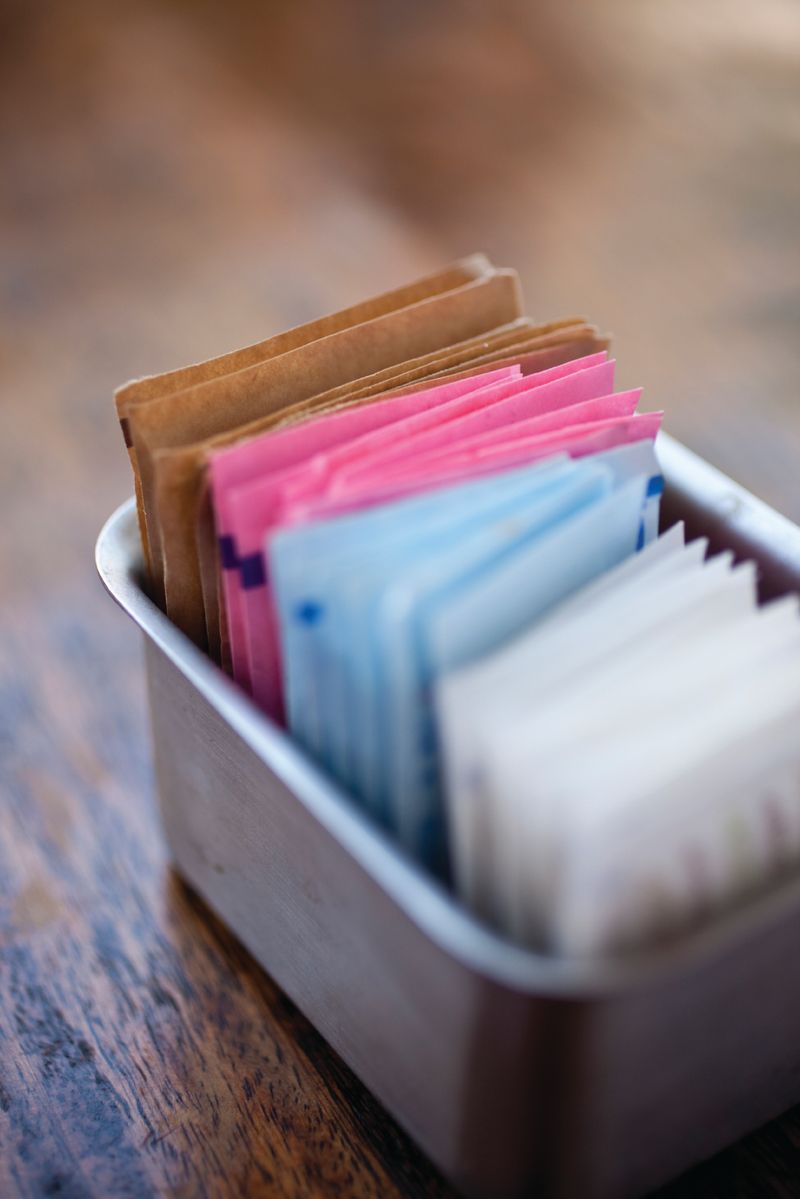
In 1879, a chemist named Constantin Fahlberg was working in a lab at Johns Hopkins University studying coal tar compounds. He forgot to wash his hands before dinner and noticed his bread tasted unusually sweet.
He rushed back to the lab and tasted every beaker until he found the source, a compound he had been working with all day.
That accidental taste test led to the creation of saccharin, the very first artificial sweetener, which changed the food and diet industry forever.
15. Ice Cream Cone
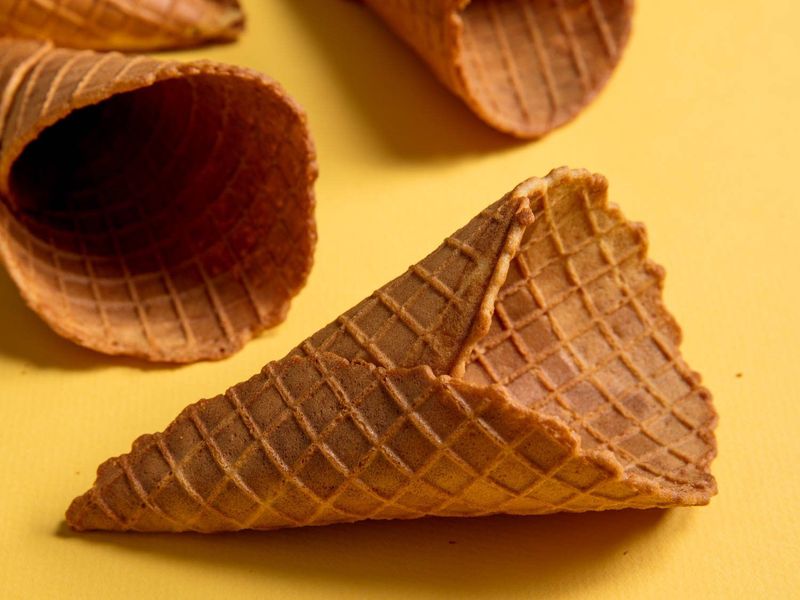
At the 1904 World's Fair in St. Louis, an ice cream vendor ran out of cups and had no way to serve his customers. A nearby waffle vendor named Ernest Hamwi rolled his waffles into cone shapes and handed them over so the ice cream could be scooped on top.
It was a quick fix born out of pure necessity.
The crowd loved the edible cone so much that it became standard almost overnight, turning a moment of desperation into one of summer's greatest food icons.



Comments
No Comments