













Growing up in Britain means one thing is guaranteed: pudding. From school canteens to Sunday lunches at nan's house, these sweet treats hold a special place in every British person's heart.
Whether warm and gooey or cold and wobbly, British puddings are more than just dessert - they are edible memories. Get ready for a delicious trip down memory lane with these 15 classic puddings that every British kid grew up loving.
Sticky Toffee Pudding
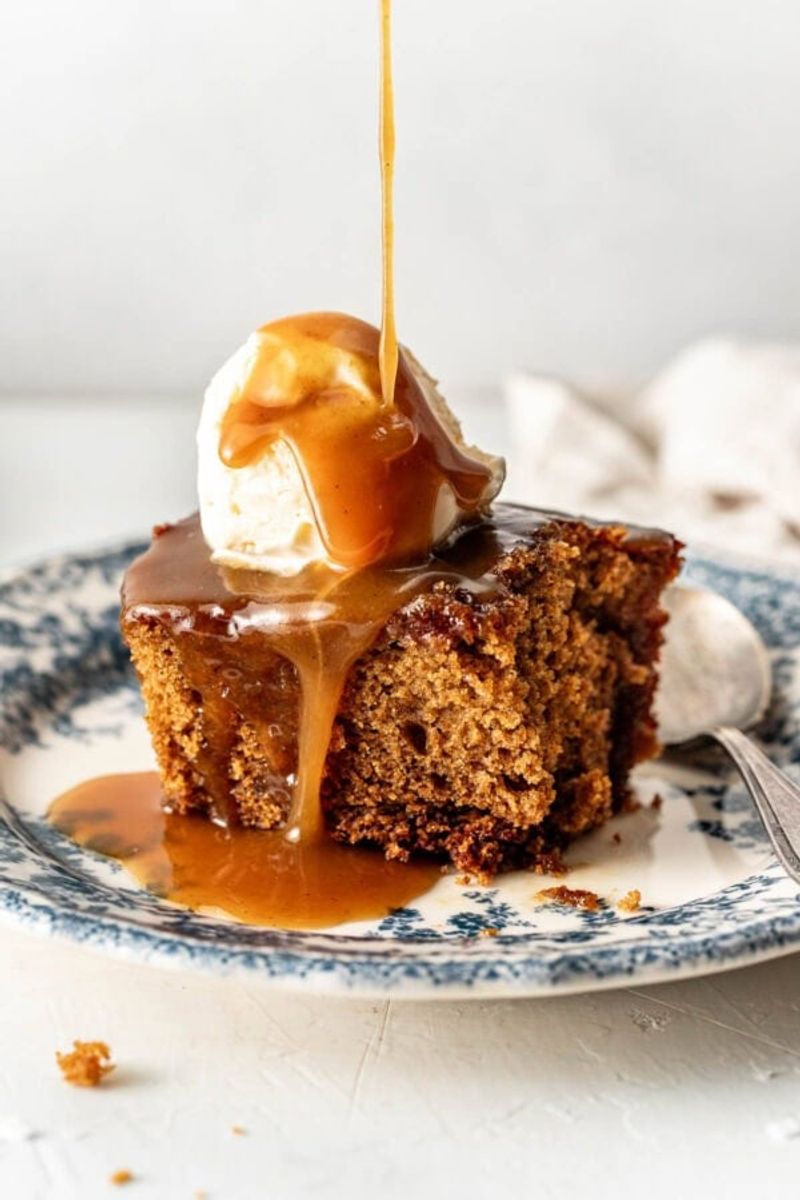
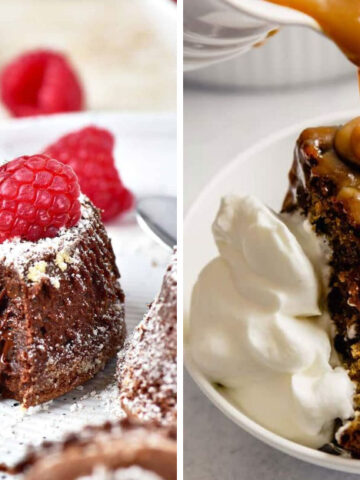
Ask any British person to name their all-time favourite pudding and sticky toffee pudding will almost always top the list. This gloriously soft sponge cake is packed with chopped dates and soaked in a rich, buttery toffee sauce that makes every bite feel like a warm hug.
Originally created in the Lake District in the 1970s, it has since become a staple of pub menus and home kitchens alike. Best served with a generous scoop of vanilla ice cream melting into the sauce.
Jam Roly-Poly
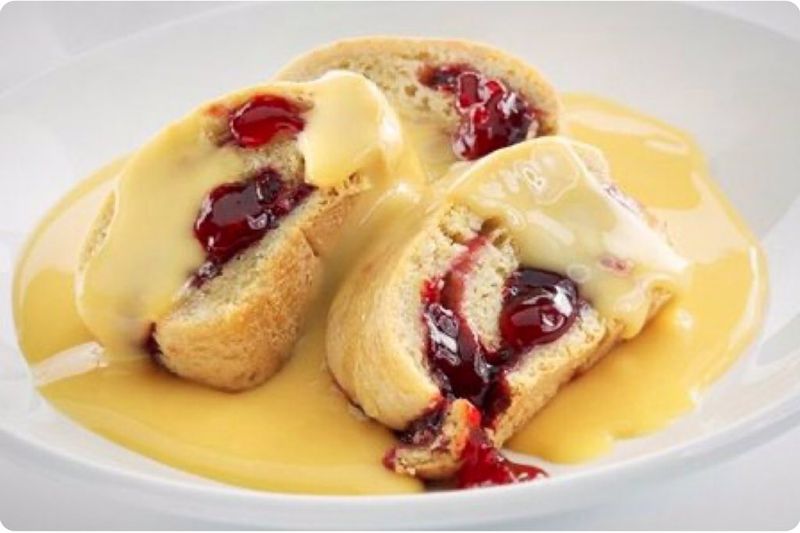
School dinners would not have been the same without jam roly-poly sitting proudly at the dessert counter. This old-fashioned pudding is made from suet pastry spread with strawberry or raspberry jam, rolled up like a log, and steamed until beautifully soft and stodgy.
It earned the cheeky nickname "dead man's arm" in school canteens because of how it was served wrapped in a cloth. Pour on the custard and suddenly everything is right with the world again.
Spotted Dick
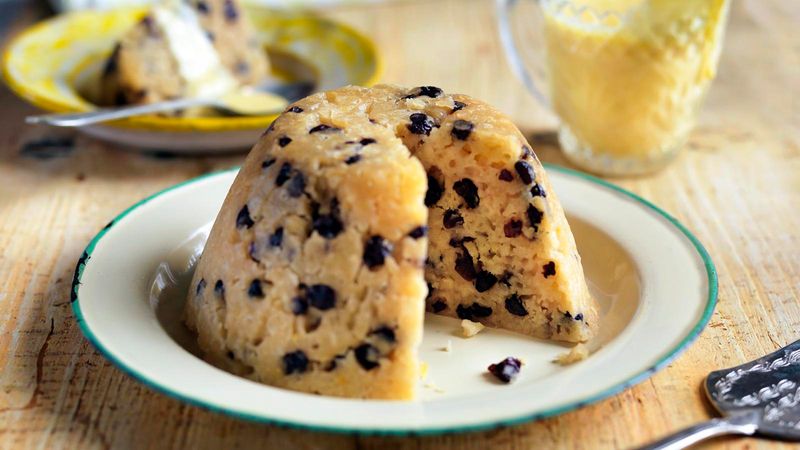
Few puddings cause as many giggles as spotted dick, yet nobody can argue with how delicious it tastes. This classic British steamed pudding is made from suet sponge dotted with dried currants, which are the "spots" that give it its memorable name.
Dating back to at least 1850, spotted dick has been warming British bellies for generations. The combination of soft, slightly dense sponge and sweet currants pairs perfectly with a generous pour of thick, warm custard on top.
Treacle Sponge Pudding
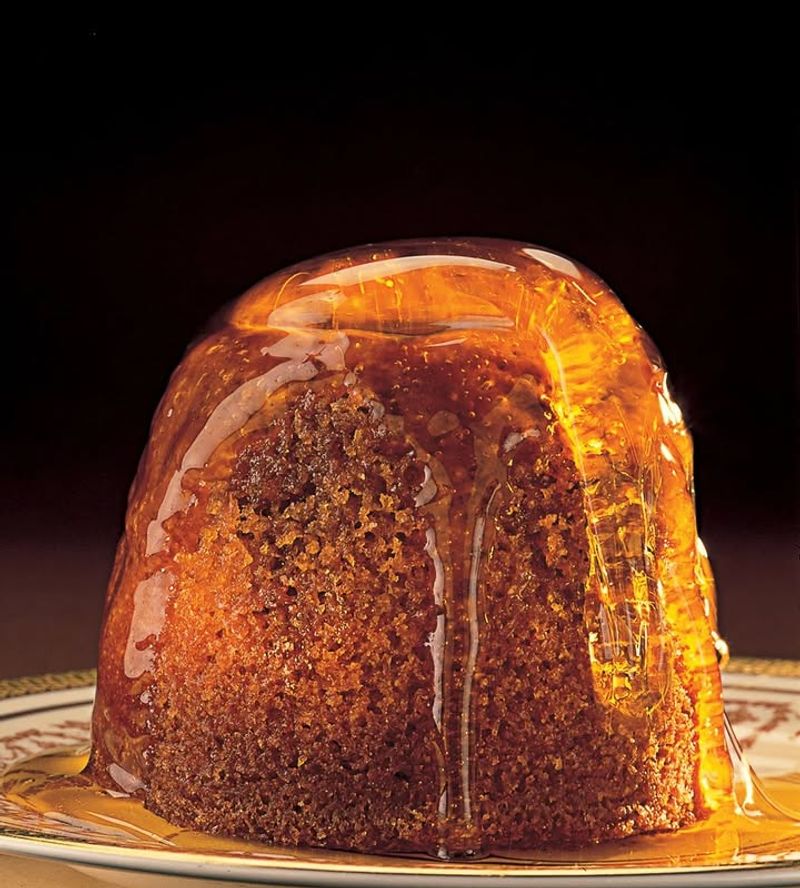
Golden syrup has a magical ability to make everything taste better, and treacle sponge pudding is living proof of that. A light, fluffy steamed sponge sits on top of a layer of thick golden syrup, which seeps down through the cake as it cooks.
When you tip it upside down onto a plate, that glistening syrup cascades down the sides like something out of a dream. It is sticky, sweet, and utterly satisfying - pure childhood joy in every single spoonful.
Bread And Butter Pudding
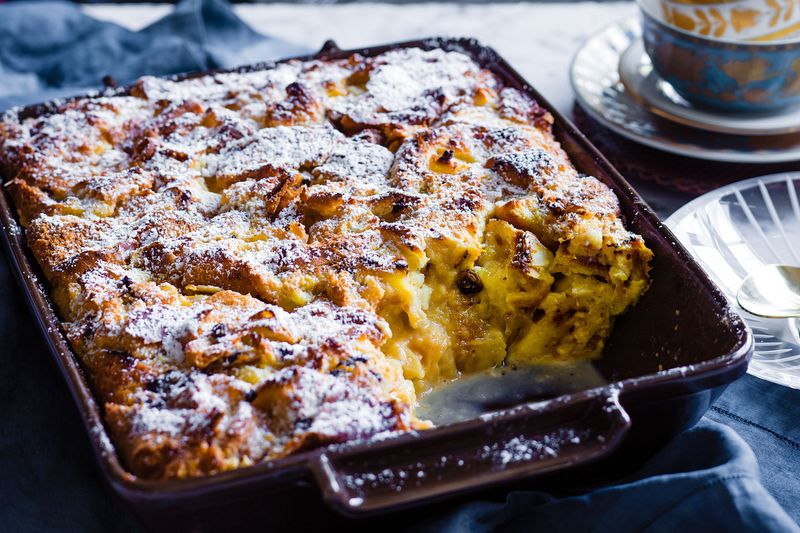
Born from the brilliant British tradition of never wasting food, bread and butter pudding transforms simple stale bread into something truly magnificent. The bread slices are buttered, layered with raisins, and soaked in a creamy egg and milk custard before baking until golden and set.
The top layer gets wonderfully crispy while the inside stays soft and custardy. Every nan seemed to have her own version of this recipe, which is exactly why it feels like the warmest hug imaginable.
Rice Pudding
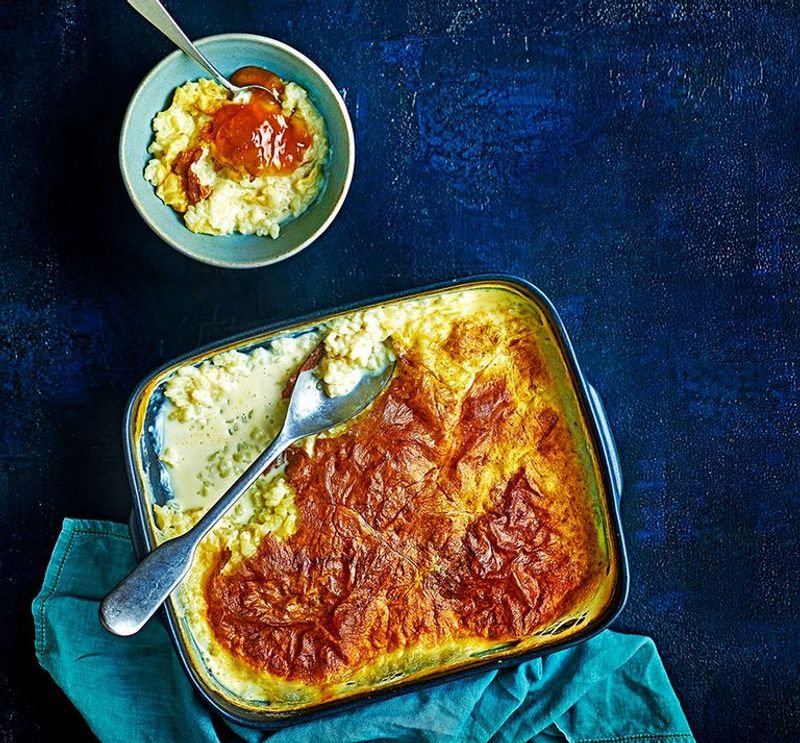
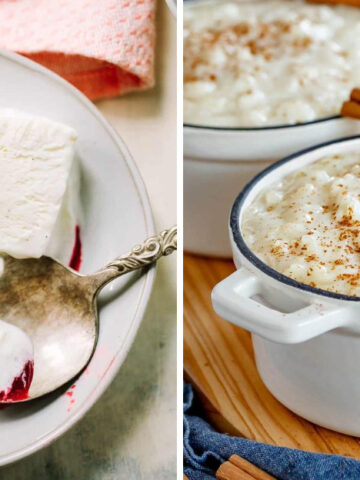
Rice pudding divides British children into two camps: those who love the skin on top and those who absolutely do not. Either way, this creamy, slow-baked dessert made from short-grain rice, milk, sugar, and a dusting of nutmeg is a true British institution.
School dinner versions were thick and comforting, served in metal trays with a blob of jam stirred through the middle. Making it at home fills the whole house with a warm, milky, sweet aroma that is impossible to resist.
Chocolate Sponge With Chocolate Sauce
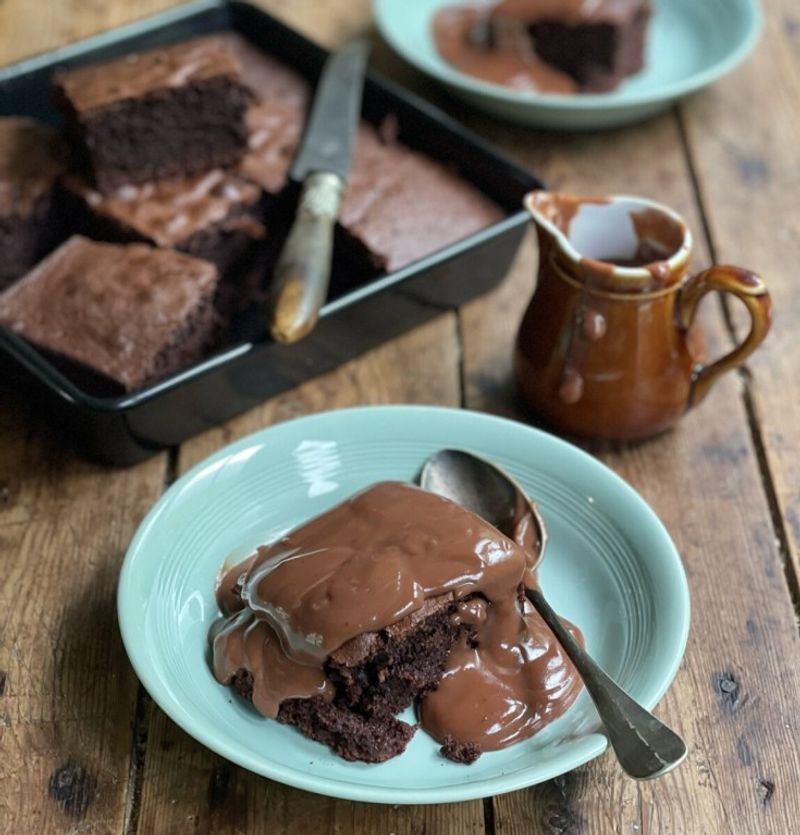
Nothing caused more excitement in a British school canteen than spotting chocolate sponge on the menu. That dense, dark brown sponge cake drenched in thin, almost watery chocolate sauce was somehow the greatest thing a child could ever eat on a Tuesday afternoon.
It was not fancy, and it was certainly not gourmet. But those qualities are exactly what made it so special.
Many British adults still seek out this exact combination, chasing that particular school-days flavour they have never quite found elsewhere.
Trifle
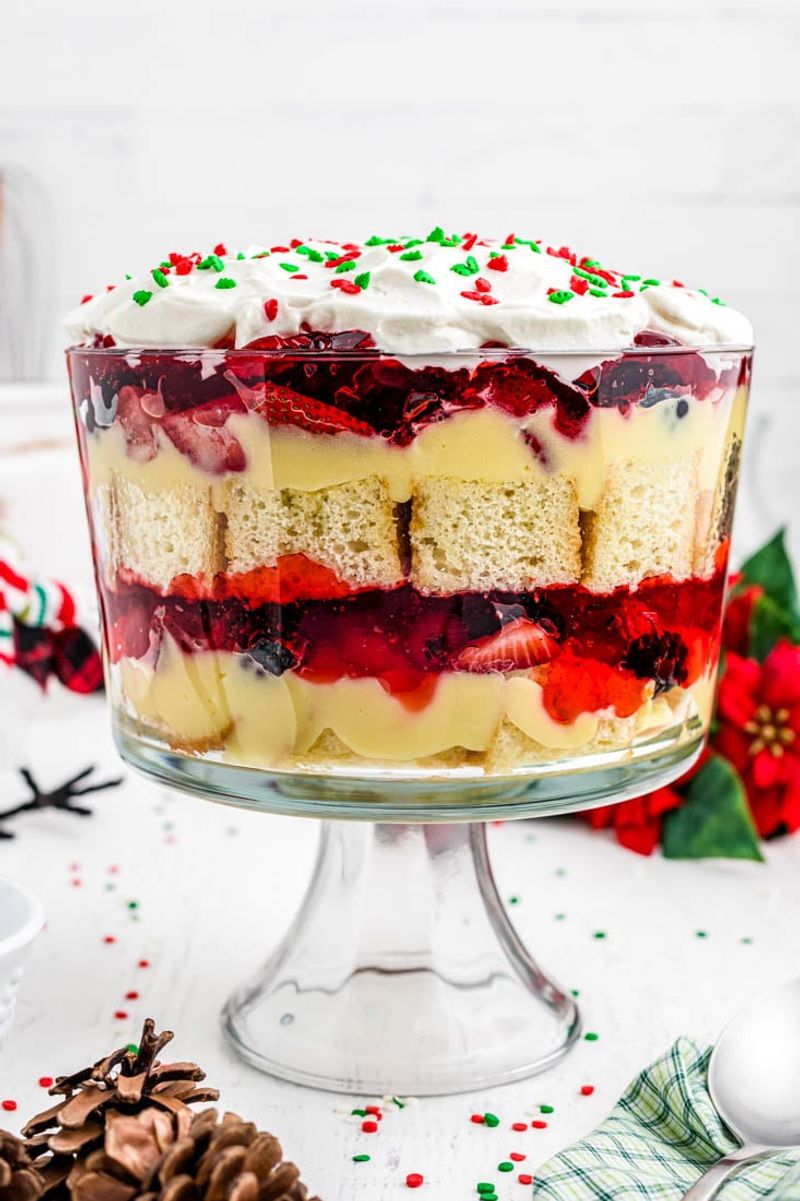
No Christmas table or birthday party buffet was complete without a towering trifle taking centre stage. The layers are half the fun - sponge fingers soaked in sherry (or squash for the kids), bright red jelly, sliced fruit, thick yellow custard, and a mountain of whipped cream.
Every family had their own version, and arguments about the correct way to make trifle are practically a British tradition in themselves. A final shower of hundreds and thousands on top made it officially perfect and ready to eat.
Apple Crumble
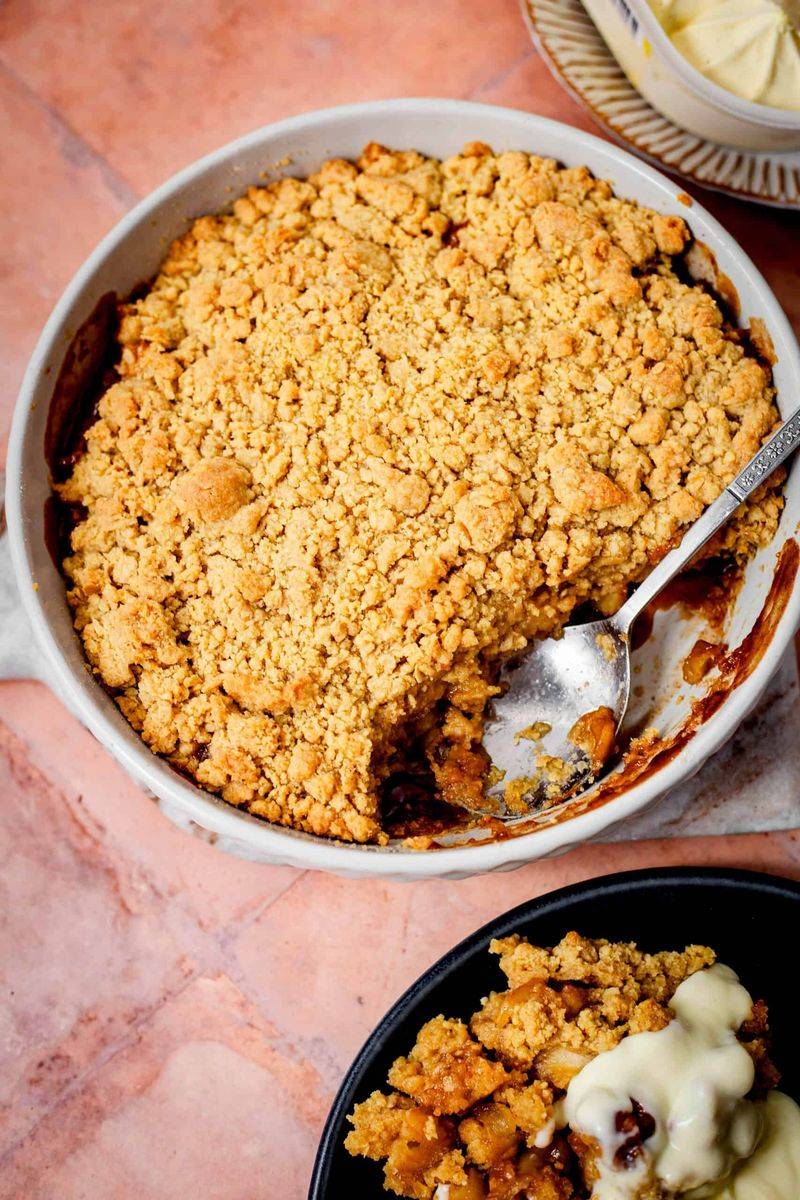
When autumn rolled around and apples fell from garden trees, apple crumble was the inevitable and wonderful result. Sharp cooking apples bubble away beneath a thick blanket of buttery, sugary crumble topping that bakes to a satisfying golden crunch in the over.
The contrast between the soft, tart fruit underneath and the crispy top layer is what makes this pudding so irresistible. Whether served with custard, cream, or ice cream, apple crumble has been a British family favourite for well over a century now.
Semolina Pudding
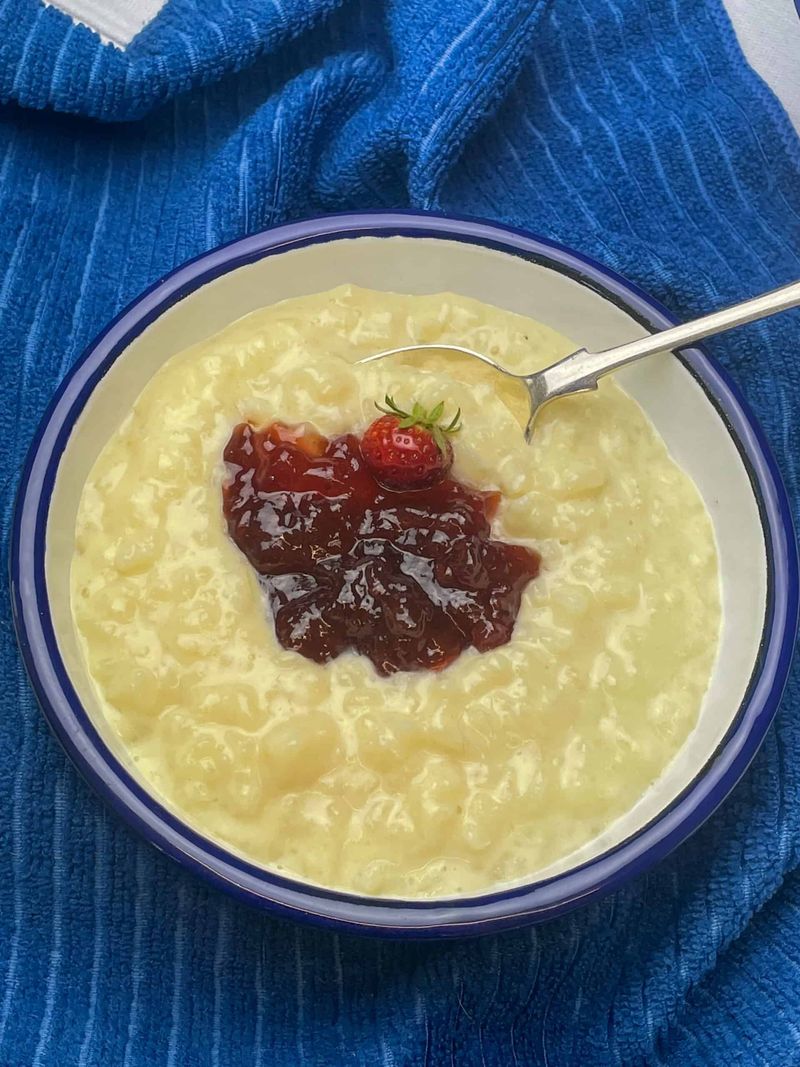
For many British children, semolina pudding was either the greatest thing on the school dinner menu or the most dreaded. This thick, creamy pudding is made by cooking semolina grains slowly in sweetened milk until the mixture turns smooth and porridge-like.
A blob of strawberry jam stirred into the centre made it considerably more exciting for most kids. Love it or hate it, semolina pudding is one of those distinctly British experiences that instantly transports anyone straight back to a noisy school hall.
Steamed Syrup Sponge
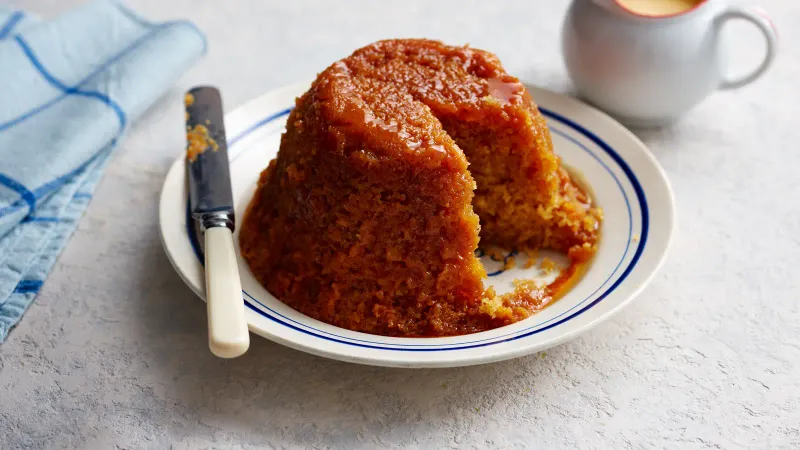
Few things in life are as satisfying as watching a steamed syrup sponge slide out of its pudding basin onto a waiting plate. Golden syrup pools and drips dramatically down the pale, fluffy sponge sides, making it look as impressive as it tastes.
Unlike baked cakes, the steaming process keeps the sponge incredibly moist and tender all the way through. This pudding has been a Sunday lunch showstopper in British households for generations, and its simple, honest sweetness never seems to go out of fashion.
Queen Of Puddings
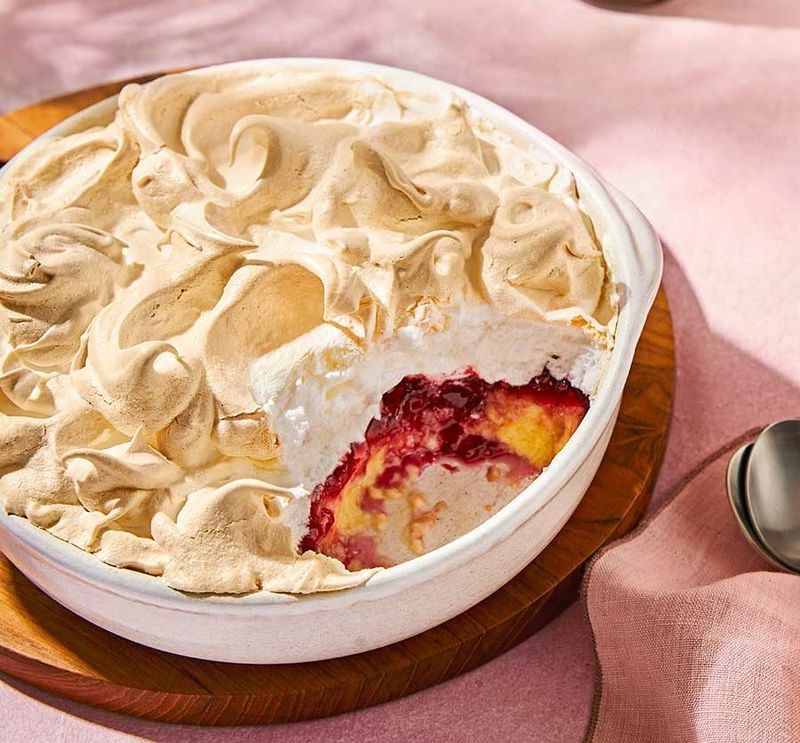
Queen of puddings is one of those truly elegant British desserts that somehow feels both old-fashioned and impressive at the same time. A soft baked custard base made with breadcrumbs is spread with a layer of jam, then topped with fluffy meringue and baked until golden.
The result is a beautiful combination of textures: creamy, jammy, and crisp all at once. Victorian in origin, this pudding earned its regal name because it was considered fit enough to serve to royalty.
Hard to argue with that.
Cabinet Pudding
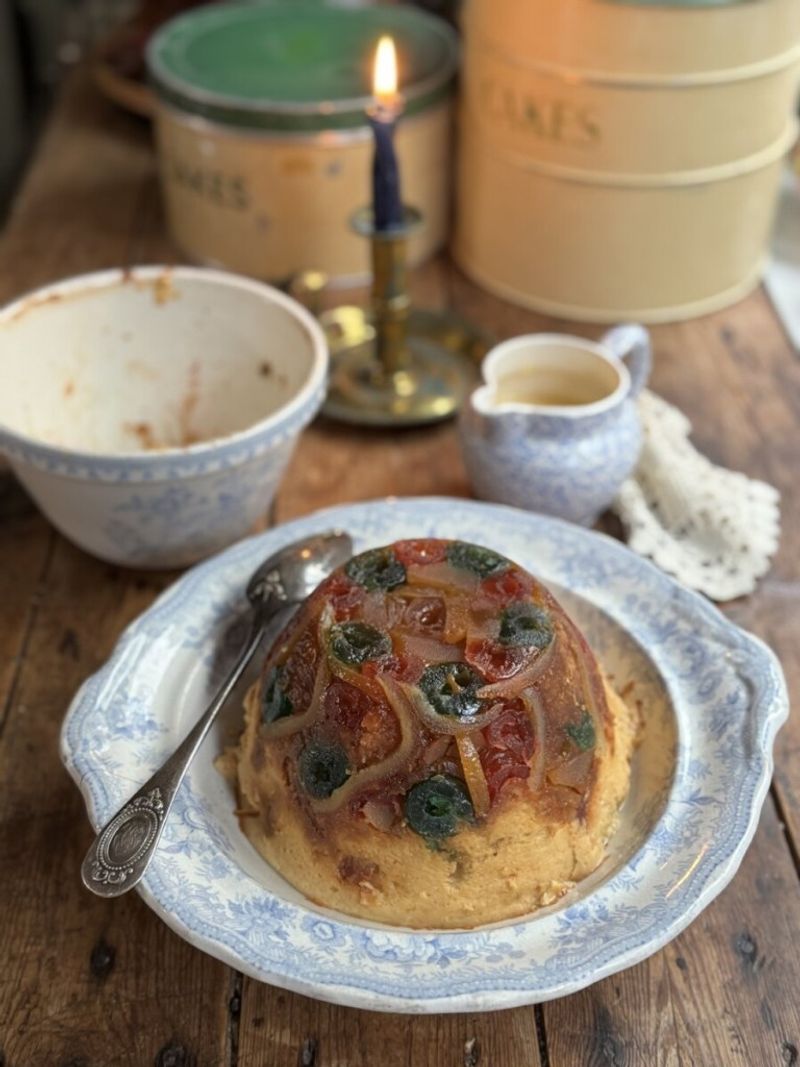
Cabinet pudding is one of Britain's most underrated old-school desserts, yet it deserves a serious comeback. This Victorian-era pudding is made by layering sponge fingers or stale cake with dried fruit and glacé cherries inside a pudding mould, then pouring over a rich egg custard and steaming it gently.
Once turned out, it holds its shape beautifully and looks rather impressive for something so simple. The soft, set custard with pockets of sweet fruit makes every slice feel like a little piece of culinary history.
Butterscotch Angel Delight
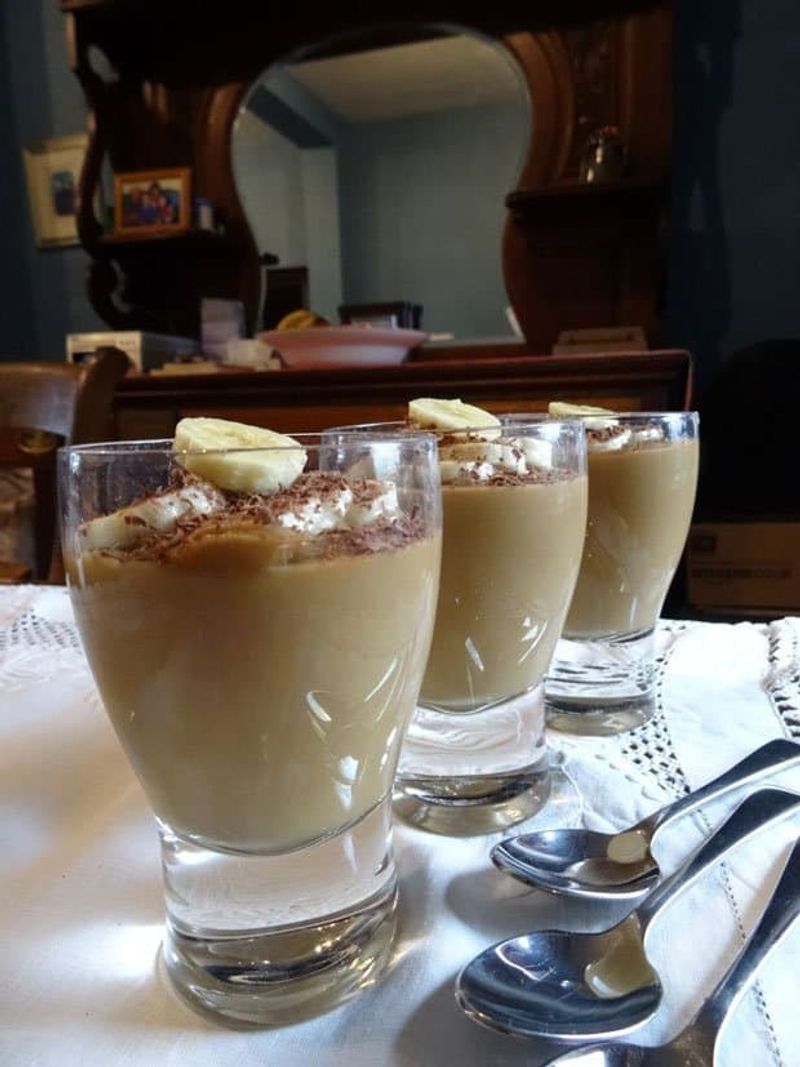
Opening a packet of Angel delight and whisking it up with cold milk was practically a British childhood ritual during the 1970s, 80s, and 90s. The butterscotch flavour was arguably the greatest of them all - light, airy, and tasting of pure golden caramel clouds.
It set quickly in the fridge into a mousse-like texture that wobbled satisfyingly on the spoon. No cooking, no complicated steps, and absolutely no chance of leftovers.
Angel delight proved that sometimes the simplest puddings create the strongest, sweetest memories of all.
Syrup Sponge Cake With Pink Custard
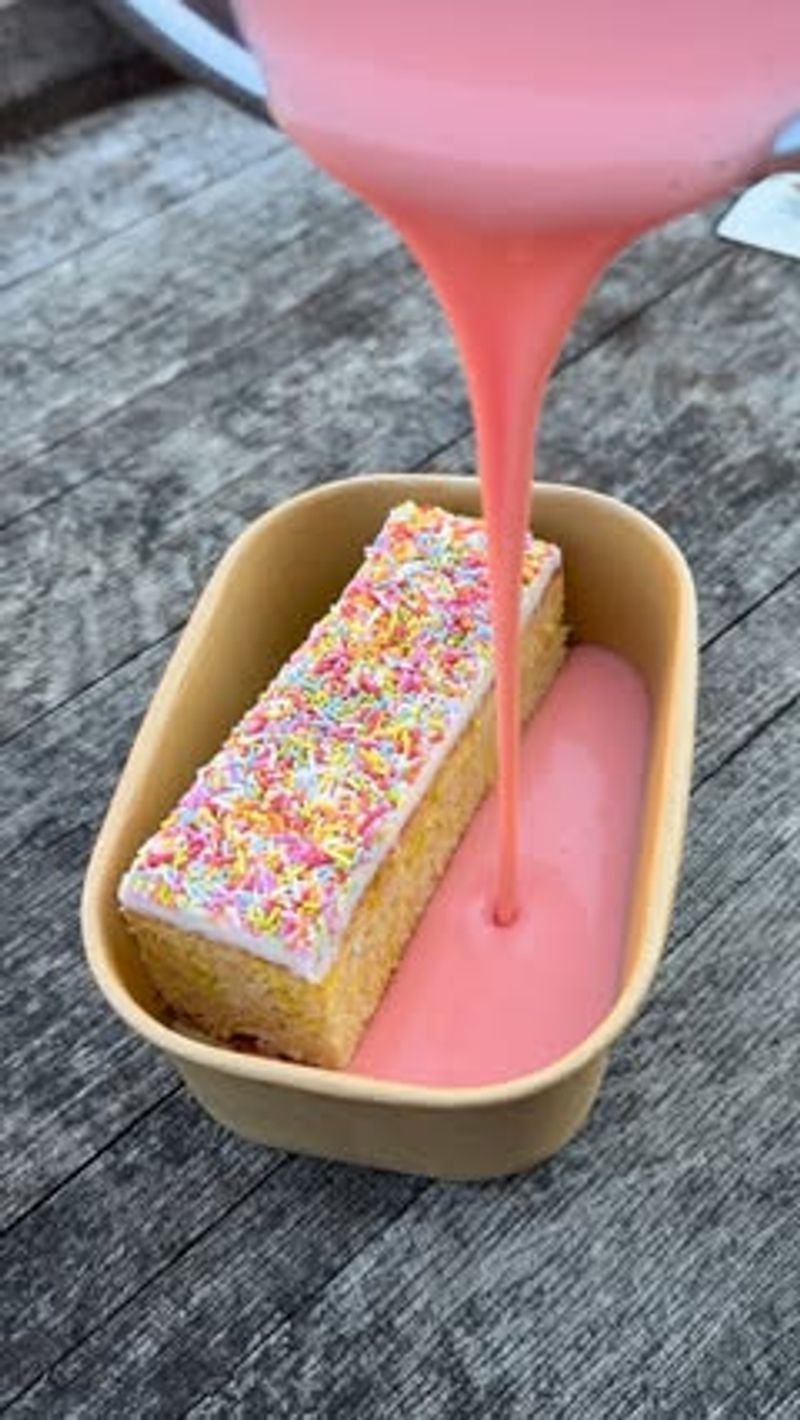
Pink custard is one of the most iconic and inexplicably joyful things to ever come out of a British school kitchen. Nobody could quite explain why the custard was pink, but pairing it with a square of plain syrup sponge made it the undisputed highlight of the school week.
That vivid strawberry-pink colour made everything feel like a celebration, even on a grey Wednesday. British adults who grew up eating this combination still talk about it with a level of fondness usually reserved for much more significant life events.

Comments
No Comments