










Most of us start the day thinking we are eating something healthy, but many popular British breakfast foods are hiding a shocking amount of sugar. From cereals to yoghurts, the sugar content in everyday morning meals can easily exceed the recommended daily limit before you even leave the house.
The NHS recommends no more than 30g of free sugars per day for adults, yet some single breakfast items come dangerously close to that on their own. Knowing what is in your food is the first step towards making smarter choices for you and your family.
1. Flavoured Instant Porridge Sachets
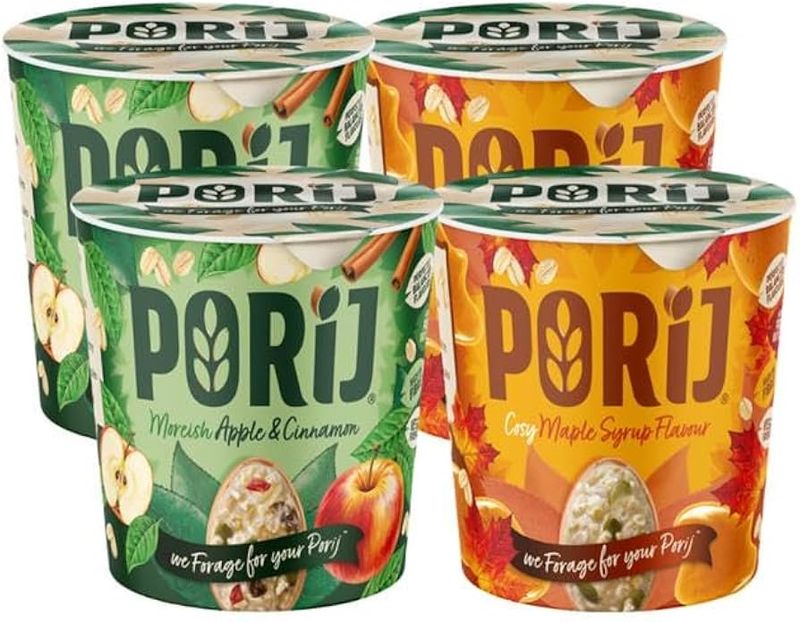
Porridge sounds like the ultimate healthy breakfast, and plain oats genuinely are. But rip open one of those convenient flavoured sachets and the story changes fast.
Many popular brands pack between 10g and 20g of sugar per serving, often from added syrups and fruit flavourings.
That cosy apple and cinnamon or golden syrup variety you love? It could contain more sugar than a chocolate biscuit.
Switching to plain oats with fresh fruit on top gives you the same warmth with a fraction of the sweetness.
2. Sweetened Breakfast Cereals
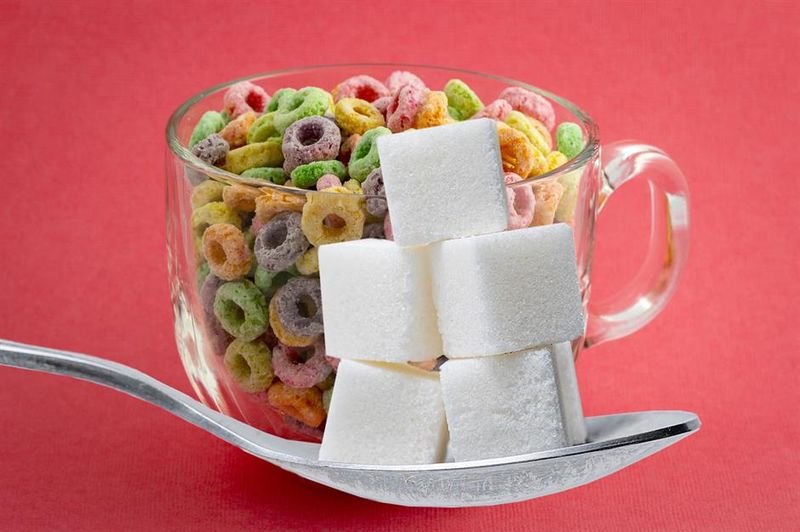
Walk down any supermarket cereal aisle and the colourful boxes practically shout at you. Cereals like frosted flakes, honey-coated puffs, and chocolate-flavoured varieties are among the most sugar-loaded foods in the breakfast world.
Some contain up to 37g of sugar per 100g, which is nearly pure sugar by weight.
Children are especially targeted by fun mascots and cartoon packaging. A smarter swap is choosing plain whole-grain cereals or bran flakes, which deliver fibre and energy without the sugary overload hitting your bloodstream first thing.
3. Fruit-Flavoured Yoghurt
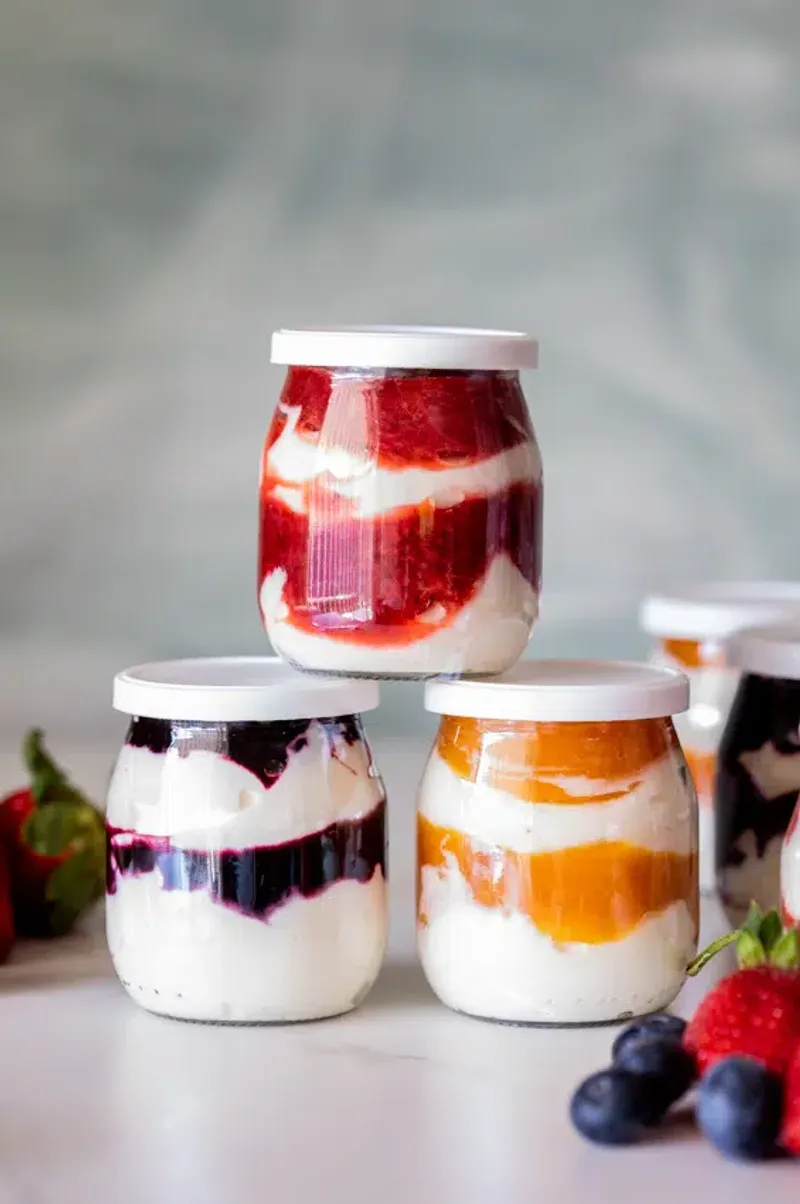
Yoghurt has a well-earned reputation as a health food, but the fruit-flavoured varieties sold in most British supermarkets tell a different tale. A single 150g pot of strawberry or raspberry yoghurt can easily contain 15g to 20g of sugar, much of it added rather than naturally occurring.
Many people pair these with granola, unknowingly doubling the sugar hit before 9am. Plain Greek yoghurt with fresh berries stirred in is a genuinely satisfying alternative that keeps sugar levels firmly in check.
4. Orange Juice

Orange juice feels like the most natural thing in the world to pour at breakfast. After all, it comes from fruit.
But a standard 250ml glass of orange juice contains around 20g to 23g of sugar, and because the fibre has been removed during juicing, that sugar hits the bloodstream very quickly.
Even 100% pure pressed varieties without added sugar are still high in free sugars. Eating a whole orange instead gives you the same vitamins with the added benefit of fibre slowing sugar absorption.
5. Granola
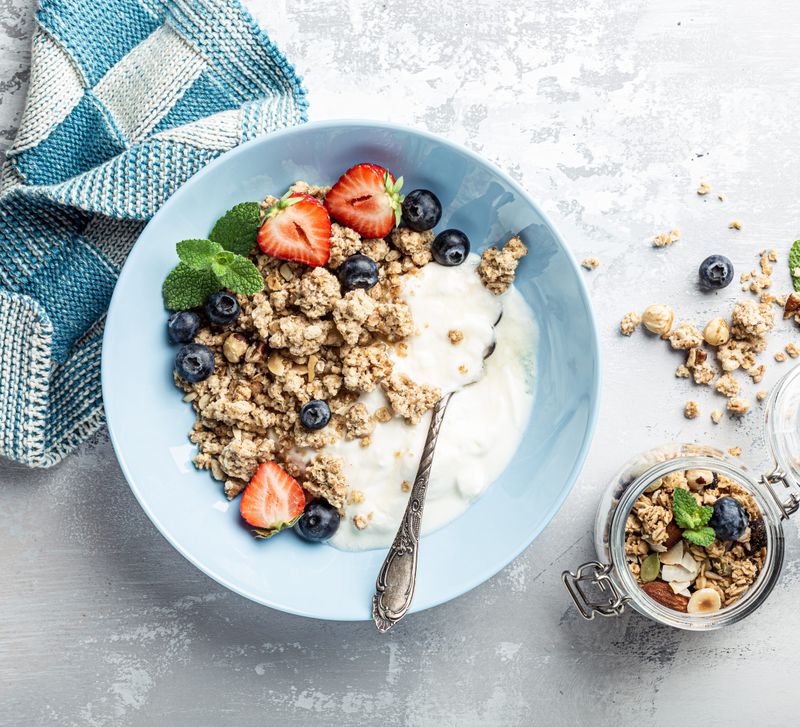
Granola looks wonderfully wholesome with its clusters of oats, nuts, and seeds. The problem is most shop-bought versions are held together with generous amounts of honey, maple syrup, or refined sugar.
A single 45g serving can contain anywhere from 8g to 14g of sugar before you add milk or yoghurt.
Brands market granola as a premium health food, and shoppers pay premium prices believing it. Making your own at home with minimal sweetener or choosing lower-sugar certified options gives you the crunch without the hidden sugar overload.
6. Jam on Toast
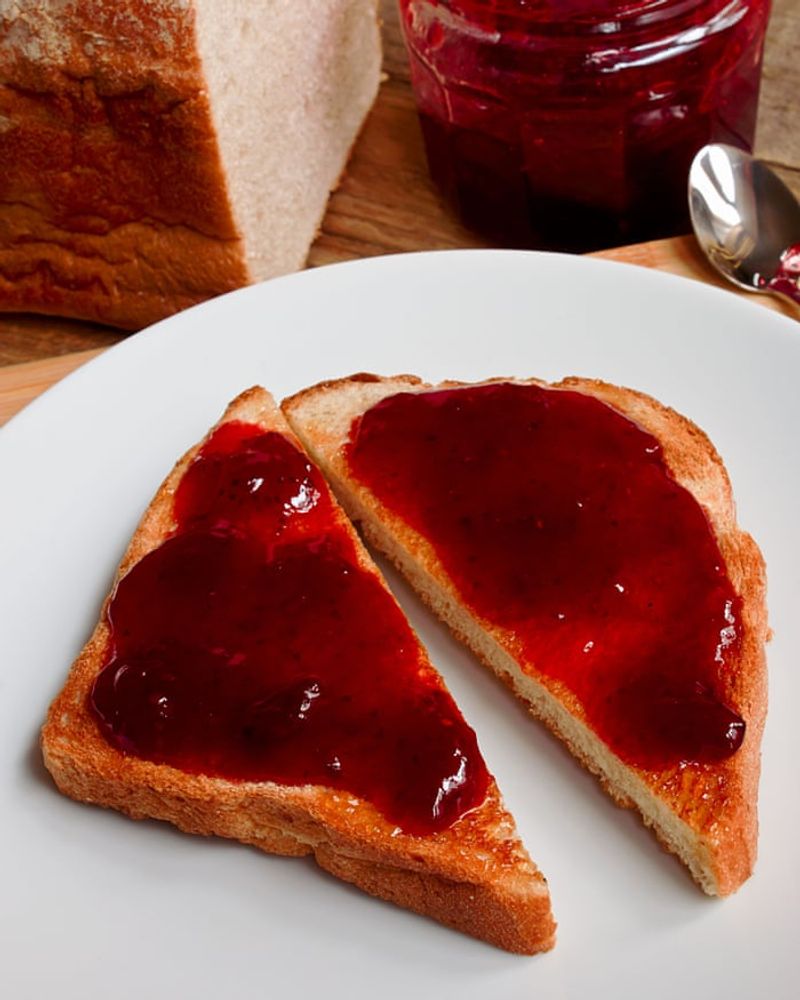
Toast and jam is as British as a rainy Bank Holiday. Simple, quick, and comforting.
Yet a single heaped teaspoon of standard strawberry or raspberry jam contains around 9g to 12g of sugar, and most people spread far more than one teaspoon without a second thought.
Two thick slices with generous jam could deliver close to 30g of sugar before the kettle has even finished boiling. Swapping to nut butter or mashed avocado is an easy upgrade that keeps mornings both tasty and balanced.
7. Chocolate Spread on Toast
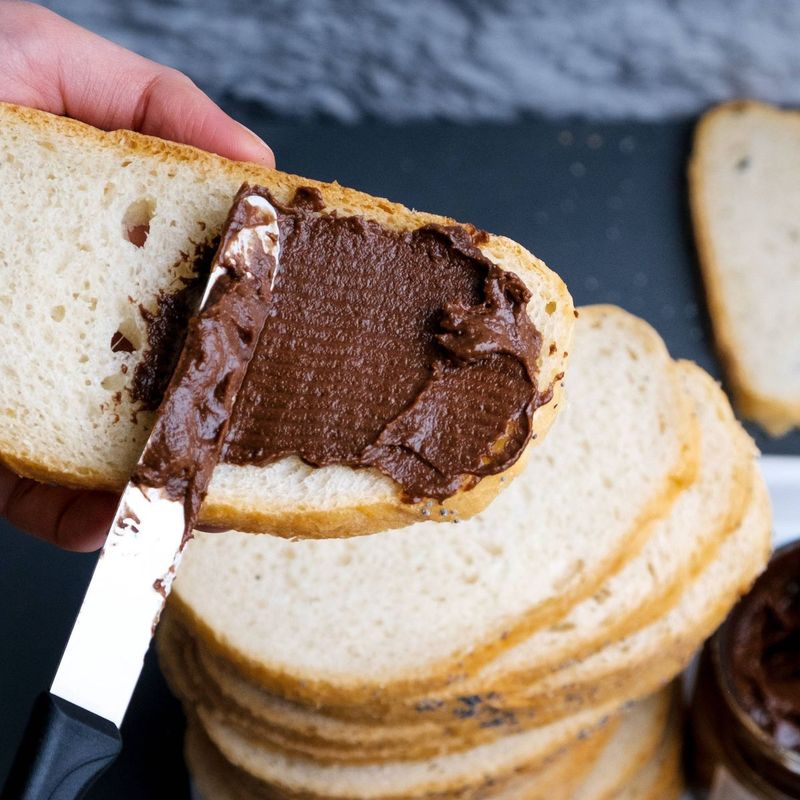
Few things make a child leap out of bed faster than knowing chocolate spread is waiting on the breakfast table. Brands like Nutella are beloved across British households, but a standard two-tablespoon serving contains around 21g of sugar.
That is more than half a can of cola in a single morning slice.
The marketing leans heavily on hazelnuts and milk, making it feel nutritious. Choosing a lower-sugar nut butter or a thin scraping with banana slices can satisfy that sweet craving more responsibly.
8. Smoothies and Smoothie Pouches
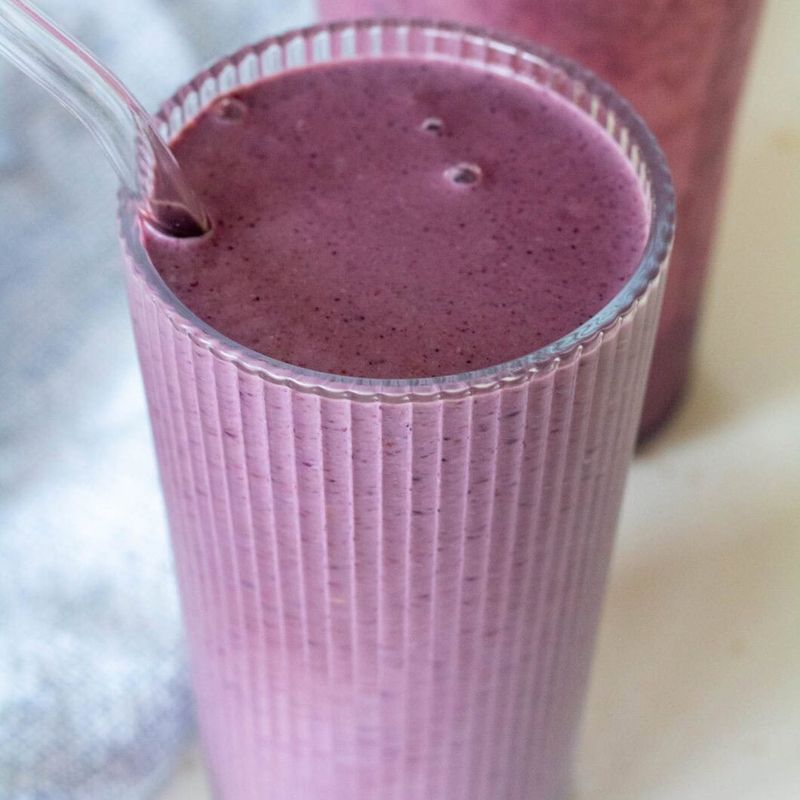
Smoothies have become the go-to breakfast for busy Britons who want something quick and nutritious on the move. The reality is that blending multiple fruits concentrates their natural sugars significantly.
A single shop-bought smoothie bottle can contain 30g to 40g of sugar, rivalling a can of fizzy drink.
Smoothie pouches marketed at children are equally concerning, often containing three or four portions of blended fruit. Adding vegetables like spinach and limiting fruit portions to one or two pieces makes a far better nutritional choice.
9. Honey on Porridge or Toast
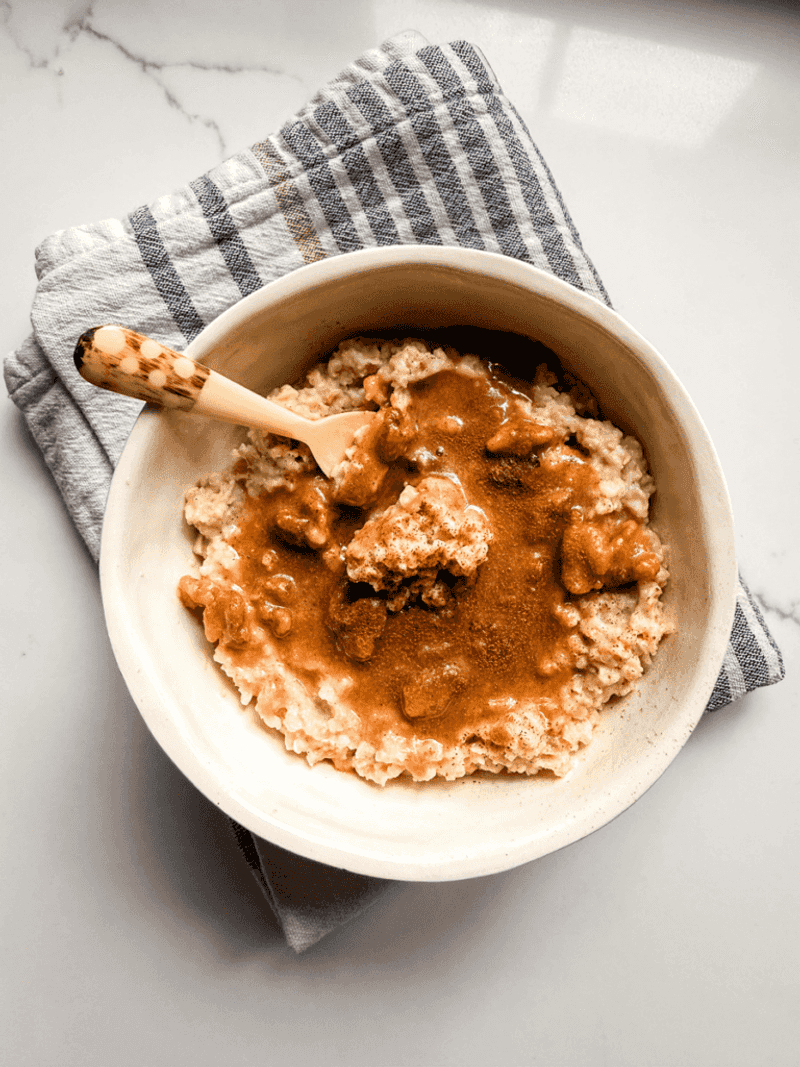
Honey carries a golden, natural image that makes it feel like a virtuous choice over refined sugar. Nutritionally speaking, though, a tablespoon of honey contains around 17g of sugar, and most people pour freely rather than measure carefully.
It is still a free sugar, and your body processes it much the same way.
That said, raw honey does contain small amounts of antioxidants and enzymes that refined sugar lacks entirely. Using just a light drizzle rather than a generous pour makes a meaningful difference to your overall morning sugar intake.
10. Breakfast Biscuits and Cereal Bars
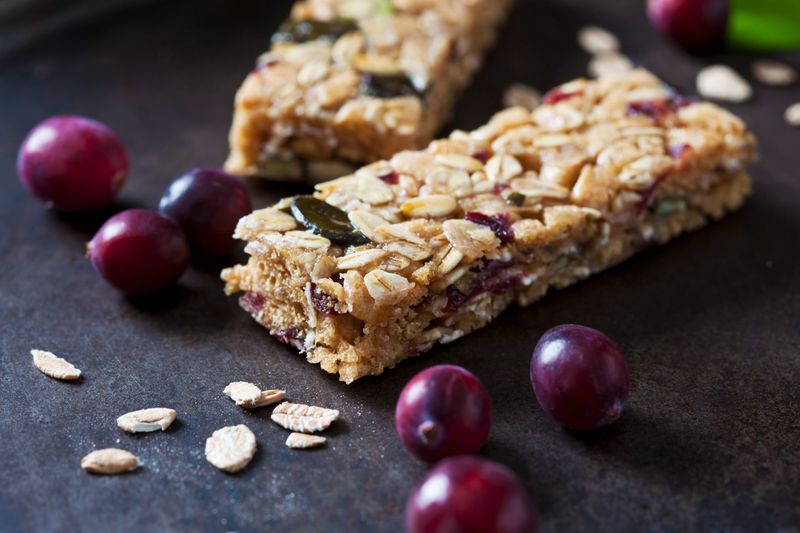
Marketed with words like "slow release energy" and "wholegrain goodness," breakfast biscuits and cereal bars have carved out a huge space in the British morning routine. Many people grab them as a convenient alternative to sitting down for a proper meal.
But flip the packet over and many contain 10g to 17g of sugar per serving.
The wholesome packaging creates a health halo effect that makes shoppers overlook the sugar figures. A boiled egg or a handful of unsalted nuts provides far better sustained energy without the marketing tricks.
11. Flavoured Milk Drinks
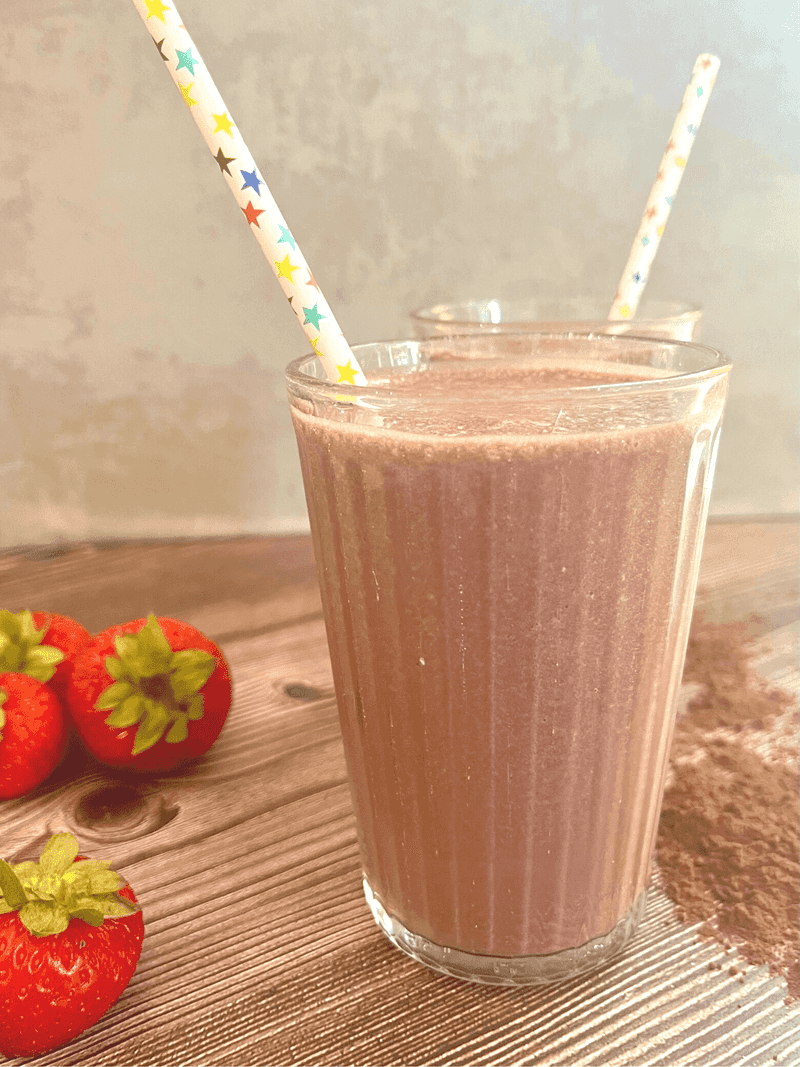
Flavoured milk drinks, especially chocolate and strawberry varieties, are a firm favourite with British children and are often packed into school lunchboxes starting at breakfast time. A 200ml serving can contain anywhere from 20g to 27g of sugar depending on the brand, which is alarming for a morning drink.
Parents often choose them believing the milk content makes up for the sugar. While calcium is genuinely present, the added sugar far outweighs the benefit.
Plain semi-skimmed milk delivers the same calcium with zero added sweeteners.
12. Shop-Bought Muffins
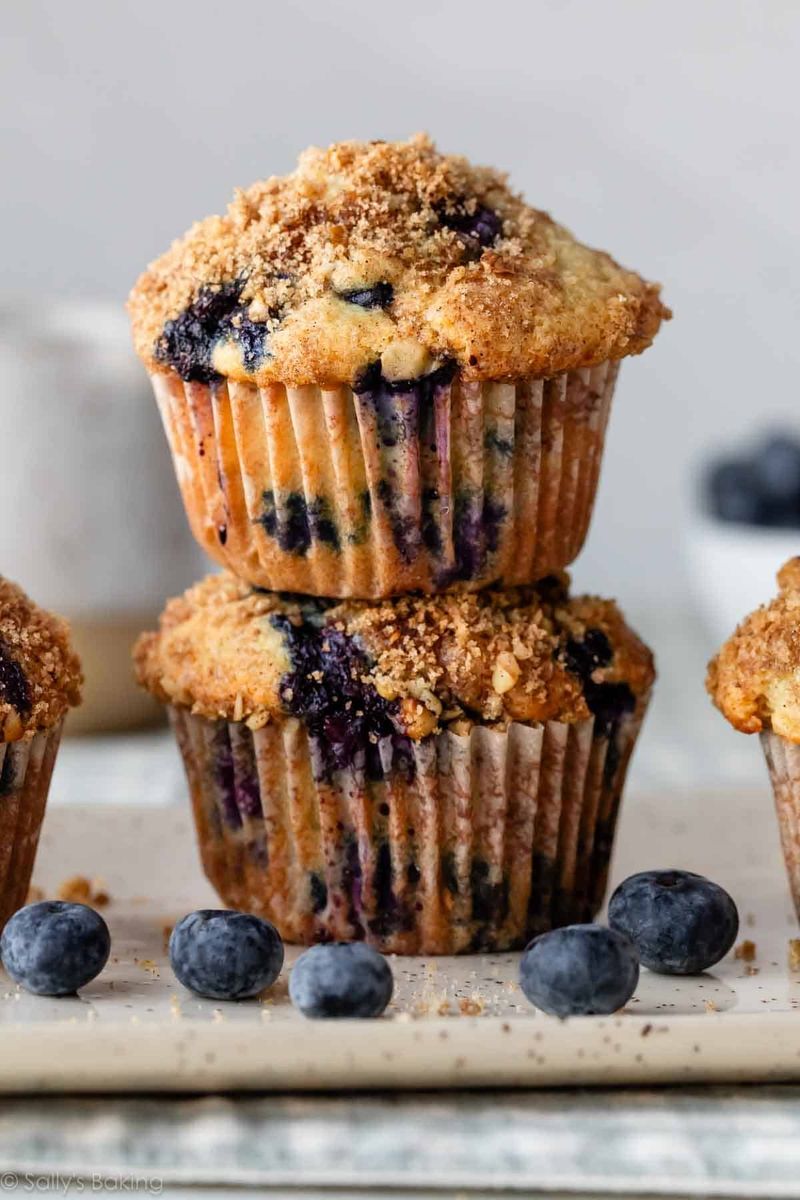
A blueberry muffin from a coffee shop or supermarket feels like a reasonable breakfast treat, especially when blueberries are involved. The reality is that a standard large muffin can contain between 30g and 45g of sugar, which is already at or beyond the daily recommended limit for adults in a single item.
Coffee shop portions have grown considerably larger over the years, meaning the sugar content has scaled up accordingly. Opting for a plain wholemeal scone or a banana instead satisfies the morning hunger without blowing the entire daily sugar budget before noon.
13. Flavoured Oat Drinks and Plant Milks
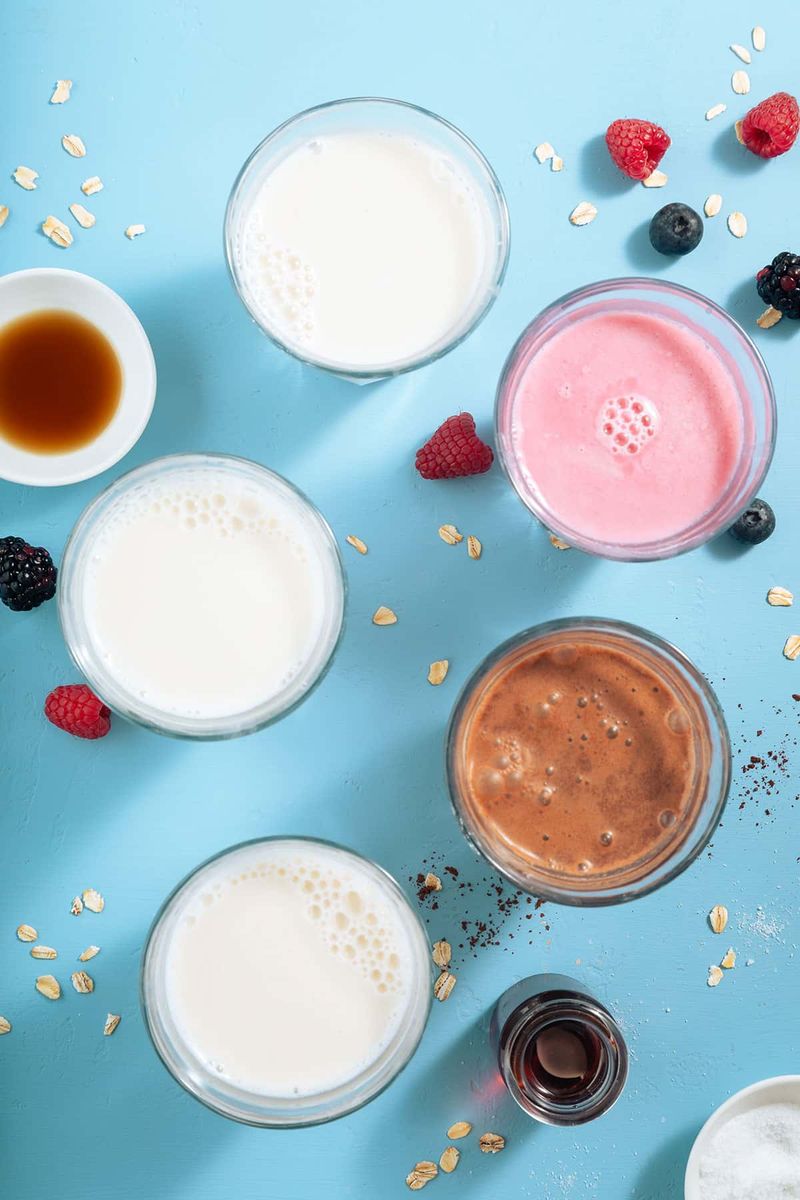
Plant-based milks have surged in popularity across Britain as more people explore dairy-free lifestyles. Oat milk in particular has become the barista favourite.
However, flavoured versions, including vanilla and chocolate oat drinks, can contain up to 10g to 14g of added sugar per 200ml serving, often caught unnoticed.
Even some unsweetened varieties contain naturally occurring oat sugars that add up. Checking labels carefully and choosing unsweetened, unflavoured versions is the simplest way to enjoy plant milk without inadvertently loading up on morning sugar.
14. Pancakes with Syrup

Weekend pancakes are a beloved British ritual, especially for families with young children. The pancakes themselves contain some sugar, but it is the toppings that truly send the numbers soaring.
A two-tablespoon pour of maple syrup adds around 24g of sugar, and most people pour considerably more than that without measuring.
Adding whipped cream or chocolate sauce on top can push a single breakfast plate well past 50g of sugar. Topping pancakes with sliced banana and a light drizzle of natural yoghurt instead keeps the weekend treat feeling special without the sugar overload.
15. Croissants and Pain au Chocolat
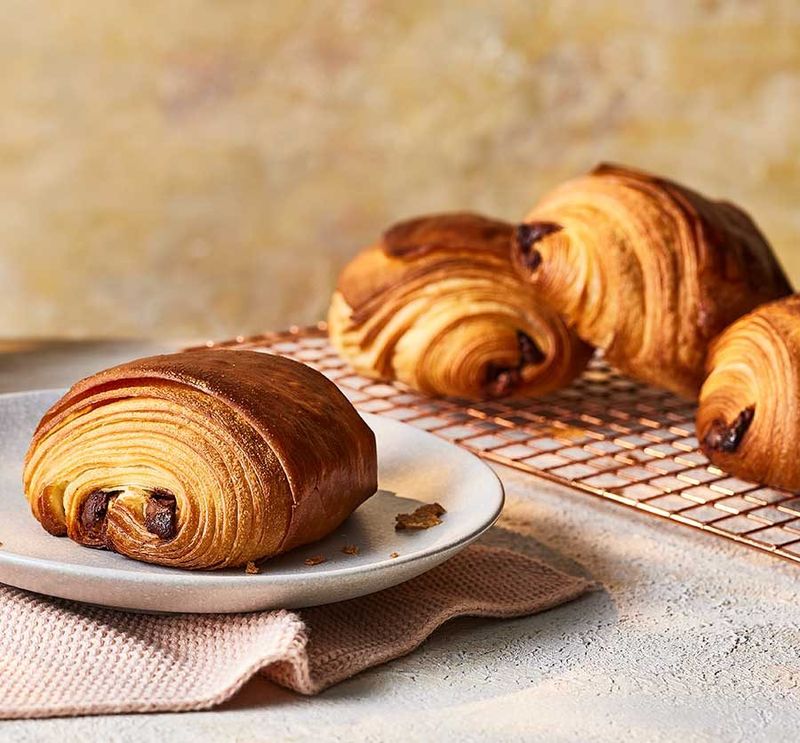
There is something undeniably wonderful about a warm, flaky croissant or pain au chocolat alongside a morning cup of tea. These French-inspired pastries have become everyday staples in British supermarkets and coffee shops.
A plain croissant contains around 6g to 8g of sugar, but a pain au chocolat can push closer to 15g to 20g depending on size.
Pair either with a sweetened coffee and a fruit juice and the sugar total climbs fast without feeling indulgent. Choosing a single plain croissant occasionally, rather than daily, is a reasonable approach to enjoying pastries without overdoing the sugar.



Comments
No Comments