











Ever notice that icy days seem to dull your thirst?
You can go hours without craving a drink, only to end up with dry lips and a pounding headache later.
It turns out your body plays a sneaky trick in winter, making you think you’re hydrated when you’re really not.
All information provided is for general health and educational purposes only.
It is not a substitute for professional medical advice, diagnosis, or treatment.
Always seek guidance from a qualified healthcare professional regarding hydration, nutrition, or any health-related concerns.
Images are for illustrative purposes only.
Your Thirst Switch Dials Down In The Cold
When temperatures drop, your body does not shout for water as loudly.
Cold causes blood vessels near the skin to tighten, which shifts more blood to your core.
That trick makes your brain think you are better hydrated than you are.
As a result, the normal urge to drink eases off even when your body still needs fluid.
You may go hours without feeling thirsty and assume you are fine.
The need for water has not gone away, the signal has simply gone quiet.
That is why winter thirst can be misleading.
Cold Weather Can Send You To The Loo More Often
Cold conditions can increase urine production, a response many people notice on frosty days.
When more blood moves to the core, your body tries to keep fluid levels balanced by telling the kidneys to let more water go.
This is sometimes called cold induced diuresis.
Extra trips to the loo mean you are losing fluid even if you did not drink much.
Because you do not feel as thirsty, you may not replace what you lose.
Over a day out in the cold, that loss quietly adds up.
The result is a net fluid deficit that can sneak up on you.
You Still Sweat Under All Those Layers

Winter clothes keep you warm, but they also trap heat and can make you sweat.
In cold air, sweat evaporates quickly, so you do not always feel damp.
That fast evaporation hides the fact that you are still losing water and salts.
If you are walking briskly, commuting, or playing sport, the effect grows.
You may finish an activity thinking you hardly sweated at all.
In reality, your layers helped whisk the moisture away before you noticed.
Winter Air Steals Water With Every Breath
Cold air holds less moisture, which is why winter often feels crisp and dry.
Every time you breathe out, you release warm humid air from your lungs.
The colder and drier the air, the more water you lose through normal breathing.
Mouth breathing increases this loss even further.
Long walks, outdoor chores, and winter runs all raise your breathing rate and your fluid loss.
You can feel fine yet still end the day a little dehydrated.
Hot Drinks Help Hydrate But Mind The Mix
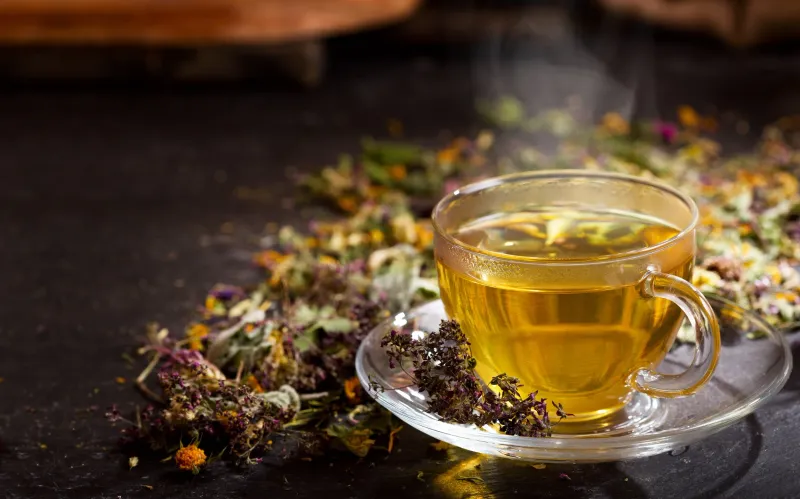
Tea, herbal tea, hot cocoa, and warm milk all count toward your daily fluids.
Warm drinks feel comforting, which encourages you to sip more often in winter.
Caffeinated drinks can have a mild diuretic effect in people who are not used to them, but regular tea and coffee drinkers usually adapt.
The bigger risk is replacing water entirely with very sweet drinks.
Large amounts of sugar can upset your stomach during activity and may not quench thirst well.
A simple rotation of water and warm low sugar drinks keeps hydration steady and pleasant.
Indoor Heating Dries You Out Without You Noticing
Central heating makes rooms cosy, but it also lowers indoor humidity.
Dry indoor air speeds up water loss from your skin and your airways.
You may not sweat, yet your body is still giving up moisture into that dry environment.
Long work days in heated spaces can leave you with dry lips, tired eyes, and a subtle headache.
Those can be mild signs that your fluid balance is off.
A glass of water beside your desk can make a bigger difference than you expect.
Salty Comfort Food Can Nudge Your Thirst Later

Hearty soups, savoury snacks, and cheese on toast feel perfect on cold evenings.
Many winter favourites are higher in salt, which can raise your body's demand for water.
You may not feel that thirst right away if you have been out in the cold.
The cue often arrives later, sometimes as a dry mouth or a dull headache.
Pairing salty meals with a glass of water helps balance things out.
A bowl of soup with a side of water is a simple winter win.
Simple Ways To Keep Hydrated When Thirst Feels Quiet
Use routine rather than waiting for thirst alone.
Have a glass of water with each meal and one between meals.
Carry a small bottle on walks or commutes and take a few sips every so often.
Check your urine colour, pale straw usually means you are well hydrated.
Eat water rich foods such as citrus, apples, grapes, cucumber, and broth based soups.
If you are active in the cold, drink before, during, and after the session, even if you do not feel especially thirsty.
These small habits keep pace with winter's sneaky fluid losses.