











There’s something about cold weather that makes a bowl of stew or a plate of pie feel absolutely necessary.
As the temperature drops, our bodies and minds start quietly craving warmth and comfort - and food often fills that space perfectly.
Those hearty meals do more than satisfy hunger; they tap into instincts that have been part of us for generations.
This content is for general informational purposes only and should not replace professional medical or nutritional advice. For personalised dietary guidance, consult a qualified healthcare or nutrition professional.
Your Body Wants More Energy In The Cold
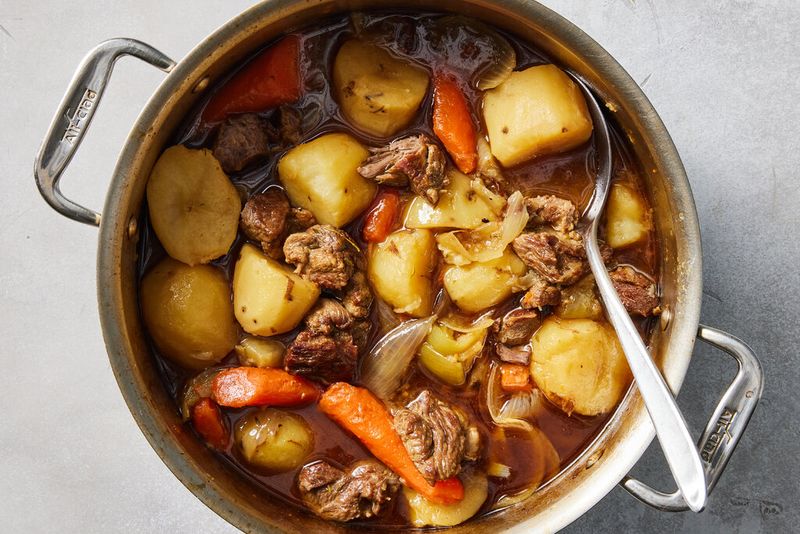
When the temperature drops, your body works harder to stay warm - and that burns extra energy.
Heavier foods like stews, pies, and casseroles help replace those calories and keep you feeling satisfied for longer.
Scientists say this is an ancient survival instinct; in colder weather, we naturally crave energy-dense foods to maintain body heat.
Carbohydrates and fats, in particular, are quick fuel sources that make your body feel cosy and content.
So when you're suddenly in the mood for mashed potatoes or a rich curry, it's your body's clever way of staying snug from the inside out.
Comfort Foods Trigger Feel-Good Hormones

There's a reason mac and cheese or shepherd's pie feels like a warm hug in winter.
Comfort foods often raise levels of serotonin and dopamine - the brain chemicals linked to happiness and relaxation.
Carbs play a big role in this, as they help increase serotonin production, improving your mood.
Add warmth, nostalgia, and familiar flavours, and your brain connects these foods to feelings of safety and pleasure.
That's why, on gloomy days, a bowl of something hearty can lift your spirits faster than a salad ever could.
Seasonal Changes Affect Hunger Hormones
During colder months, levels of certain hormones that regulate hunger, like ghrelin and leptin, can shift slightly.
Some studies suggest that we may feel hungrier and crave richer meals when daylight hours shorten and temperatures fall.
The body uses food to prepare for what it sees as tougher conditions ahead, even if we're sitting comfortably indoors.
Heavier meals can also keep you full longer, which feels extra comforting when it's chilly outside.
It's your body's natural way of adjusting to the season - not just indulgence.
Cold Weather Slows Digestion And Makes Warm Meals Appealing

When it's cold, your digestive system slows down slightly as your body redirects more energy toward maintaining heat.
Warm, cooked foods like soups, stews, and roasts are easier to digest than cold salads or smoothies.
They also warm you up from the inside, which creates a satisfying sense of comfort.
That's why steaming bowls of soup or baked dishes feel so inviting when it's grey and cold out.
Your body is simply looking for foods that offer both energy and warmth in one go.
Comfort Foods Connect To Memories And Tradition
Winter is a time for traditions - family dinners, festive gatherings, and recipes passed down through generations.
These foods often carry emotional weight, reminding us of childhood meals or cosy moments at home.
Eating something hearty and familiar can evoke feelings of security and nostalgia.
That emotional comfort is just as real as the physical warmth a meal provides.
So, when you crave a roast dinner or a bowl of stew, it's not just hunger - it's memory and emotion calling too.
The Smell And Texture Of Warm Food Add To The Craving
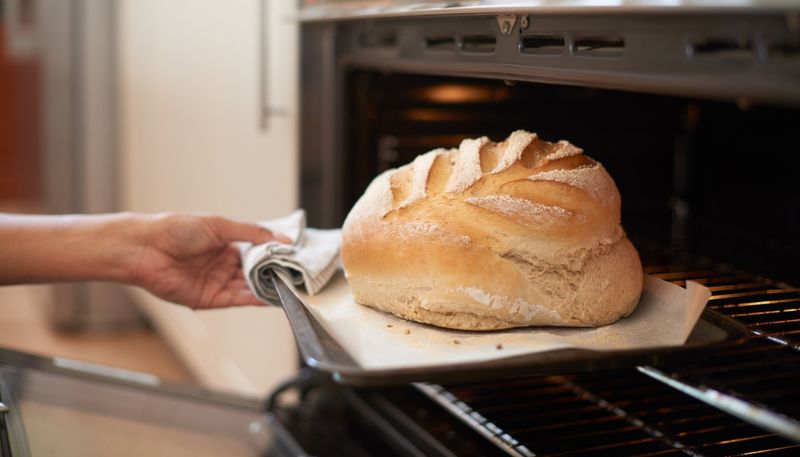
The scent of baking bread or a stew simmering on the stove can trigger cravings before you even take a bite.
Aromas play a huge role in appetite, especially in winter when indoor cooking fills the air with comforting smells.
Warm foods also tend to have rich, soft textures that make eating feel soothing.
It's sensory satisfaction - the way the heat, smell, and flavour come together to create that instant feeling of comfort.
When the world outside feels cold and harsh, those sensory details are pure joy for the soul.