





• Skip to primary navigation
  • Skip to main content
  • Skip to primary sidebar
The Daily Dish
  • About Me
  • Recipes
  • Wellbeing🧡
  • Contact
  • Subscribe
  • Gluten-Free
  • Navigation Menu: Social Icons

    Connect With Me

    • Facebook
    • Instagram
    • Pinterest
menu icon
go to homepage
  • About Me
  • Recipes
  • Wellbeing🧡
  • Contact
  • Subscribe
  • Gluten-Free
  • Let's Connect

    • Facebook
    • Instagram
    • Pinterest
  • subscribe
    search icon
    Homepage link
    • About Me
    • Recipes
    • Wellbeing🧡
    • Contact
    • Subscribe
    • Gluten-Free
  • Let's Connect

    • Facebook
    • Instagram
    • Pinterest
  • ×
    • 10 Small Local Restaurants In Marietta, Georgia Worth A Visit
    • 11 Top-Rated Restaurants In Maryland That Are Always Worth The Drive
    • 12 Winston-Salem, North Carolina Hole-In-The-Wall Restaurants Only Locals Know About
    • 13 Under-The-Radar Florida Beachfront Restaurants Locals Keep To Themselves
    • 12 Small-Town New York Diners With Huge Pancakes And Classic Comfort Food Locals Call The Best
    • 11 Breathtaking Waterfront Restaurants You'll Only Find In New Jersey
    • 12 Michigan Factory Tours Worth Taking For A Surprisingly Cool Day Trip
    • 14 Michigan Carryout Fish Fry Windows Where The Lake Perch Comes Out Hot, Crispy, And Worth Every Mile
    • These 12 Illinois Buffets Never Changed And Locals Are Glad They Didn't
    • 12 Historic Michigan Restaurants That Have Been Serving For Decades
    • 10 No-Frills New Jersey Italian Restaurants With Meals Worth Clearing Your Schedule For
    • 15 Hole-In-The-Wall Restaurants In Louisiana That Are Totally Worth The Hype
    Home » Food news & trends

    Why We Started Eating Three Meals A Day In The 16th Century

    Published:Oct 17, 2025· Modified: Oct 16, 2025 by Lily Harper

    • Share
    • Email

    It’s easy to take breakfast, lunch, and dinner for granted, but the idea of eating three times a day hasn’t always been the norm. Centuries ago, mealtimes were shaped by daylight, social class, and even religion - not by the clock. The story of how we settled into this familiar rhythm says a lot about how society, work, and culture evolved over time.

    This article is for general informational purposes only. Historical food habits varied widely by region and class, and available records reflect cultural trends rather than universal practices.

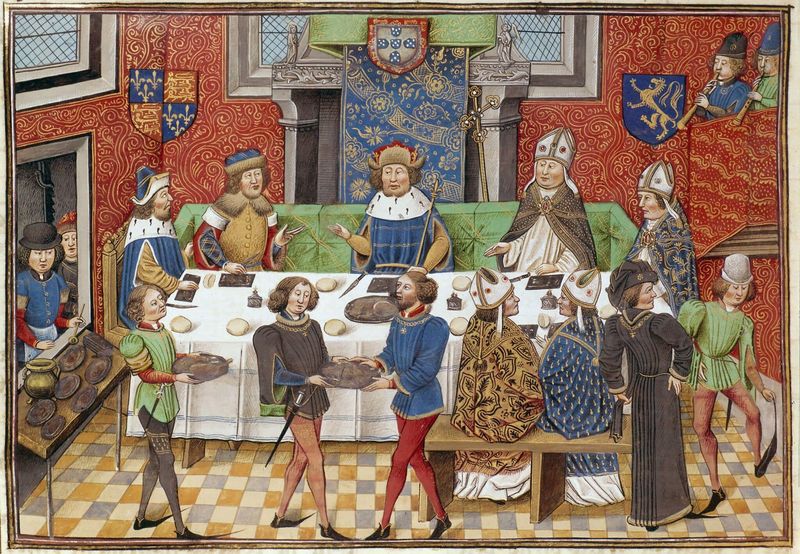
    The Shift From Two Meals To Three
    The Shift From Two Meals To Three
    Image Credit: © Medieval Ware

    Before the 1500s, most Europeans only ate twice daily. Medieval peasants and nobles alike typically had a mid-morning meal and an evening supper, skipping what we now call breakfast.

    Early morning eating was often seen as gluttony or a sign of weakness. Only children, the elderly, and sick people were encouraged to eat upon waking. Healthy adults were expected to wait several hours after rising before their first meal.

    Working Hours And The Rise Of Regular Meals

    As the Renaissance brought busier towns and growing trade, people’s schedules began to stretch throughout the day. Craftsmen, merchants, and apprentices needed food that would sustain them through long hours of labour and travel. Guild masters and employers noticed that workers performed better when they ate more regularly, encouraging a small early meal or snack to keep energy levels up.

    Over time, this practical shift in routine laid the groundwork for a more structured pattern of daily eating.

    Breakfast Becomes Fashionable In The 16th Century
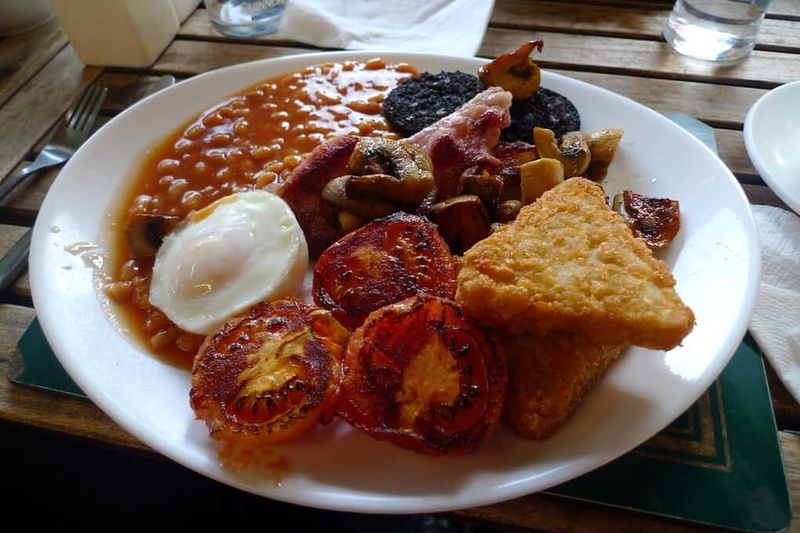
    Breakfast Becomes Fashionable In The 16th Century
    Image Credit: © Everything Zany

    Wealthy Tudor households started serving elaborate morning meals as a status symbol. What was once considered sinful became a fashionable display of prosperity and refinement amongst the upper classes.

    King Henry VIII famously enjoyed hearty breakfasts, making the practice socially acceptable. As nobility embraced morning dining, the middle classes followed suit. By the late 1500s, breakfast had transformed from a shameful indulgence into an expected part of daily routine for respectable families.

    Lunch Emerges As A Mid-Day Meal

    City life changed how people ate, as merchants and labourers often couldn’t return home for the main meal. Instead, they began grabbing quick bites from market stalls or taverns between tasks. The word luncheon, later shortened to lunch, came from the old English word nuncheon, meaning a small snack taken at noon.

    What started as a light break for busy workers slowly evolved into the solid midday meal we recognise today.

    Evening Supper Takes Its Place As Dinner Moves Later

    As dinner shifted to midday, people needed another meal before bedtime. Supper became the lighter evening meal, typically consisting of leftovers, bread, cheese, and simple fare that didn't require extensive preparation.

    This evening gathering served social purposes beyond nutrition. Families reconnected after long workdays, sharing stories and strengthening bonds. The timing allowed everyone to finish daily tasks whilst still eating at a reasonable hour before retiring for the night.

    Cultural And Social Factors That Cemented The Pattern
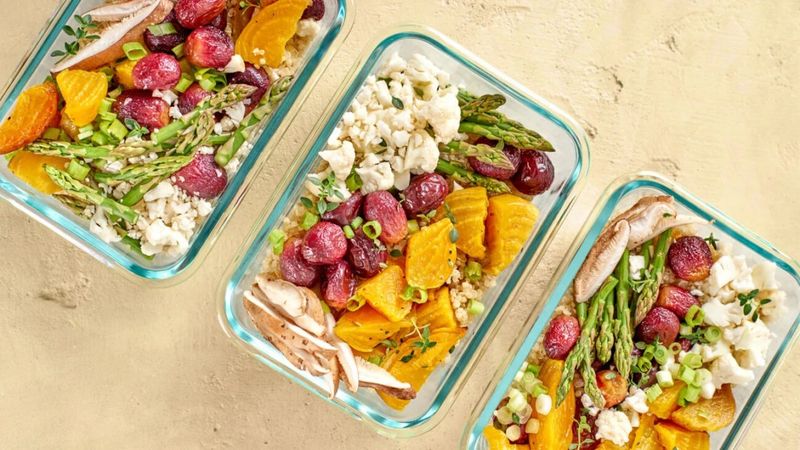
    Cultural And Social Factors That Cemented The Pattern
    Image Credit: © Healthline

    By the seventeenth and eighteenth centuries, the habit of three daily meals had become part of ordinary life across much of Europe. Cookbooks, etiquette guides, and household manuals began to reflect this rhythm, giving structure to when and what people should eat.

    Social customs soon tied mealtimes to respectability and good manners, especially within the growing middle class. Within a few generations, eating breakfast, lunch, and dinner felt natural - a sign of order, stability, and proper household management.
    More Food news & trends

    • 9 Charleston, South Carolina Restaurants Tourists Always Miss
    • 11 Unforgettable Iowa Day Trips Everyone Should Experience At Least Once
    • 9 All-You-Can-Eat Spots In Ohio That Keep People Coming Back For More
    • 10 Florida Seafood Shacks Where Locals Would Rather Eat Than Fancy Restaurants

    Primary Sidebar

    Keri Bevan

    Welcome, I'm Keri

    I'm the food photographer and recipe developer and writer behind Daily Dish.

    More About Me
    SUBSCRIBE

    Popular Posts

    • 12 Italian Spots In New Jersey That Hit Maximum Capacity Every Friday
    • 10 California Restaurants That Never Spend A Dollar On Advertising Yet Never Have An Empty Seat
    • 13 Hole-In-The-Wall New Jersey Italian Places Where The Red Sauce Tastes Like Grandma Made It
    • 9 Massachusetts Buffets That Include Seafood And Will Have You Coming Back Again And Again

    Cozy Soups

    • Fava bean soup in a ceramic bowl.
      Fava Bean Soup
    • Vegan potato soup in a bowl with chives and croutons.
      Creamy Vegan Potato Soup
    • Bok choy soup with garlic and ginger.
      Bok Choy Soup With Garlic & Ginger
    • gluten free and dairy free tomato soup
      Creamy Gluten Free And Dairy Free Tomato Soup
    Company logs of people I have worked with.

    Footer

    ↑ back to top

    Recipes

    • Breakfast
    • Lunch
    • Dinner
    • Sauces and Dips
    • Gluten Free

    Newsletter

    • Sign Up! for emails and updates

    Contact

    • Contact
    • Privacy Policy
    • Daily Dish Web Stories

    As an Amazon Associate I earn from qualifying purchases.

    Copyright © 2024 Daily Dish