










It’s a common dilemma – standing in front of the fridge, unsure whether a yoghurt or other product is still safe to eat. The dates printed on food packaging can be confusing, but “use by” and “best before” labels mean very different things.
Understanding the difference can help you avoid wasting food while keeping your meals safe to eat.
This article is for general informational purposes only and should not replace professional food safety advice. Always check your food carefully. Photos are for illustrative purposes only.
Understanding The Difference Between Use By And Best Before

Most people think all date labels mean the same thing, but that's where the confusion starts. In Britain, food labels follow strict rules set by the Food Standards Agency, and they're designed to protect us in different ways.
Use by dates are all about safety. They appear on foods that go off quickly and could make you poorly if eaten past the date – think fresh meat, fish, and ready meals. Once that date passes, harmful bacteria can multiply fast.
Best before dates, on the other hand, are about quality rather than safety. You'll find these on things like biscuits, crisps, and tinned goods. The food might lose a bit of flavour or crunch after the date, but it won't necessarily harm you.
What Use By Dates Really Mean For Food Safety
Here's something that might surprise you: ignoring a use by date isn't just about risking a dodgy tummy – it can actually be dangerous. Foods with use by labels are the ones most likely to harbour nasty bugs like salmonella, listeria, or E. coli.
Supermarkets in the UK are legally required to put use by dates on high-risk foods. This includes dairy products like soft cheeses, cooked meats from the deli counter, and anything with a cream-based sauce. Even if it looks and smells fine, bacteria you can't see or detect could be lurking.
Once the use by date passes, chuck it. No amount of cooking will make it safe again if harmful bacteria have already produced toxins.
How Best Before Dates Affect Quality Not Safety
Picture this: you're making spag bol and find a packet of dried pasta at the back of the cupboard, three months past its best before. Should you bin it? Absolutely not. Best before dates are the manufacturer's way of saying, "This is when we reckon it'll taste its absolute best."
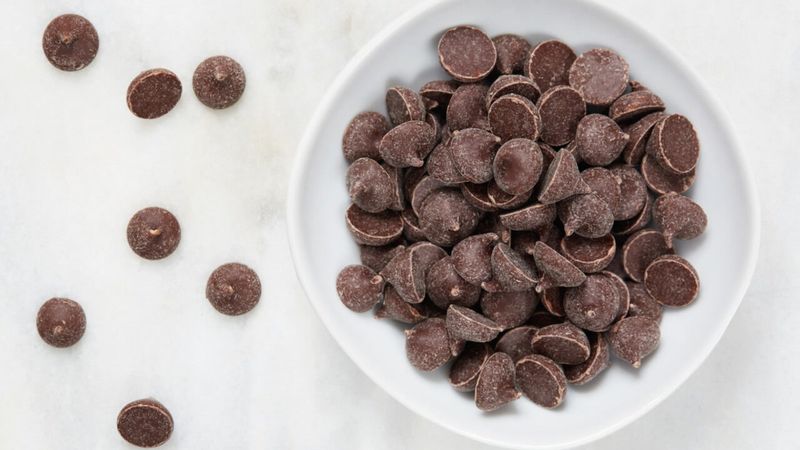
After that date, your crisps might go a bit soft, your chocolate could develop a white bloom, or your cereal might lose its crunch. None of this means the food is unsafe – it's just not at peak perfection anymore.
The difference comes down to how the food is made and stored. Dry, preserved, or tinned goods last ages because they don't create the moist environment bacteria need to thrive.
Tips For Reading Labels Correctly
Reading food labels properly is a skill that'll save you both money and worry. Start by actually looking for the words "use by" or "best before" – they're usually printed near the barcode or on the lid.
Storage instructions matter just as much as the date itself. That chicken breast with a use by date of tomorrow? It's only safe until then if you've kept it in the fridge at the right temperature. Leave it out on the counter for a few hours and all bets are off.
Some products also have "display until" or "sell by" dates, but these are just for shop staff to manage stock. They're not safety indicators for you as the customer, so don't get distracted by them when checking if something's still good.
Foods You Can Often Eat After The Best Before Date
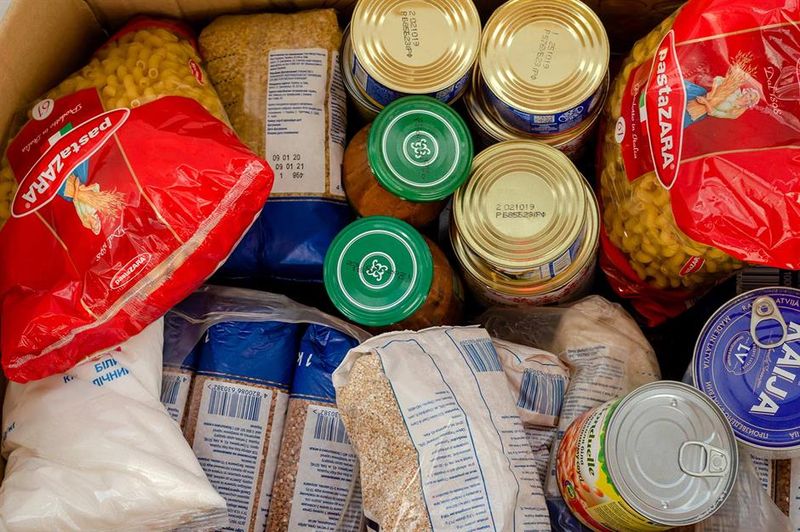
Brits chuck away nearly seven million tonnes of food each year, and a huge chunk of it is still perfectly edible. Dried pasta, rice, and pulses can last months or even years past their best before if kept in a sealed container away from moisture.
Tinned goods are proper champions of longevity. That tin of beans or tomatoes from 2022? Probably still absolutely fine. Just check the tin isn't dented, rusty, or bulging – those are signs something's gone wrong.
Tea bags, coffee, biscuits, and chocolate all fall into this category too. They might not taste quite as brilliant, but they won't make you ill. Give them a sniff and a visual check – your senses are brilliant at spotting trouble.
Avoiding Waste While Staying Safe
Reducing food waste doesn't mean taking silly risks with your health. The trick is knowing when to be cautious and when to trust your judgement. Always respect use by dates on meat, fish, and dairy – these aren't suggestions, they're safety limits.
For best before items, use common sense. If that jar of jam has been open for six months and there's mould on top, the date doesn't matter – bin it. But sealed packets of crisps or biscuits a few weeks past their date? Crack them open and see how they taste.
Proper storage extends life too. Keep your fridge at five degrees or below, freeze things before their use by date if you won't eat them in time, and store dry goods in airtight containers.