








Tea isn’t just a drink in Britain – it’s a ritual, a comfort, and sometimes the answer to almost any problem. From cosy mornings with a steaming cup to quick afternoon breaks at work, tea has a way of bringing people together and lifting spirits. There’s a fascinating history and culture behind every brew that goes far beyond just steeping leaves in hot water.
This article is for general informational purposes only. While tea is widely enjoyed and can contribute to hydration, its effects can vary depending on individual health conditions, caffeine sensitivity, and preparation.
A Daily Ritual That Brings Comfort
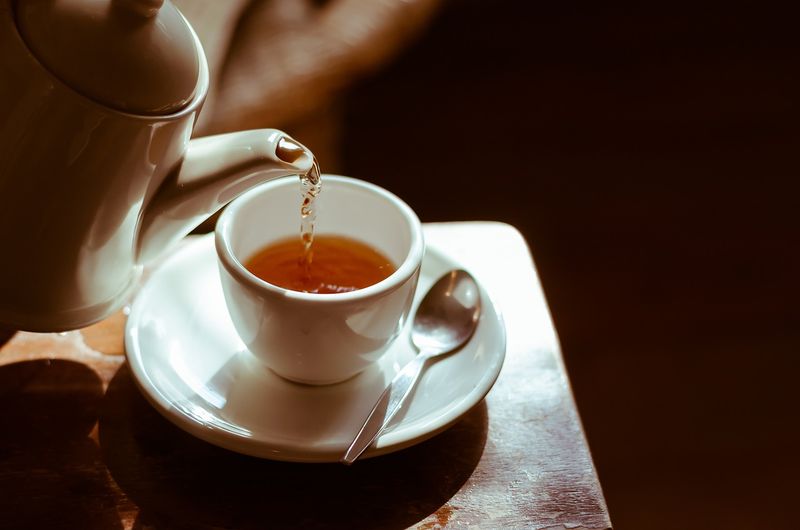
Morning wouldn't feel complete without that first cuppa for millions across Britain. Wrapping cold hands around a warm mug creates an instant sense of calm that coffee simply can't replicate.
Whether you're facing a tough day or celebrating good news, tea provides steady reassurance. The familiar ritual of boiling the kettle and steeping the leaves offers predictable comfort in an unpredictable world, making every sip feel like coming home.
The Social Glue Of British Life
Friendships in Britain are often cemented over countless cups of tea shared across kitchen tables. Inviting someone for tea means opening your home and heart, creating space for genuine conversation and connection.
From catching up with neighbours to consoling a heartbroken mate, tea facilitates the moments that matter most. The simple act of making someone a brew shows care without needing grand gestures or fancy words.
Tea Breaks As Workplace Tradition
Productivity in British workplaces often hinges on strategically timed tea breaks throughout the day. These pauses aren't laziness - they're essential moments for mental reset and informal problem-solving amongst colleagues.
Many brilliant ideas have emerged during impromptu chats by the office kettle. Tea breaks level workplace hierarchies temporarily, allowing managers and junior staff to connect as equals over a shared cuppa, strengthening team bonds naturally.
A Symbol Of Hospitality And Warmth
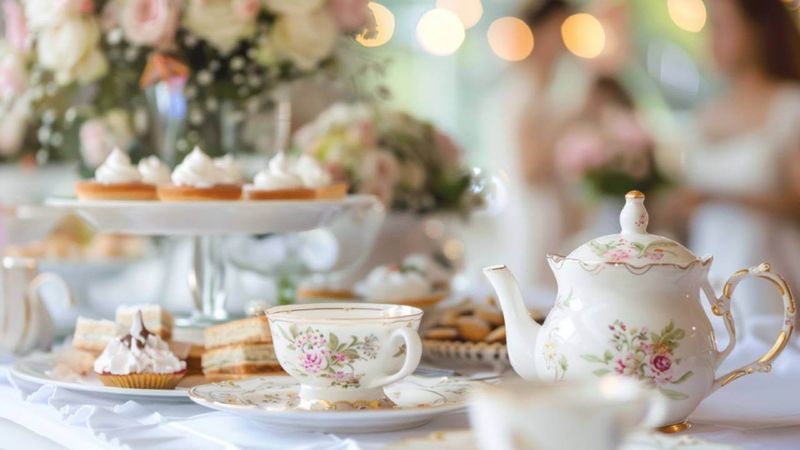
"Put the kettle on" might be the most welcoming phrase in the British vocabulary. Offering tea to guests - expected or surprise - demonstrates immediate acceptance and care, transforming strangers into friends within minutes.
Refusing a cup of tea someone's made specially can feel almost insulting in British culture. This beverage carries emotional weight beyond its ingredients, representing time, attention, and genuine interest in another person's wellbeing.
The Evolution From Loose Leaf To Teabags
Tea's journey from exclusive loose-leaf luxury to convenient teabags democratised this beloved drink for everyone. What once required elaborate ceremonies and expensive equipment became accessible to working families across the nation.
Today's teabag might seem ordinary, but it revolutionised British life by making quality tea achievable anywhere, anytime. Purists still champion loose leaf, yet teabags undeniably brought tea's comforting embrace to the masses efficiently.
How British Tea Culture Shaped Global Trade
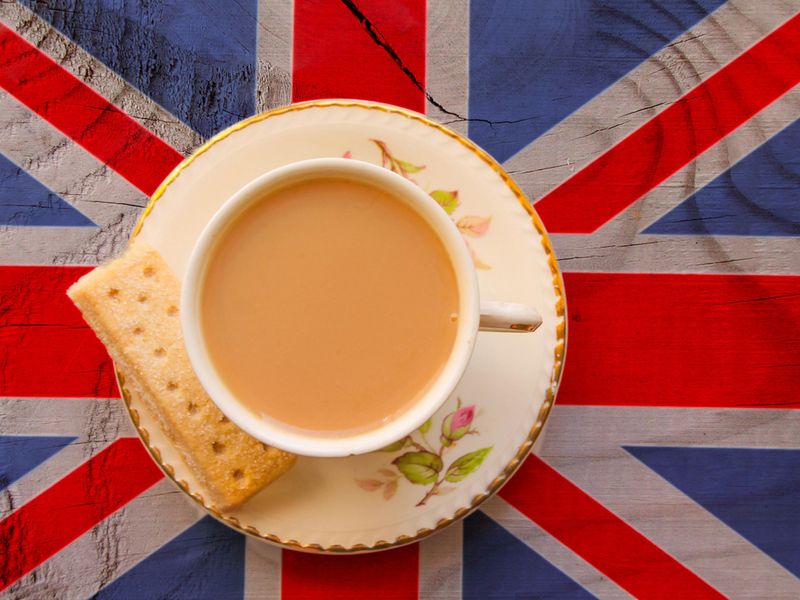
Britain's insatiable appetite for tea literally reshaped world geography and economics for centuries. Trade routes were established, empires expanded, and entire nations' economies became intertwined with satisfying British tea cravings.
From India's Assam plantations to Sri Lankan hillsides, landscapes transformed to feed Britain's teapots. This tiny island's beverage preference influenced global agriculture, labour patterns, and international relations in ways still visible today across continents.
Modern Twists On A Classic British Habit
Traditional builders' brew now shares shelf space with matcha lattes, bubble teas, and exotic herbal blends across Britain. Younger generations honour tea's importance whilst experimenting with flavours their grandparents never imagined possible.
Specialty tea shops flourish in British cities, proving tea's relevance endures through reinvention. Whether you prefer classic English Breakfast or trendy turmeric chai, tea remains Britain's beverage of choice, adapting beautifully to contemporary tastes.