











Plant-based eating has grown rapidly in Britain, with supermarkets and cafés offering more vegan options than ever before. Yet not everyone is sticking with the trend.
Some people are stepping back from a fully vegan lifestyle, citing challenges such as unsatisfying substitutes, limited options in certain situations, or difficulties maintaining the diet long-term.
These factors highlight why the shift isn’t working for everyone, even as vegan food continues to expand in popularity.
This article is for general information only. Experiences with diet and lifestyle choices vary, and photos are for illustrative purposes. For personalised nutrition advice, consult a qualified healthcare professional.
1. Expensive Price Tags Put People Off

Your weekly shop suddenly costs more than a night out when you go vegan. Cashew cheese rings up at £4 a pop whilst regular cheddar sits smugly at £2.
Plant-based meat alternatives often cost double their animal counterparts, making families stretch their budgets thin. When you're already feeling the pinch from rising energy bills, spending extra on specialty vegan products feels like a luxury many can't justify.
2. Disappointing Taste Experiences

That much-hyped vegan sausage roll from Greggs might have made headlines, but not every plant-based swap hits the mark. Many alternatives taste like someone described the original food over a dodgy phone line.
Vegan cheese that refuses to melt properly and burgers with the texture of wet cardboard leave people longing for familiar flavours. When your taste buds expect comfort and get confusion instead, it's natural to drift back to what you know works.
3. Social Situations Become Awkward

Sunday roasts at your nan's house suddenly become diplomatic missions when you're the only vegan at the table. Family gatherings turn tense when relatives take your food choices as personal criticism.
Office lunch meetings and pub visits with mates require advance planning and awkward conversations. The constant need to explain, defend, or accommodate your dietary choices can wear you down, making social eating feel like hard work rather than pleasure.
4. Nutritional Concerns Creep In
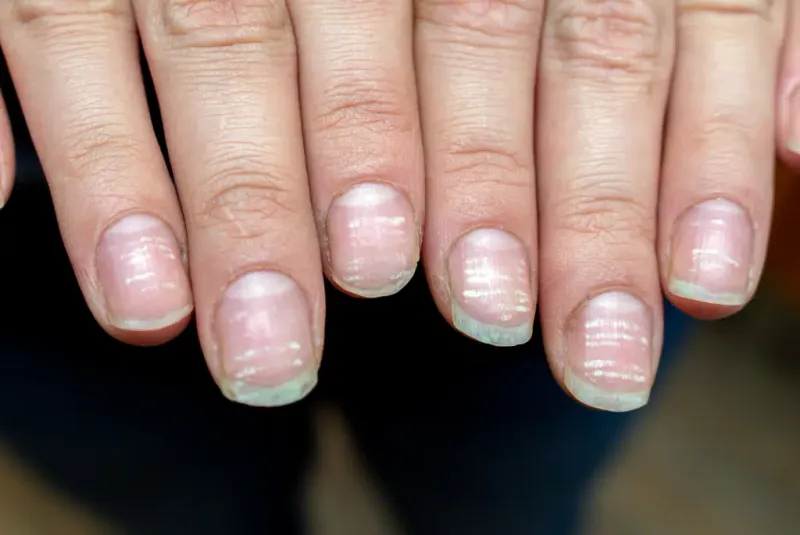
Dr Sarah Johnson, a registered nutritionist, notes that poorly planned vegan diets can lead to deficiencies in B12, iron, and omega-3 fatty acids. Blood test results showing low levels can be genuinely worrying.
Constant supplement juggling and careful meal planning to hit nutritional targets becomes exhausting. When friends start commenting that you look pale or tired, doubts about whether you're doing your body any favours begin to surface, leading some back to omnivorous eating.
5. Limited Options When Eating Out
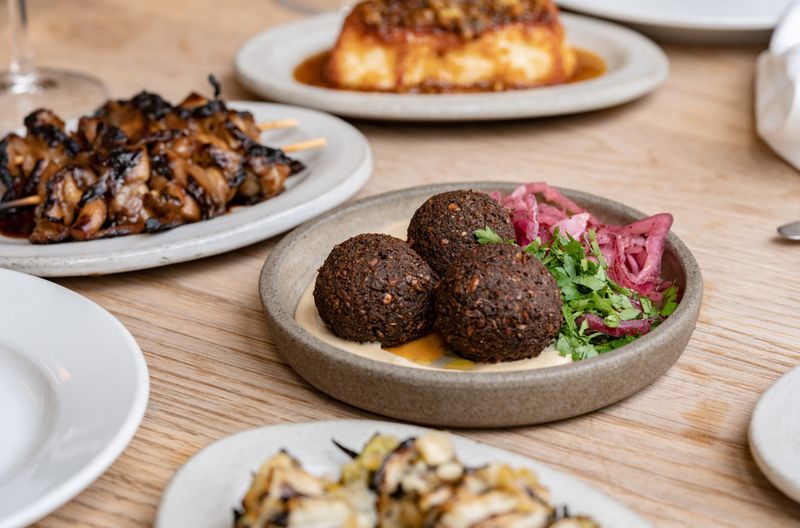
Your local curry house might offer one sad veggie option whilst your mates feast on tandoori delights. Many British restaurants still treat vegan dishes as afterthoughts rather than proper meals.
Travelling around the UK becomes a treasure hunt for decent plant-based options, especially in smaller towns. When every meal out requires research and backup plans, spontaneous dining becomes impossible, making food feel like a chore rather than a joy.
6. Time-Consuming Food Preparation
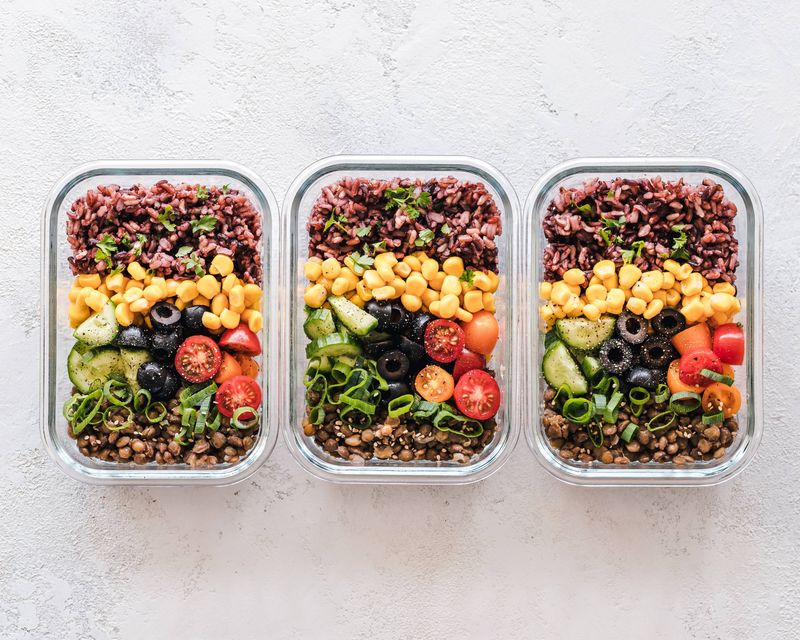
Forget grabbing a quick sarnie from Pret – vegan eating often means becoming a meal prep champion whether you want to or not. Reading every ingredient label turns shopping into a detective mission.
Cooking from scratch becomes essential when processed vegan options taste rubbish or cost a fortune. After a long day at work, spending ages soaking beans or making cashew cream feels overwhelming, especially when a ready meal would sort you right out.
7. Cravings For Familiar Comfort Foods
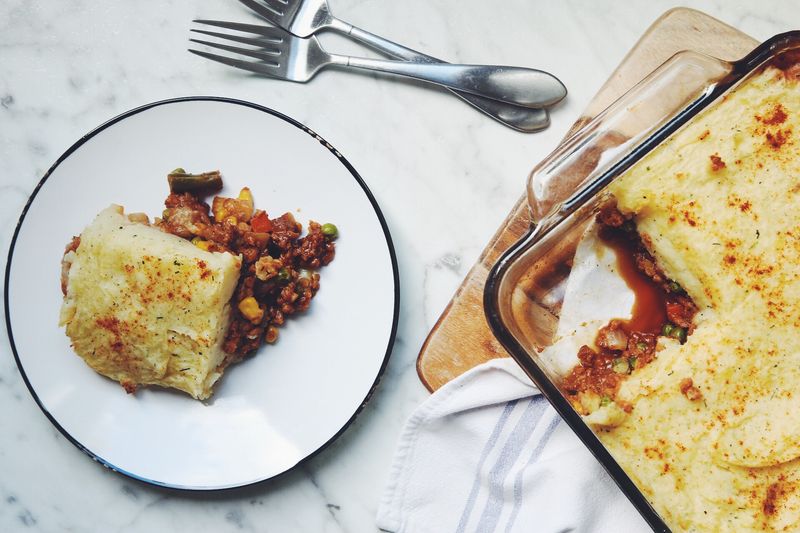
Nothing quite hits like your mum's shepherd's pie or a proper bacon butty on a hangover morning. These deeply embedded food memories don't disappear just because you've gone plant-based.
Childhood comfort foods carry emotional weight that vegan alternatives struggle to match. When you're stressed, sad, or celebrating, your brain craves those specific tastes and textures from your past, making plant-based substitutes feel like pale imitations of the real thing.
8. Digestive Issues From Plant Proteins
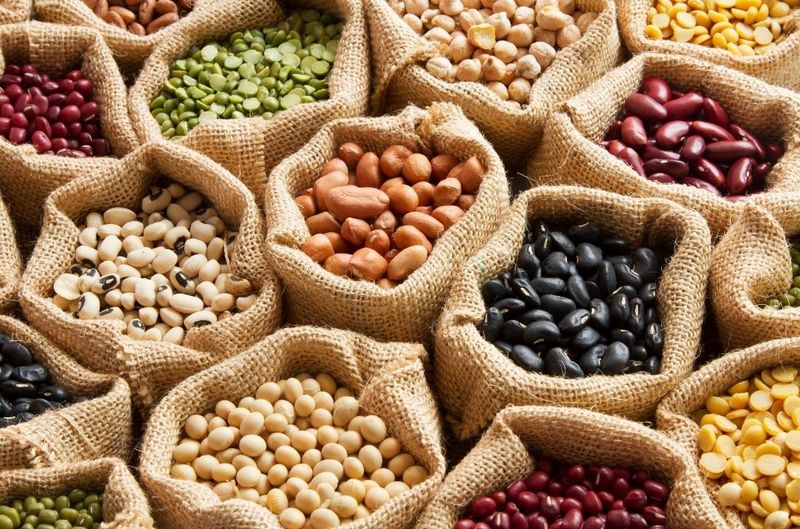
Suddenly switching to loads of beans, lentils, and high-fibre foods can turn your digestive system into a proper battleground. Wind, bloating, and stomach cramps become unwelcome dinner guests.
Some people's guts simply don't adapt well to increased plant protein and fibre intake, despite giving it months to settle. When eating becomes uncomfortable rather than enjoyable, it's understandable why folks might retreat to foods that don't cause internal warfare.
9. Pressure from Militant Vegans
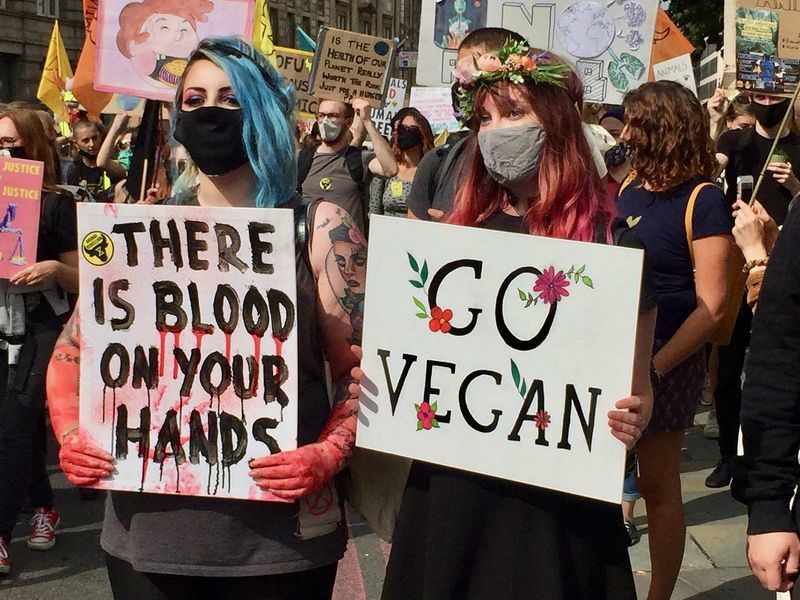
Nobody likes being lectured whilst trying to enjoy their lunch. Some vocal vegans can make the lifestyle feel like joining a judgemental club rather than making a personal choice.
Constant pressure to be the 'perfect' vegan, avoiding honey or checking if wine is filtered properly, becomes exhausting. When your food choices turn into moral battlegrounds and every slip-up feels like failure, the whole experience becomes stressful rather than positive and sustainable.
10. Missing Traditional British Culture
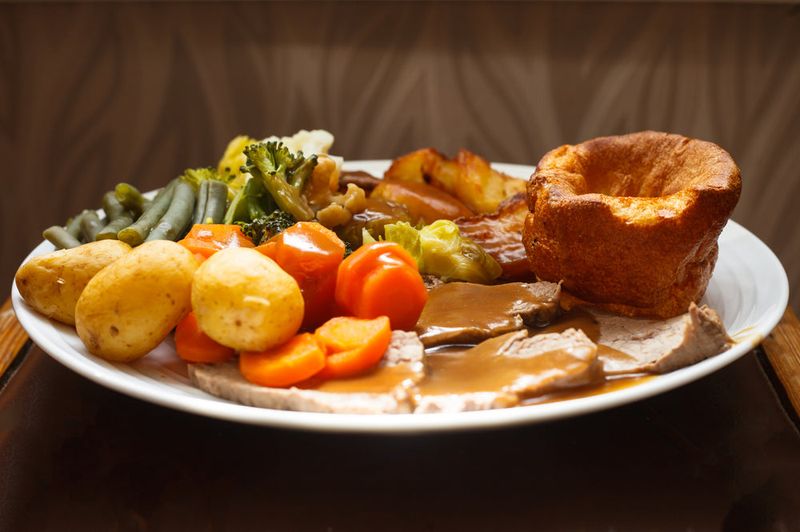
Fish and chips by the seaside, Sunday roasts with Yorkshire puddings, and Christmas dinner with all the trimmings form the backbone of British food culture. Vegan versions often feel like playing dress-up.
Food connects us to our heritage and shared experiences. When you can't properly participate in Burns Night haggis or Easter lamb traditions, you might feel disconnected from cultural moments that bind communities together through shared meals and memories.