










There’s something fascinating about digging into the food of the mid-century era - classics that sounded normal back then but would raise eyebrows today.
Some dishes or ingredients that were once household staples would now be hard to find on shelves because the rules have changed. And when you dig into why, you’ll discover a mix of evolving science, shifting regulations and changing tastes all rolled into one.
This content is for general informational interest and does not constitute legal, regulatory or nutritional advice.
1. Lead-Tinted Sweets
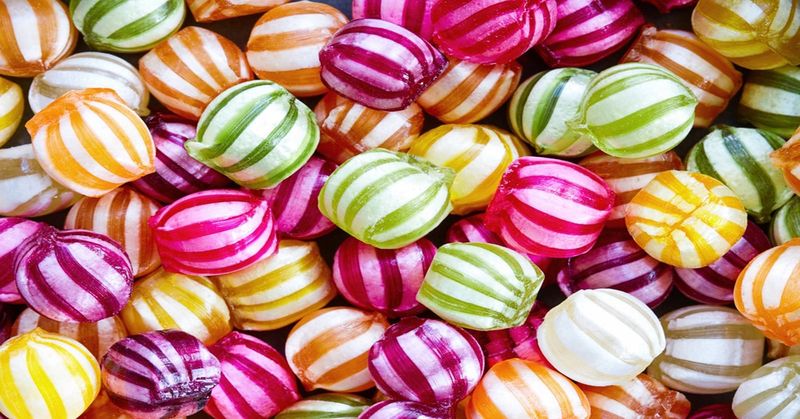
Manufacturers once added lead compounds to create vibrant colours in boiled sweets and hard candies. Lead chromate produced brilliant yellows and oranges that made treats look incredibly tempting to children.
Unfortunately, lead poisoning causes brain damage, learning disabilities, and behavioural problems. Even tiny amounts accumulated in the body over time, making these sweets particularly dangerous for young consumers who ate them regularly.
2. Arsenic-Coloured Confectionery
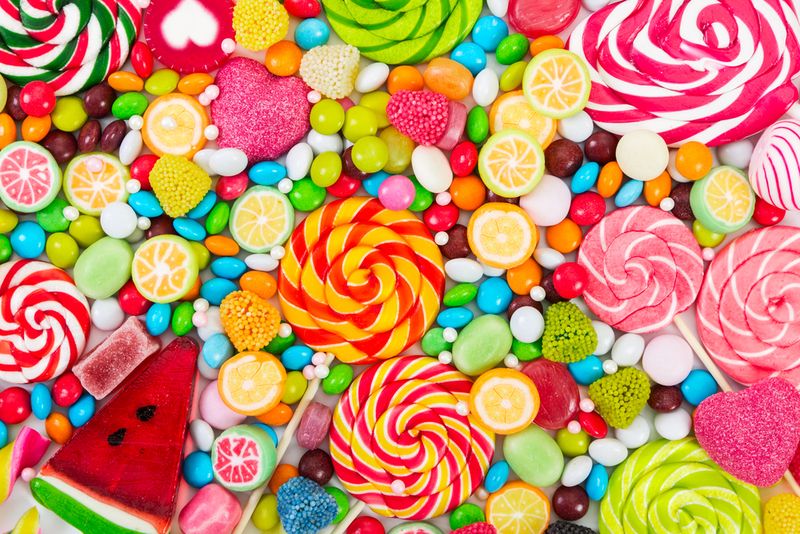
Arsenic compounds created stunning emerald greens in marzipan, icing, and decorative sweets throughout the Victorian era and into the mid-1900s. Scheele's Green and Paris Green were popular choices for confectioners wanting eye-catching products.
Arsenic is highly toxic and can cause severe illness, including organ damage and cancer. Children who consumed these pretty green treats faced serious health risks that weren't fully understood until much later.
3. Copper-Dyed Green Candy
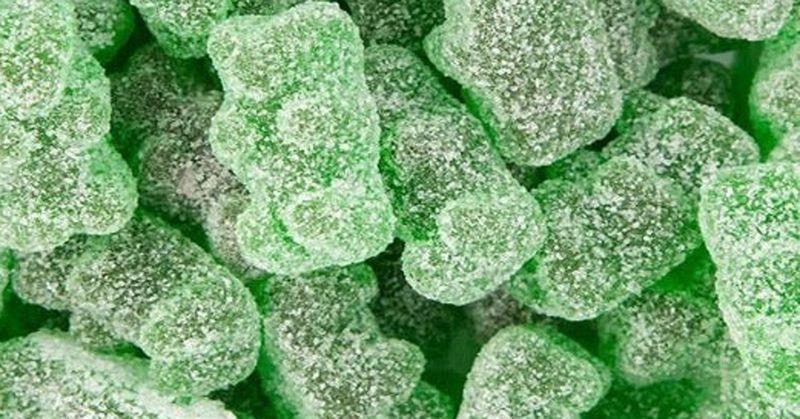
Copper salts gave mint sweets and green jellies their appealing colour for decades. Confectioners valued copper compounds because they created stable, bright greens that didn't fade quickly on shop shelves.
Excessive copper consumption damages the liver and kidneys whilst causing stomach pain and nausea. Regulations eventually banned these additives once scientists discovered the toxic effects of copper accumulation in human tissue over time.
4. Coal-Tar Red Dyes In Desserts
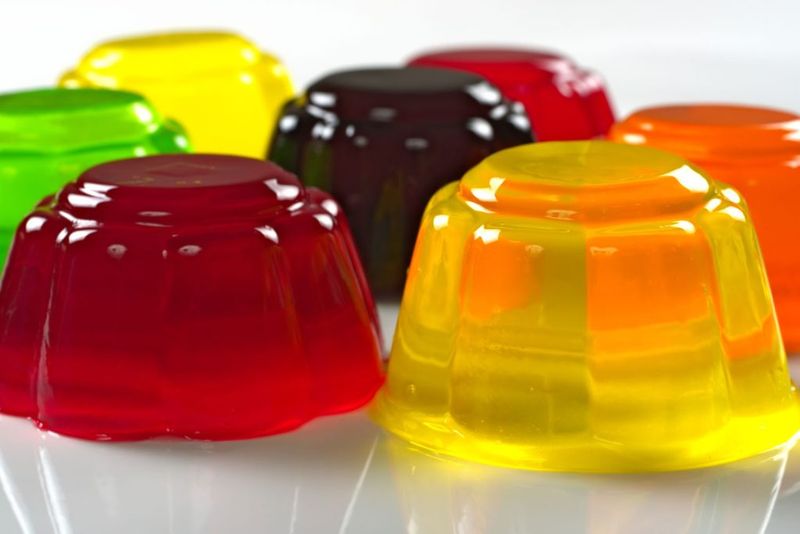
Coal tar derivatives produced intense red colours in jellies, ice cream, and tinned fruit throughout the mid-century period. Amaranth and other coal-tar dyes were incredibly cheap and created colours that natural ingredients couldn't match.
Research linked these synthetic dyes to cancer, allergic reactions, and hyperactivity in children. Most countries banned coal-tar food colourings by the 1970s after mounting evidence proved their dangers.
5. Azo Dye-Heavy Jellies
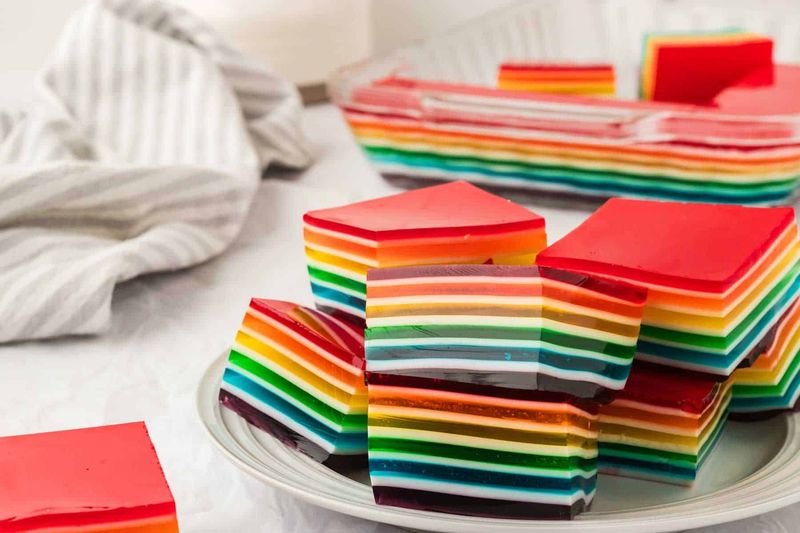
Azo dyes created unnaturally vibrant oranges, yellows, and reds in packet jellies and dessert mixes. Tartrazine and Sunset Yellow became household staples, making ordinary puddings look far more exciting than anything nature could produce.
These chemical compounds trigger severe allergic reactions, asthma attacks, and hyperactivity in sensitive individuals. Many azo dyes are now banned or require warning labels throughout Europe and other regions.
6. "Butter Yellow" Coloured Margarine
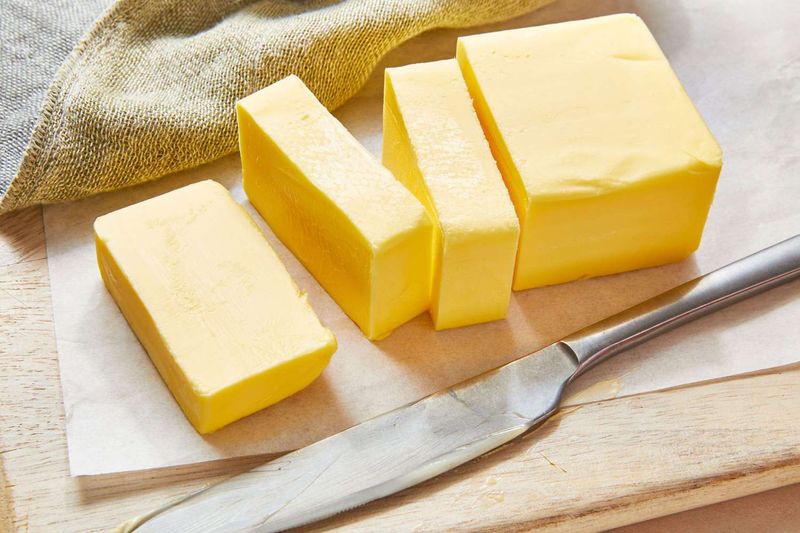
Dimethylaminoazobenzene, nicknamed "Butter Yellow," made cheap margarine look like expensive butter during wartime rationing and beyond. Manufacturers added this synthetic dye to convince consumers they were getting a premium product worth buying.
Scientists discovered that Butter Yellow caused liver cancer in laboratory animals during the 1940s. Authorities quickly banned this carcinogenic colourant from all food products once the cancer connection became undeniable.
7. Coal-Tar Additives In Puddings

Packet puddings relied heavily on coal-tar derivatives to achieve their distinctive brown, pink, and yellow hues. Instant desserts became wildly popular because they looked so appealing and required minimal preparation time for busy housewives.
Long-term exposure to these petroleum-based additives increased cancer risks and caused digestive problems. Regulatory agencies eventually removed most coal-tar colours from approved food additive lists across developed nations.
8. Chewing Gum With Industrial Yellow Dye
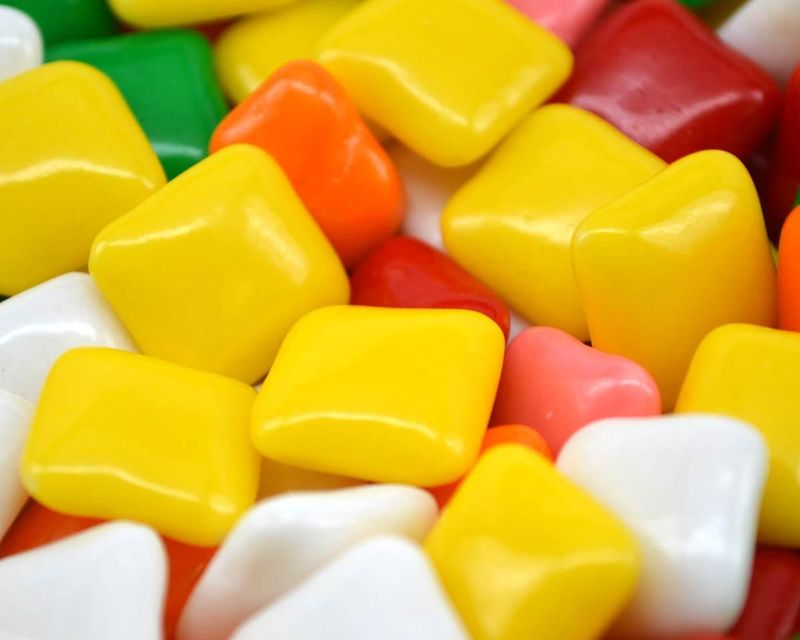
Industrial-grade yellow dyes made chewing gum look fun and fruity, especially varieties marketed towards children. Manufacturers used whatever cheap colourings were available, often borrowing dyes from textile and paint industries without proper safety testing.
These industrial chemicals contained heavy metals and carcinogens never meant for human consumption. Modern regulations require extensive testing before any colourant can be approved for food use.
9. Borax-Preserved Meats
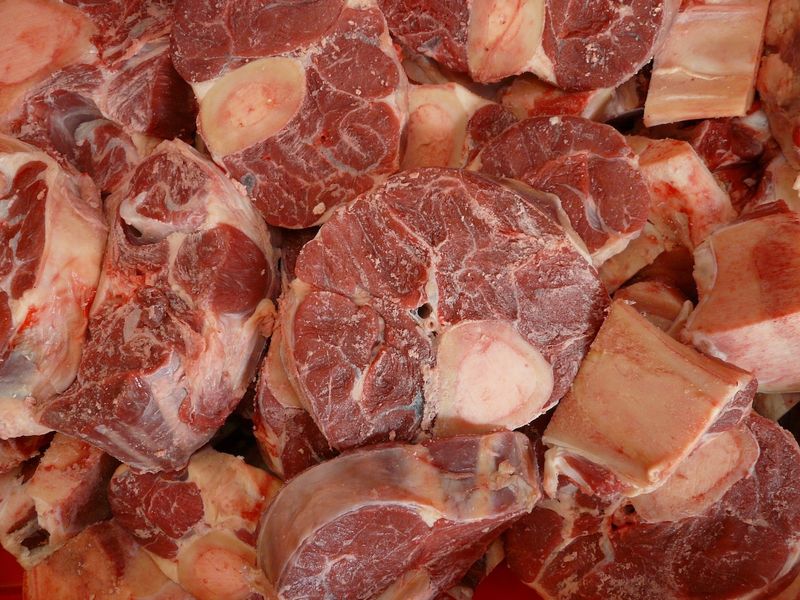
Borax kept processed meats fresh-looking and prevented bacterial growth in the days before reliable refrigeration. Butchers and food companies sprinkled this white powder liberally over ham, bacon, and tinned meats to extend shelf life significantly.
Borax consumption causes nausea, vomiting, and kidney damage with repeated exposure. Health authorities banned borax as a food preservative once safer alternatives became available and its toxicity was properly documented.