








Each year introduces a new crop of food trends that claim to transform our eating habits – but only a few actually last.
Some cause brief social media frenzies before disappearing as quickly as they arrived, while others find a permanent place in our kitchens.
From fleeting fads to lasting staples, the food trends of 2025 reveal how convenience, comfort and curiosity shape the way we eat today.
All information is provided for general interest only and is sourced from publicly available material.
Trends, availability and popularity may vary.
Photos are for illustrative purposes only.
The Rise And Fall Of Viral Recipes
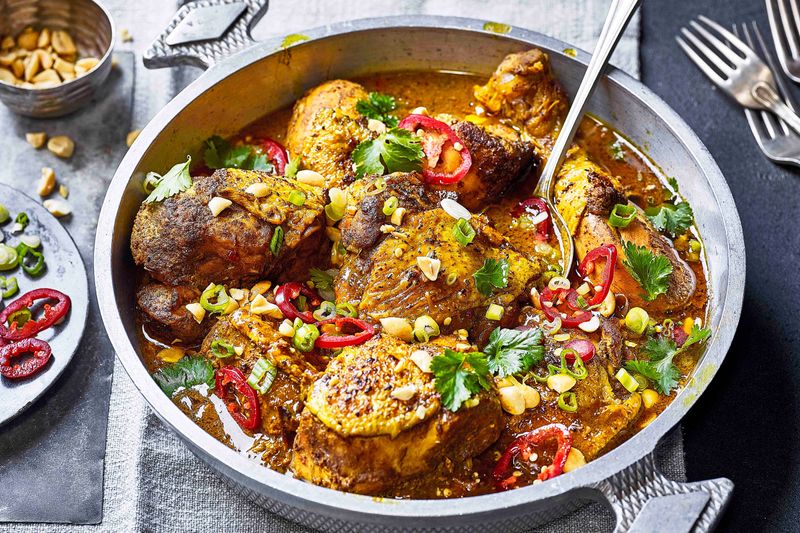
2025 brought another flood of social-media-inspired recipes that seemed unstoppable at first – from colourful “chaos cakes” to butter-boards and pasta-chips.
These dishes dominated feeds for weeks, promising to elevate home cooking overnight.
Yet by mid-year, many of them had faded into obscurity.
The main issue wasn’t their creativity but their staying power – most were impractical, overly time-consuming, or relied on ingredients few could find easily.
Once the novelty wore off, people gravitated back to simpler, more satisfying meals.
It proved that while a dish can go viral in seconds, lasting appeal takes more than likes and shares.
When Novelty Wore Off: Trends That Fizzled Fast
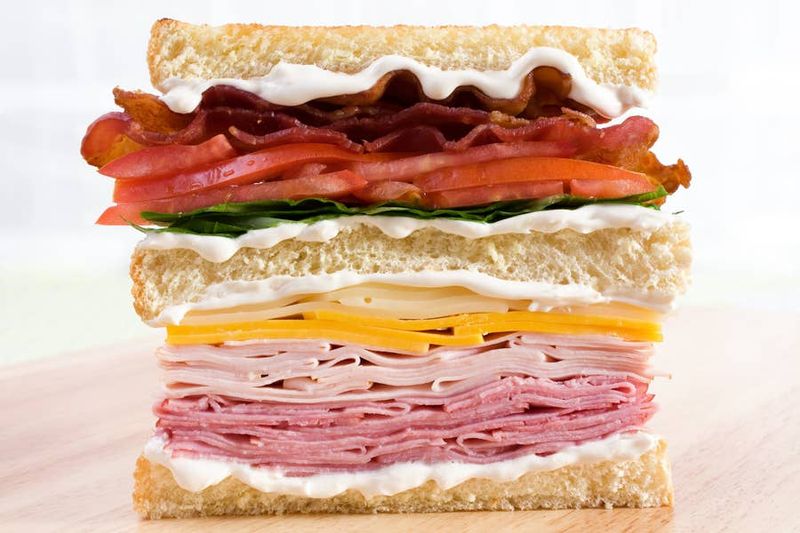
Some 2025 food crazes vanished as quickly as they appeared.
Recipes built around visual drama – rainbow-coloured drinks, over-stacked sandwiches, and edible glitter everything – quickly lost their charm when the taste failed to match the hype.
Many home cooks realised these recipes were fun once but not practical for regular use.
Others drew backlash for being wasteful or overly processed.
Within months, supermarket shelves stopped stocking the more eccentric ingredients that once fuelled these trends.
The message was clear – novelty sells for a moment, but flavour and function win in the long run.
Foods That Actually Stuck Around
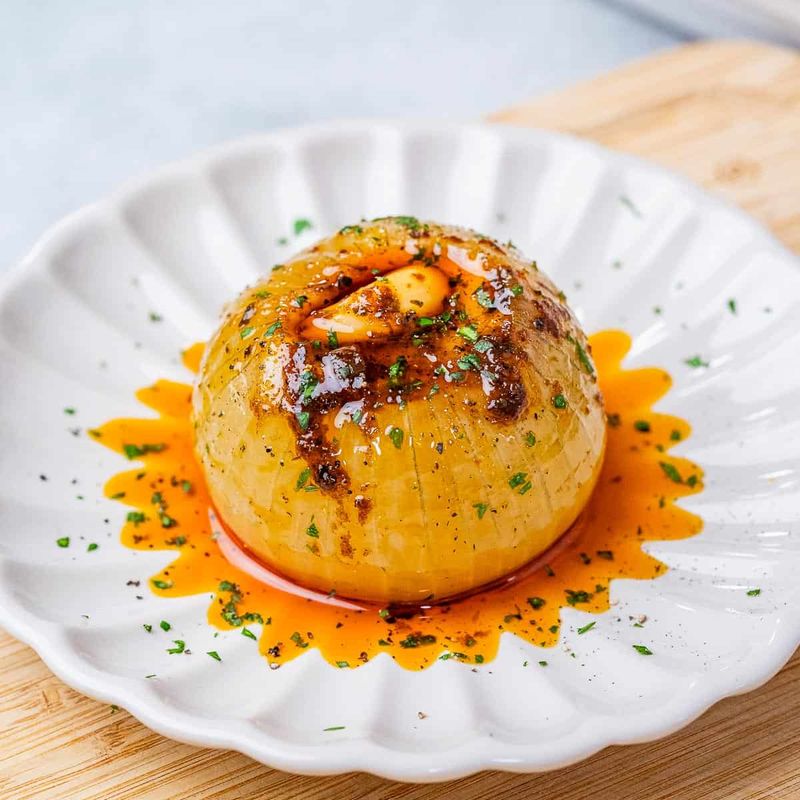
Not all trends were fleeting.
In 2025, some foods earned permanent places on British tables by balancing comfort and convenience.
Air-fryer recipes, one-pot meals, and plant-forward comfort food have proven both practical and affordable.
Dishes that embraced minimal waste and simple, nourishing ingredients – think roasted chickpeas, oat-milk lattes, or homemade soups – are here to stay.
These foods fit effortlessly into busy lives and shrinking grocery budgets, proving that long-term success comes from being useful, not flashy.
How Social Media Shapes What We Eat

TikTok, Instagram, and YouTube remain the engines behind nearly every food movement in 2025.
They’ve blurred the line between home cooking and entertainment, rewarding recipes that are bold, colourful, and quick to film.
But the same speed that propels a trend to global fame also burns it out fast – a dish can rise and fall within weeks once the algorithm moves on.
Still, social media has made cooking more accessible, inspiring millions to try new flavours and techniques they’d never have discovered otherwise.
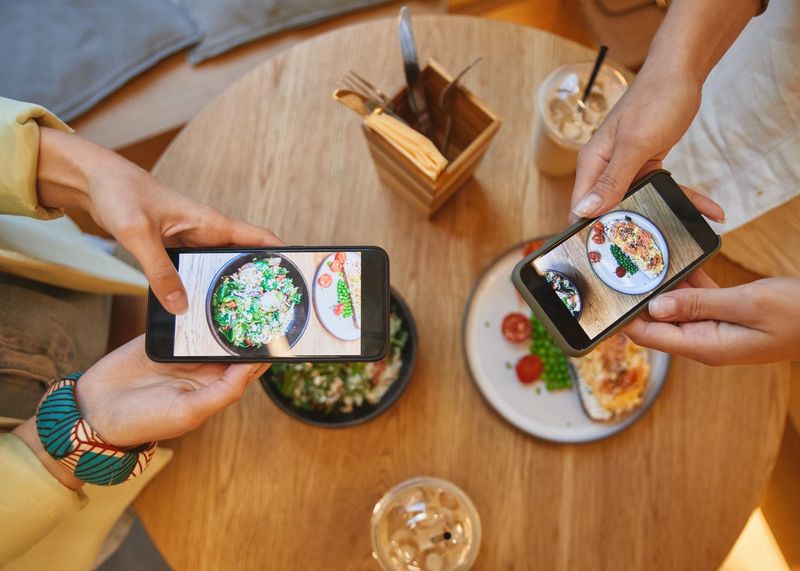
In today’s world, it’s not just chefs who set trends – it’s creators with good lighting and a smartphone.
What Makes A Food Trend Truly Last
The food trends that survive beyond the hype all share three key traits – simplicity, adaptability, and genuine value.
Dishes that use everyday ingredients, save time, or reduce waste have proven the most enduring in 2025.
Consumers are prioritising balance over spectacle, favouring recipes that make life easier without sacrificing flavour.
Sustainability plays a huge role too – plant-based proteins, seasonal produce, and waste-free cooking are more than fads now; they’re new standards.
In the end, trends last when they make sense for real kitchens, not just social media feeds.