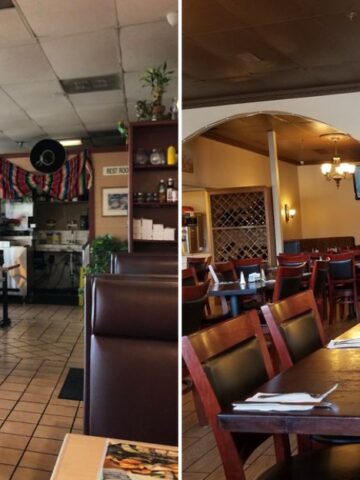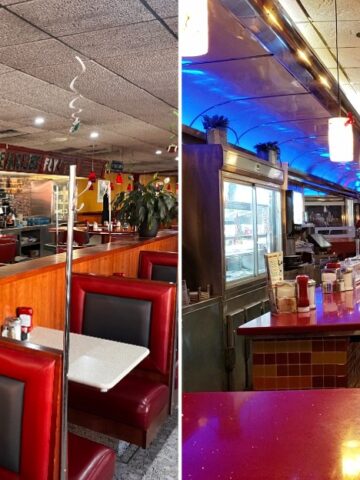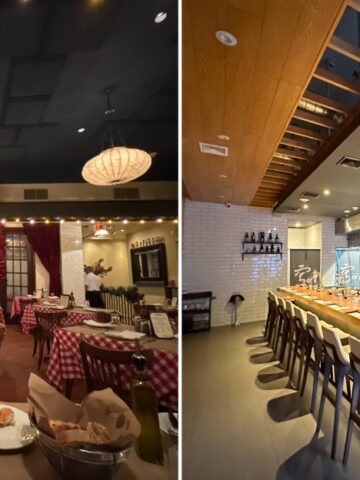



We’ve all been there - you order a meal that doesn’t quite hit the mark, but instead of saying something, you just smile politely and eat around it. For many Brits, the idea of sending food back feels almost worse than getting the wrong order in the first place. So why do we feel so guilty about speaking up when something’s not right?
This article is for general informational and entertainment purposes only. Dining experiences and cultural attitudes may vary. Photos are for illustrative purposes only.
1. Fear Of Causing A Scene

Making a fuss in public goes against everything most Brits hold dear. The thought of drawing attention from other diners feels mortifying, even when the complaint is completely reasonable.
Nobody wants to be "that person" who disrupts the peaceful atmosphere. This deep-rooted aversion to public confrontation means many people simply eat around the problem or leave food untouched rather than risk becoming the centre of unwanted attention.
2. Worry About Offending The Staff
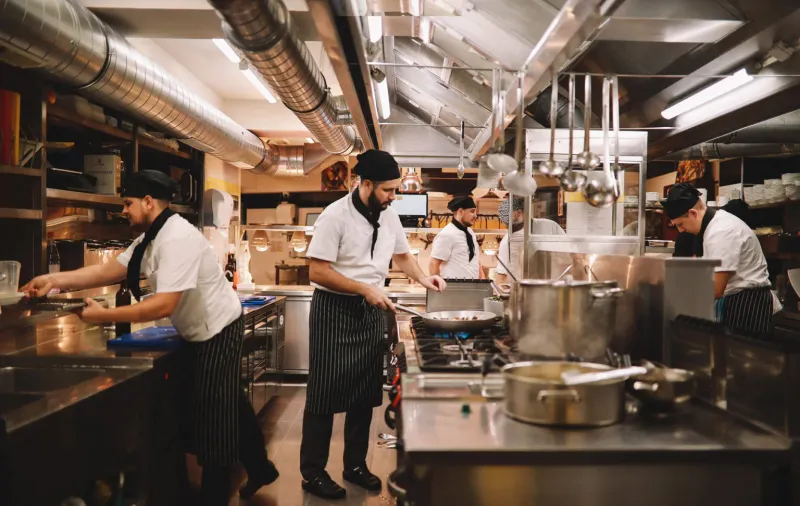
Brits often view sending food back as a personal attack on the chef or server. There's genuine concern about hurting someone's feelings or ruining their day with criticism.
Most people imagine the kitchen staff taking it personally, even though professionals expect occasional returns. This empathy, whilst admirable, sometimes prevents diners from asserting their rights as paying customers who deserve properly prepared meals.
3. Belief It's Impolite To Complain

Complaining feels inherently rude to many Brits, regardless of the situation's validity. Generations have been raised with the notion that politeness trumps personal satisfaction.
This cultural programming runs incredibly deep. Even when food arrives cold, burnt, or completely wrong, the instinct to smile and say "everything's lovely" often wins out. Challenging this ingrained behaviour requires consciously overriding years of social conditioning about proper manners.
4. Not Wanting To Waste Food

Growing up hearing "finish your plate" creates lasting guilt about wasted food. Sending a dish back means it'll likely be thrown away, which troubles environmentally conscious diners.
Many Brits would rather force down an unappetising meal than contribute to food waste. This concern intensifies when thinking about global hunger issues, making a personal dining disappointment seem trivial by comparison, even though restaurants factor returns into their operations.
5. The "Keep Calm And Carry On" Mentality

Britain's famous wartime slogan perfectly captures the national character. Stoicism and uncomplaining perseverance are practically woven into the cultural DNA.
This stiff-upper-lip approach extends to restaurants, where minor inconveniences like incorrect orders feel too trivial to mention. Complaining about food seems almost unpatriotic when ancestors endured rationing without grumbling. Maintaining composure, even whilst choking down overcooked steak, becomes a point of peculiar pride.
6. Embarrassment In Front Of Others
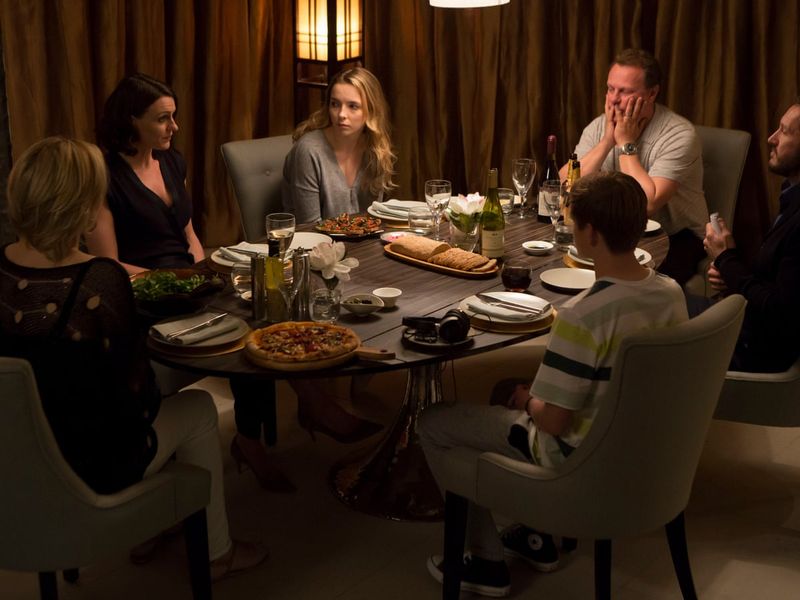
Dining companions amplify the discomfort exponentially. Nobody wants friends, family, or colleagues witnessing them make a complaint, fearing judgment about being difficult or demanding.
The embarrassment doubles when others at the table insist their meals are fine. Standing alone in dissatisfaction feels isolating and awkward. Many Brits simply pretend satisfaction to avoid becoming the evening's awkward moment that everyone remembers uncomfortably.
7. Doubt Over Whether The Complaint Is Justified

Second-guessing whether something's genuinely wrong or just personal preference paralyses decision-making. Perhaps the steak's supposed to be this chewy? Maybe this sauce always tastes odd?
Without culinary expertise, many diners worry they'll look foolish complaining about something perfectly normal. This self-doubt, combined with British reluctance to trust one's own judgment over perceived authority, keeps countless legitimately poor meals from being addressed properly.
8. Preference To Avoid Confrontation

Confrontation of any kind feels deeply uncomfortable for conflict-averse Brits. Even polite, justified complaints require a level of assertiveness that doesn't come naturally to everyone.
The potential for disagreement or pushback from staff creates anxiety that outweighs the disappointing meal. Leaving quietly and simply never returning feels easier than navigating an awkward conversation. This avoidance strategy, whilst protecting immediate comfort, perpetuates poor service standards unfortunately.