









Salt is one of the smallest ingredients in the kitchen, yet it has an outsized influence on how food tastes, smells, and even feels on the tongue.
A simple pinch can sharpen sweetness, soften bitterness, and bring hidden flavours forward in ways many home cooks rarely notice.
From everyday suppers to weekend baking projects, understanding how salt behaves gives you far more control over the final result without adding complexity or extra ingredients.
All information is provided for general interest only.
Cooking results may vary depending on ingredients, equipment, and personal taste preferences.
Photos are for illustrative purposes only.
How Salt Enhances Natural Flavours In Everyday Dishes
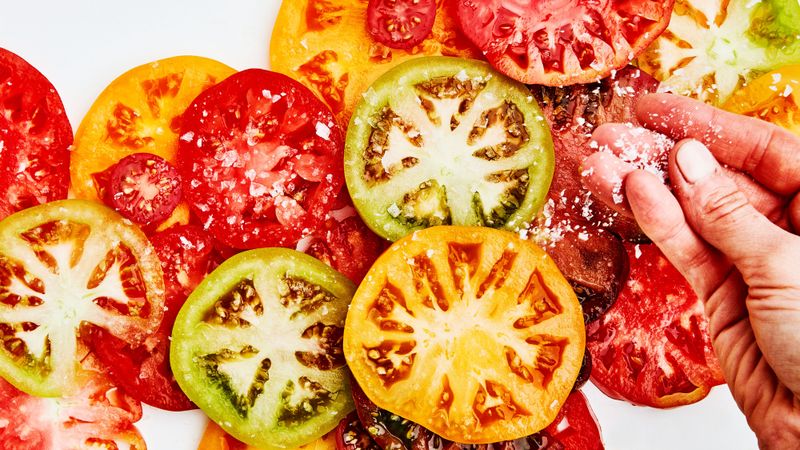
Ever noticed how a tomato tastes more like itself after a sprinkle of salt?
That's because salt doesn't just add flavour; it wakes up the natural tastes already hiding in your ingredients.
It suppresses bitterness and amplifies sweetness, which is why your nan's soup always hits differently.
Think of salt as the volume dial for food.
Without it, flavours sit quietly in the background.
With just the right amount, everything suddenly sings together in harmony, creating that satisfying depth you can't quite put your finger on.
The Difference Between Seasoning During Cooking And At The Table
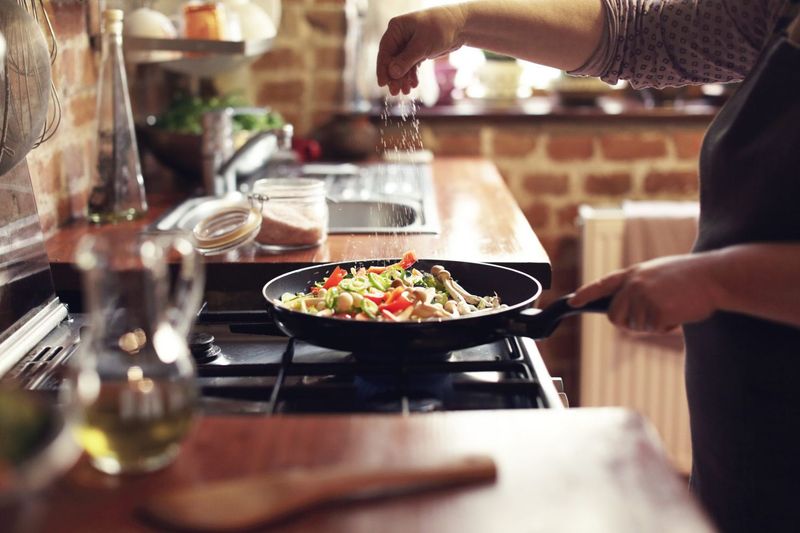
Salting your food whilst it cooks versus adding it at the table isn't just about convenience.
When you season during cooking, salt has time to dissolve and penetrate the ingredients, building flavour from the inside out.
It becomes part of the dish rather than sitting on top like an afterthought.
Table salt, added at the end, hits your tongue first and tastes, well, saltier.
It's great for a quick fix, but it won't give you that layered, well-rounded flavour you get from seasoning as you go.
Why A Pinch Of Salt Can Balance Sweet And Acidic Foods
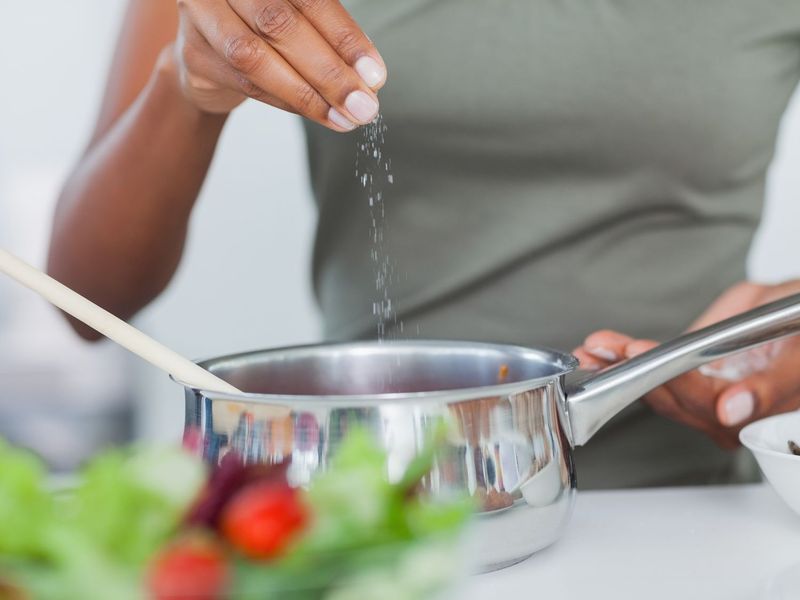
Here's a little kitchen magic: salt doesn't just make things salty.
A pinch in your chocolate brownies or fruit salad can actually make them taste sweeter and more vibrant.
Salt balances acidity too, softening the sharp edges of lemon juice or tomatoes without flattening them completely.
Next time your pudding tastes a bit one-note or your tomato sauce feels too tart, try a tiny bit of salt before reaching for more sugar.
You'll be surprised how it brings everything into focus, like adjusting the contrast on a photo.
How Different Types Of Salt Affect Texture And Taste
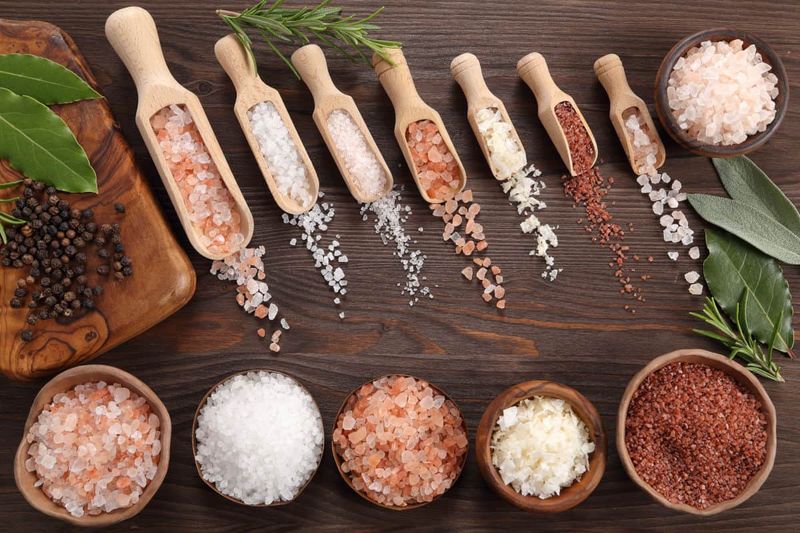
Not all salt is created equal, and swapping one type for another can genuinely change your dish.
Fine table salt dissolves quickly and distributes evenly, making it brilliant for baking and everyday seasoning.
Flaky sea salt, on the other hand, adds a delicate crunch and a burst of salinity that's perfect for finishing dishes.
Coarse salts take longer to dissolve, which makes them ideal for things like pasta water or roasting vegetables.
Understanding these differences helps you choose the right salt for the job, not just whatever's nearest.
When Too Much Salt Masks Flavour Instead Of Improving It
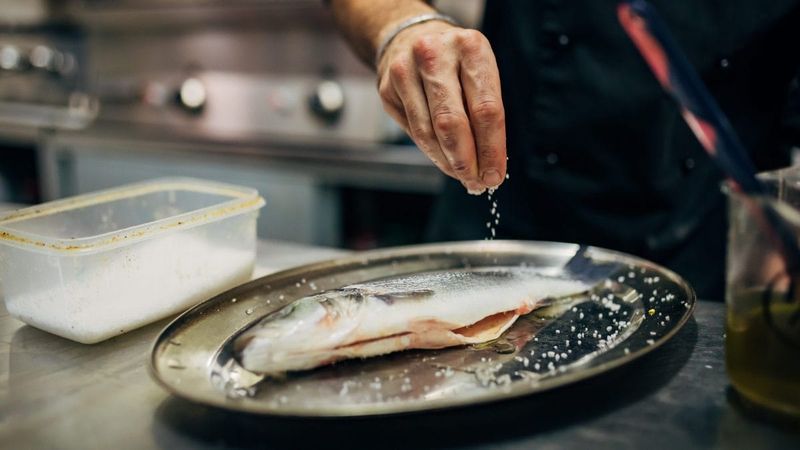
There's a fine line between perfectly seasoned and oversalted, and crossing it can ruin an otherwise lovely meal.
Too much salt doesn't just make food taste salty; it actually drowns out the other flavours you've worked hard to build.
Your taste buds get overwhelmed, and everything starts tasting one-dimensional.
The trick is to add salt gradually, tasting as you go.
You can always add more, but you can't take it back once it's in there.
A light hand keeps flavours balanced and lets each ingredient shine through properly.
How Salt Changes The Way Food Cooks And Browns
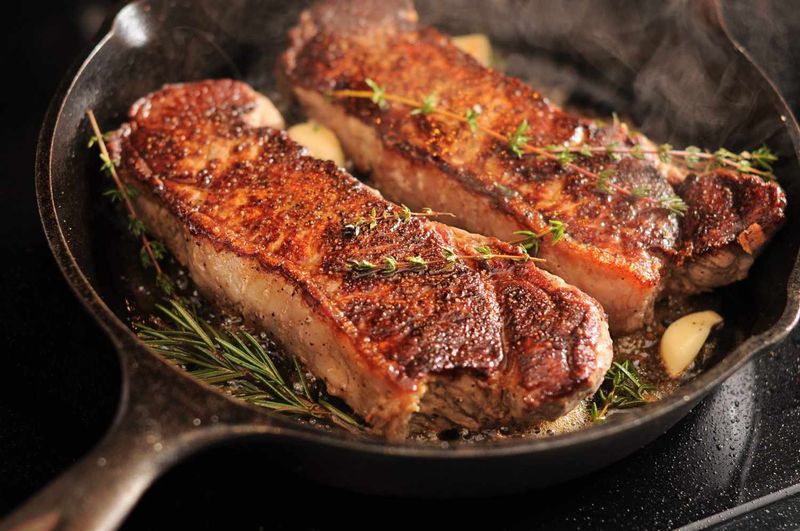
Did you know salt can actually speed up the Maillard reaction, that beautiful browning process that gives roasted meat and toasted bread their irresistible flavour and colour?
It draws moisture to the surface of food, which helps create that golden, crispy exterior we all crave.
Salting meat before cooking also helps it retain moisture, keeping it juicy inside whilst developing a gorgeous crust outside.
It's not just about taste; salt is actively working to improve texture and appearance, making your food look as good as it tastes.
Simple Ways To Season More Consistently At Home
Consistency is the secret to reliable, delicious cooking, and seasoning is no exception.
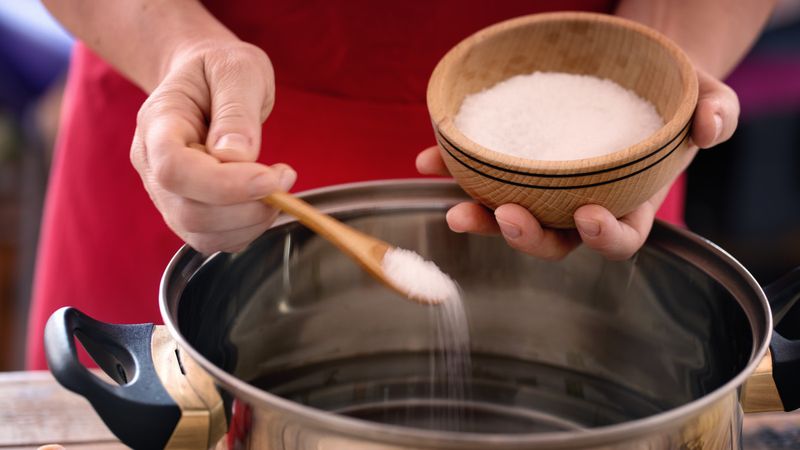
Start by salting your pasta water until it tastes like the sea, and always season protein before it hits the pan.
Taste your food throughout cooking, not just at the end, and adjust as needed.
Keep your salt in a small bowl or pinch pot near the hob so you can grab it easily with your fingers.
This gives you better control than shaking from a container and helps you develop a feel for how much you're actually adding each time.
Common Salting Mistakes That Flatten Flavour
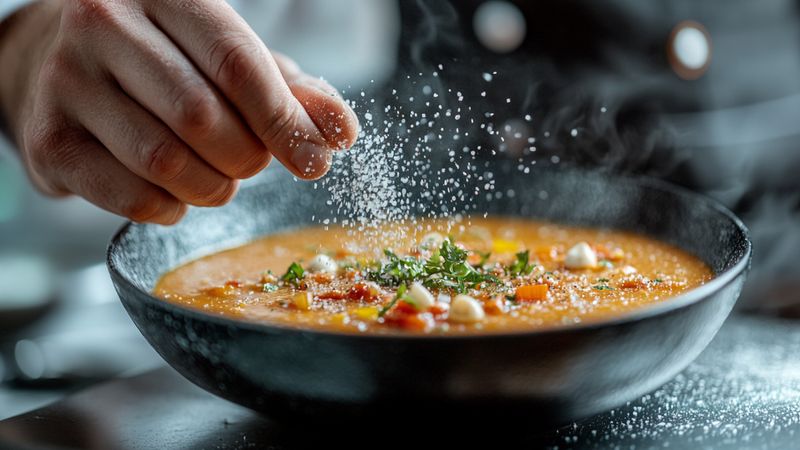
One of the biggest mistakes home cooks make is waiting until the very end to add all their salt.
This results in flat, one-dimensional dishes that taste underseasoned despite having enough salt overall.
Seasoning in layers as you cook builds depth and complexity you simply can't achieve otherwise.
Another common error is using the same amount of salt for everything without adjusting for the dish or the type of salt you're using.
Different ingredients absorb salt differently, so what works for pasta might be too much for a delicate sauce.