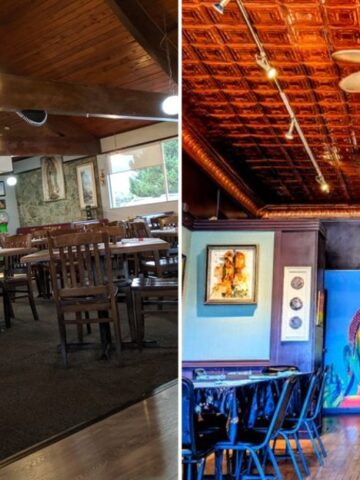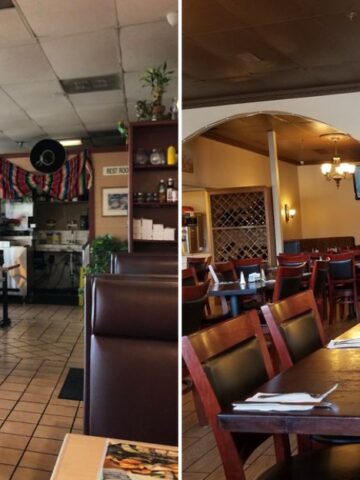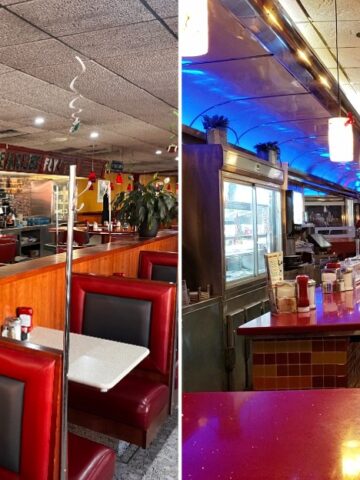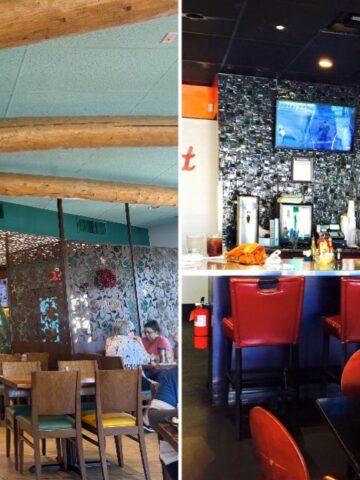





Portion sizes have quietly shifted alongside the way we live, work, and shop.
What once felt like a generous serving at the family table would look surprisingly modest by today’s standards, especially in restaurants and takeaway culture.
Advances in food production, changing household routines, and evolving ideas about value for money have all played a part in reshaping what ends up on our plates.
Looking back at how these habits developed helps explain why modern portions often feel larger and more varied than they did for previous generations.
All information is provided for general interest only.
Taste, appearance, and availability may vary.
Photos are for illustrative purposes only.
Industrial Food Production Increased Availability
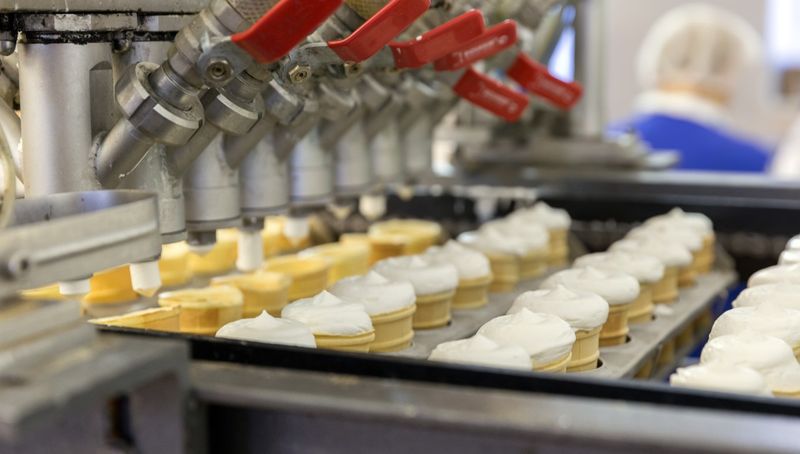
Factories changed everything when they started churning out food faster than anyone could have imagined a hundred years ago.
Mass production meant companies could make mountains of biscuits, crisps, and ready meals at rock-bottom prices, which naturally made food more accessible to everyone.
When something becomes cheaper and easier to get, people tend to consume more of it – simple as that.
Supermarkets started stocking shelves with jumbo packs and family-size options because manufacturers could actually afford to produce them.
The whole system shifted from scarcity to abundance, and our plates grew right along with it.
What once seemed extravagant became everyday, and suddenly a small serving felt, well, a bit stingy.
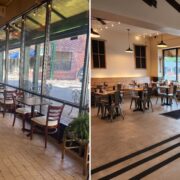
Eating Outside The Home Became More Common
Back in the day, most meals happened around the family table, with mum dishing out sensible portions from the stove.
Then restaurants, cafes, and takeaways exploded in popularity, and dining out became less of a special occasion and more of a Tuesday night habit.
Here's the thing: restaurants want you to feel like you're getting your money's worth, so they started piling plates high to keep customers happy and coming back.
Fast-food chains joined the party with supersized combos and meal deals that made bigger portions seem like brilliant value.
Before long, those restaurant-sized servings became our new normal, and home cooking started mimicking what we saw when eating out.
Packaging And Marketing Influenced Serving Sizes
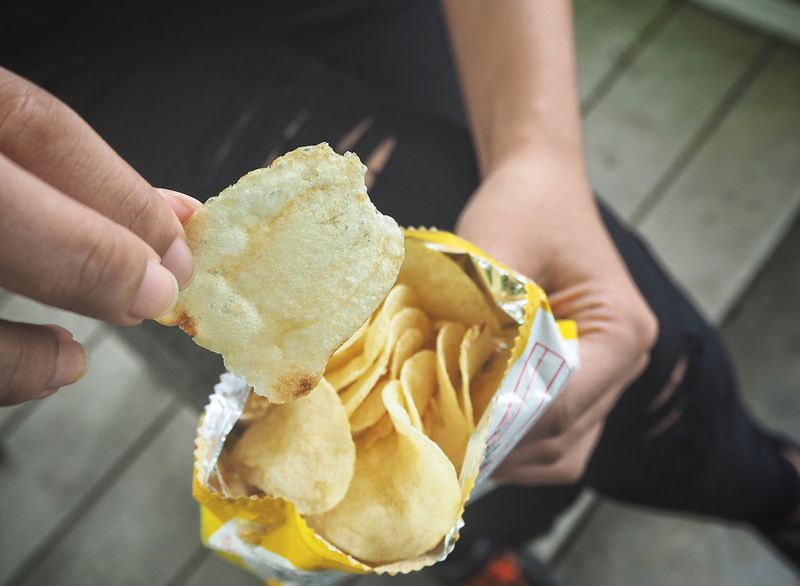
Ever noticed how a "sharing bag" of crisps somehow becomes a personal snack?
That's marketing magic at work, and it's been reshaping our expectations for decades.
Food companies figured out that bigger packaging caught eyes on shelves and made shoppers feel they were getting better deals.
Value meals, king-size bars, and supersized drinks became the standard offerings, quietly training us to think normal portions were actually quite small.
Combo deals and "meal for two" packages often ended up feeding just one person because, honestly, who wants to feel like they're missing out?
The clever bit is how packaging made excess seem sensible, even generous, rather than over-the-top.
Changes In Lifestyle Altered Energy Needs
A century ago, most people worked physical jobs – farming, factory work, manual labour – burning thousands of calories just getting through the day.
Hearty portions actually made sense when you were hauling sacks or walking miles before breakfast.
Then desks happened.
And cars.
And lifts.
Suddenly we were sitting more and moving less, but somehow our portion sizes kept climbing even as our energy needs dropped.
It's a proper mismatch: we're eating like we're still ploughing fields when most of us are just clicking mice and tapping keyboards.
Our bodies simply don't need the fuel they once did, yet plates have grown rather than shrunk.
Value Perception Shifted Consumer Expectations
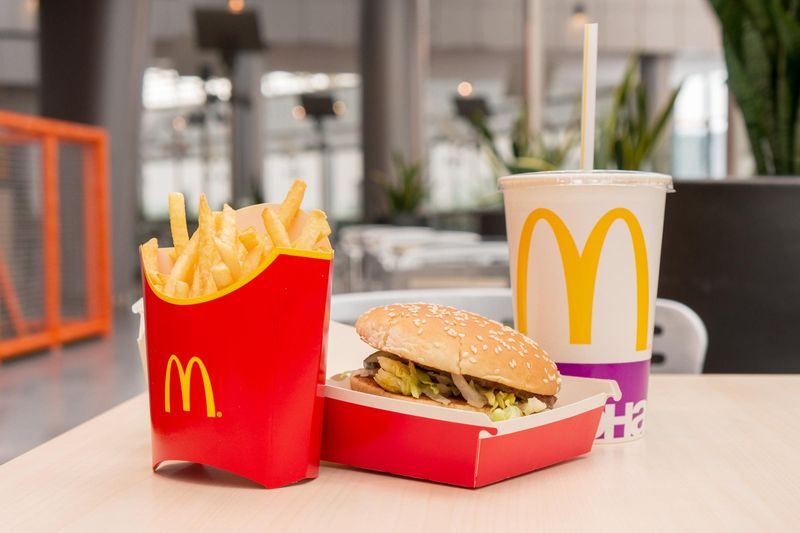
Something fascinating happened in our brains over the past hundred years: we started equating quantity with value, even when quality took a back seat.
Getting "more for your money" became the ultimate selling point, and restaurants and food chains leaned into it hard.
Dollar menus, all-you-can-eat buffets, and supersized upgrades for just pennies more trained entire generations to expect mountains of food as standard.
Smaller, thoughtfully portioned meals started feeling like a rip-off, even when they were perfectly adequate.
This mental shift created a cycle where businesses kept upping portion sizes to stay competitive, and we kept adjusting our expectations upward.
Now anything less feels disappointingly modest, even stingy.