









Pickling used to feel like something only grandparents did, tucked away in a quiet kitchen with jars lined up like colourful trophies. Now it’s popping up everywhere - from trendy cafés to home kitchens where people want food that feels fun, flavourful and a little bit homemade.
There’s something satisfying about taking simple ingredients and turning them into something bright, tangy and packed with personality.
This is general cooking inspiration, not nutrition guidance. If you’re new to pickling, be sure to follow safe food storage practices and proper sterilisation methods to keep everything fresh and safe to eat.
A Return To Traditional Food Skills
More people are craving hands-on experiences in the kitchen, moving away from processed convenience foods. Pickling connects us to generations past, when families preserved their harvests to enjoy throughout the year.
Learning these time-honoured techniques gives you a sense of accomplishment and self-sufficiency. Plus, it's genuinely fun to experiment with different vegetables, spices, and brining methods.
As we seek meaningful activities at home, pickling provides both creativity and practical results you can actually taste and share with loved ones.
The Appeal Of Bold, Bright Flavours
Pickled foods deliver an exciting punch of flavour that transforms even the simplest meals. That tangy, sour bite wakes up your taste buds and adds complexity to sandwiches, salads, and grain bowls.
Unlike bland or overly salty processed condiments, homemade pickles let you control the seasoning perfectly. You can add garlic, dill, chilli, or mustard seeds to create your own signature taste.
With everyone seeking more adventurous eating experiences, pickles offer an easy way to elevate everyday dishes without complicated cooking techniques or expensive ingredients.
A Practical Way To Reduce Food Waste
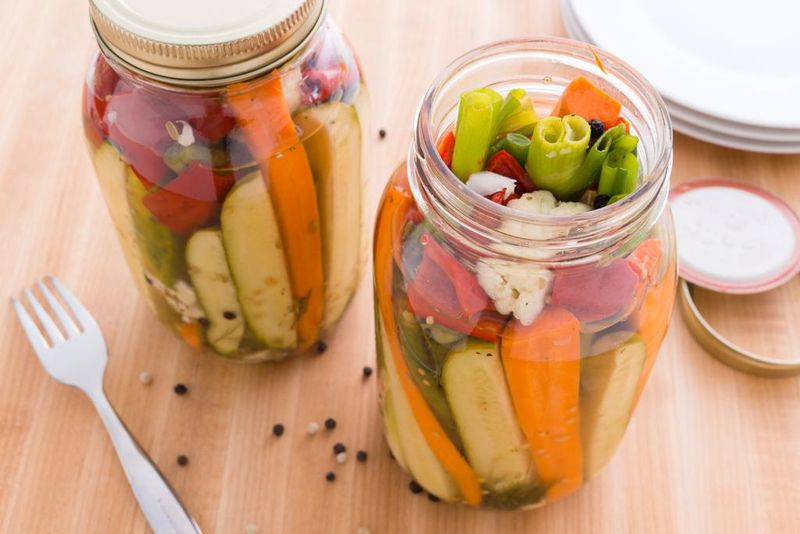
Got vegetables that are starting to look a bit sad in your fridge? Pickling rescues them before they end up in the bin. Even slightly wrinkled cucumbers or limp carrots become crisp and delicious once pickled.
This preservation method extends the life of fresh produce by weeks or even months. You'll save money whilst doing something positive for the environment.
Many households are becoming more conscious about throwing away perfectly edible food, and pickling offers a tasty solution that actually makes vegetables more interesting than when they were fresh.
Fermentation And Gut Health Interest
Naturally fermented pickles contain beneficial bacteria called probiotics, which support digestive health. Unlike quick vinegar pickles, fermented versions rely on salt and time to develop these friendly microbes.
As people learn more about the gut-brain connection and overall wellness, fermented foods have become incredibly popular. Pickles join kimchi, sauerkraut, and kombucha as accessible probiotic options.
Making your own fermented pickles at home is surprisingly straightforward and costs far less than buying expensive probiotic supplements. You get both health benefits and fantastic flavour in every crunchy bite.
Pickling At Home Is Easier Than You Think
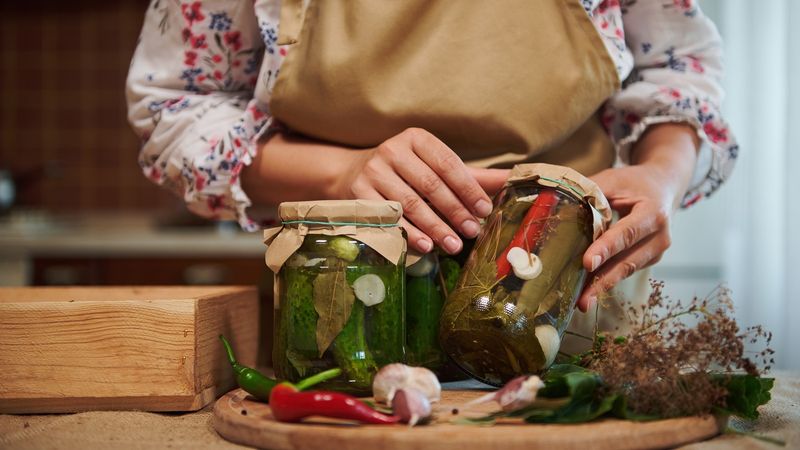
You don't need fancy equipment or special training to start pickling. Basic ingredients like vinegar, salt, sugar, and your favourite vegetables are probably already in your kitchen.
Quick pickles can be ready to eat in just a few hours, making them perfect for beginners. Simply heat the brine, pour it over sliced vegetables, and refrigerate.
Countless online tutorials and simple recipes have made pickling accessible to everyone, regardless of cooking experience. Once you try it, you'll wonder why you waited so long to start this rewarding and delicious hobby.
How Restaurants Are Using Pickled Ingredients Creatively
Top chefs have embraced pickling as a way to add unexpected texture and acidity to their dishes. You'll find pickled onions on burgers, pickled radishes in tacos, and pickled ginger alongside sushi.
Restaurants pickle everything from watermelon rinds to mushrooms, showcasing creativity that inspires home cooks. These bright, tangy elements cut through rich flavours and make plates visually stunning.
Seeing pickles featured prominently on restaurant menus has sparked curiosity and encouraged diners to experiment with pickling at home, creating a wonderful cycle of culinary inspiration and innovation.
Social Media Has Sparked A Pickling Movement
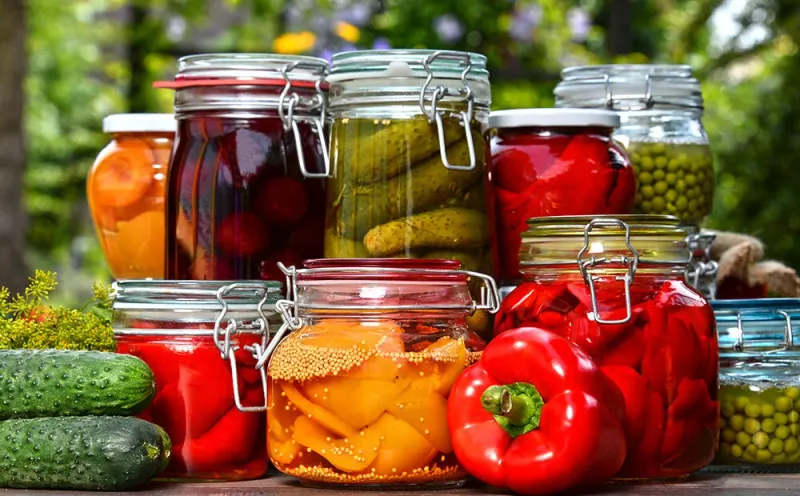
Instagram and TikTok are filled with stunning photos of rainbow-coloured pickles in beautiful jars. These eye-catching posts make pickling look both achievable and incredibly appealing.
Home cooks share their experiments, tips, and flavour combinations, creating a supportive online community. Watching quick video tutorials makes the process seem less intimidating for newcomers.
The visual appeal of pickled vegetables fits perfectly with social media culture, where people love documenting their culinary creations. This digital sharing has introduced pickling to younger generations who might never have considered it otherwise.
Seasonal Eating And Local Produce Connection
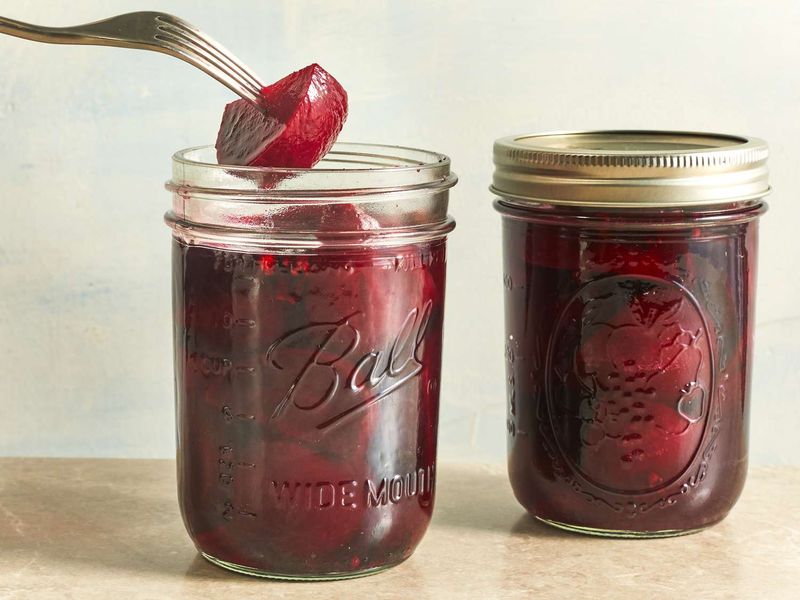
Pickling allows you to enjoy seasonal vegetables long after their harvest season ends. Summer cucumbers can brighten winter meals, whilst autumn beetroot adds colour to spring salads.
Many people now shop at farmers' markets and receive vegetable boxes, sometimes getting more produce than they can use immediately. Pickling solves this delicious dilemma.
Supporting local growers whilst preserving their harvests creates a meaningful connection to your food. You'll appreciate the changing seasons more when you can literally taste summer's bounty during the coldest months of the year.