











Walk into almost any café or supermarket these days, and you’ll notice something’s changed - more of us are reaching for plant-based options at lunchtime. Whether it’s a colourful salad, a hearty veggie wrap, or a dairy-free latte, Brits are embracing greener plates for all kinds of reasons. From taste to ethics and health, this quiet shift is reshaping how the nation eats midday.
This article is for general informational purposes only and should not be taken as professional dietary or medical advice. Individual nutritional needs vary, so it’s best to consult a qualified healthcare provider or registered dietitian before making significant dietary changes.
Health Benefits Driving The Shift
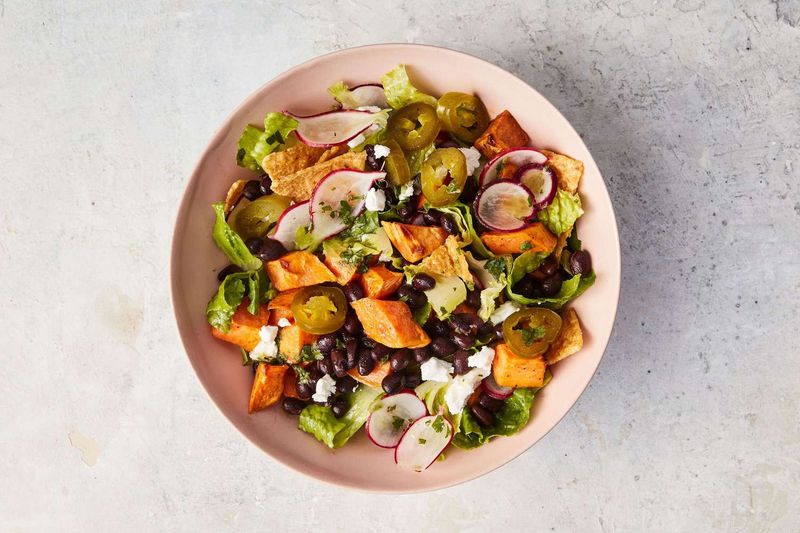
More people are realising that what they eat at midday affects how they feel all afternoon. Plant-based lunches packed with vegetables, whole grains, and legumes offer vitamins, fibre, and nutrients that keep energy levels steady.
Unlike heavy meat-based meals, these lighter options don't cause that dreaded post-lunch slump. Doctors and nutritionists are encouraging this shift, linking plant-rich diets to lower risks of heart disease and diabetes, making lunchtime a chance to invest in long-term wellness.
Rising Awareness Of Environmental Impact
Climate change isn't just headline news anymore - it's influencing everyday choices, including what lands on our lunch plates. Producing plant-based foods generates significantly fewer carbon emissions compared to meat and dairy farming.
British consumers are becoming more eco-conscious, understanding that swapping a beef burger for a chickpea patty can reduce their personal carbon footprint. It's a simple change that feels meaningful, especially for those wanting to contribute positively to the planet without major lifestyle overhauls.
Workplace Cafés And Chains Expanding Vegan Options

Office canteens and high street chains like Pret, Greggs, and Leon have dramatically increased their plant-based menus. What used to be a single sad salad option has transformed into exciting choices like vegan sausage rolls, jackfruit burritos, and dairy-free curries.
This accessibility removes barriers for curious eaters. When delicious plant-based meals are right there at your workplace café or local chain, trying them becomes effortless rather than requiring special trips to specialist shops or restaurants.
Influence Of Social Media And Food Trends
Instagram and TikTok have turned plant-based eating into something visually appealing and aspirational. Scrolling through feeds filled with vibrant Buddha bowls, rainbow salads, and creative vegan sandwiches makes these meals look genuinely appetising rather than boring.
Food influencers share quick lunch recipes and restaurant recommendations, normalising plant-based choices among younger audiences. When your favourite content creator raves about a new vegan wrap, you're far more likely to give it a go yourself at lunchtime tomorrow.
Affordability And Accessibility Of Plant-Based Choices
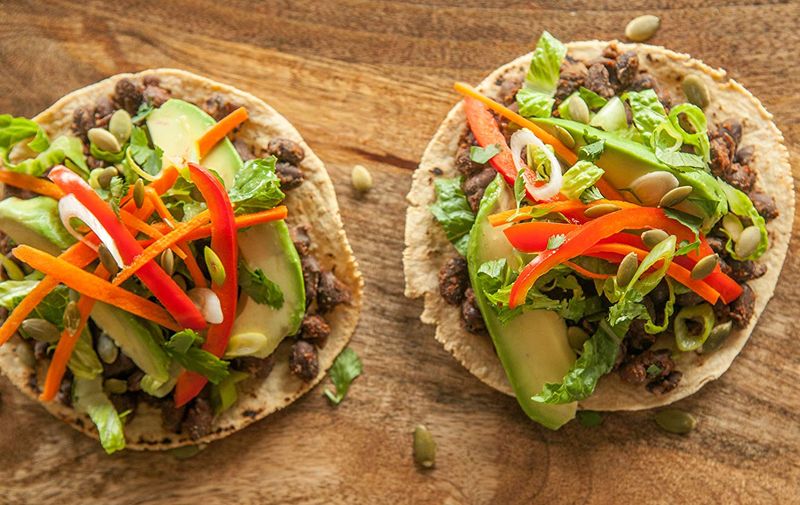
Contrary to popular belief, eating plant-based doesn't have to drain your wallet. Staples like beans, lentils, rice, and seasonal vegetables are often cheaper than meat and fish.
Supermarkets now stock affordable ready-made plant-based lunches, meal deals, and ingredients that make preparation straightforward. Tesco, Sainsbury's, and Asda all offer budget-friendly vegan ranges, proving you don't need a massive income to enjoy nutritious, planet-friendly midday meals. Accessibility has genuinely improved, making the switch easier for everyone regardless of budget.
Focus On Energy And Afternoon Productivity
Nobody wants to spend their afternoon fighting off tiredness and brain fog. Plant-based lunches tend to be lighter and easier to digest, which means your body doesn't divert all its energy towards processing a heavy meal.
Foods rich in complex carbohydrates, healthy fats, and plant proteins provide sustained energy release. Many workers report feeling more alert and productive after switching to veggie-packed lunches, making it a practical choice for anyone with demanding afternoons ahead.
Younger Generations Leading The Change
Gen Z and millennials are driving the plant-based movement forward with genuine enthusiasm. These generations prioritise sustainability, animal welfare, and personal health more openly than previous ones.
They're not afraid to experiment with new foods and challenge traditional eating habits. As younger Brits enter the workforce and gain spending power, their lunch choices are reshaping what's available everywhere from university cafeterias to corporate dining rooms, influencing older colleagues and creating broader cultural shifts around midday meals.
Supermarkets Making Plant-Based Lunches Mainstream

Supermarkets have recognised the demand and responded impressively. Dedicated plant-based sections now feature ready-to-eat lunches like falafel wraps, vegan sushi, pasta salads, and protein pots.
Clear labelling makes identifying suitable options simple, even for beginners. Marks & Spencer, Co-op, and Waitrose regularly launch new products, treating plant-based eating as mainstream rather than niche. This retail shift means anyone can grab a convenient, tasty vegan lunch during their weekly shop without hunting through aisles or settling for limited choices.