








The heavenly aroma of fresh bread wafting through British kitchens has become increasingly common since 2020. From crusty sourdough loaves to pillowy white sandwich bread, home baking has seen a massive resurgence across the UK.
Whether it's for health reasons, cost savings, or simply the joy of creating something delicious with your own hands, Brits are falling back in love with traditional bread making.
1. The Rise Of Home Baking
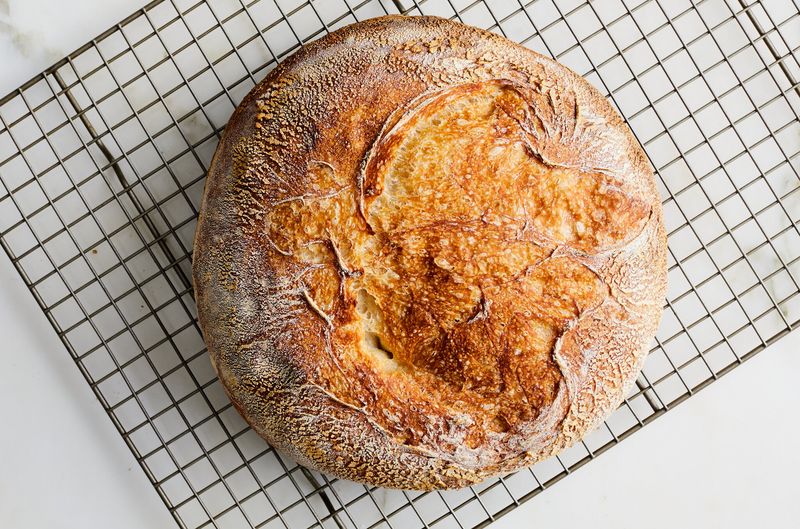
Remember those empty flour shelves during lockdown? That wasn't just panic buying. A genuine baking revolution swept across Britain, with a 147% increase in bread recipe searches during 2020.
Many Brits discovered a passion for kneading and proving that's continued long after restrictions lifted. For thousands, what started as a lockdown hobby has become a beloved weekly ritual.
2. Why Brits Are Ditching Shop Loaves
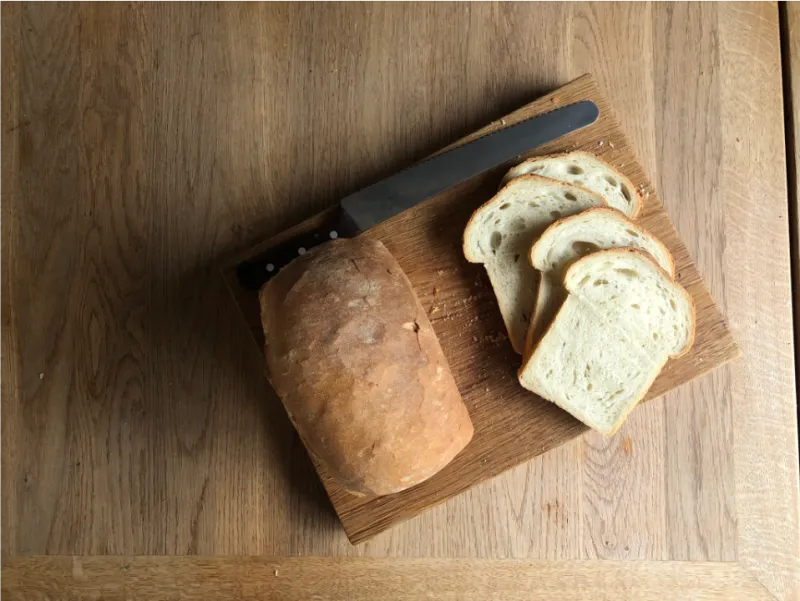
Factory-made bread often contains preservatives, emulsifiers and other additives that many people prefer to avoid. The ingredient list on supermarket loaves can be shockingly long compared to homemade versions.
Health-conscious Brits are taking control of what goes into their daily bread. Many report fewer digestive issues when switching to homemade loaves with simple, natural ingredients.
3. The Joy Of Freshly Baked Bread
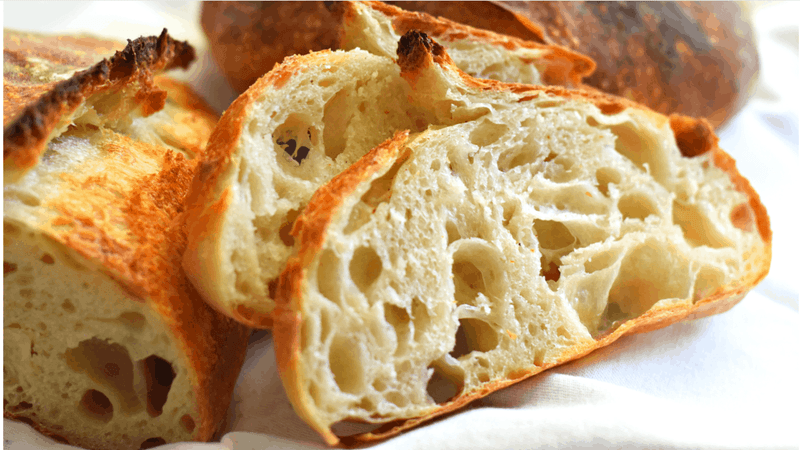
Nothing quite matches the satisfaction of slicing into a warm loaf you've created yourself. That first butter-melting bite of homemade bread delivers flavours no supermarket loaf can match.
Beyond taste, there's the therapeutic nature of bread making. Kneading dough provides a mindful escape from screen time and work stress. Many British bakers say the process itself is as rewarding as the finished product.
4. What You Need To Get Started
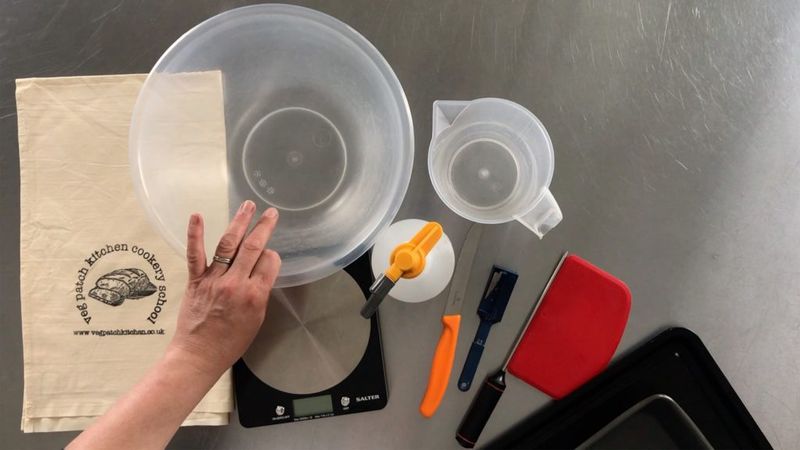
Contrary to popular belief, fancy equipment isn't necessary for brilliant bread. A mixing bowl, measuring jug, baking tray and oven are the bare essentials most British kitchens already have.
A digital scale makes consistency easier, while a dough scraper costs just a few quid and proves incredibly useful. Later, enthusiasts might consider a proving basket or Dutch oven for more advanced bakes.
5. Choosing The Right Flour
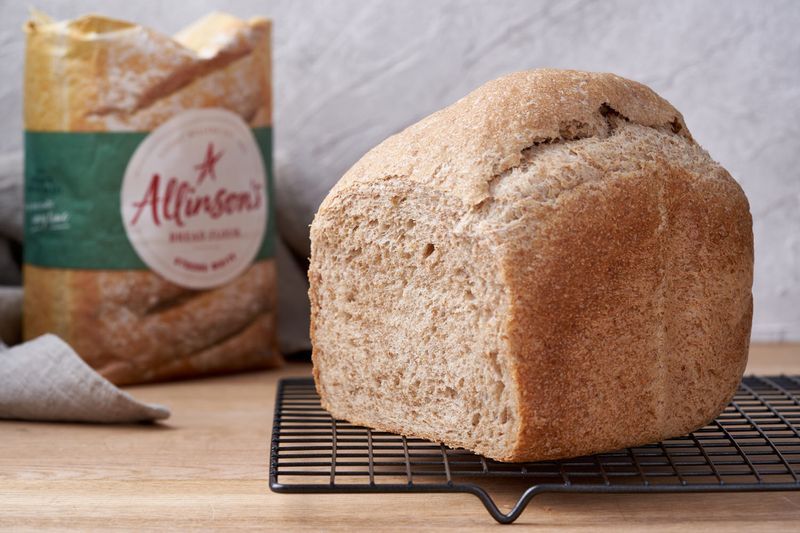
Strong bread flour contains more protein (gluten) than all-purpose varieties, creating better structure in your loaf. British flours like Allinson's or Marriages offer excellent options for beginners.
Wholemeal flour produces healthier but denser loaves. For your first attempts, try a 50/50 mix with white bread flour. Specialty flours like spelt or rye can be introduced later as your confidence grows.
6. How To Master A Basic Loaf
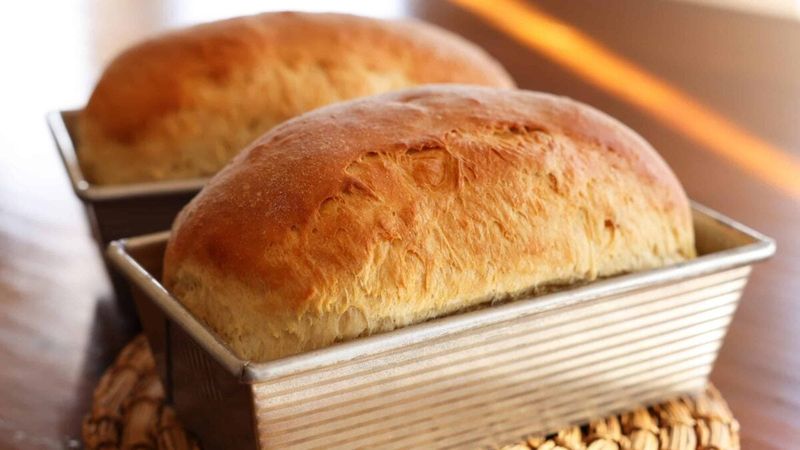
The classic British white loaf follows a simple formula: 500g strong flour, 7g dried yeast, 10g salt, 350ml warm water, and a splash of oil. Mix, knead for 10 minutes until smooth, then rest until doubled.
Shape, prove again in a tin, then bake at 220°C for 30 minutes. Listen for a hollow sound when tapping the bottom - that's how you know it's perfectly baked. Cool before slicing to prevent squashing.
7. Easy No-Knead Recipes To Try
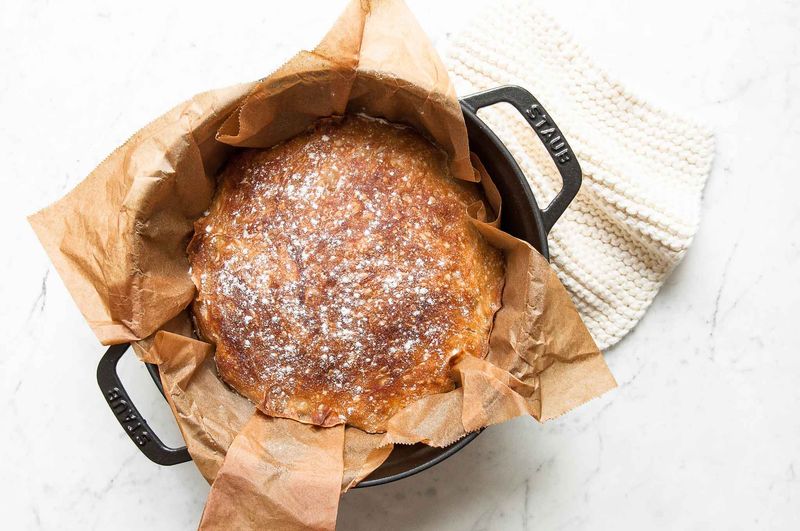
Jim Lahey's revolutionary no-knead method has converted thousands of time-pressed Brits to home baking. Simply mix flour, yeast, salt and water, then leave overnight - time does the work instead of your muscles!
The secret lies in a very wet dough and long fermentation. Bake in a preheated Dutch oven for a professional-quality crust. Perfect for busy weeknights when traditional kneading feels too demanding.
8. Sourdough Made Simple
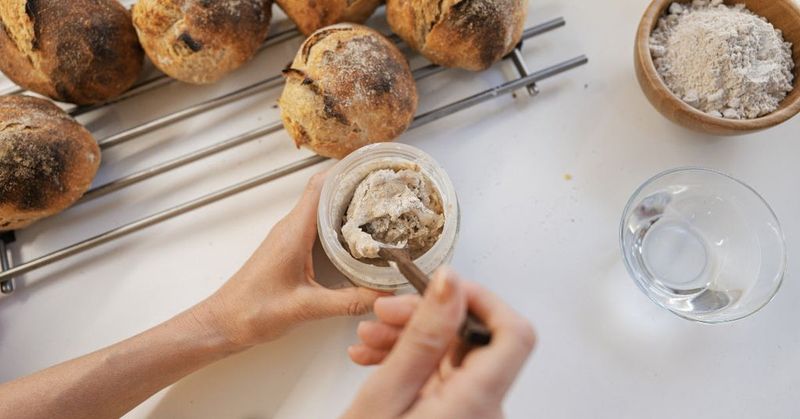
Creating your own sourdough starter isn't rocket science - mix equal parts flour and water, then feed daily until bubbling with wild yeasts. Many British bakers name their starters like pets (meet 'Bread Sheeran' and 'Dough-reen')!
The traditional method takes patience but delivers incomparable flavour and digestibility. For beginners, try the 1-2-3 method: one part starter, two parts water, three parts flour, plus salt.
9. Tips For Perfect Bread Every Time
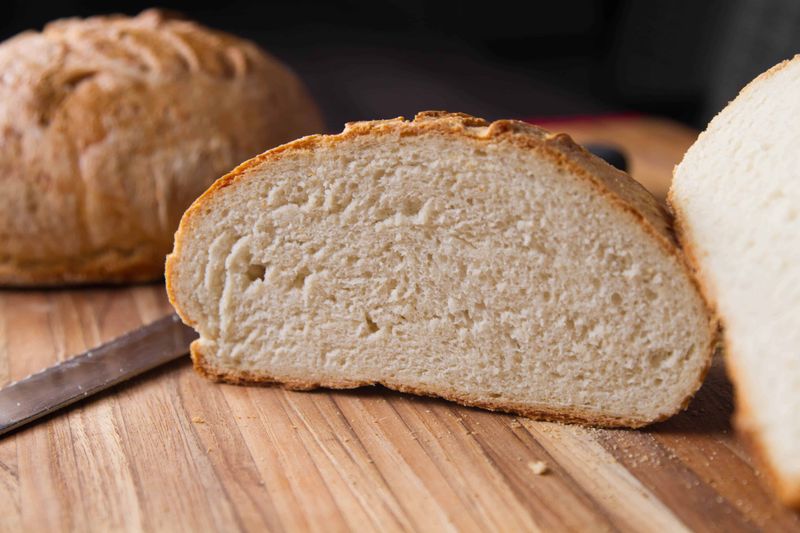
Temperature matters more than timing, bread proves faster on warm summer days than in chilly kitchens. Judge readiness by dough volume doubling rather than by the clock.
Creating steam in your oven mimics professional bakeries. Try placing a tray of boiling water on the bottom shelf when baking. Measure ingredients by weight, not volume - British bakers swear by digital scales for consistent results.
10. Common Mistakes To Avoid
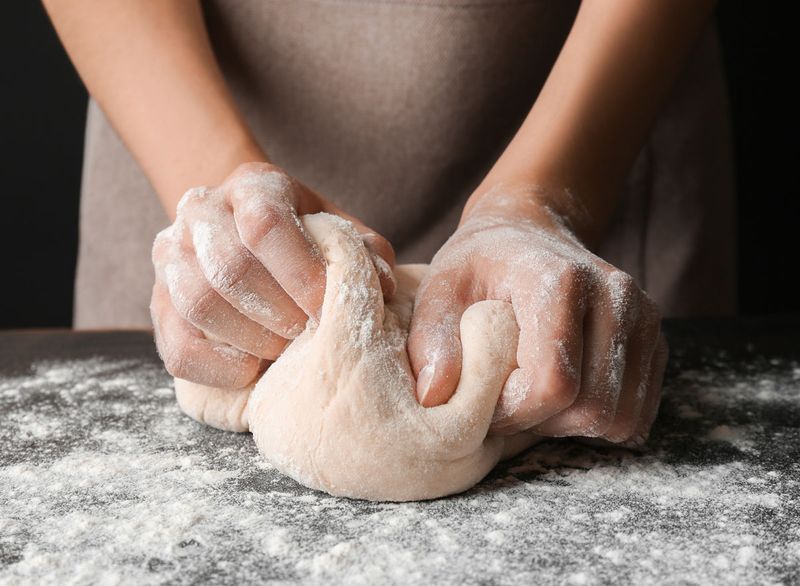
Impatience ruins more loaves than poor technique! Rushing proving time creates dense, heavy results. Another classic British beginner error is using expired yeast - check those dates before blaming your baking skills.
Over-flouring work surfaces makes dough too dry, while over-handling develops too much gluten. Handle dough gently after the first rise to preserve those lovely air bubbles that create perfect texture.
11. Fun Bread Varieties To Explore
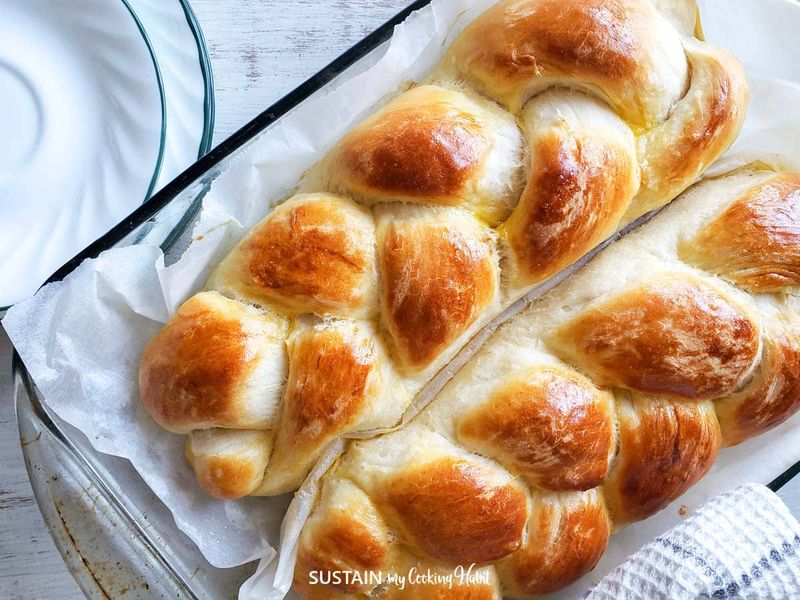
Once you've mastered basics, traditional British varieties await! Try your hand at crusty cottage loaves, soft baps for bacon sandwiches, or proper Yorkshire teacakes studded with fruit.
Feeling adventurous? Channel your inner Paul Hollywood with plaited harvest loaves or Chelsea buns. Adding herbs, cheese, olives or sundried tomatoes to basic dough creates endless savory variations perfect for accompanying soups and stews.
12. How Baking Can Save You Money
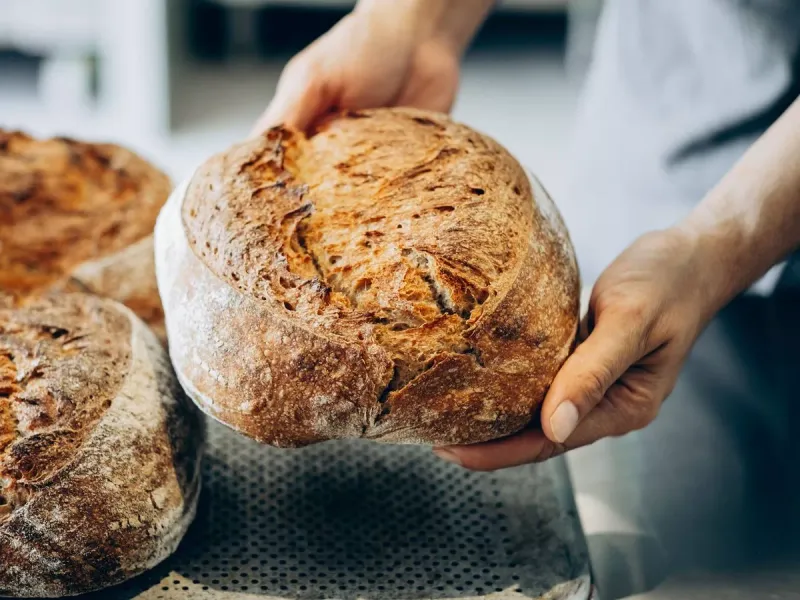
A quality artisan loaf costs upwards of £4 in fancy bakeries, while homemade versions work out around 50p per loaf. Even accounting for oven energy, the savings are substantial for regular bread eaters.
Homemade bread freezes brilliantly too. Slice before freezing for toast-ready convenience. Many British families now dedicate one weekend baking session to create their weekly bread supply, cutting grocery bills while enjoying superior quality.