



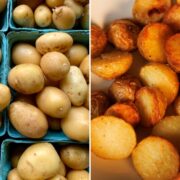







There’s something comforting about a dish that tastes exactly the way it did decades ago.
Traditional foods hold more than flavour - they carry memories, stories, and a sense of belonging that connects generations.
In a world where food trends change overnight, holding onto those recipes feels a little like preserving history on a plate.
This content is for general informational purposes only.
Cultural and culinary traditions vary across regions and households, and readers are encouraged to verify local customs or recipes before preparation or publication.
Traditional Foods Carry Culture And Identity Across Generations
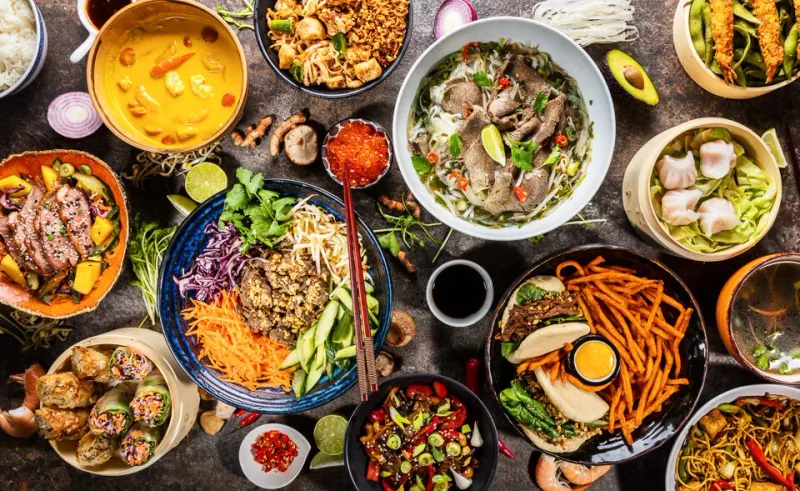
Traditional dishes carry stories - about where people come from, how previous generations lived, and what values they held dear.
Keeping these recipes alive means passing those stories along, so younger generations can feel connected to their roots and heritage.
In many communities, foods are central to celebrations, rituals, and family gatherings - they are part of identity, not just meals.
Losing these foods can mean losing a sense of belonging or history.
For people whose families moved across countries or regions, a traditional dish can serve as a home away from home.
Holding on to traditional cuisine helps preserve cultural diversity in a world that often pushes for uniformity.
Traditional Food Systems Support Biodiversity And Ecosystem Resilience
Many traditional diets rely on a wide variety of plants, crops, and old-school farming methods rather than a few mass-produced staples.
Such diversity helps protect agricultural biodiversity, which makes ecosystems stronger and more resilient to pests, climate shifts, or disease.
When communities cling to their heritage foods - local grains, heirloom vegetables, region-specific livestock - they help keep rare varieties alive and preserved.
This diversity can mean better soil health, less need for chemical fertilizers or pesticides, and farmland that's more sustainable in the long run.
In a world battling environmental change and monoculture farming drawbacks, holding on to these traditional food systems becomes a subtle act of ecological resistance.
Traditional Diets Often Provide Better Nutrition Than Processed Alternatives
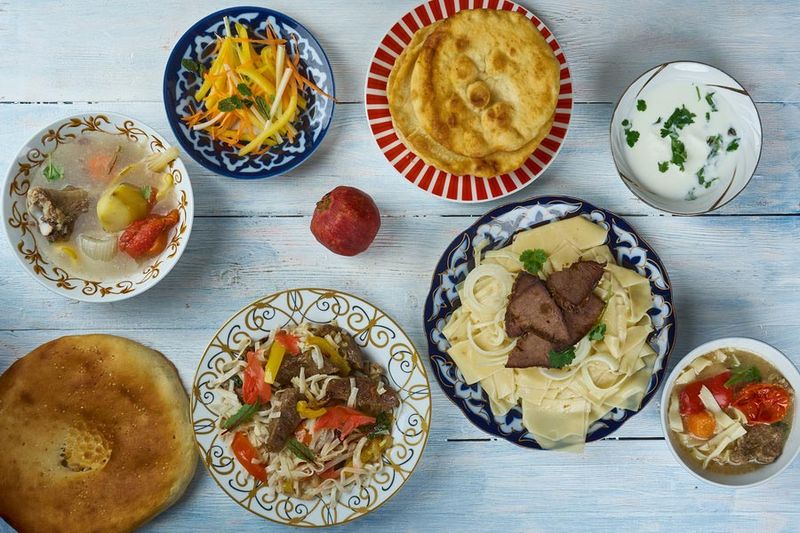
Many traditional meals are based on fresh, local ingredients - whole grains, seasonal vegetables or fruits, legumes, or lean proteins - rather than ultra-processed foods loaded with additives.
These dishes tend to deliver a richer balance of nutrients: fiber, vitamins, minerals, and healthy fats, which modern processed meals often lack.
Studies show that traditional-food systems have been linked to lower incidence of certain diseases and better overall health outcomes compared with diets that rely heavily on processed or fast foods.
Holding on to these meals can help shield communities from nutrition-related illnesses like obesity, diabetes, or heart disease that are often associated with processed diets.
Keeping Traditional Foods Alive Supports Local Economies And Small Producers
When people continue cooking and buying traditional foods, they help sustain local farmers, artisans, and small food producers.
Rather than large-scale industrial farms, many traditional-food producers rely on small patches of land, local seeds, heritage crops, or livestock - often passed down through families.
This supports food sovereignty, meaning communities keep control over their food production rather than relying on mass imports or global supply chains.
In turn, that local support helps rural areas stay economically viable and preserves skills and knowledge tied to the land and craft.
For many regions, traditional cuisine is more than meals - it's jobs, heritage, and livelihoods.
Traditional Foods Encourage Sustainable And Environmentally Friendly Farming Practices

Many traditional food systems are built around local ecosystems - using farming practices developed over centuries to suit soil, climate, and seasons.
These methods often involve crop rotation, mixed planting, organic fertilizers, and minimal chemical reliance, which help maintain soil health and ecological balance.
By contrast, modern industrial agriculture tends to favor monocultures, heavy chemical use, and high-resource farming, which can damage soil, reduce biodiversity, and increase environmental stress.
Preserving traditional foods helps keep alive farming wisdom that works with nature rather than against it.
Supporting these practices helps fight environmental degradation and encourages a more mindful, sustainable relationship between people and land.
Preserving Traditional Foods Provides Resilience And Food Security In Changing Times
When global supply chains, climate change, or market pressures make modern foods less reliable, traditional food systems provide a buffer.
Because they rely on locally adapted crops, seasonal produce, and community-based farming or food gathering, traditional diets are often more resilient to disruptions.
Communities that remember how to grow, preserve, and prepare traditional foods are better equipped to face food shortages, economic instability, or environmental shifts.
This resilience builds a sense of food sovereignty - where people aren't dependent on external systems for their meals.
Holding on to traditional food knowledge helps ensure that, even in tough times, people have access to nutritious, culturally familiar food.
Food Heritage Builds Community Connection And Shared Belonging

Gathering around a traditional meal - whether for holidays, family events, or daily dinner - creates a sense of togetherness.
Sharing recipes passed down through generations connects young and old, bridging gaps and strengthening bonds.
Food becomes a language of love, memory, and identity.
When people cook traditional dishes together, they share more than ingredients - they share values, history, and belonging.
In multicultural societies especially, traditional foods help maintain cultural identity while encouraging respect for diverse culinary heritages.
Preserving and celebrating these foods means keeping alive the rituals, stories, and warmth that make communities feel like home.
Traditional British Foods Keep Local Heritage Alive
From Cornish pasties to Yorkshire puddings, many British classics tell the story of regional life and local produce.
These dishes grew from practical traditions - hearty stews in the north, seafood along the coasts, and puddings born from thrifty home baking.
Reviving and cooking them today keeps Britain’s food history tangible, reminding us how each region contributed its own flavours to the nation’s table.
Passing these recipes down ensures that future generations don’t just read about British heritage - they taste it.