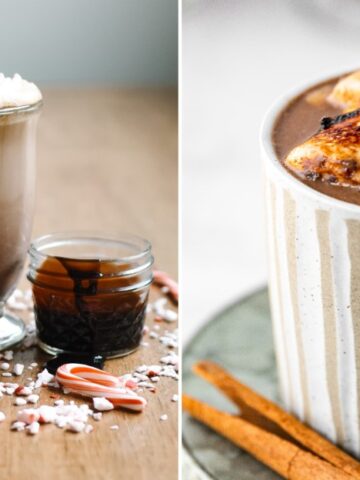
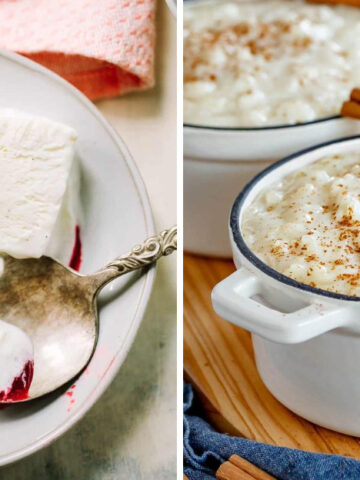
February has a habit of nudging us back towards the warm, familiar comforts we quietly missed in January. As winter lingers and daylight still feels scarce, hot puddings step back into the spotlight, offering reassurance in the form of steam, sponge, and custard.
It is the month when ovens work overtime and dessert menus lean unapologetically cosy. There is more at play than cold weather alone.
Valentine’s Day adds a layer of indulgence, while the sense of being nearly through winter encourages small, comforting rewards. Together, these moments help explain why hot puddings feel especially irresistible right now.
This article is for general interest only. Food preferences, seasonal habits, and availability may vary. Images are for illustrative purposes only.
Colder Evenings And The Appeal Of Warm Desserts
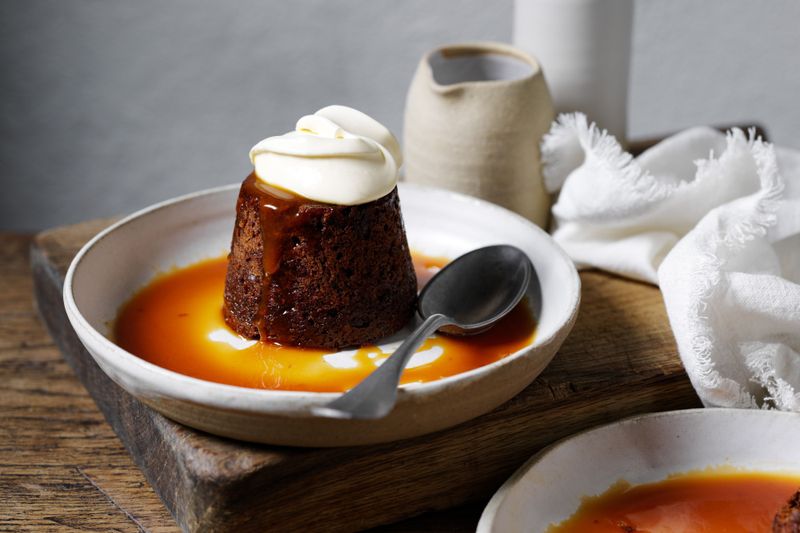
When the sun sets before teatime and frost clings to the windows, nothing hits quite like a piping hot pudding. Your body naturally craves warmth and energy during these darker, colder hours, making desserts that steam and comfort far more appealing than anything chilled.
Restaurants notice this shift dramatically. Tables that might skip dessert in summer suddenly can't resist the trolley when it's loaded with treacle sponge and spotted dick.
The contrast between cold air outside and warm pudding inside creates an almost primal satisfaction.
Home kitchens smell gorgeous too, with ovens working overtime to produce comforting treats that make February evenings genuinely lovely.
Shorter Days And Comfort-Led Food Choices
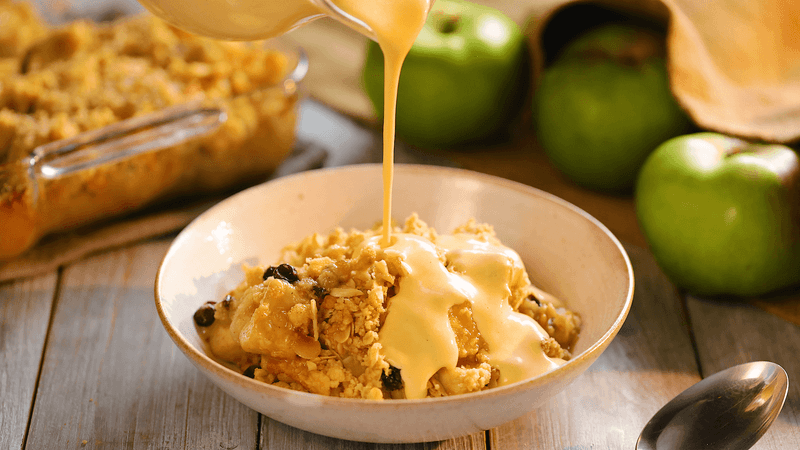
Daylight in February feels like a rare commodity, and shorter days mess with our moods and appetites in fascinating ways. When darkness dominates, we instinctively reach for foods that provide emotional warmth alongside physical nourishment.
Hot puddings tick both boxes brilliantly. They're not just sweet treats but proper mood lifters, packed with the kind of rich flavours that make early sunsets easier to bear.
The ritual of serving them, watching steam rise, pouring custard, becomes a small celebration against the gloom.
February's limited daylight essentially creates the perfect psychological environment for indulgent, warming desserts to thrive commercially.
Seasonal Menus Leaning Toward Baked And Steamed Puddings
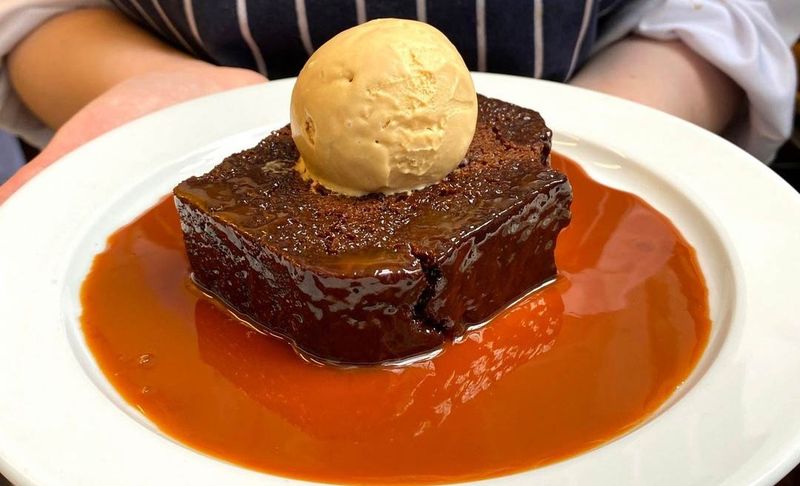
Walk into any decent pub or restaurant in February and the dessert menu looks completely different from summer's offerings. Chefs know exactly what sells during this month, so menus shift heavily toward baked and steamed classics that have been warming British hearts for generations.
This isn't just tradition, it's smart business. Establishments report dessert sales jumping by double digits when they feature proper hot puddings prominently.
Items like jam roly-poly and bread and butter pudding become stars, often outselling everything else.
The seasonal menu shift essentially creates its own demand cycle.
Valentine's Day Encourages Shared, Comfort-Led Desserts Over Showy Sweets
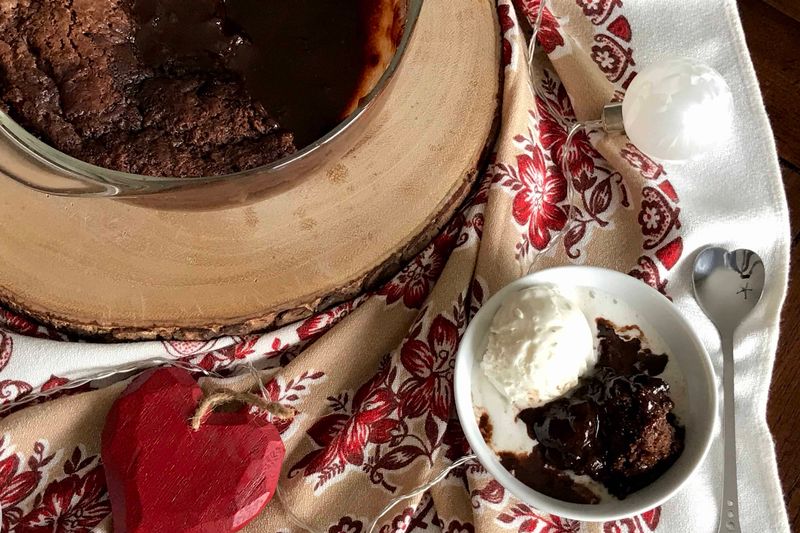
Valentine's Day lands smack in the middle of February, and contrary to what chocolate box advertising suggests, couples increasingly choose comfort over flash. Sharing a warm pudding with two spoons feels far more intimate and genuine than fighting over macarons.
Hot puddings suit romantic dinners perfectly because they're unpretentious and generous. There's something lovely about both digging into a molten chocolate pudding or sharing a portion of spotted dick with custard.
It breaks down formality and creates actual connection.
Restaurants capitalize brilliantly, offering special pudding menus that drive February dessert revenue significantly higher than other months.
The Role Of Tradition In Winter Pudding Choices
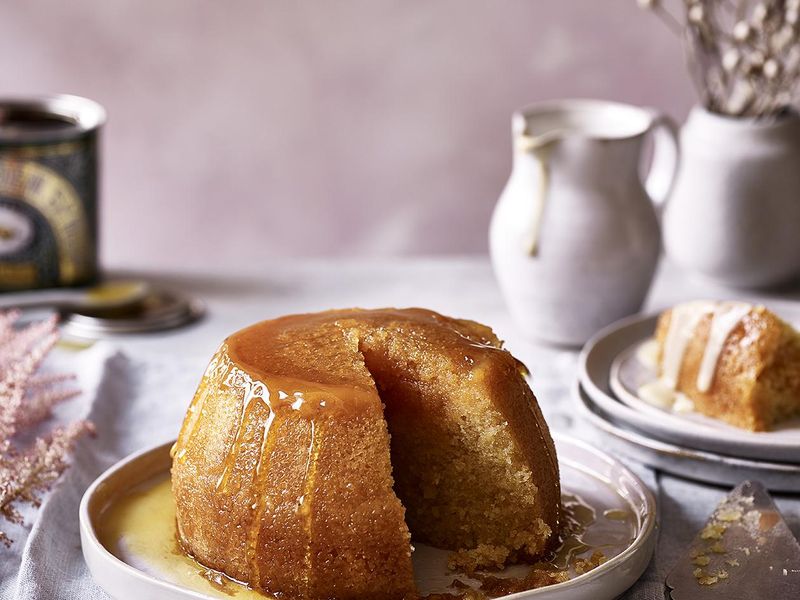
Britain's pudding heritage runs deep, and February represents the last proper chance to enjoy these traditional winter warmers before spring arrives. Generations have grown up associating cold months with specific desserts, creating powerful emotional connections that drive purchasing decisions.
Grandma's recipes get dusted off, cookbooks open to well-worn pages, and suddenly everyone's making the puddings they remember from childhood. This nostalgia factor shouldn't be underestimated as a commercial force.
People buy what feels familiar and comforting during late winter.
Tradition essentially becomes a sales driver, with February positioned as tradition's last stand before lighter fare takes over.
How Seasonal Ingredients Shape February Desserts
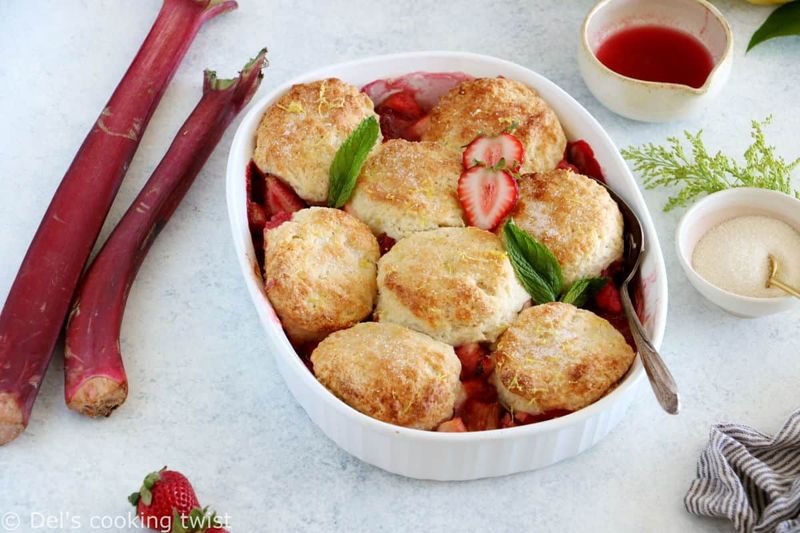
February brings brilliant seasonal ingredients that practically beg to be baked into puddings. British apples and pears reach perfect storage sweetness, early rhubarb appears, and warming spices like cinnamon and ginger remain kitchen staples from Christmas stocks.
These ingredients cost less and taste better during February, making hot puddings more economical and delicious for both home cooks and commercial kitchens. When produce aligns with appetite, sales naturally follow.
Fruit crumbles become affordable luxuries rather than expensive experiments.
The ingredient calendar essentially conspires to make February the ideal month for traditional hot pudding production and consumption.
Emotional Comfort And Familiar Flavours In Late Winter
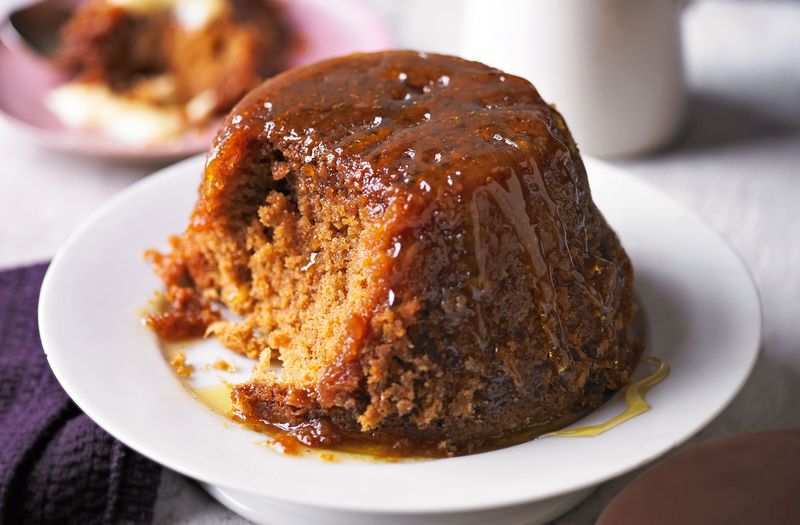
Late winter can feel emotionally exhausting. The festive sparkle has faded, spring seems ages away, and February often brings what psychologists call the winter blues.
Hot puddings provide genuine emotional comfort through familiar flavours that trigger happy memories and satisfied feelings.
There's actual science behind this. Warm, sweet foods release feel-good chemicals in our brains, temporarily lifting mood and energy.
Combined with nostalgic flavours like treacle, golden syrup, and vanilla custard, hot puddings become edible therapy.
Commercial success follows emotional need, making February the perfect storm for pudding sales.
Why Hot Puddings Feel Timely Before Spring Arrives
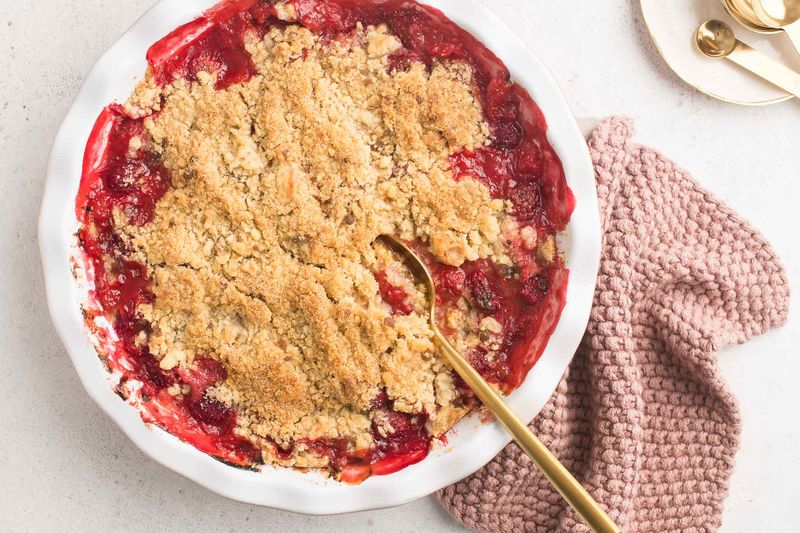
February occupies this brilliant position as winter's finale, creating urgency around seasonal eating. People instinctively know spring will bring lighter foods and warmer weather, so hot puddings feel like a limited-time opportunity worth seizing now.
This "last chance" mentality drives purchasing behaviour significantly. Why wait when you might not fancy sticky toffee pudding in April?
The seasonal window creates natural scarcity, making these desserts more desirable and sales more concentrated.
Businesses absolutely benefit from this timing, with February representing peak demand before the inevitable spring menu changeover reduces hot pudding prominence considerably.