








Fruitcake has a long and varied history in Britain, even though it is often treated today as a running joke rather than a dessert to look forward to.
Once valued for its ability to keep well and its rich mix of dried fruit and spices, it featured at important celebrations and festive tables for generations.
Understanding how tastes, habits, and expectations have changed over time helps explain how fruitcake shifted from a respected centrepiece to a frequently misunderstood classic.
All information is provided for general interest only.
Taste, appearance, and availability may vary.
Photos are for illustrative purposes only.
A Long History Rooted In Preservation And Practicality
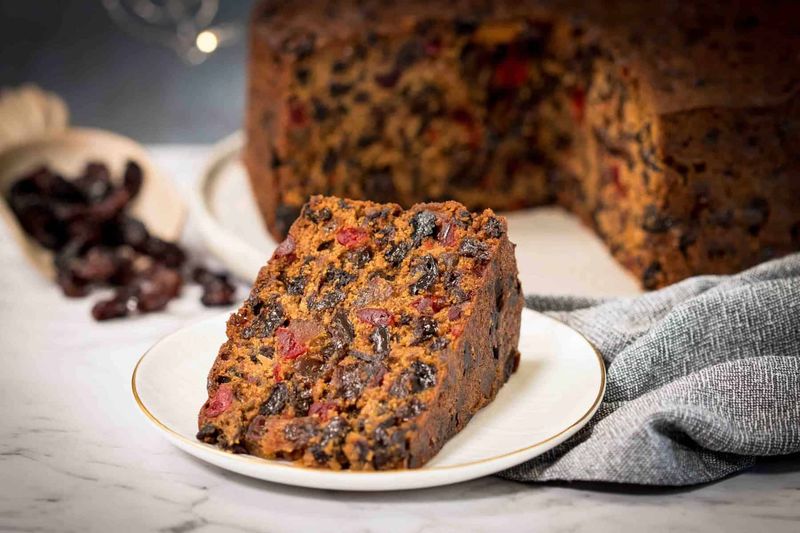
Before refrigeration, preserving food was essential, especially for travel and long winters.
Early versions of fruitcake developed as a way to combine dried fruit, honey or sugar, and grains into a dense mixture that resisted spoilage.
Similar preparations existed in Roman times, where combinations of barley, dried fruit, and sweeteners were used as long-lasting food.
In medieval Britain, bakers expanded on these ideas by adding spices such as cinnamon and cloves, which were valued for flavour and preservation qualities.
Sugar and dried fruit helped reduce moisture, allowing cakes to last far longer than fresh bakes.
Fruitcake was not created as a luxury item but as a practical solution in an era without modern storage.
How Fruitcake Became A Christmas Staple
By the Victorian era, fruitcake had become closely associated with Christmas and major celebrations.
Improvements in trade made sugar, dried fruit, and spices more widely available, turning what was once practical food into a symbol of abundance.
Families often baked fruitcakes weeks in advance, allowing flavours to develop over time.
Decorating cakes with marzipan and icing became more common during this period, especially for special occasions.
Fruitcake also appeared at weddings and formal gatherings, including royal events, which helped reinforce its status as a celebratory dessert.
Over time, this association made fruitcake a familiar presence on British Christmas tables.
Changing Tastes And The Rise Of Lighter Desserts
Food preferences in Britain began to shift during the twentieth century.
As access to fresh ingredients improved and refrigeration became common, desserts no longer needed to be heavy or long-lasting.
Lighter options such as sponge cakes, trifles, and cream-based puddings grew in popularity.
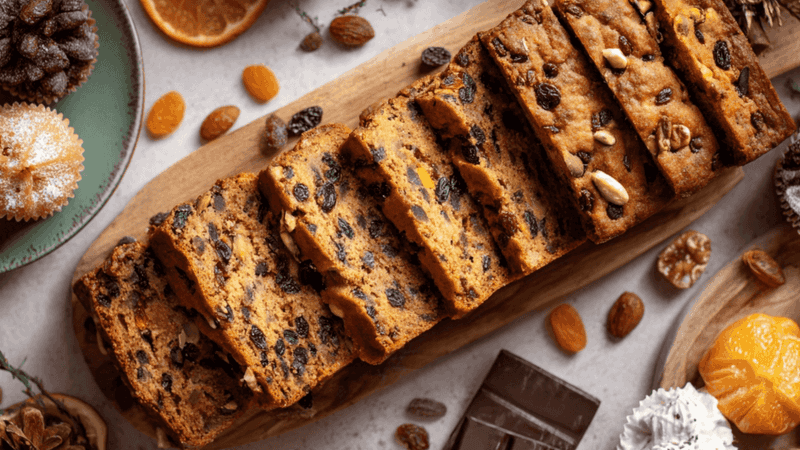
Fruitcake, with its dense texture and concentrated sweetness, started to feel out of step with these changes.
Commercial production also played a role, as quicker methods and lower-quality ingredients produced cakes that lacked the balance and moisture of traditional versions.
These factors contributed to a gradual decline in fruitcake’s appeal.
The Reputation That Followed It Over Time
By the late twentieth century, fruitcake had become a frequent subject of jokes in popular culture.
Comedians often referenced it as unwanted or endlessly regifted, reinforcing the idea that it was more obligation than enjoyment.
These jokes spread widely, shaping public perception even among people who rarely ate fruitcake themselves.
The humour stuck, and fruitcake’s reputation suffered as a result.
What had once been a sign of celebration became associated with inconvenience or outdated tastes, regardless of its historical significance.
Why Some Families Still Stand By It Today
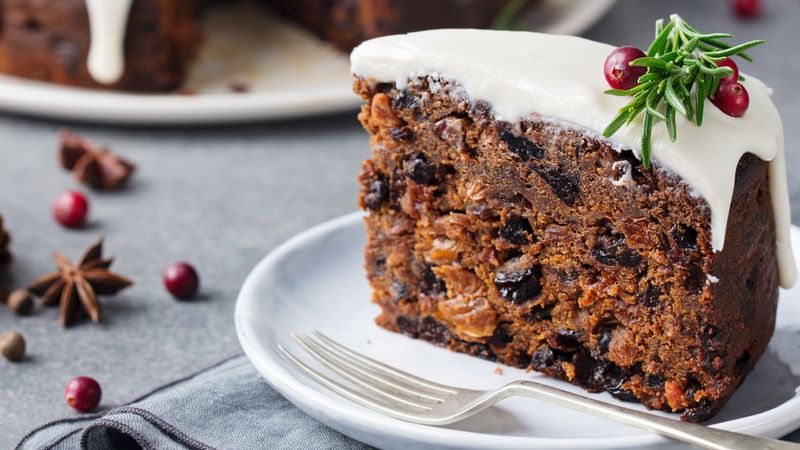
Despite its reputation, fruitcake continues to hold meaning for many households.
Family recipes passed down through generations remain an important part of Christmas for some, offering continuity and familiarity.
In recent years, artisan bakers have also revisited traditional methods, using better ingredients and slower processes to improve flavour and texture.
These carefully made fruitcakes demonstrate why the dessert was valued in the first place.
For those who appreciate it, fruitcake represents tradition, craft, and a connection to earlier ways of celebrating.
While it may no longer dominate British Christmas tables, it remains an enduring part of festive food history.