











There’s something oddly mesmerising about that perfect cheese pull – the kind that stretches endlessly when you lift a slice of pizza or dig into a lasagne.
It’s not just luck or good timing – there’s real science behind why some cheeses melt into silky strands while others stay stubbornly solid.
Knowing what affects that stretch can help you choose the right cheese for every gooey, satisfying moment.
This content is for general informational purposes only. It explores the science of cheese and cooking techniques rather than offering nutritional or dietary advice. Photos are for illustrative purposes only.
1. High Moisture Content

Picture a sponge soaked with water – that's essentially what's happening inside stretchy cheese. Moisture acts as a lubricant between protein strands, allowing them to glide past one another when heated rather than snapping apart.
Cheeses like mozzarella contain roughly 50% water, which is loads compared to aged varieties. This high water content keeps everything flexible and flowing, creating those dreamy cheese pulls you see in adverts. Without enough moisture, proteins lock together tightly, resulting in crumbly disappointment instead of satisfying stretch.
2. The Protein Structure Melts Evenly

Cheese is basically a tangled web of protein molecules called casein, and when these proteins are arranged just right, magic happens. Fresh cheeses have proteins that soften uniformly when warmed, letting them slide smoothly without breaking.
Think of it like a well-organised queue versus a chaotic scrum – structured proteins melt predictably and stretch beautifully. British favourites like young cheddar can stretch decently because their protein networks haven't been disrupted too much during aging. Consistency in protein arrangement separates brilliant melters from rubbish ones.
3. Fat Melts At The Right Temperature

Fat content isn't just about flavour – it's crucial for achieving that perfect gooey texture. When fat melts at a similar temperature to the proteins, everything flows together harmoniously, creating smooth, stretchy cheese rather than an oily mess.
Mozzarella hits the sweet spot with around 20% fat that melts beautifully alongside its proteins. Too much fat, and you get greasy puddles; too little, and the cheese becomes rubbery and tough. Getting this balance right is why some supermarket cheese slices stretch brilliantly whilst posh artisan varieties sometimes disappoint on your toastie.
4. Low-Moisture Or Aged Cheeses Can't Stretch

Aging might make cheese taste incredible, but it absolutely ruins stretchiness. During maturation, moisture evaporates whilst proteins and fats break down into smaller compounds, destroying that elastic network needed for proper pulls.
Parmesan, aged cheddar, and Stilton are brilliant for flavour but hopeless for stretching because they've lost too much water and their proteins have fragmented. These cheeses crumble or melt into pools rather than forming those satisfying strings. If you're after stretch, stick with younger, fresher varieties from the chiller aisle rather than the fancy cheese counter.
5. Acid Levels Influence Elasticity

Cheesemaking involves adding acid or bacterial cultures, and getting the pH just right determines whether your cheese will stretch or stubbornly refuse. Mozzarella sits at a slightly acidic pH of around 5.2, which encourages proteins to align perfectly for maximum elasticity.
Too much acid, and proteins clump together tightly, making cheese crumbly like feta. Too little, and you get a soft blob that melts into liquid rather than stretching. British cheesemakers adjust acidity carefully, which is why some supermarket mozzarellas stretch better than others – it's all down to precise pH control during production.
6. The Role Of Heat In Creating That Perfect Stretch

Temperature is absolutely crucial – too cool and nothing happens, too hot and everything falls apart. The sweet spot for stretchy cheese is typically between 60 and 70 degrees Celsius, where proteins soften enough to flow but stay connected.
This is why your pizza cheese stretches beautifully straight from the oven but becomes rubbery when it cools. Heat loosens those protein bonds just enough to allow movement whilst maintaining structure. Professional pizzerias know this instinctively, timing their bakes perfectly so cheese hits that ideal stretchy phase exactly when it reaches your table, creating maximum satisfaction.
7. Why Mozzarella Stands Out Among All Melting Cheeses
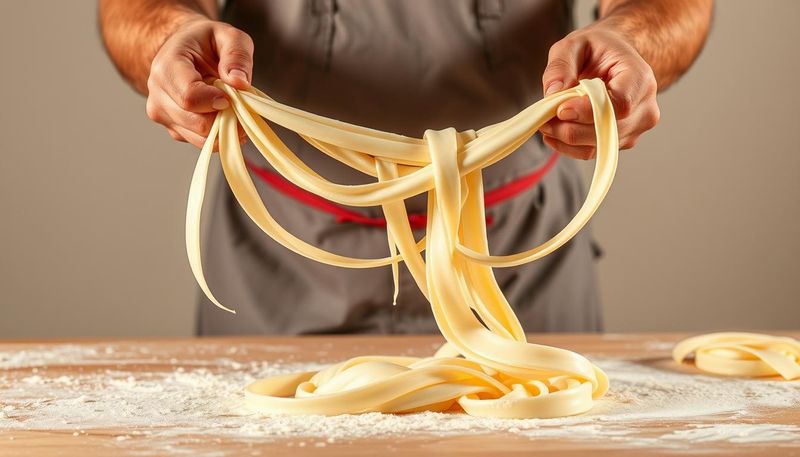
Mozzarella isn't just another cheese – it's specifically designed for stretching through a unique process called pasta filata. Cheesemakers heat and knead the curds, physically aligning protein strands in parallel formation like combing tangled hair straight.
This deliberate alignment creates maximum elasticity that other cheeses simply can't match, even when they have similar moisture and fat levels. British supermarkets stock both buffalo and cow's milk versions, with buffalo mozzarella offering slightly better stretch due to different protein composition. No wonder it dominates pizzas, lasagnes, and toasties across the country – it's scientifically engineered for satisfaction.