













Black pepper is one of the most popular spices in the world, found in kitchens on every continent. Known as the "King of Spices," it has been traded for thousands of years and was once worth as much as gold.
Today, several countries grow massive amounts of black pepper to meet global demand. Read on to discover which nations lead the world in black pepper production and what makes each one so special.
1. Vietnam: The World's Top Black Pepper Producer
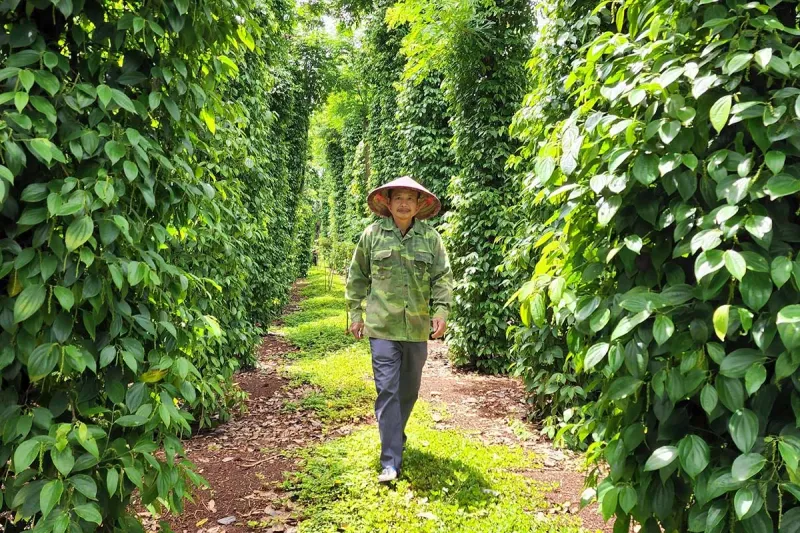
Vietnam sits at the very top of the global black pepper chart, producing around 40% of the world's supply. That is an impressive feat for a country that only seriously expanded its pepper farming in the late 20th century.
The Central Highlands region, especially Gia Lai and Dak Lak provinces, provides the perfect warm, humid climate for pepper vines to thrive. Vietnamese farmers have mastered efficient growing techniques that keep yields high year after year.
2. Indonesia: A Centuries-Old Pepper Powerhouse
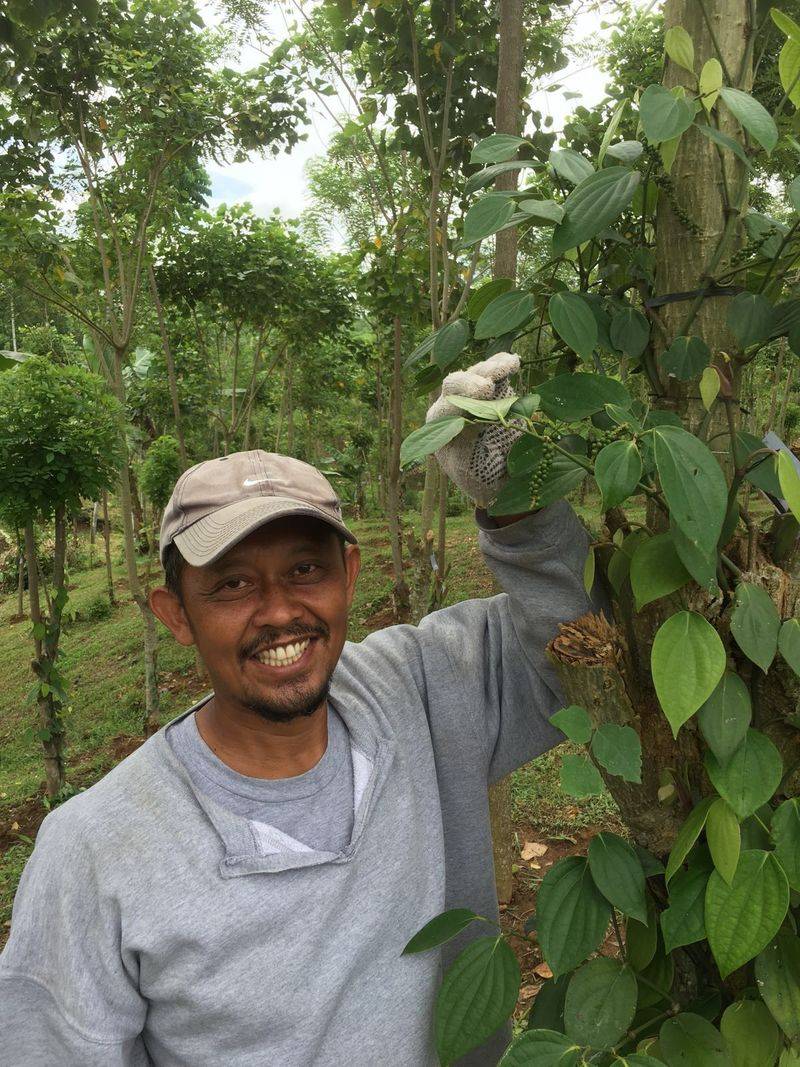
Long before Vietnam dominated the market, Indonesia was the go-to source for black pepper. The islands of Bangka and Lampung in Sumatra have been growing pepper since the 16th century, making Indonesia one of the oldest pepper-producing nations on Earth.
Today, Indonesia ranks second globally in production. Smallholder farmers across the archipelago tend to pepper vines with generations of knowledge passed down through families, giving Indonesian pepper a rich, bold flavor profile that buyers worldwide love.
3. India: The Original Home of Black Pepper
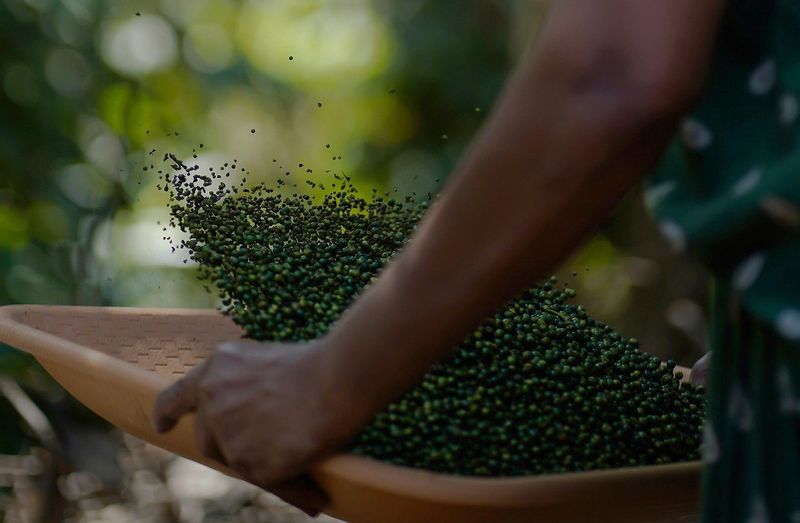
Did you know black pepper is actually native to India? The Malabar Coast in Kerala has been growing this prized spice for over 3,000 years.
Ancient traders from Rome, Arabia, and China all traveled great distances just to get their hands on Indian pepper.
India remains one of the top producers today, with Kerala, Karnataka, and Tamil Nadu leading domestic output. Indian pepper varieties like Malabar and Tellicherry are considered premium grades, celebrated by chefs around the globe for their complex, earthy heat.
4. Brazil: South America's Pepper Giant
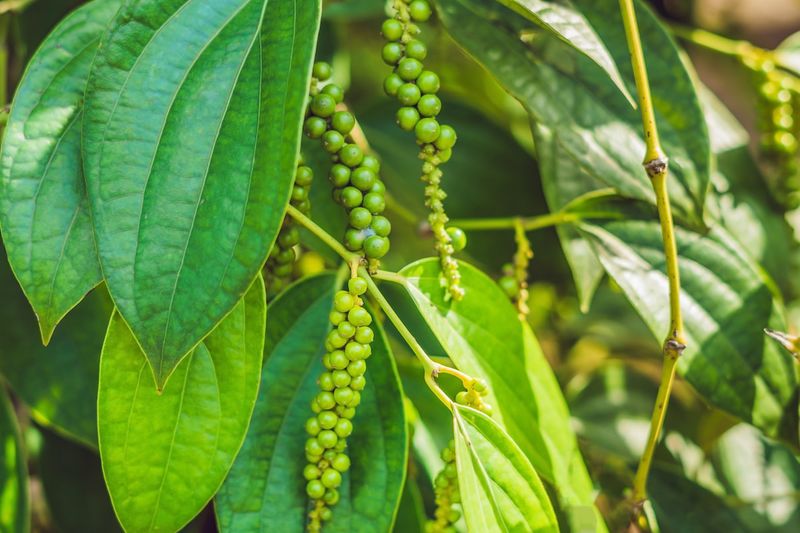
Brazil might surprise you on this list, but it is actually one of the top five black pepper producers in the world. Japanese immigrants introduced pepper farming to the Para state in the Amazon region during the 1930s, and the crop took off spectacularly.
The tropical climate of the Amazon Basin turned out to be nearly perfect for pepper cultivation. Brazil now exports large quantities to the United States and Europe, and its pepper is known for having a particularly strong, pungent aroma that stands out in cooking.
5. China: A Rising Force in Pepper Farming
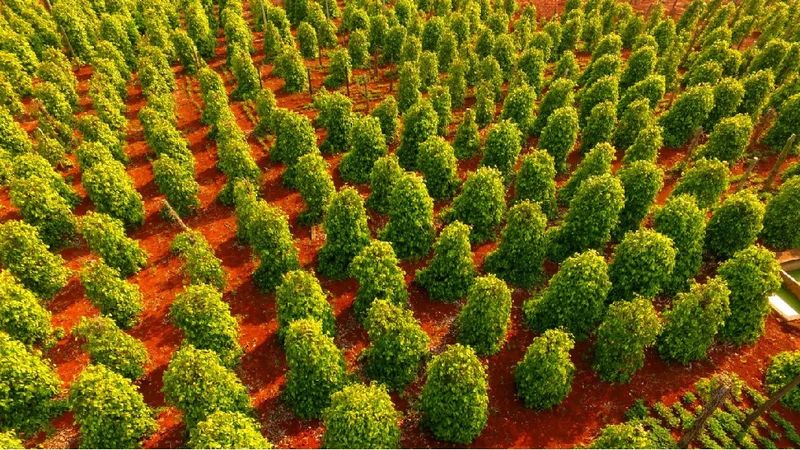
China has quietly climbed the ranks to become a significant black pepper producer, with most of its crop grown on Hainan Island in the south. The subtropical climate there mirrors the conditions found in Southeast Asia, making it well-suited for pepper cultivation.
Chinese pepper production has expanded steadily as domestic demand for the spice grows alongside a booming food industry. While China still imports pepper to meet its enormous consumption needs, its homegrown output continues to climb, cementing its place among the world's top producers.
6. Sri Lanka: Small Island, Big Spice Heritage
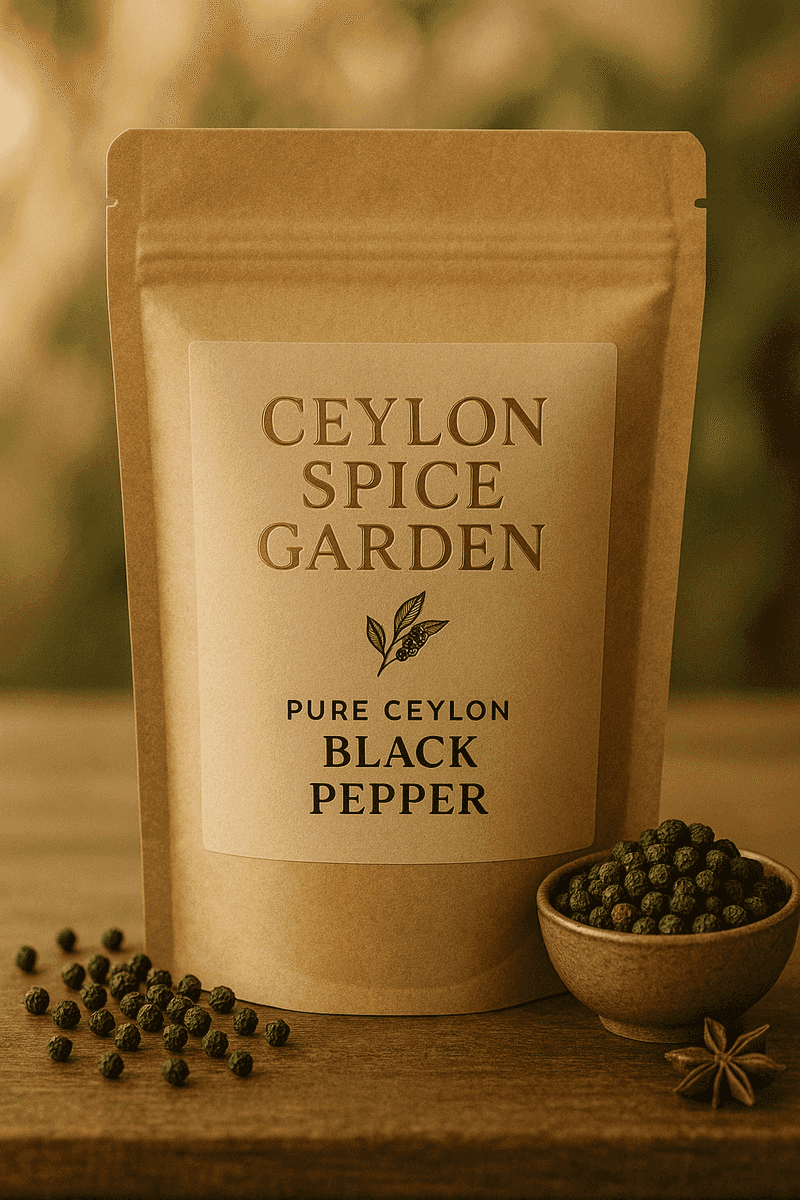
Sri Lanka packs a serious spice punch for such a small island. Historically known as Ceylon, this nation has cultivated black pepper alongside cinnamon and cardamom for centuries, earning a legendary reputation in the global spice trade.
The cool, misty hill regions around Kandy and Matale provide excellent growing conditions for high-quality pepper. Sri Lankan pepper tends to have a sharp, clean heat that chefs appreciate.
Though production volumes are smaller than Vietnam or India, the quality consistently wins international recognition.
7. Malaysia: Sarawak's Famous Pepper Legacy
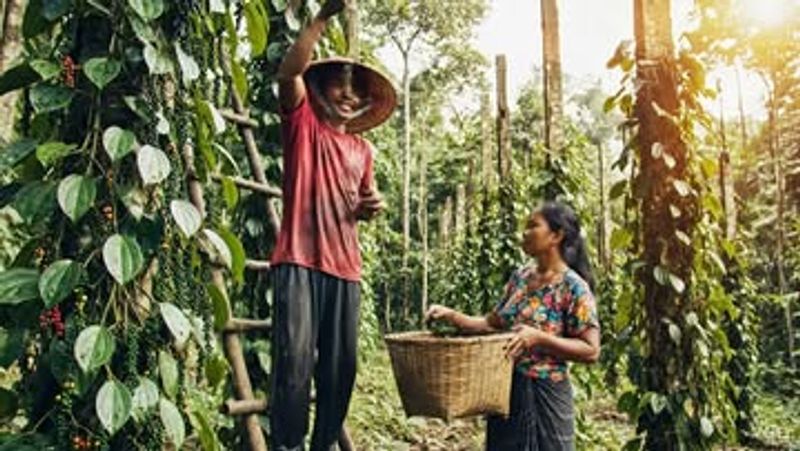
Sarawak, Malaysia's state on the island of Borneo, produces some of the most sought-after pepper in the world. Sarawak black pepper and white pepper carry a geographical indication label, meaning only pepper grown in that specific region can carry the prestigious Sarawak name.
Farming families in Sarawak have tended pepper gardens for generations, using traditional methods that preserve the spice's distinctive flavor. The pepper is hand-harvested and sun-dried, giving it a robust character that commands premium prices in specialty markets across Europe and Asia.
8. Ethiopia: Africa's Emerging Pepper Producer
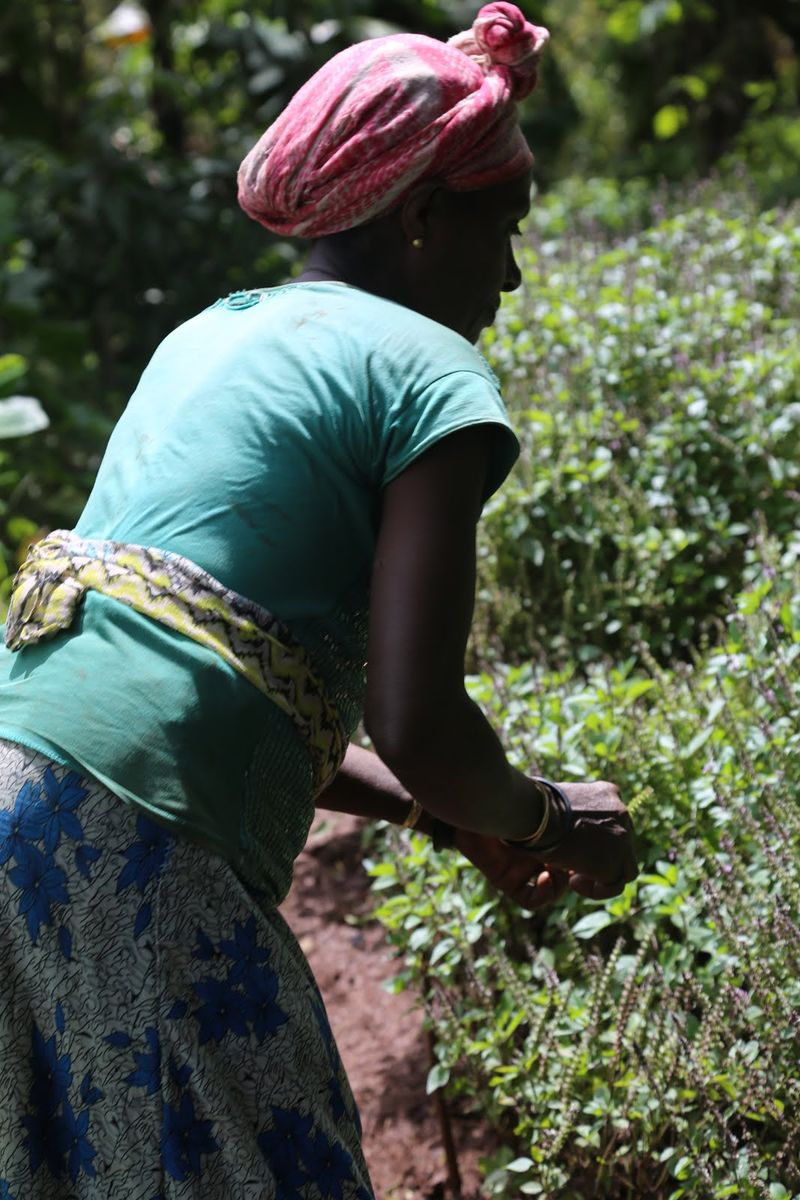
Ethiopia may not be the first country that comes to mind when you think of black pepper, but Africa's spice story is growing fast. The Jimma and Kaffa regions in southwestern Ethiopia offer a warm, wet climate that supports healthy pepper vine growth.
Ethiopian farmers are increasingly turning to black pepper as a profitable cash crop, supported by government agricultural programs. While production is still modest compared to Asian giants, Ethiopia represents an exciting frontier in global pepper farming with real potential to expand its share of the market.




Comments
No Comments