








There’s a quiet wisdom in the way our grandparents cooked - slower, simpler, and with far less waste.
Before fancy gadgets and endless delivery apps, meals were made with care, patience, and whatever was already in the pantry.
Looking back at their kitchen habits might just teach us how to eat better, save more, and truly enjoy food again.
All information is provided for general interest only, and taste, appearance, and availability may vary; photos are for illustrative purposes only.
Ancient Beginnings: Fire And Early Cooking Changed Everything

Long before stoves or ovens, our ancestors discovered fire - a step that fundamentally altered how humans ate and lived.
When early humans learned to cook over open flames or in simple hearths, food became easier to digest, safer, and more flavourful.
That shift not only improved nutrition but also helped humans get more energy from the same foods, supporting brain growth and social bonding.
Cooking also allowed for variety - meats, roots, grains, and vegetables could be made edible and delicious in ways raw food never could.
Over time, this led to the spread of cooking skills and culinary traditions as humans migrated and exchanged knowledge.
In short, early cooking wasn't just about survival - it laid the foundation for food culture, community eating, and the meals we still treasure today.
Traditional Cooking Methods Promote Healthier Eating And Nutrition
Meals prepared from scratch with whole ingredients tend to be more nutrient-dense than many modern processed or fast-food options.
Traditional cooking encourages the use of fresh vegetables, grains, lean proteins, and natural flavourings instead of additives or excessive salts and sugars.
People who regularly eat home-cooked meals are more likely to consume more fruits and vegetables and maintain a healthier body weight compared with those relying heavily on ready-made meals.
Because traditional diets often involve less processing, they tend to support better digestion, stable energy, and reduced risk of chronic conditions like heart disease or obesity.
Using traditional cooking also gives more control - you know what's going into your food, so portion sizes, ingredient quality, and dietary needs are easier to manage.
It's a simple but powerful reminder that real food made with care often tastes better and makes you feel better too.
Slow Cooking And Low-Heat Techniques: Taste And Texture Over Speed
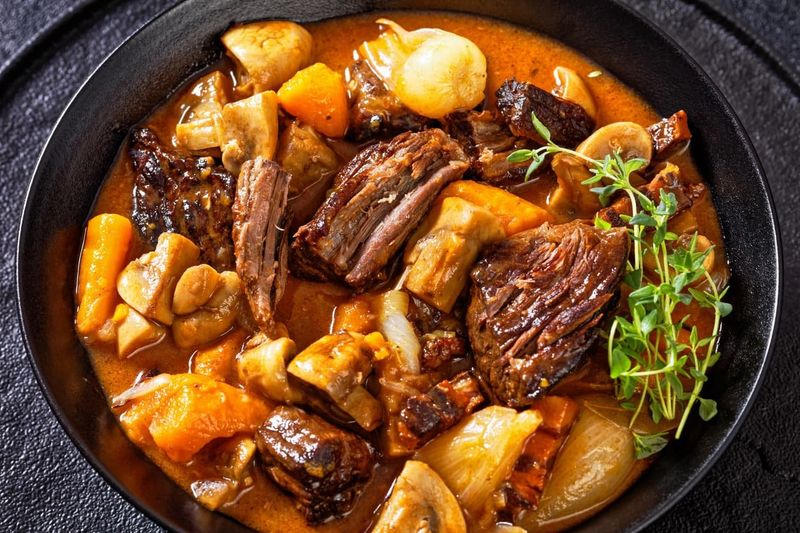
Old-school cooking often used patience - slow cooking, stewing, simmering, or roasting - techniques that take time but develop deep, rich flavours.
These methods helped tenderise meat, soften fibrous vegetables, and blend flavours in ways that quick frying or microwaving simply can't match.
Slow cooking also makes the most of humble ingredients - tough cuts of meat or root vegetables become tender and comforting with minimal waste.
Because heat is applied gradually, slow methods often preserve more nutrients and reduce the risk of burning or overcooking delicate foods.
Many traditional recipes still beloved today - like stews, casseroles, and roasts - rely on these patient techniques for maximum flavour and satisfaction.
Taking time in the kitchen can be surprisingly therapeutic, offering a calm rhythm in a fast-paced world.
Cooking As A Social Ritual: Shared Meals And Community Bonds
Traditionally, cooking was rarely just about feeding one person - it was a way to bring people together, share stories, and connect across generations.
Families or entire communities would gather around hearths or kitchens, sharing meals as part of everyday life or special celebrations.
Passing down recipes and cooking customs keeps heritage alive - grandparents teaching kids how to knead bread or sharing stew recipes handed down for decades adds a sense of continuity.
In modern times, many people find cooking with loved ones a calming and grounding activity that reconnects them with tradition.
This social value of cooking connects to wellbeing - eating together, enjoying fresh meals, and valuing time over convenience create a sense of belonging.
It's a reminder that food has always been about more than just nourishment - it's about togetherness.
Traditional Preservation And Resourcefulness: Waste Avoidance And Sustainability
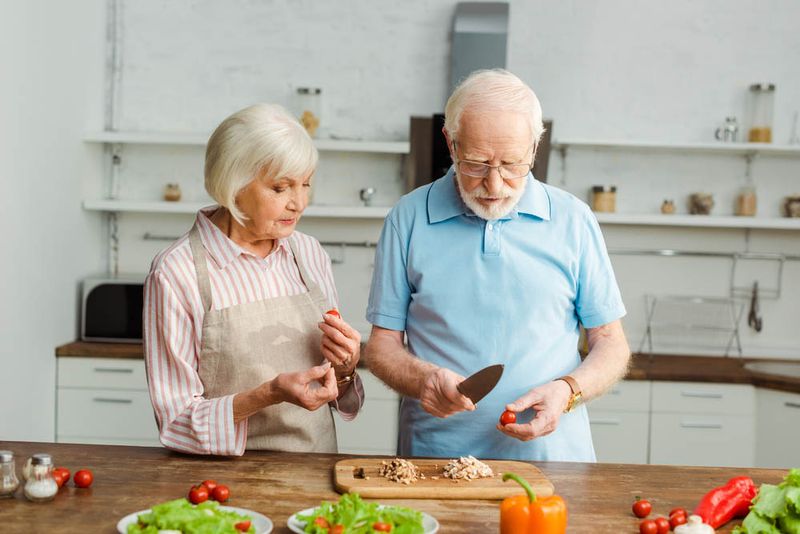
Before fridges and supermarkets, people had to make do - preserving food with drying, smoking, salting, or fermenting was a common way to extend shelf life.
These methods allowed families to store meat, fish, grains, or produce for months, making the most of harvests and catching seasons.
That mindset of resourcefulness meant leftovers were often reused creatively - soups from bones, stews from scraps - a natural precursor to modern zero-waste cooking.
Traditional cooking often used seasonal, local ingredients - meat, vegetables, or grains grown nearby - long before supermarkets offered global choices year-round.
That approach helped communities stay connected to the land, the seasons, and the environment.
It's a way of cooking that valued every ingredient and every effort - something well worth reviving today.
Cooking Traditional Food Supports Mental Wellbeing And Cultural Identity
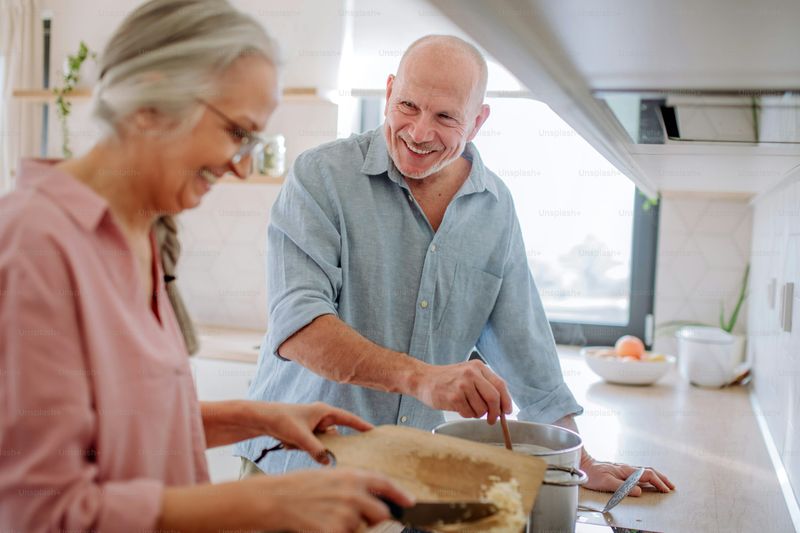
Preparing and eating familiar, traditional dishes can provide comfort, a sense of belonging, and even nostalgia - all of which matter for mental wellness.
For many, cooking passed-down family recipes is a way to honour ancestors - linking meals with memories, stories, and heritage that transcend generations.
In a fast-paced world full of ready meals and disposable culture, cooking from scratch offers grounding, slows time down, and helps people appreciate food as more than just fuel.
Sharing those meals with friends or family can strengthen social bonds, foster gratitude, and create new memories around the table.
That emotional and cultural value of cooking plays a significant role in maintaining traditions while adapting them for modern lifestyles.
In short, old recipes don't just feed the body - they feed the heart too.
Learning Respect For Ingredients: Quality, Seasonality, And Simplicity Matter
Past generations learned to respect what they had - simple ingredients, when treated right, could become nourishing and delicious meals.
Traditional cooking often celebrates the natural flavour of ingredients - seasonal vegetables, fresh herbs, local meat, or fish - rather than masking them with heavy processing or artificial additives.
When cooks focus on quality and seasonality, meals feel more alive - produce tastes fresher, meals feel richer, and ingredients are used with purpose instead of waste.
Simplicity in cooking - a pot, a fire or stove, a few good ingredients - proves that great meals don't need complexity; they just need care and time.
That appreciation encourages sustainable habits - buying less, wasting less, and cooking with respect for food and the environment.
It's a philosophy that turns cooking from a chore into a form of mindful living.