











Updates to national dietary guidance often shape how people think about everyday food choices, even beyond the countries where the advice is issued.
The latest US healthy eating guidance has prompted discussion among UK nutrition professionals, particularly around how messages about balance, fats, fibre, and protein are communicated to the public.
While some elements align with established principles, others raise questions about clarity, accessibility, and practical application. Hearing how UK experts interpret these changes helps place the guidance into a more familiar context for British readers.
All information is provided for general interest only and should not replace personalised advice from a qualified healthcare or nutrition professional. Dietary needs and recommendations vary between individuals.
Photos are for illustrative purposes only.
Meet The UK Nutrition Experts Behind The Insights

The analysis draws on perspectives from a group of UK-based nutrition professionals with experience across clinical practice, public health, and consumer nutrition.
Contributors include Rhiannon Lambert, nutritionist and author; Robert Hobson, nutritionist; Lucy Jones, Chief Clinical Officer at Oviva; Bridget Benelam, Nutrition Scientist at the British Nutrition Foundation; Juliette Kellow, Registered Dietitian; and Gopika Chandratheva, Freelance Public Health Nutritionist.
Together, their commentary helps place the updated US guidance within a UK context, highlighting where recommendations align with established evidence and where messaging may benefit from clearer explanation or practical framing.
How The New Food Pyramid Shapes Public Understanding
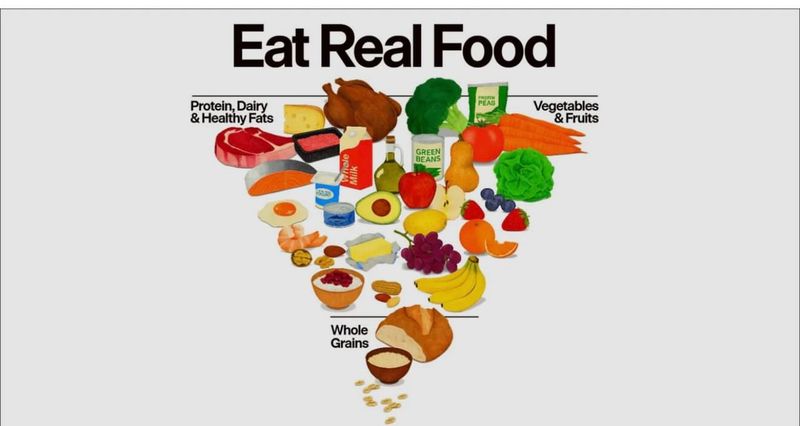
Lucy Jones raised concerns that the redesigned food pyramid may unintentionally confuse consumers by altering the visual balance between food groups. She noted that placing fibre-rich wholegrains lower while positioning higher-fat animal foods more prominently risks distorting portion expectations.
Rhiannon Lambert echoed this view, pointing out that although wholegrains are recommended in the written guidance, their visual placement sends mixed signals that may mislead people who rely on imagery rather than detailed text.
Protein Focus Versus Balance And Variety
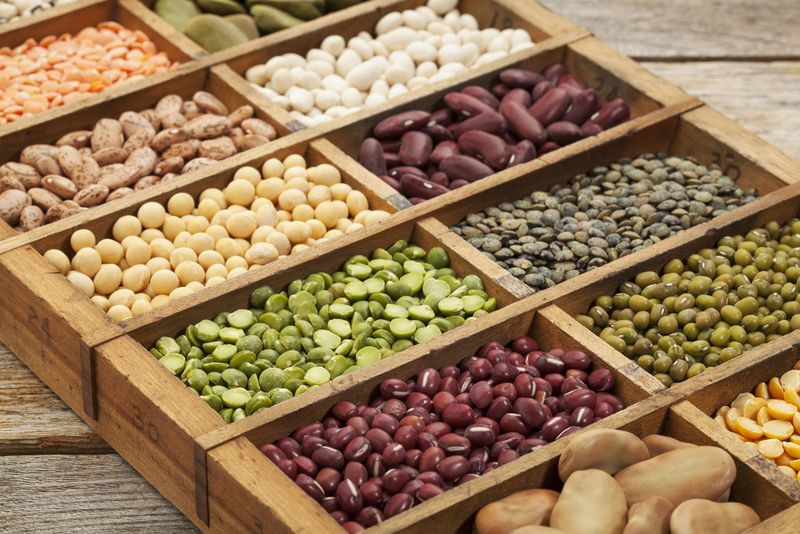
Robert Hobson acknowledged positive steps in recognising the importance of protein, particularly as people age, but cautioned against overstating intake needs. He explained that most adults already meet baseline protein requirements, and broader messaging to simply “eat more protein” risks misunderstanding.
Hobson also highlighted the value of diversifying protein sources, suggesting greater emphasis on beans, lentils, fish, nuts, and seeds rather than a heavy reliance on red meat and full-fat dairy.
Wholegrains And Fibre In Modern Dietary Advice

Juliette Kellow expressed frustration that wholegrains and fibre appear underplayed in the pyramid’s visual design despite strong evidence supporting their role in long-term health.
She noted that while wholegrains are mentioned in the guidance, practical examples and visibility are limited, which may weaken public understanding.
Kellow emphasised that everyday foods such as wholemeal bread, brown rice, oats, and wholegrain cereals remain among the most accessible ways to increase fibre intake.
The Role Of Ultra-Processed Foods In Everyday Diets

Rhiannon Lambert highlighted that guidance encouraging people to avoid ultra-processed foods does not always reflect real-life constraints around time, cost, and access. She explained that convenience foods often play a necessary role for busy households and should not automatically be viewed as harmful.
Lambert stressed the importance of nuance, focusing on overall balance rather than absolute avoidance.
Healthy Fats, Salt, And Practical Cooking Choices
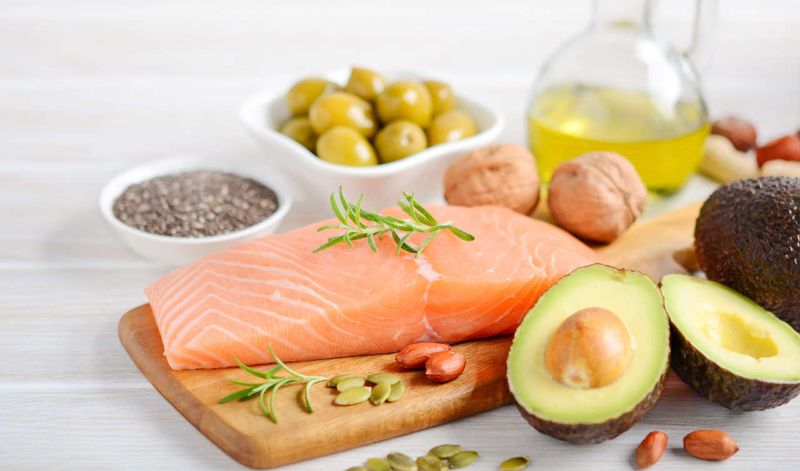
Bridget Benelam from the British Nutrition Foundation highlighted concerns about guidance that presents butter and beef tallow as healthy everyday cooking fats, noting the strong body of evidence linking high saturated fat intake with raised cholesterol and increased cardiovascular risk.
She also questioned advice suggesting people season freely with salt, which contrasts with long-standing UK guidance aimed at reducing salt intake to support blood pressure and heart health.
Benelam emphasised that consistent, clear messaging remains essential when translating nutrition science into practical cooking habits.
Affordability, Access, And Real-World Eating Habits

Gopika Chandratheva highlighted the importance of considering affordability, accessibility, and sustainability when developing public nutrition advice. She noted that guidance should reflect what people can realistically purchase and prepare.
Lambert also reinforced that cost pressures and time limitations influence food choices, meaning practical solutions matter more than idealised recommendations.
What The Guidance Means For Everyday UK Diets

Across the panel, there was agreement that while the US guidance contains positive intentions, clarity and practicality remain essential for public understanding. The experts consistently pointed back to the UK’s Eatwell Guide as a helpful reference model, offering clearer proportions and relatable food examples.
The overall message focused on balanced eating, fibre intake, varied protein sources, and achievable habits rather than rigid dietary rules.