










Ever wondered what goes on behind the shiny packaging and labels in your favourite UK food products? From the careful mixing of ingredients to the precise machinery that keeps everything safe and consistent, food factories are full of fascinating processes.
Take a peek inside, and you’ll see just how much skill, science, and teamwork goes into getting those everyday items from factory floor to your kitchen.
This article is for general informational purposes only. While it explains typical food production processes, individual products and factories may vary, and safety standards are subject to strict regulations.
How Ingredients Arrive And Are Carefully Checked

Lorries arrive daily at factory gates, carrying everything from fresh vegetables to grains and spices. Workers immediately check each delivery against strict quality standards, ensuring nothing dodgy gets through.
Suppliers must provide certificates proving their ingredients meet food safety laws. Temperature-sensitive items like dairy or meat are monitored constantly to prevent spoilage. Rejected batches get sent back straightaway, protecting consumers from potential health risks whilst maintaining the factory's reputation for excellence.
The Strict Hygiene Standards Behind Every Product
Cleanliness isn't optional - it's the law. Every surface, machine, and tool gets sanitised multiple times daily using approved cleaning agents that kill harmful bacteria.
Staff wear protective clothing including hairnets, gloves, and special shoes that never leave the premises. Hand-washing stations appear everywhere, and workers must scrub up before entering production areas.
Regular audits by food safety inspectors keep factories accountable, ensuring your meals stay safe from contamination throughout the entire manufacturing process.
Modern Machines That Make Mass Production Possible
Massive machines dominate factory floors, performing tasks that would take humans weeks to complete. Automated systems mix ingredients with pinpoint accuracy, ensuring every batch tastes identical.
Conveyor belts transport products through different stages - cooking, cooling, packaging - at incredible speeds. Robotic arms seal thousands of packets per hour without breaking a sweat.
These technological marvels boost efficiency whilst reducing human error, allowing factories to produce enough food to stock supermarkets nationwide whilst maintaining consistent quality standards.
The Role Of Skilled Workers In Keeping Quality High
Machines can't do everything - skilled employees remain essential to successful operations. Trained technicians monitor equipment constantly, spotting potential problems before they cause expensive breakdowns.
Quality control experts taste-test products throughout production, checking flavour, texture, and appearance against company standards. Line supervisors coordinate teams, ensuring everyone works safely and efficiently. Their expertise and attention to detail guarantee that only top-notch products leave the factory, proving human judgement still matters in our automated world.
Safety And Testing Before Anything Leaves The Factory
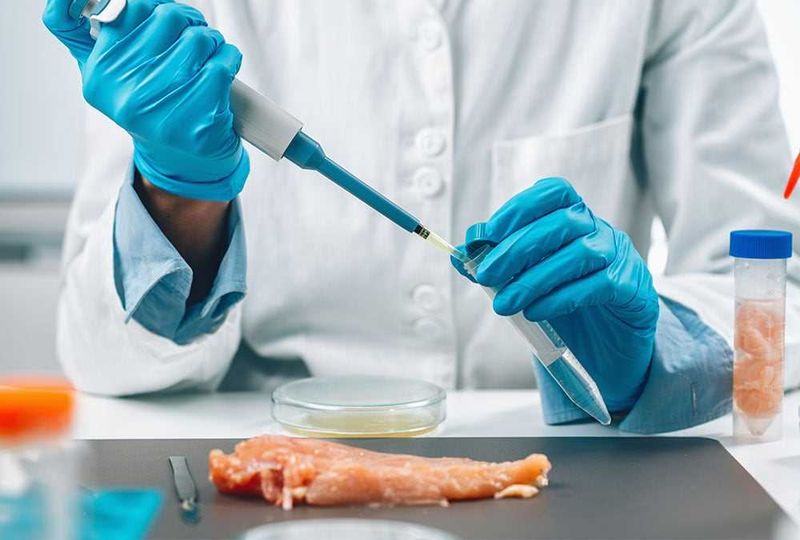
Before any products reach the shelves, they go through careful testing in the factory’s lab. Scientists and quality control staff check for bacteria, allergens, and any contamination to make sure everything is safe to eat. They usually test random samples from each batch to spot any problems without needing to check every single item. Metal detectors scan the food for stray bits of metal that might have slipped through during production.
If something doesn’t meet the safety standards, only that batch is rejected or reworked, not the entire production run. These checks help keep customers safe and make sure the food leaving the factory meets strict legal and quality requirements.
Reducing Waste And Improving Sustainability In Production
Modern factories take environmental responsibility seriously, implementing clever strategies to minimise waste. Leftover ingredients often get repurposed into animal feed or compost rather than landfill.
Packaging materials increasingly come from recycled sources, and energy-efficient machinery reduces electricity consumption. Water recycling systems capture and purify liquids for reuse in cleaning processes. Some factories even generate their own renewable energy through solar panels. These green initiatives help protect our planet whilst cutting operational costs for manufacturers.
The Journey From Factory Floor To Supermarket Shelf

Once packaged and approved, products begin their final journey to retail outlets. Warehouses store goods at controlled temperatures until distribution lorries arrive for collection.
Sophisticated logistics software tracks every pallet, ensuring deliveries reach correct destinations on schedule. Temperature-controlled vehicles maintain freshness during transport, particularly for chilled or frozen items. Supermarkets receive shipments overnight, allowing staff to restock shelves before opening time. This seamless supply chain means you'll find fresh products waiting whenever you shop.
Surprise Inspections Keep Standards Sky-High
Unannounced visits from government inspectors keep factories honest and compliant. These officials arrive without warning, checking everything from equipment cleanliness to staff training records.
Factories earning top ratings display certificates proudly, reassuring customers about their commitment to excellence. Poor performers face warnings, fines, or even closure until problems get fixed.
Regular inspections create accountability, pushing manufacturers to maintain high standards every single day rather than only when audits are scheduled. Your safety depends on this vigilant oversight.