





Queen Elizabeth II’s dining habits were far from ordinary, shaped by royal protocol and a sense of tradition. While most of us enjoy our favourite foods without much thought, Her Majesty had a few items strictly off the menu.
From garlic to fast food, there were surprising restrictions when it came to what she would (or wouldn’t) eat during her reign.
This article is for informational and entertaining purposes only.
1. Garlic
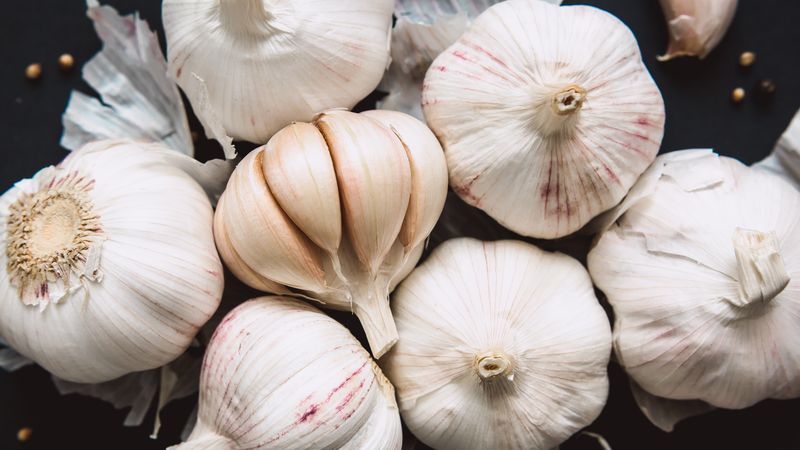
Royal chefs were instructed to avoid garlic in all palace recipes, a rule that dated back decades. The pungent bulb was considered too strong for formal occasions where close conversation was essential.
Palace protocol demanded impeccable breath during state dinners and diplomatic meetings. Garlic's lingering odour simply didn't align with the Queen's professional responsibilities, making it an unwelcome ingredient in royal cuisine throughout her reign.
2. Raw Onions
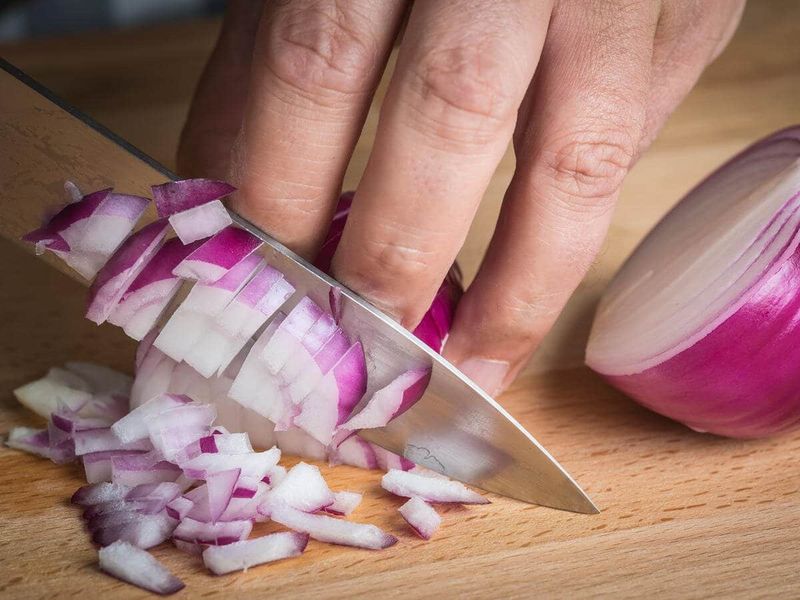
Much like garlic, raw onions were banished from royal menus to maintain proper etiquette. Their sharp flavour and notorious breath effects made them unsuitable for someone constantly engaged in public duties.
Cooked onions occasionally appeared in dishes, but the raw variety never made an appearance. Royal chefs found creative ways to add flavour without compromising the Queen's need for fresh breath during countless official engagements and conversations.
3. Shellfish
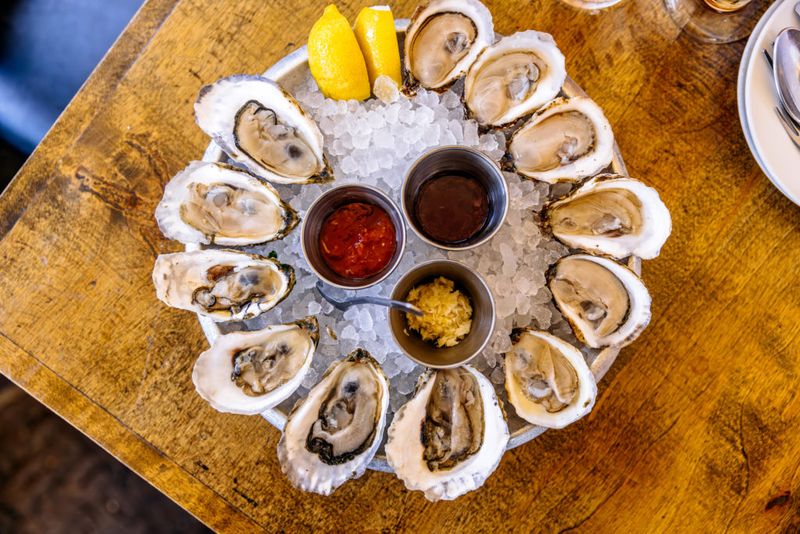
Shellfish posed a significant health risk that the royal household refused to take. Food poisoning from contaminated seafood could have devastating consequences during overseas tours or important state functions.
This precautionary ban extended to the entire royal family when travelling abroad. Whilst other fish remained on the menu, oysters, mussels, and similar delicacies were considered too risky for someone whose schedule couldn't accommodate unexpected illness.
4. Rare Or Under‑Cooked Meat
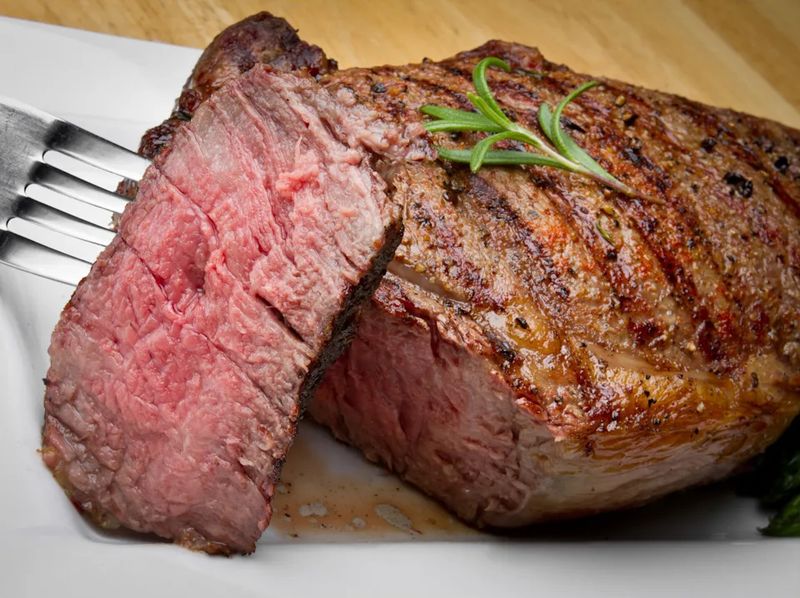
Her Majesty preferred her meat thoroughly cooked, a preference that became palace policy. Rare steaks and pink lamb carried potential health hazards that royal protocol deemed unacceptable.
This wasn't merely personal taste but a calculated safety measure. Foodborne illnesses from undercooked meat could jeopardise diplomatic visits and official duties. Palace chefs ensured all meats reached safe internal temperatures, prioritising the Queen's wellbeing over culinary trends favouring rare preparations.
5. Pizza
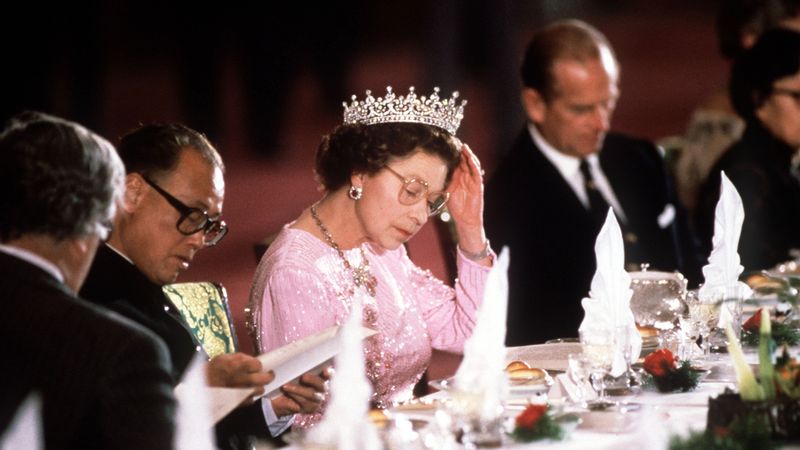
Despite its worldwide popularity, pizza rarely appeared on the Queen's dining table. The informal Italian dish didn't align with traditional palace dining standards or royal culinary heritage.
Former royal chef Darren McGrady confirmed that pizza was simply too casual for Her Majesty's tastes. Whilst younger royals might enjoy the occasional slice, the Queen maintained more conventional preferences, favouring classic British and French cuisine throughout her life.
6. Fast Food
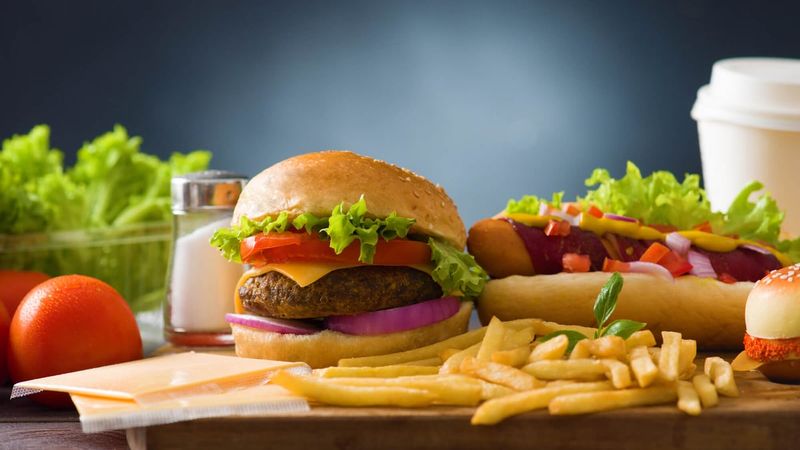
Burgers, chips, and drive-through meals were entirely foreign to the Queen's dining experience. Fast food establishments held no appeal for someone accustomed to haute cuisine prepared by skilled palace chefs.
The monarch's meals were meticulously planned and prepared using the finest ingredients available. Quick, convenient takeaway options simply didn't fit into royal life, where dining remained a formal affair governed by centuries of tradition and exacting standards.