











Going gluten free can feel like stepping into a whole new way of eating, especially when you start noticing how your body reacts to the change. Some people find the shift surprisingly positive, while others realise their routines and cravings play a bigger role than expected.
The interesting part is how your body adjusts once gluten disappears from your plate, and that’s where things get genuinely worth exploring.
This content is for general informational purposes only and should not be used as medical guidance. Reactions to dietary changes vary from person to person, and anyone considering removing gluten for health reasons should seek advice from a qualified healthcare professional. Images are for illustrative purposes only.
1. You Might Feel Less Bloated If Gluten Was Bothering You
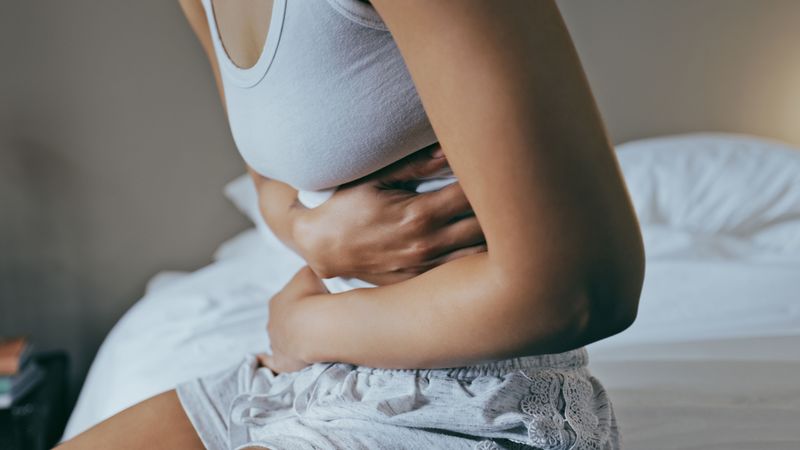
Some people feel lighter or less puffy when they stop eating gluten, especially if bread or pasta often left them uncomfortable. This isn't magic - it usually comes from eating fewer heavy, wheat-based foods.
Many gluten-free swaps are lighter or easier to digest for some individuals. Not everyone feels this change, but those who do tend to notice it fairly quickly.
It's simply your body reacting to a different mix of foods.
2. Your Energy Levels Could Shift

Some people report feeling a bit more energetic when they remove gluten, mostly because they cut out foods that once made them sluggish. Others notice no change at all.
It really depends on what your diet looked like before. Replacing white bread and pastries with more balanced foods can steady your energy throughout the day.
3. You May Need To Think More About Fibre
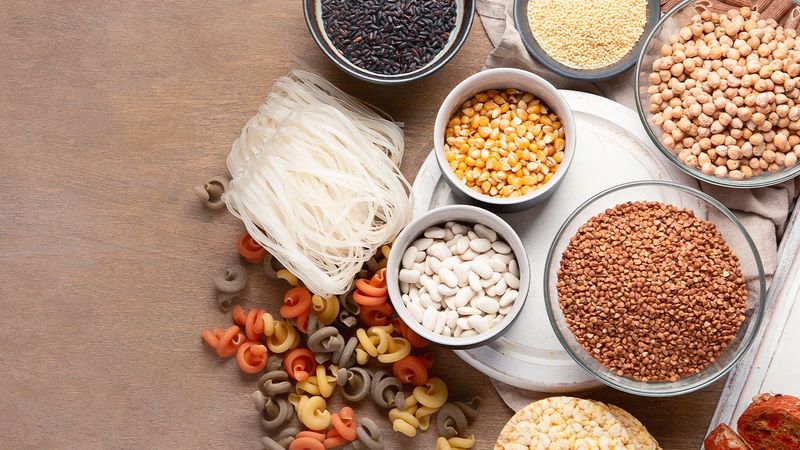
Many high-fibre foods in Britain - like wholemeal bread - contain gluten, so cutting them out means you'll need to find fibre elsewhere. Without enough fibre, your digestion can slow down and you may feel a bit sluggish.
Lots of gluten-free grains, beans and vegetables can easily fill the gap. It just takes a little more attention to balance things out.
4. Your Diet Could Become More Varied
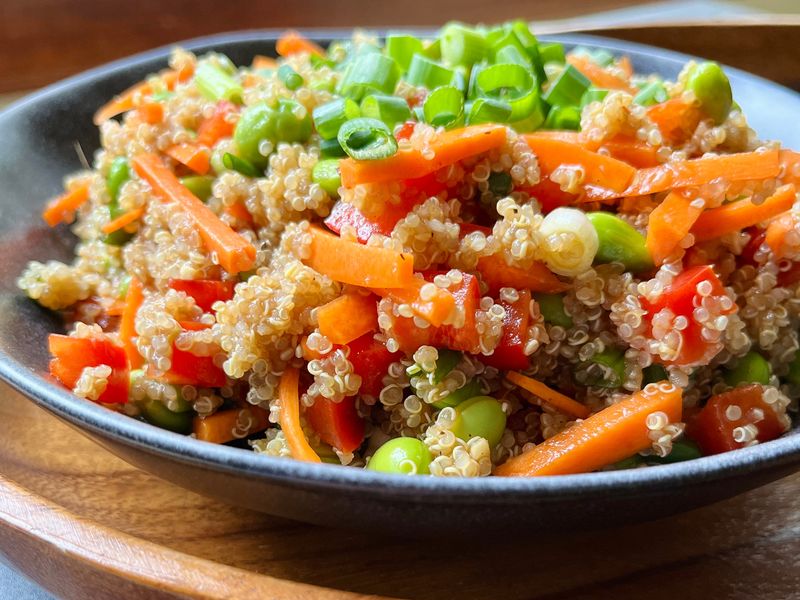
Surprisingly, going gluten-free often pushes people to try foods they never used before. Rice, quinoa, polenta, buckwheat and all kinds of vegetables suddenly become new favourites.
This can make meals more colourful and interesting without feeling restrictive. Many people say they actually cook more creatively when wheat is no longer the default.
So it can feel like opening a small culinary door you never knew was there.
5. You Might Notice Changes In Your Mood Around Food

Gluten tends to appear in a lot of comfort foods - toast, pasta, pastries - so removing it can feel emotional at first. Some people feel a bit annoyed or limited until they find alternatives they enjoy.
Once they settle into new habits, the stress usually fades and meals feel normal again. It's simply your brain adjusting to different routines.
Food patterns have a big impact on mood, more than most people realise.
6. Your Food Labels Will Suddenly Matter More

Going gluten-free means checking ingredient lists more carefully, which can feel overwhelming to start with. Wheat appears in unexpected places like sauces, soups and snacks.
Over time, the label-checking becomes fast and automatic. Many people say they become more aware of what they're eating overall, not just gluten.
That extra awareness often leads to more balanced choices.
7. Your Body Won't Miss Gluten Unless You Had A Condition Related To It
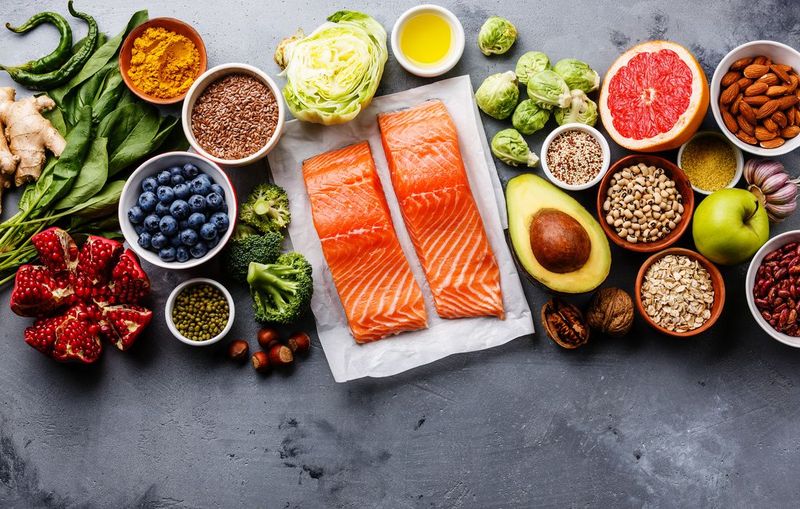
For most people without coeliac disease or gluten sensitivity, removing gluten doesn't create dramatic health changes. Gluten itself isn't harmful to the general population.
Any difference you notice usually comes from eating fewer processed foods and more whole ingredients. Your body responds to the overall pattern, not the presence or absence of gluten alone.
So the effects depend entirely on your starting point and your food choices afterwards.