











We all know vegetables are good for us, but eating them every single day can do far more than just make you feel “healthy.” Your body starts to change in small but powerful ways - from how your skin glows to how your gut feels after every meal.
Whether you love your greens or still have childhood flashbacks of being told to finish your peas, here’s what really happens when veggies become part of your daily routine.
This article is for general informational purposes only and not a substitute for professional medical advice. Always consult a qualified healthcare provider or registered dietitian before making significant changes to your diet. Individual results may vary based on health, age, and lifestyle. Photos are for illustrative purposes only.
1. Your Skin Might Start Glowing From The Inside Out

Vegetables are loaded with vitamins A, C, and E, which act like little superheroes for your skin. Carrots, sweet potatoes, and spinach help repair damage and keep your complexion looking fresh.
Antioxidants found in colourful veggies fight off harmful molecules that age your skin. Over time, you might notice fewer blemishes and a natural, healthy glow that no cream can replicate.
2. Your Gut Could Work Better Than Ever
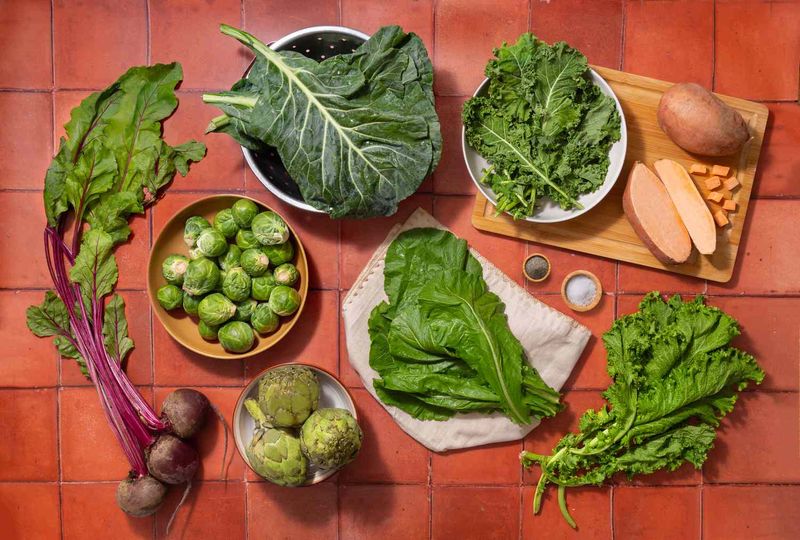
A diet rich in vegetables can do wonders for your digestion. Fibre from foods like broccoli, Brussels sprouts, and leafy greens helps food move smoothly through your system and supports regular bowel habits.
This fibre also feeds the good bacteria in your gut, helping them thrive and create a balanced microbiome - something that plays a big role in how well you absorb nutrients and maintain overall health. Eating vegetables daily won’t make your gut “perfect,” but it can definitely help it function at its best.
3. You Might Feel Fuller For Longer Without Even Trying

Ever notice how a plate of chips leaves you hungry an hour later? Vegetables are different because they're packed with fibre and water, which fill you up properly.
This natural fullness means you're less likely to reach for snacks between meals. Your body gets the nutrients it needs whilst keeping hunger pangs at bay, making healthy eating feel effortless and satisfying.
4. Your Energy Levels Could Quietly Soar

Forget the afternoon slump that has you reaching for caffeine. Vegetables provide steady, lasting energy through complex carbohydrates and essential nutrients.
Iron-rich spinach and vitamin-packed peppers help your cells produce energy more efficiently. Unlike sugary snacks that cause crashes, veggies fuel your body consistently throughout the day, keeping you alert and ready for whatever comes your way.
5. Your Immune System Might Become Practically Unstoppable
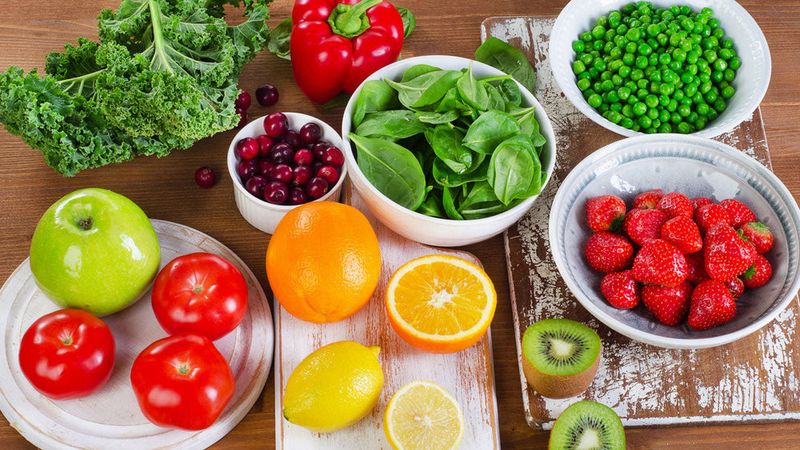
Vegetables arm your immune system with vitamins and minerals that help fight off illness. Bell peppers, kale, and tomatoes are particularly brilliant at strengthening your body's defences.
Vitamin C from veggies supports white blood cell production, whilst antioxidants reduce inflammation. Regular vegetable consumption means your body is better prepared to ward off colds, flu, and other infections before they take hold.
6. Your Taste For Sweetness Could Naturally Shift
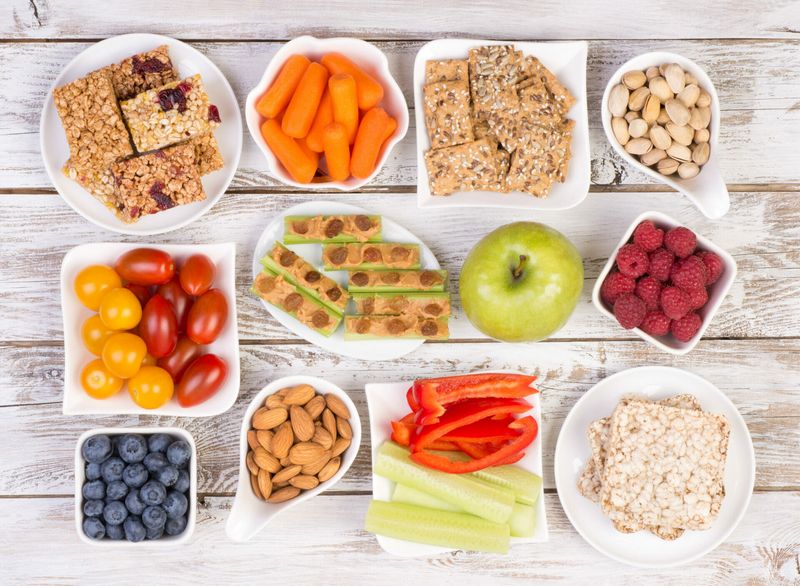
When you start eating more vegetables and cut back on ultra-processed foods, your palate slowly adapts. Over time, you begin to notice and appreciate the subtle sweetness in foods like carrots, peppers, or cherry tomatoes.
This change isn’t because your taste buds physically transform, but rather because your brain and body adjust to less sugar and more natural flavours. As your diet improves, you’re less likely to crave overly sweet snacks - not through magic, but through balance and habit.
7. Your Heart Might Thank You In More Ways Than One
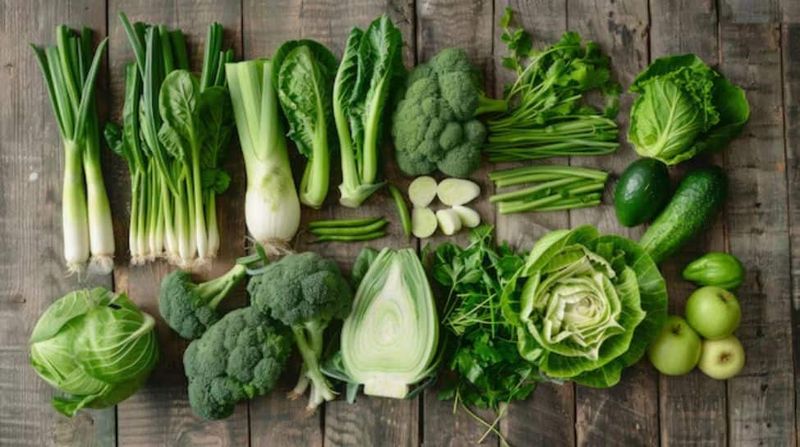
Cardiovascular health gets a major boost from daily vegetable intake. Leafy greens contain nitrates that help blood vessels relax, improving circulation and reducing blood pressure.
Potassium-rich vegetables like sweet potatoes balance sodium levels, whilst fibre helps lower cholesterol. These combined effects mean your heart works more efficiently, potentially reducing your risk of heart disease and keeping your ticker strong for years.
8. Your Mind Could Feel Sharper And Calmer

Brain fog doesn't stand a chance against vegetable-powered nutrition. Folate from leafy greens supports neurotransmitter function, whilst antioxidants protect brain cells from damage.
Studies show that people who eat vegetables regularly experience better memory and concentration. The magnesium in vegetables also helps regulate stress hormones, promoting a calmer, more balanced mood throughout your day.
9. Your Body Might Age A Little More Gracefully Than Before
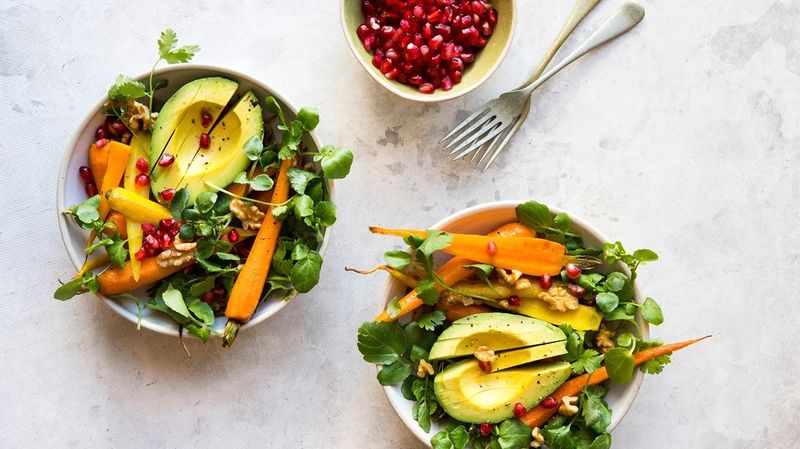
Antioxidants in vegetables combat free radicals, those pesky molecules that accelerate ageing. Colourful veggies like beetroot, purple cabbage, and peppers are particularly powerful anti-ageing allies.
Regular vegetable consumption supports collagen production, keeping skin elastic and joints flexible. Whilst ageing is natural, vegetables help your body maintain vitality, strength, and resilience as the years pass, letting you enjoy life fully.
10. Your Blood Sugar Levels Could Stabilise Beautifully
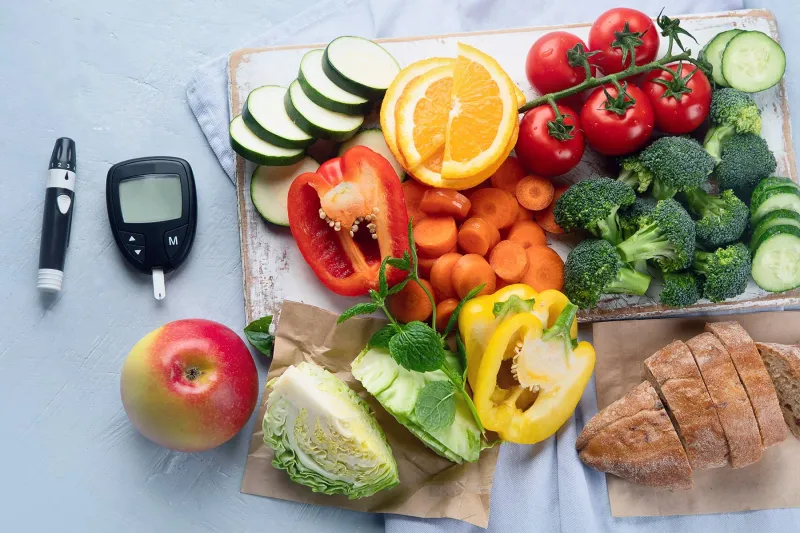
Unlike processed foods that send blood sugar on a rollercoaster ride, vegetables provide steady, manageable glucose release. This stability prevents energy crashes and mood swings.
Non-starchy vegetables like courgettes, aubergines, and greens have minimal impact on blood sugar whilst delivering maximum nutrition. For those concerned about diabetes, daily vegetable consumption is one of the most effective preventative measures you can take.
11. Your Bones Could Grow Stronger With Each Bite
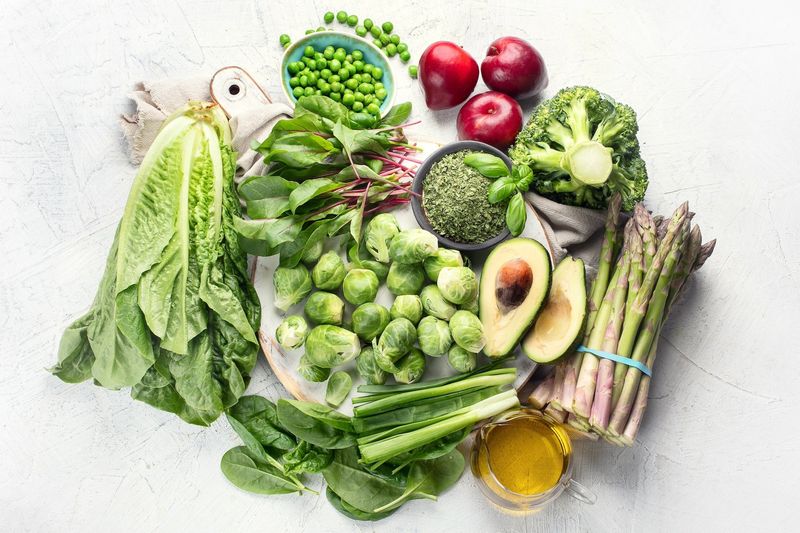
Calcium isn't only found in dairy - dark leafy greens like kale and collards are brilliant bone builders. Vitamin K in vegetables helps your body absorb calcium more effectively.
Magnesium from vegetables also plays a crucial role in bone density. Regular consumption throughout life can help prevent osteoporosis and keep your skeletal system robust, reducing fracture risk as you age.
12. Your Body's Natural Detox Systems Might Work More Efficiently
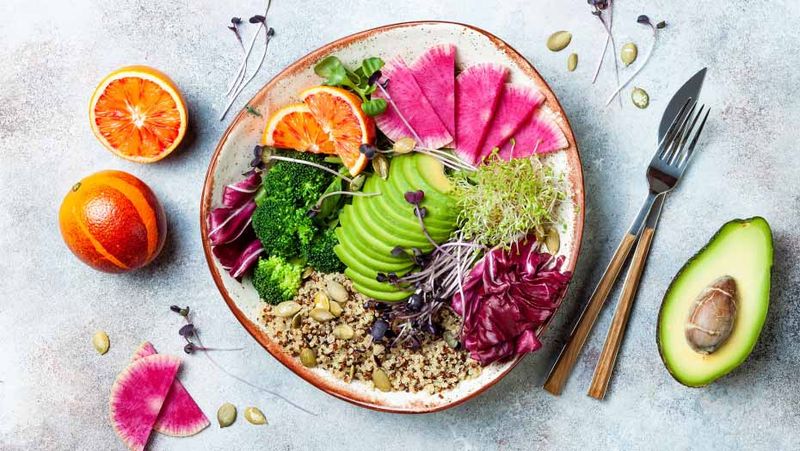
Your liver and kidneys are constantly working to remove toxins, and vegetables give them the support they need. Cruciferous vegetables like broccoli and cauliflower contain compounds that boost detoxification enzymes.
Beetroot supports liver function, whilst asparagus aids kidney filtration. Rather than needing extreme cleanses, your body's natural detox systems simply work better when fuelled with vegetable nutrients, keeping you feeling fresh and healthy.