











Fizzy drinks may be refreshing and satisfying when you’re craving something sweet – but drinking them every day can quietly take a toll on your health.
What feels like a harmless treat can affect everything from your teeth to your metabolism over time.
Here’s what might really be happening inside your body if that daily can of soda has become a routine you can’t quite give up.
This article is for general informational and educational purposes only.
Individual health effects can vary based on diet, lifestyle and medical history.
Always consult a qualified healthcare professional for personalised advice.
1. Increased Sugar Cravings
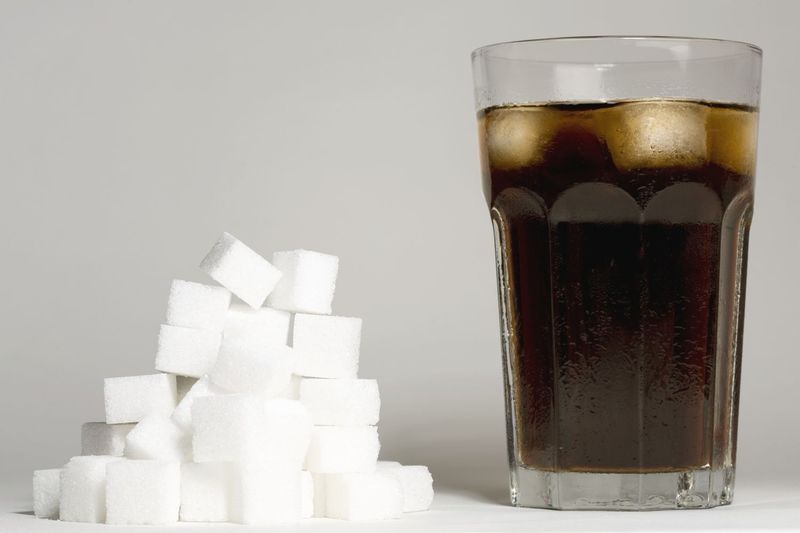
Ever noticed how one can of fizzy pop makes you fancy another sweet treat straight after?
That's your brain getting hooked on the sugar rush.
Soda contains loads of added sugars that spike your blood glucose quickly, then drop it just as fast, leaving you craving more.
Regular consumption rewires your taste buds and brain chemistry, making naturally sweet foods like fruit seem bland.
You end up reaching for biscuits, chocolate bars, or another fizzy drink to satisfy that nagging urge, creating a vicious cycle that's tough to break.
2. Higher Risk Of Weight Gain
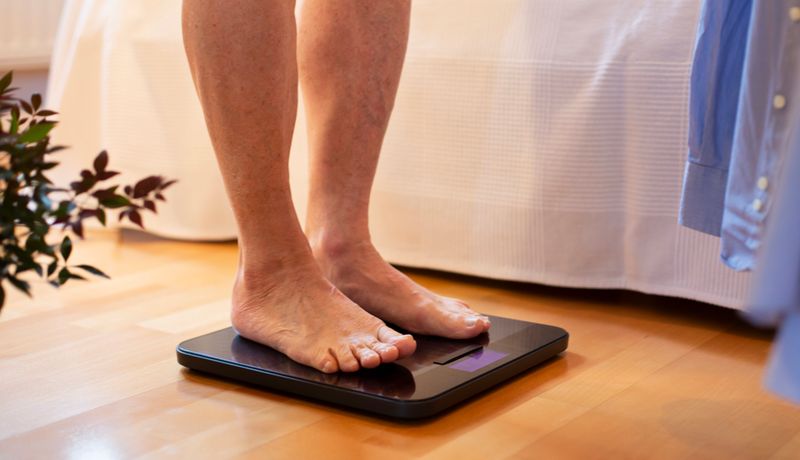
A single 330ml can of cola packs around 35 grams of sugar and roughly 140 calories, yet it does absolutely nothing to fill you up.
Liquid calories don't trigger the same fullness signals as solid food, so you consume them on top of your regular meals without realising.
Over time, those extra calories add up quickly.
Drinking just one can daily could mean an extra pound of weight every few weeks if you're not burning it off through activity, making your jeans feel tighter than you'd like.
3. Possible Blood Sugar Spikes
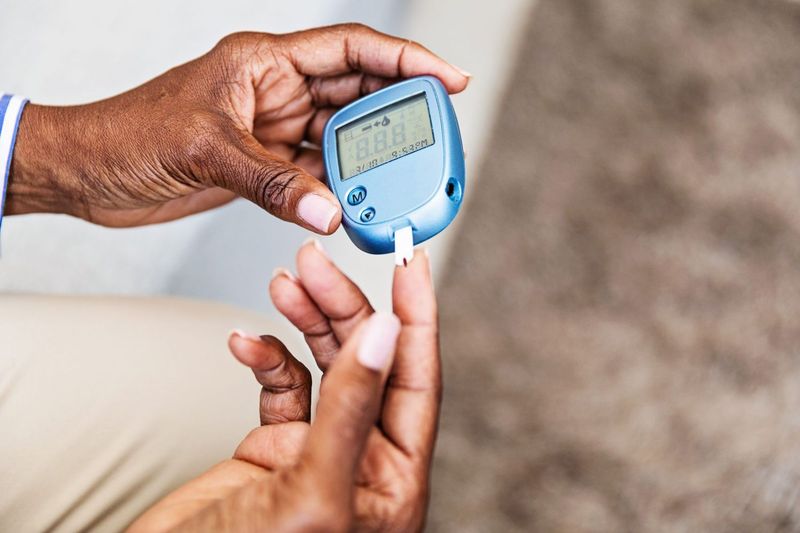
Your pancreas works overtime when you down a fizzy drink loaded with sugar.
Within minutes, glucose floods your bloodstream, causing a sharp spike that forces your body to pump out insulin rapidly to cope with the surge.
These rollercoaster highs and lows can leave you feeling jittery, tired, or irritable.
For people with prediabetes or insulin resistance, daily soda makes managing blood sugar levels significantly harder, putting extra strain on an already stressed system that's struggling to keep things balanced.
4. Tooth Enamel Erosion

Fizzy drinks are a double threat to your teeth.
The sugar feeds harmful bacteria in your mouth, creating acid that attacks enamel, whilst the carbonic acid in the fizz itself erodes that protective outer layer from the moment it touches your teeth.
Dentists across the UK see this damage daily.
Once enamel wears away, it doesn't grow back, leaving teeth sensitive, discoloured, and vulnerable to cavities.
Sipping soda throughout the day rather than drinking it quickly makes the problem worse, as your teeth never get a break from the acid bath.
5. Greater Risk Of Type 2 Diabetes

Research shows that people who drink one or two sugary drinks daily have a 26% higher risk of developing type 2 diabetes compared to those who rarely touch the stuff.
That's a sobering statistic when you think about how common daily soda consumption is.
The constant sugar bombardment forces your pancreas to churn out insulin repeatedly, eventually leading to insulin resistance.
Your cells stop responding properly, and your blood sugar stays elevated, setting the stage for diabetes.
Nutritionists warn this risk climbs even higher with regular consumption over years.
6. Increased Belly Fat

Fructose, the type of sugar commonly used in fizzy drinks, has a sneaky habit of heading straight to your liver when consumed in large amounts.
Your liver converts excess fructose into fat, and much of that fat gets stored around your abdomen rather than distributed elsewhere.
Belly fat isn't just about appearance.
Visceral fat wraps around your internal organs and releases inflammatory substances that increase your risk of serious health problems.
Even people who aren't overweight can develop this dangerous fat accumulation from regular soda consumption alone.
7. Dehydration Due To Caffeine

Many fizzy drinks contain caffeine, which acts as a mild diuretic, making you wee more frequently and potentially leaving you less hydrated than before you cracked open that can.
Whilst moderate amounts won't severely dehydrate you, relying on caffeinated soda as your main fluid source isn't doing your body any favours.
Proper hydration keeps your skin glowing, your brain sharp, and your energy levels steady.
Swapping some of that fizzy stuff for plain water helps your kidneys function better and ensures your cells get the moisture they actually need.
8. Lower Intake Of Nutrient-Dense Drinks

When you fill up on fizzy drinks, you're crowding out beverages that actually nourish your body.
Milk provides calcium and vitamin D for strong bones, whilst fresh orange juice offers vitamin C and natural nutrients that support your immune system.
Teenagers and young adults who regularly choose soda over healthier options often fall short on essential nutrients their growing bodies need.
Nutritionists recommend limiting fizzy drinks to occasional treats rather than daily staples, making room for drinks that genuinely contribute to your wellbeing instead of just empty calories.
9. Higher Risk Of Heart Disease

Your heart doesn't appreciate the daily soda habit either.
Studies link regular consumption of sugary drinks to increased blood pressure, elevated triglycerides, and higher levels of inflammation throughout your cardiovascular system.
These changes strain your heart and blood vessels over time, raising your risk of heart attacks and strokes.
Doctors note that even one sugary drink per day can increase heart disease risk by up to 20%.
Cutting back on fizzy drinks is one of the simplest changes you can make to protect your ticker for the long haul.