










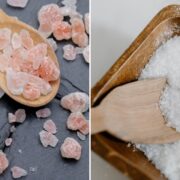
Salt’s been a kitchen staple for centuries – from seasoning your Sunday roast to bringing out the best in a bag of crisps.
But what would really happen if you cut it out completely for a month? The answer might surprise you.
Your body goes through a series of changes – some great, others not so much – that can affect everything from your energy levels to how your food tastes. Here’s what you might notice when you go salt-free for 30 days.
This article is for general information only and should not replace medical advice. Always consult a healthcare professional before making major dietary changes. Photos are for illustrative purposes only.
Your Blood Pressure May Drop

Ever wonder why your GP bangs on about cutting back on salt? Sodium makes your body hold onto water, which increases the volume of blood pumping through your veins. More volume means more pressure on artery walls.
When you stop adding salt to your meals, many people see their blood pressure readings drop within just a few weeks. It's particularly noticeable if yours was already creeping up. Nutritionists reckon this is one of the quickest benefits you'll spot when going salt-free.
Food Might Taste Bland At First

Right, here's the honest truth – your first week without salt will probably feel like eating cardboard. That beloved packet of ready salted crisps? Forget about it. Your beans on toast? Suddenly tastes like sadness.
Salt's been masking and enhancing flavours your whole life, so when it vanishes, everything seems dull. Your palate has basically become dependent on it. But don't worry – this phase doesn't last forever, and your taste buds will eventually adjust to appreciate subtler flavours.
You Could Reduce Water Retention

Noticed your rings feeling tight lately or your ankles looking a bit puffy after a long day? Sodium's probably the culprit. It tells your kidneys to hang onto water, which can leave you feeling bloated and uncomfortable.
Cut out the salt, and your body starts releasing that excess fluid within days. You might find yourself visiting the loo more often at first, but then you'll notice your clothes fit better and that puffiness around your middle disappears. It's not fat loss, mind you – just water.
Your Taste Buds Might Become More Sensitive

Here's where things get interesting. After about two weeks of salt-free living, something almost magical happens – food starts tasting brilliant again, just in a different way. You'll suddenly notice the natural sweetness in carrots or the earthiness in mushrooms.
Your taste buds essentially reset themselves when they're not constantly bombarded with sodium. Foods you thought were flavourless become complex and interesting. Many people report that when they finally try salty food again after a month, it tastes overwhelmingly salty – almost unpleasant.
You May Experience Muscle Cramps

Right, this is the not-so-fun bit. Sodium plays a crucial role in muscle function and nerve signals, so when you suddenly remove it, your muscles might protest a bit. You could get cramps in your legs, especially at night or after exercise.
This is your body's way of saying it needs electrolytes to function properly. If you're experiencing this, doctors suggest making sure you're getting enough potassium from bananas or potatoes. Don't panic though – mild cramping usually settles down as your body adjusts to lower sodium levels.
Your Iodine Levels Could Decrease

Here's something most people don't realise – in Britain, much of our iodine comes from iodised table salt and dairy products. Iodine's essential for your thyroid gland, which controls your metabolism and energy levels.
Go completely salt-free for a month, and you might not get enough iodine, especially if you're also cutting back on milk and fish. Nutritionists warn that low iodine can leave you feeling sluggish and affect your concentration. If you're ditching salt long-term, chat with your GP about alternative iodine sources.
You Might Feel More Tired Or Light-Headed

Sodium helps maintain your body's fluid balance and blood volume. When levels drop suddenly, some people feel knackered or get dizzy when they stand up too quickly. It's called postural hypotension, and it's proper annoying.
Your body's essentially adjusting to operating with less sodium, which can temporarily affect circulation and energy. If you're feeling lightheaded regularly, it's worth mentioning to a doctor – they might suggest reintroducing small amounts of salt or checking your overall electrolyte balance to make sure everything's working as it should.