










More people across the UK are choosing plant-based meals, whether for health, ethical reasons, or simply to cut down on meat. Even if you’re only planning a few meat-free days a week, it helps to know what changes might occur in your body and lifestyle.
From nutrient absorption and digestion to potential effects on heart health and the environment, switching to more plant-based foods can bring a variety of noticeable differences.
This article is for general informational purposes only and should not replace professional dietary or medical advice. Individual results and nutritional needs may vary. Photos are for illustrative purposes only.
How Your Nutrient Intake Could Shift
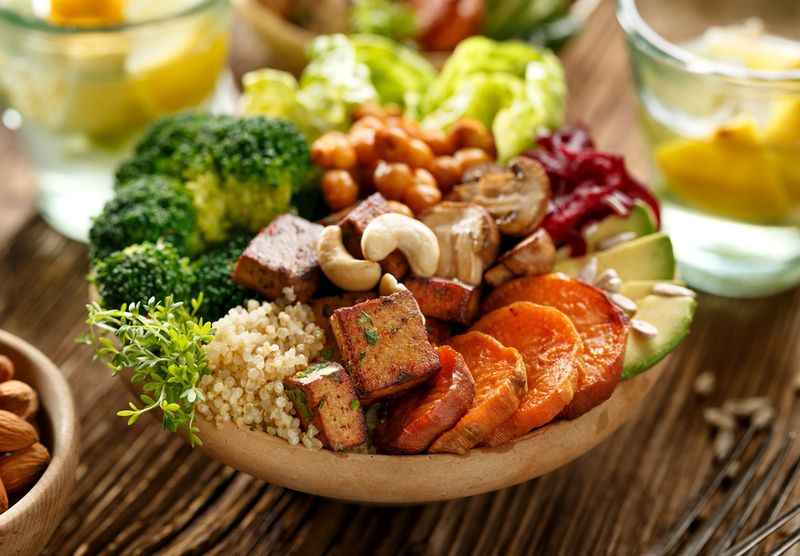
When you start eating more plants, your vitamin and mineral profile changes in ways you might not expect. You'll likely get more folate, magnesium, and vitamin C from all those vegetables and legumes, but certain nutrients like B12, iron, and zinc require a bit more attention since they're naturally abundant in meat.
The iron found in spinach and lentils isn't absorbed quite as easily as the type in beef, so pairing these foods with vitamin C-rich options like peppers or tomatoes helps your body take in more. Many people find fortified foods like plant milks and nutritional yeast become pantry staples to fill potential gaps.
Changes In Protein Sources And Quality
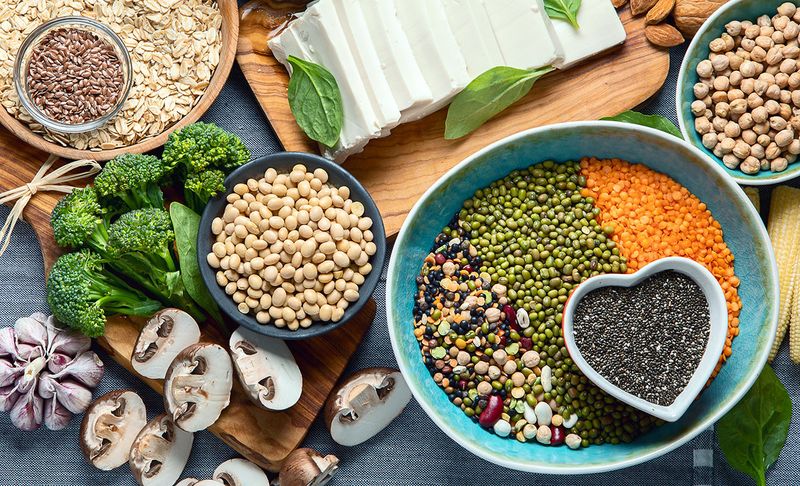
Protein doesn't disappear when you ditch meat – it just comes from different places. Beans, lentils, tofu, tempeh, and even good old British-grown peas pack a proper protein punch, though you'll need to eat a wider variety to get all the essential amino acids your body needs.
Unlike meat, which contains all nine essential amino acids in one go, most plant proteins are incomplete on their own. Combining foods throughout the day – like beans on toast or hummus with pitta – naturally covers all your bases without much fuss or planning.
Effects On Digestive Health And Fibre Intake
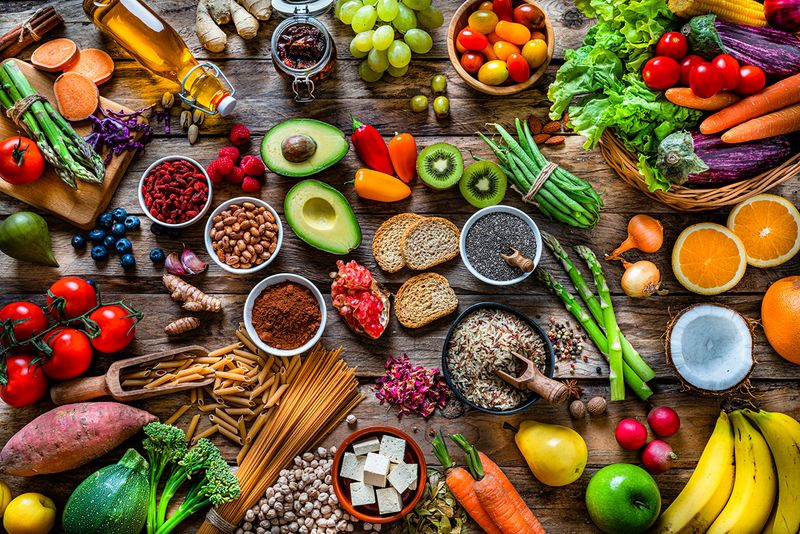
Your gut might throw a bit of a party once you start eating more plant-based foods. Fibre intake tends to skyrocket since vegetables, fruits, whole grains, and pulses are loaded with the stuff, which meat contains precisely none of.
This extra fibre feeds the beneficial bacteria in your digestive system and keeps everything moving along nicely. However, if you're not used to it, ramping up fibre too quickly can cause bloating and discomfort, so it's worth increasing gradually whilst drinking plenty of water to let your system adjust comfortably.
Potential Impacts On Energy Levels

Energy levels can be a bit unpredictable when you first make the switch. Some people feel lighter and more energised almost immediately, whilst others might experience temporary fatigue if they're not getting enough calories, protein, or iron from their new diet.
Plant-based meals tend to be less calorie-dense than meat-heavy ones, so you might need to eat larger portions or snack more frequently to maintain your energy throughout the day. Paying attention to balanced meals with adequate carbs, protein, and healthy fats helps keep your energy steady and prevents that mid-afternoon slump.
How Your Heart Health Might Benefit
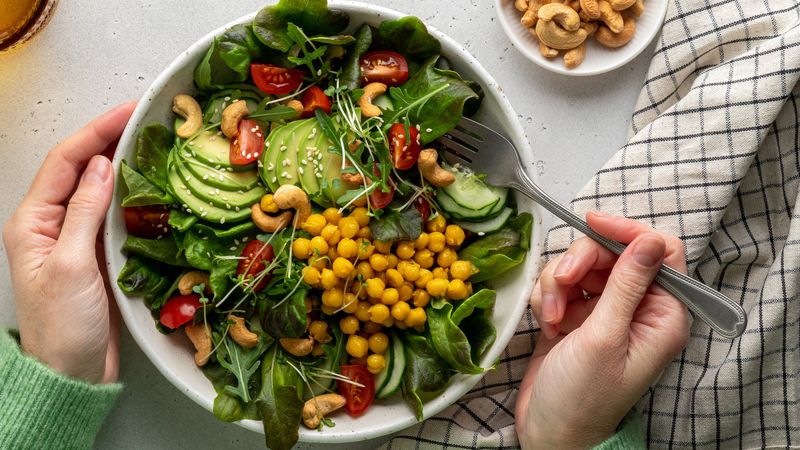
Your ticker might thank you for going plant-based, as research consistently shows that eating more plants and less meat can lower cholesterol levels and reduce the risk of heart disease. Plant foods contain zero cholesterol and are typically lower in saturated fat compared to meat and dairy products.
According to nutritionists, the fibre, antioxidants, and healthy fats found in plant-based diets work together to support cardiovascular health. Swapping your usual bacon sarnie for avocado toast or choosing bean chilli instead of beef can make a genuine difference to your heart over time.
Environmental Benefits Of Eating Plant-Based
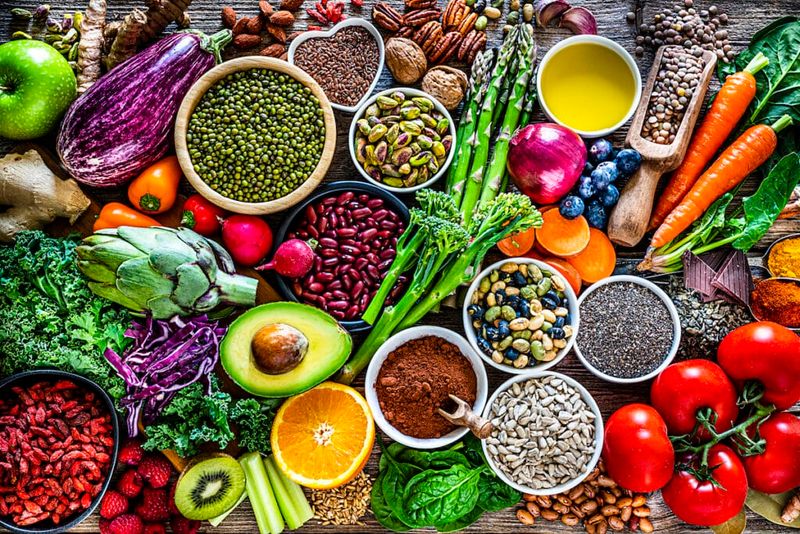
Beyond personal health, your food choices ripple outward in surprising ways. Producing plant-based foods generally requires less land, water, and energy compared to raising livestock, which means a smaller carbon footprint for your weekly shop.
The meat industry contributes significantly to greenhouse gas emissions, deforestation, and water pollution. Even reducing meat consumption by a few meals per week can collectively make a measurable environmental impact. Shopping for seasonal British vegetables and locally grown pulses further reduces transport emissions whilst supporting UK farmers and producers.
Practical Tips For Making The Swap Easier
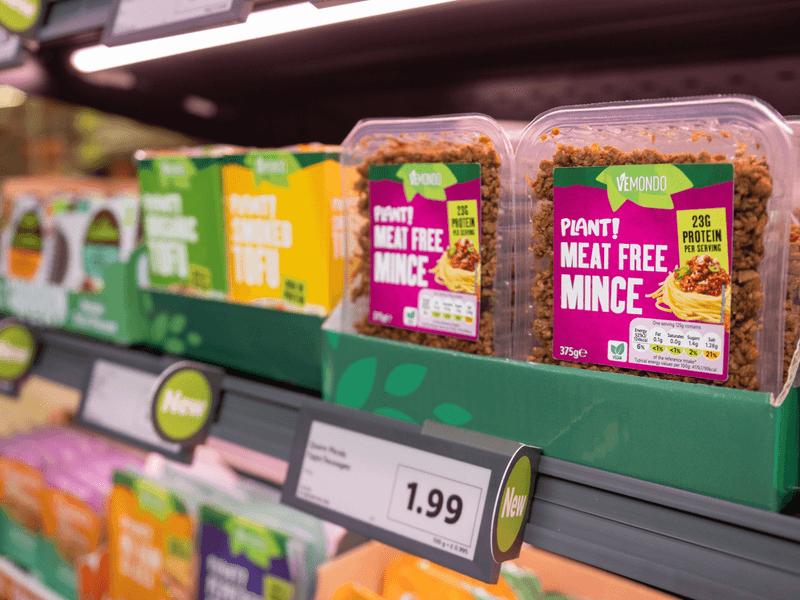
Making the transition doesn't have to be an all-or-nothing affair. Starting with familiar dishes you already enjoy – like swapping mince for lentils in your spag bol or trying plant-based sausages with your Sunday roast – makes the change feel less daunting.
Stock your cupboards with versatile staples like tinned beans, pasta, rice, and frozen vegetables so you're never caught short at dinnertime. Exploring the growing range of plant-based options at UK supermarkets like Tesco, Sainsbury's, and Waitrose can introduce you to new favourites without much effort or expense.