










When we picture medieval dining, we often imagine grand banquets with roasted meats and overflowing goblets - but everyday meals looked very different for most Brits. From pottage bubbling over open fires to bread that doubled as a plate, food back then reflected class, climate, and clever resourcefulness. What people ate revealed not just their status, but how they survived in a world without fridges, forks, or fast food.
This article is for general informational and historical interest only. Details are based on research from historical sources, and recipes, ingredients, and interpretations may vary. Photos are for illustrative purposes only.
1. Pottage (Vegetable Or Grain Stew)
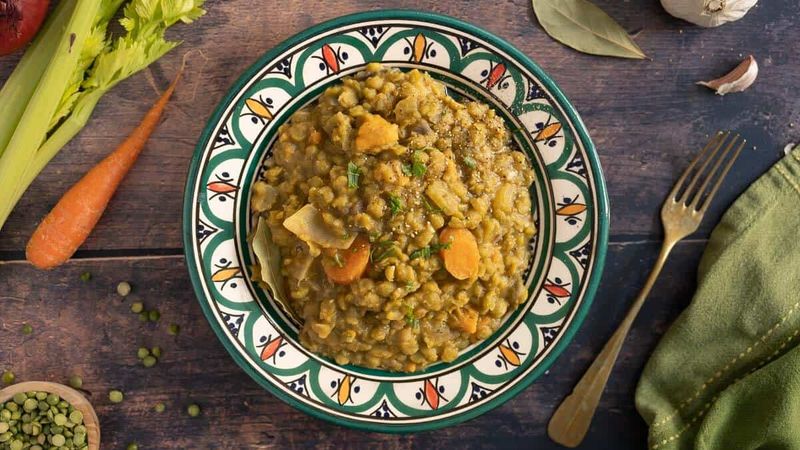
Medieval families ate this thick, warming stew almost every single day. Cooks threw in whatever vegetables, grains, or scraps they had on hand - turnips, onions, oats, or barley.
The pot bubbled over the fire for hours, making the house smell delicious. Pottage filled bellies cheaply and stretched ingredients far, which mattered when money was scarce and winters were brutal.
2. Rye Or Barley Bread
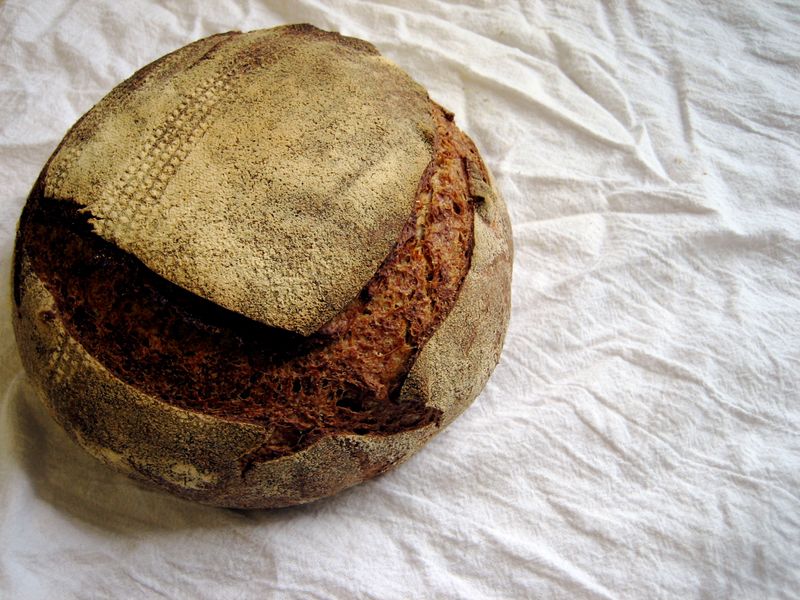
Forget soft, white bread - that was only for the wealthy. Commoners baked dense, dark loaves from rye or barley, which were cheaper and easier to grow in Britain's damp climate.
The bread was heavy, chewy, and sometimes gritty, but it provided essential energy. Families ate it with nearly every meal, often dipping it into pottage or soup.
3. Salted Or Smoked Fish
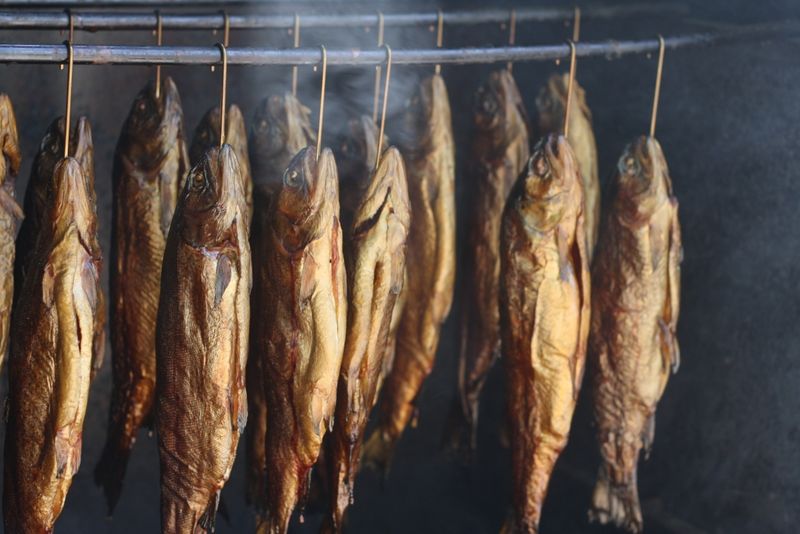
Coastal villages and riverside towns relied heavily on fish, especially herring and cod. Salting and smoking preserved the catch for months, making it a reliable protein source year-round.
Fresh fish spoiled quickly without refrigeration, so preservation was crucial. Even inland communities bought salted fish from travelling merchants, adding vital nutrients to their otherwise plain diets.
4. Cabbage And Root Vegetables
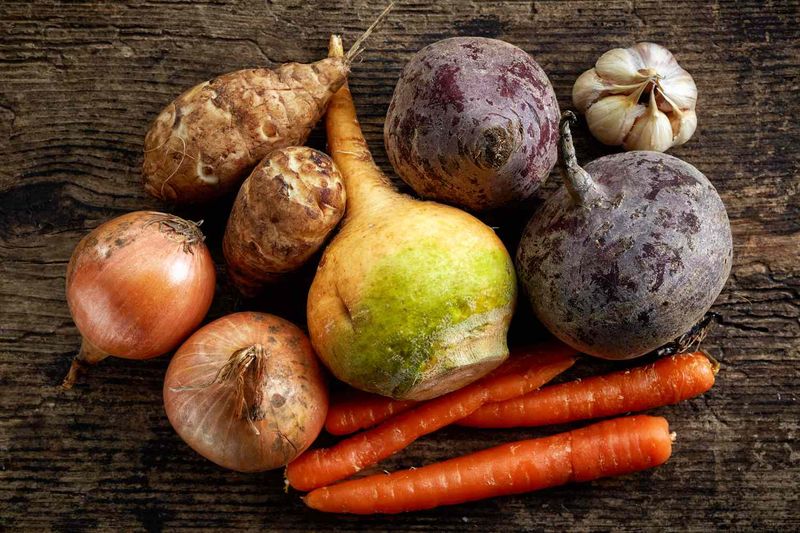
Hardy vegetables like cabbage, turnips, parsnips, and carrots grew well in Britain's cool, wet weather. Peasants cultivated small garden plots near their homes, harvesting these vegetables throughout autumn.
Root vegetables stored brilliantly in cool cellars, providing vital nutrition during winter months when fresh food was scarce. Boiled, roasted, or tossed into pottage, they appeared constantly on medieval tables.
5. Oat Porridge
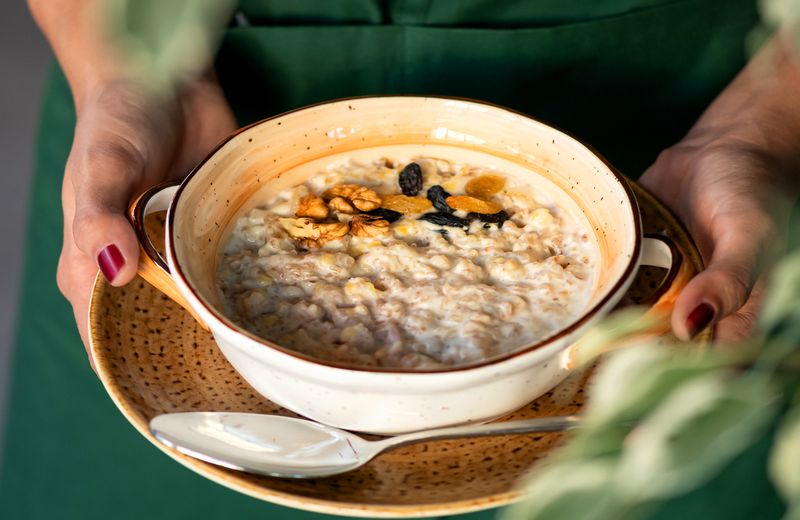
Starting the day with a warm bowl of oat porridge gave medieval workers the energy they needed for backbreaking labour. Oats grew abundantly in northern Britain, making porridge an affordable breakfast staple.
Cooked with water or milk, it was plain but nourishing. Sometimes people added a bit of honey or dried fruit for sweetness, though most ate it plain and simple.
6. Hard Cheese
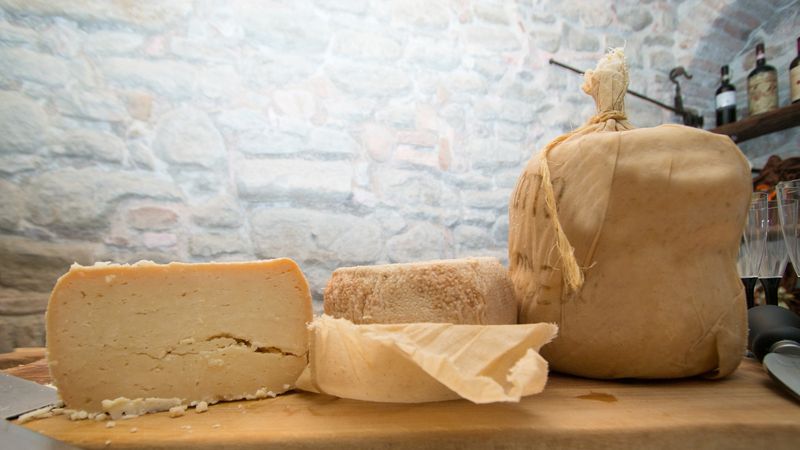
Cheesemaking turned surplus milk into something that lasted for months without spoiling. Hard cheeses were salty, crumbly, and packed with protein - perfect for workers who needed portable, filling food.
Farmers made cheese from cow, sheep, or goat milk, depending on what animals they kept. A chunk of cheese with bread made a simple, satisfying meal during long days in the fields.
7. Fresh Or Salted Pork
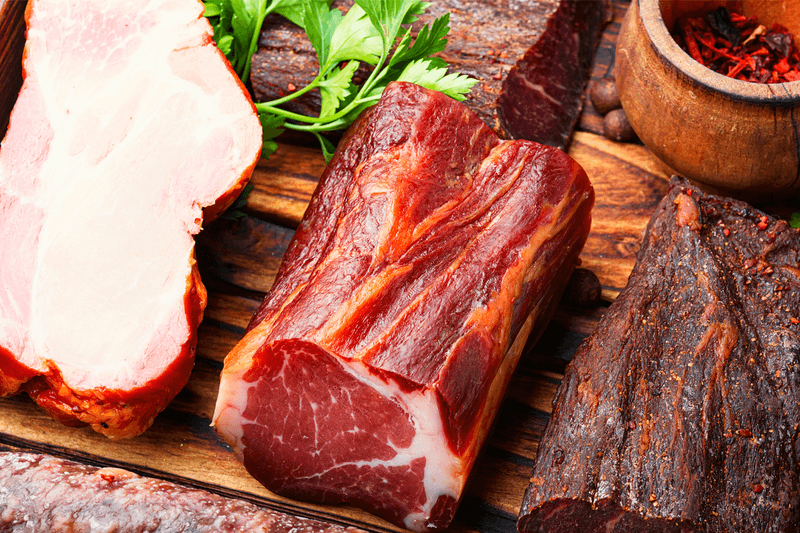
Pigs were valuable animals because they ate almost anything and provided plenty of meat. Families kept pigs in small pens, fattening them up before slaughtering them in autumn.
Fresh pork was a rare treat, usually saved for special occasions. Most pork was salted or smoked to preserve it through winter, ensuring families had protein when other food ran low.
8. Dried Peas And Beans
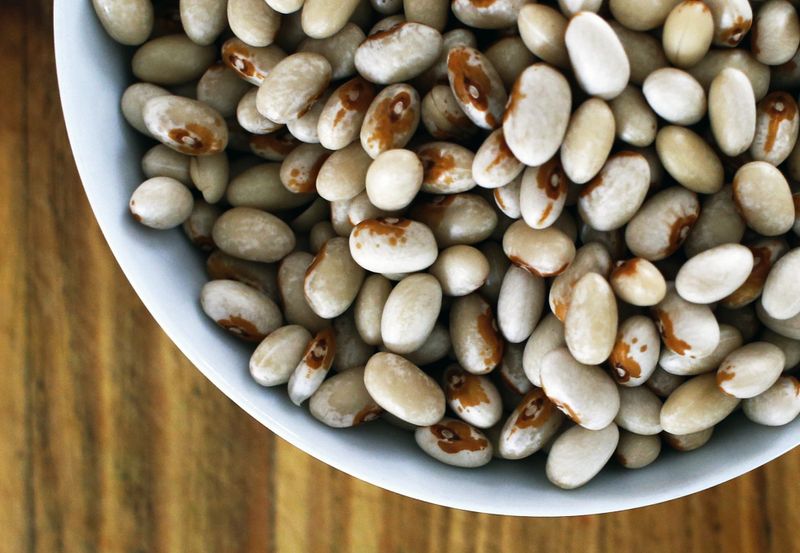
Legumes like peas and beans were lifesavers during lean times. Dried and stored in sacks, they lasted for years and provided essential protein when meat was scarce or unaffordable.
Cooks soaked them overnight, then boiled them into thick, hearty stews. Combined with grains and vegetables, they created complete, nourishing meals that sustained entire families through harsh winters.
9. Honey And Seasonal Fruits
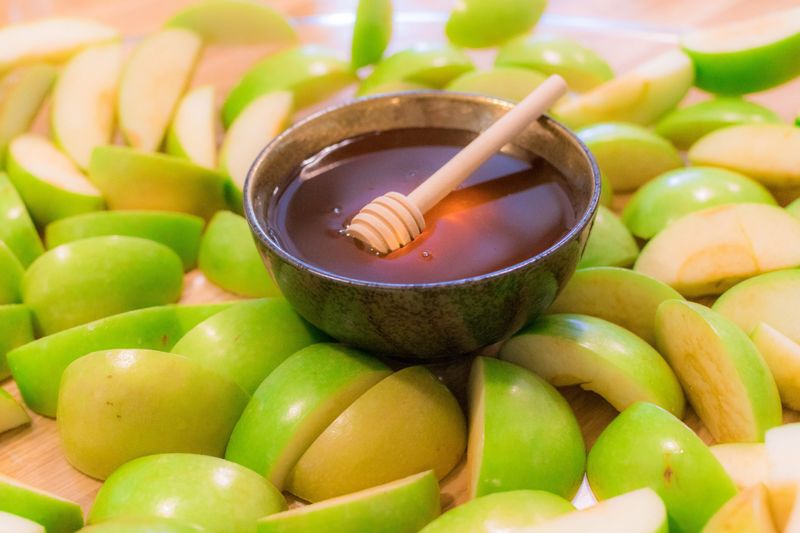
Before sugar arrived from distant lands, honey was the only sweetener available. Beekeepers tended hives carefully, collecting honey to sweeten porridge, bread, or preserve fruits for winter.
Apples, pears, plums, and berries grew wild or in small orchards. Families ate them fresh during harvest season, then dried or preserved the rest in honey to enjoy throughout the year.