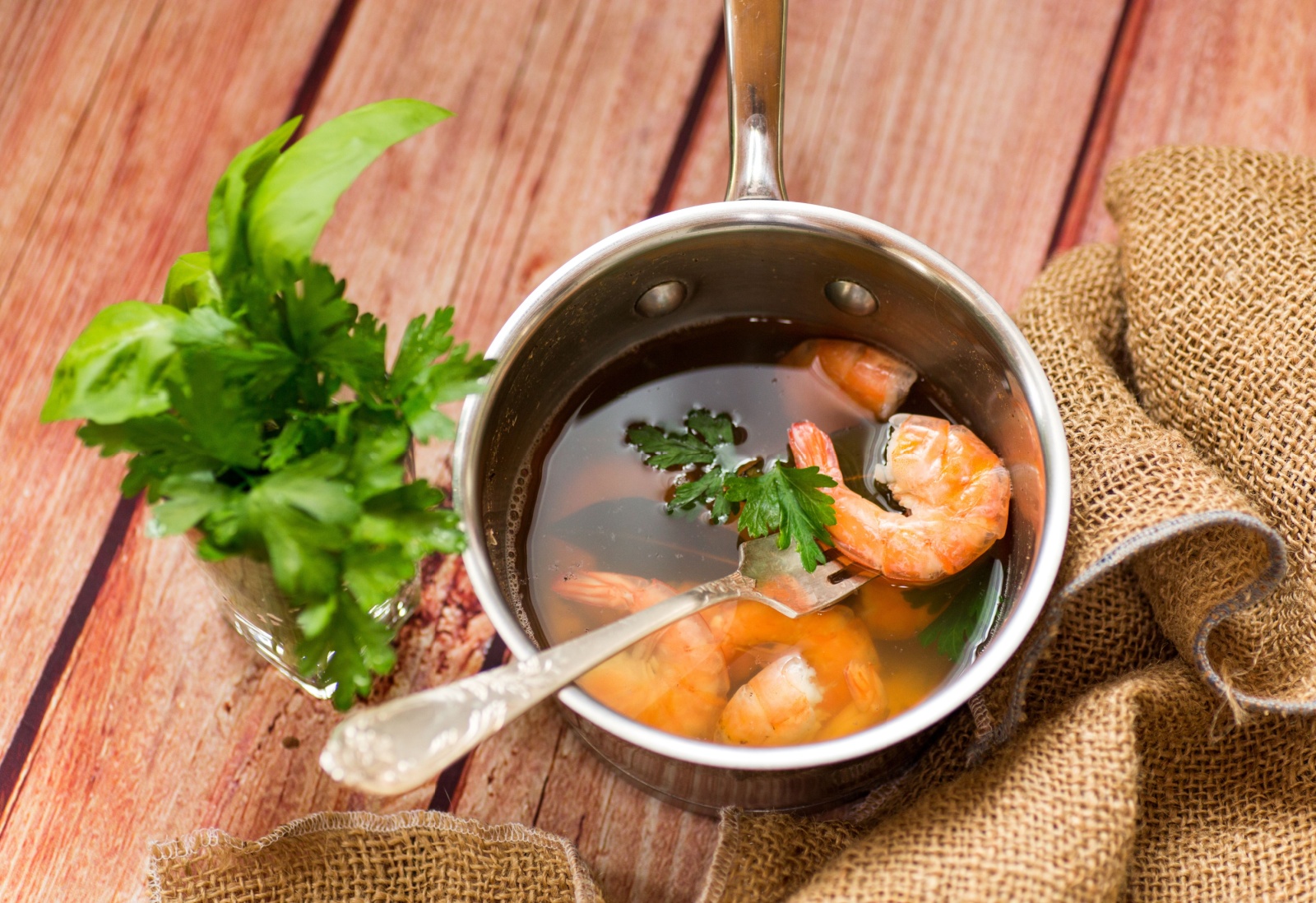










If you’ve ever tossed raw shrimp into a pan or dropped them into boiling water, you’ll have noticed the magic trick: those dull, grayish shells suddenly turn a vibrant pink and the flesh firms up. It feels almost like watching nature flip a switch. So what’s really going on behind this colour change?
The explanation here is drawn from trusted culinary science sources and long-standing food research, but it’s written in plain language for everyday cooking rather than as a technical lab report.
The Role Of Pigments
Shrimp get their pink tones from a natural pigment called astaxanthin. When they’re alive, this pigment is locked away by proteins that keep it hidden, giving raw shrimp their bluish-gray appearance.
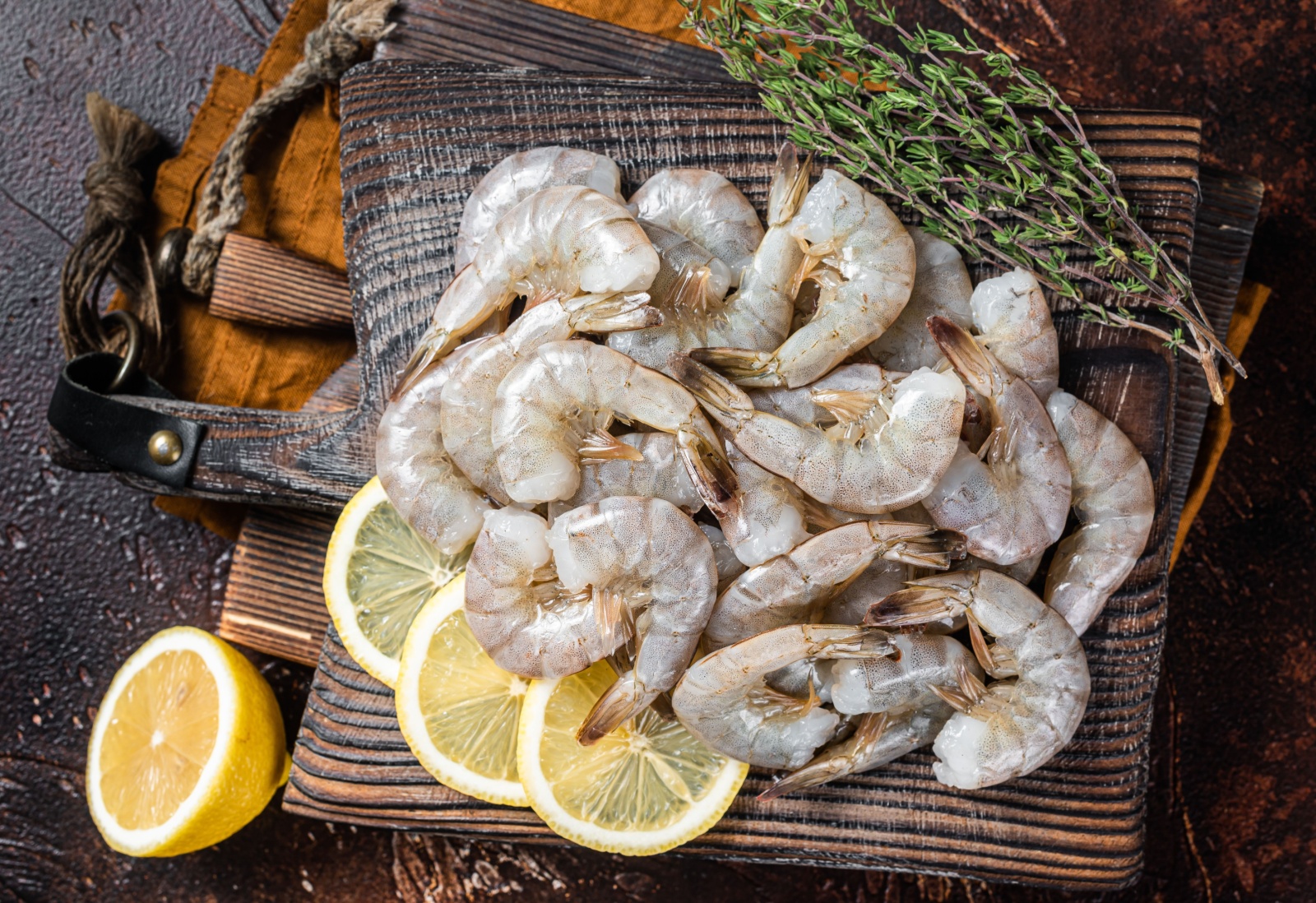
Once you apply heat, those proteins unravel and release the pigment, which is why the pink colour suddenly appears. Interestingly, astaxanthin is the same pigment that gives flamingos their rosy feathers (they eat crustaceans rich in it). In shrimp, it just takes a bit of cooking to reveal.
What Heat Does To Texture
The colour change is just part of the story. Cooking also alters the proteins in shrimp flesh itself. Heat makes them contract, which is why shrimp curl into a “C” shape and become firmer to the bite.
Go too far, though, and the proteins tighten too much, leaving you with rubbery seafood – one of the quickest ways to ruin a prawn dish.
Why This Matters In The Kitchen
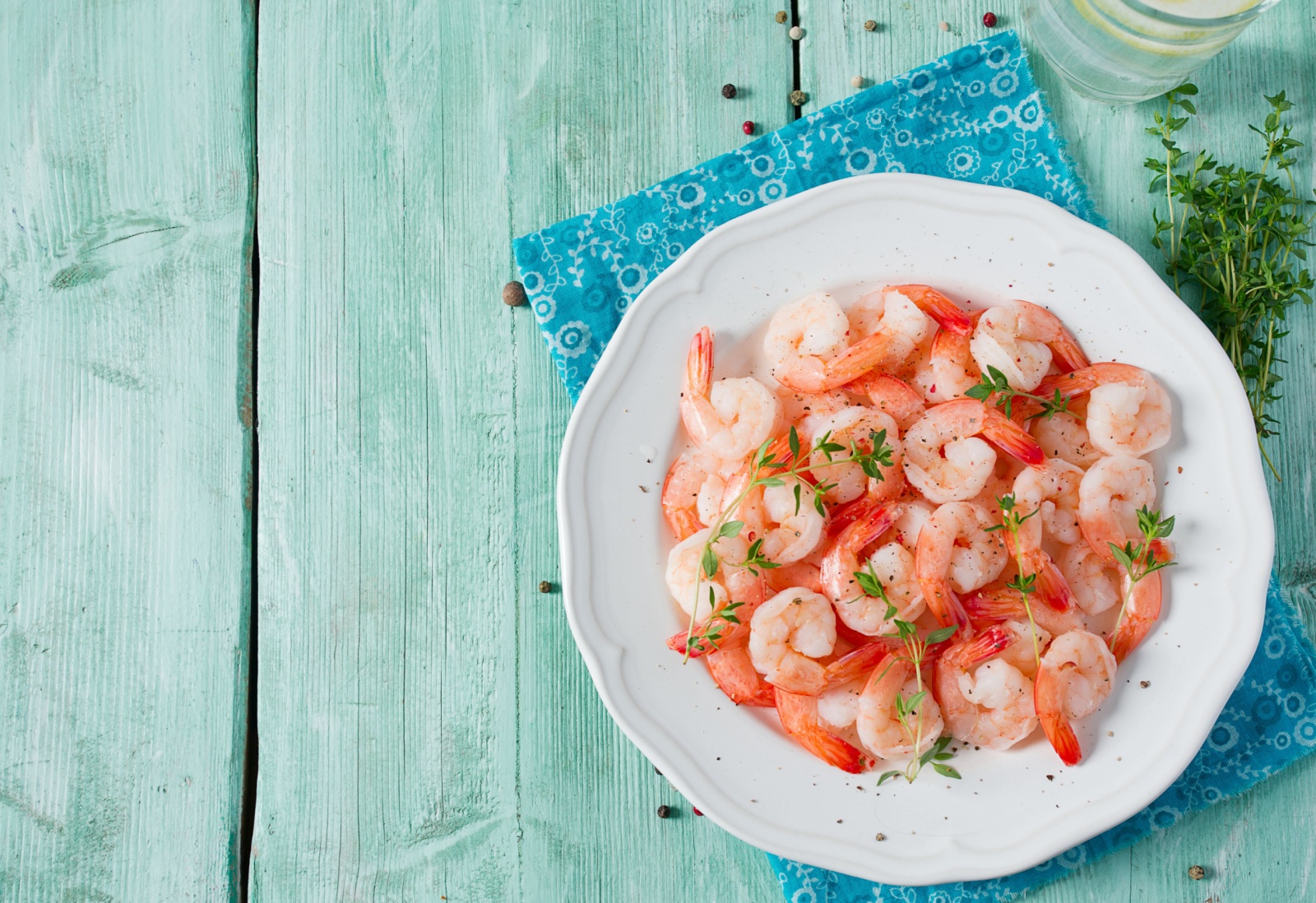
Knowing about the colour change isn’t just trivia: it’s useful. That shift from gray to pink is a built-in doneness signal. Once the flesh is opaque and the shell a bright pink, the shrimp are cooked.
There’s no need for poking around with a thermometer or second-guessing. It’s nature’s way of letting you know dinner’s ready.
Shrimp Science Made Simple
Shrimp don’t just change colour for show. It’s a sign of fascinating chemistry at work. Proteins release hidden pigments, heat firms the flesh, and you get something that’s as tasty as it is eye-catching. So the next time you’re cooking shrimp, you’ll know there’s a little science bubbling away in your pan along with the flavour.