









There’s something special about walking into a British pub and ordering a plate of food that feels like a warm hug.
It’s not about fine dining or fancy presentation - it’s about flavour, comfort, and a sense of belonging that you just don’t get anywhere else.
But what exactly makes pub grub so different from what you’d find in a restaurant? Let’s tuck in and find out.
This article is for general information only. Pub menus and ingredients vary widely across the UK, and nutritional values depend on preparation and portion sizes.
A Focus On Hearty, Comforting Classics
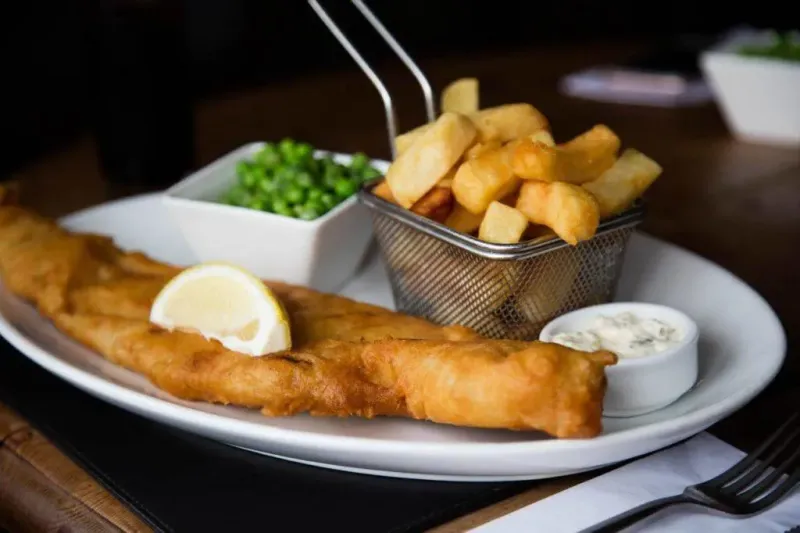
Walk into any British pub and you'll find menus filled with timeless favourites that warm both body and soul.
Fish and chips, shepherd's pie, and bangers and mash dominate the offerings, each dish perfected over generations.
These aren't fancy creations meant to impress with complicated techniques.
Instead, they focus on simple ingredients combined in ways that satisfy hunger and bring comfort.
Restaurants might experiment with trendy fusion dishes or molecular gastronomy.
Pubs stick to what works, delivering reliable meals that feel like home cooking on a larger scale.
The Relaxed Atmosphere And Social Setting
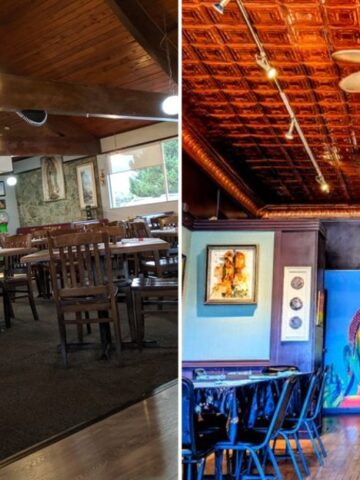
Forget about white tablecloths and hushed conversations - pub dining thrives on casual energy and friendly chatter.
Customers sit on well-worn wooden benches, often sharing tables with strangers who quickly become friends.
The noise level rises with laughter and conversation, creating a lively backdrop for meals.
Nobody judges if you eat with your elbows on the table or take your time finishing.
Restaurants demand certain etiquette and formality.
Pubs welcome everyone as they are, making dining feel less like an event and more like spending time with mates.
Locally Sourced Ingredients And Seasonal Menus
Many British pubs proudly partner with nearby farms and suppliers, bringing the freshest ingredients straight from the countryside to your plate.
Seasonal vegetables appear when they're naturally ready, not flown in from distant countries.
Chalkboard menus change throughout the year, reflecting what's currently growing in local fields.
Spring might bring tender asparagus, whilst autumn features hearty root vegetables and game.
This farm-to-table approach existed in pubs long before it became fashionable in upscale restaurants.
Supporting local producers remains a core value rather than a marketing strategy.
Community Spirit Over Formal Dining
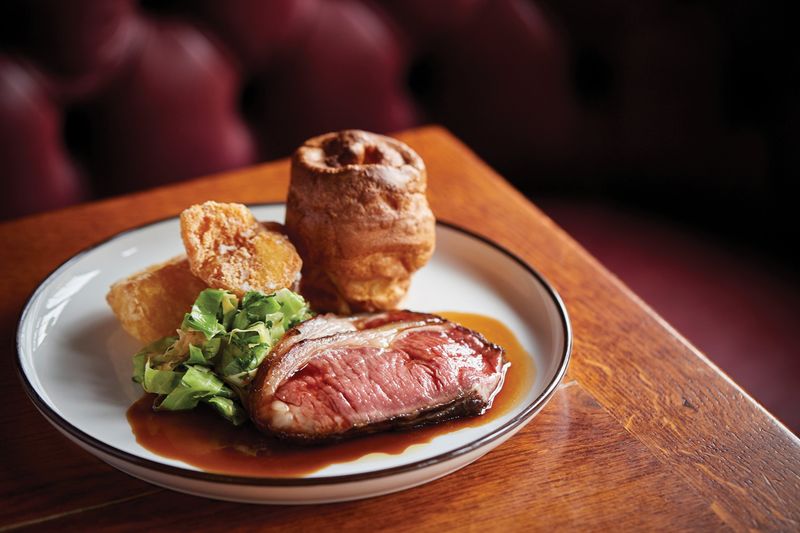
British pubs serve as village living rooms where neighbours gather, creating dining experiences built on fellowship rather than fine dining protocols.
Regulars know each other's names and usual orders, fostering genuine connections.
Staff members chat with customers like old friends, remembering previous visits and asking about families.
Children play in designated areas whilst adults enjoy meals, making pubs genuinely family-friendly spaces.
Restaurants maintain professional distance between servers and diners.
Pubs blur these lines intentionally, building communities around shared tables and shared meals that nourish relationships alongside bodies.
Traditional Dishes With A Homemade Feel
Pub kitchens operate more like your nan's kitchen than professional restaurant operations.
Pies arrive with slightly uneven pastry tops, showing they were hand-crimped rather than factory-produced.
Gravies simmer slowly throughout the day, developing deep flavours that instant mixes can't replicate.
Vegetables might not be cut into perfect uniform pieces, but they taste better for their rustic charm.
This homemade quality creates authentic connections between diners and their meals.
Restaurants often prioritise presentation perfection, whilst pubs value taste and tradition above Instagram-worthy plating.