








Christmas dinner has evolved dramatically over the past century – reflecting the times, the tastes, and the traditions of each generation.
From humble wartime meals made with limited rations to today’s lavish, social media-ready spreads, every decade has added its own flavour to the festive table.
What once featured boiled puddings and preserved fruit has transformed into global menus filled with variety and flair.
Looking back at holiday food through the decades reveals not just what we ate, but how Britain itself has changed.
All information in this article has been sourced from reputable historical and culinary references available online.
It is provided for general interest only.
Taste, presentation, and availability may vary over time.
Photos are for illustrative purposes only.
The 1920s – A Decade Of Glamour And Gilded Feasts
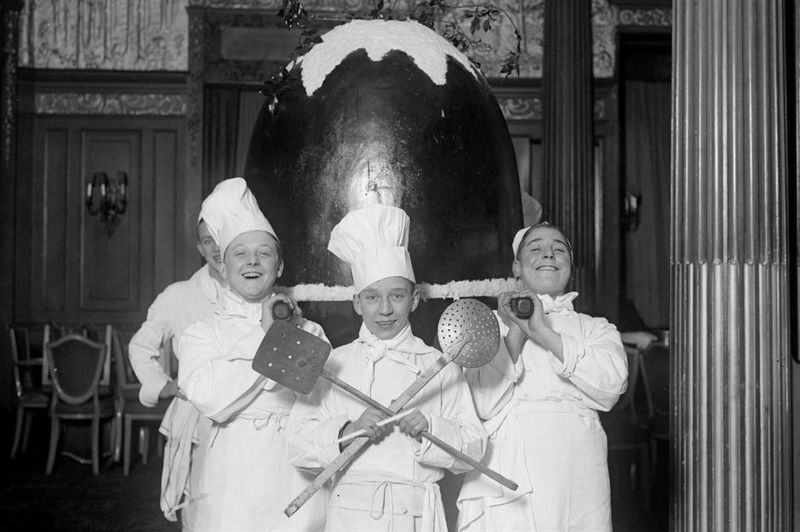
Roast goose ruled the table when the well-to-do gathered for Christmas in the twenties, often accompanied by oysters as a starter – yes, they were cheap back then.
Elaborate jellies shaped like castles or fruit baskets became centrepieces, whilst syllabub and trifle competed for the title of most decadent pudding.
The wealthy showed off with aspic-covered savouries and intricate sugar work.
For working-class families, a joint of beef or mutton was the goal, though not always achievable.
This era celebrated excess for those who could afford it, with presentation mattering almost as much as taste.
The 1930s – Frugal Festivities In Hard Times
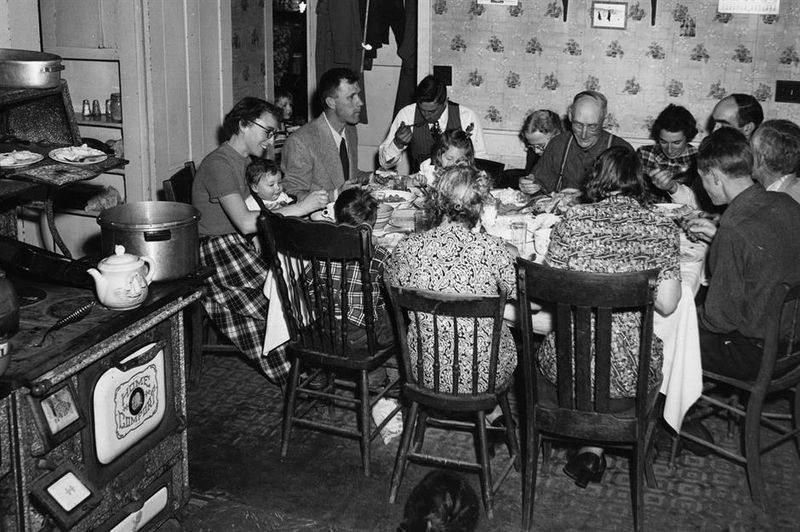
Economic hardship meant families had to get creative with what little they had during the Depression years.
Chicken replaced goose for many households, whilst some made do with rabbit or even just a larger-than-usual Sunday roast.
Christmas pudding remained sacred, though ingredients were stretched with grated carrot and breadcrumbs taking the place of pricier dried fruit.
Mock marzipan made from haricot beans fooled no one but saved pennies.
Women's magazines promoted thrifty recipes that promised festive cheer without breaking the bank, and communities often pooled resources to ensure everyone had something special.
The 1940s – Wartime Rations And Creative Substitutes
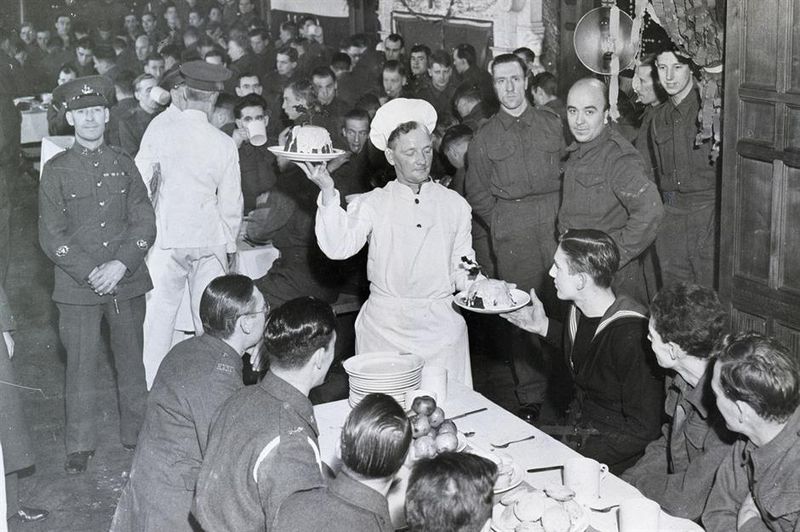
Rationing turned Christmas dinner into an exercise in imagination and determination.
Mock goose – essentially a potato and sage concoction – became famous, whilst carrot flan masqueraded as something more luxurious.
Families saved their ration coupons for weeks to afford dried fruit for pudding, and some even kept chickens illegally to secure a proper roast.
The Ministry of Food issued special festive recipes that made the best of tinned Spam and powdered egg.
Despite shortages, the spirit of celebration persisted, with neighbours sharing what they had and making do with remarkable cheerfulness.
The 1950s – Jelly Moulds And Postwar Indulgence
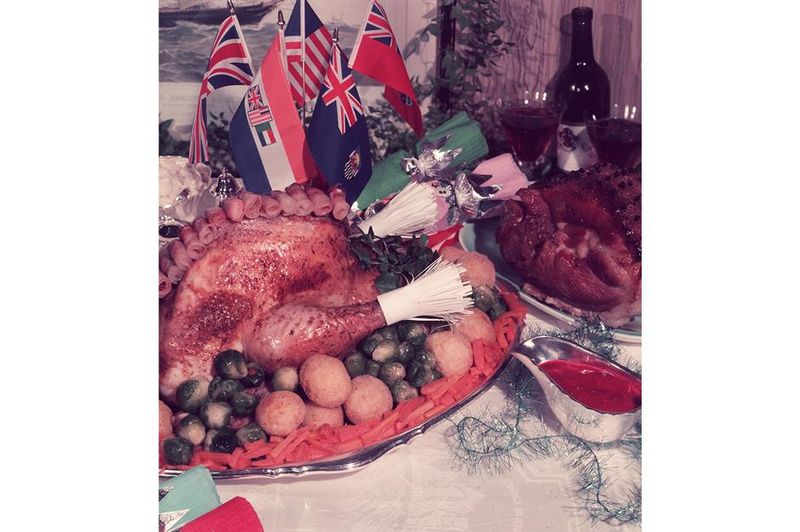
Rationing finally ended, and British families embraced abundance with enthusiasm bordering on the excessive.
Turkey started replacing traditional meats, partly because American culture influenced postwar Britain.
Prawn cocktail became the height of sophistication, whilst tinned fruit cocktail in jelly appeared at nearly every gathering.
Packet trifle mix and instant desserts promised convenience to housewives who'd spent years making everything from scratch.
Presentation mattered enormously, with geometric jelly moulds and carefully arranged garnishes showing off newfound prosperity.
This decade celebrated having enough after years of scarcity.
The 1960s – Modern Convenience Hits The Christmas Table
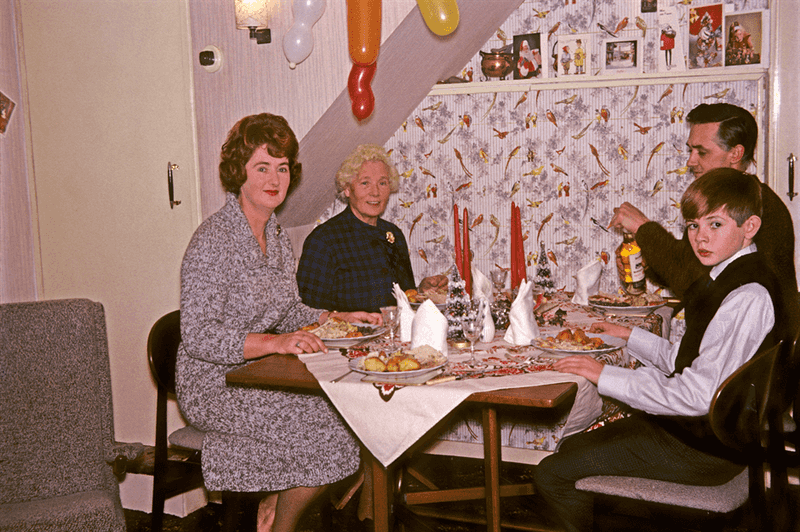
Frozen food revolutionised festive cooking, with Birds Eye and Findus becoming household names.
Packet stuffing, instant gravy, and tinned vegetables saved hours of preparation time.
Gammon with pineapple rings – decorated with glacé cherries, naturally – became wildly fashionable.
The electric mixer meant meringues and whipped cream featured heavily.
Vesta curries and other exotic ready meals occasionally appeared as adventurous starters.
Convenience was king, and women's magazines promised that you could prepare Christmas dinner in half the time your mother took, leaving more hours for family and less for the kitchen.
The 1970s – Bold Colours, Fondue, And Pineapple Rings
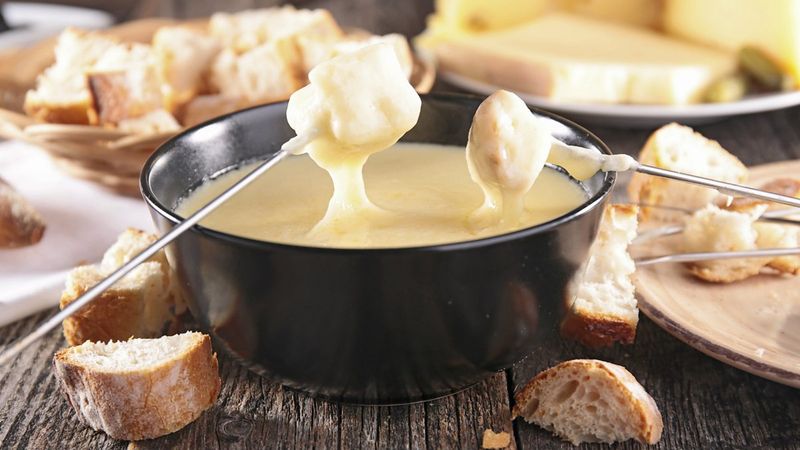
Fondue sets became essential Christmas gifts, and cheese or chocolate versions appeared at nearly every party.
Vol-au-vents filled with prawns or mushrooms were passed around like currency.
Black Forest gateau challenged trifle's dominance as the pudding of choice.
The famous cheese and pineapple hedgehog – chunks speared on cocktail sticks and stuck into a foil-covered potato or grapefruit – graced buffet tables nationwide.
Presentation leaned towards the garish, with bright colours and geometric arrangements.
This decade embraced international influences whilst keeping a distinctly British sense of occasion.
The 1980s – Luxury Brands And Dinner Party Decadence
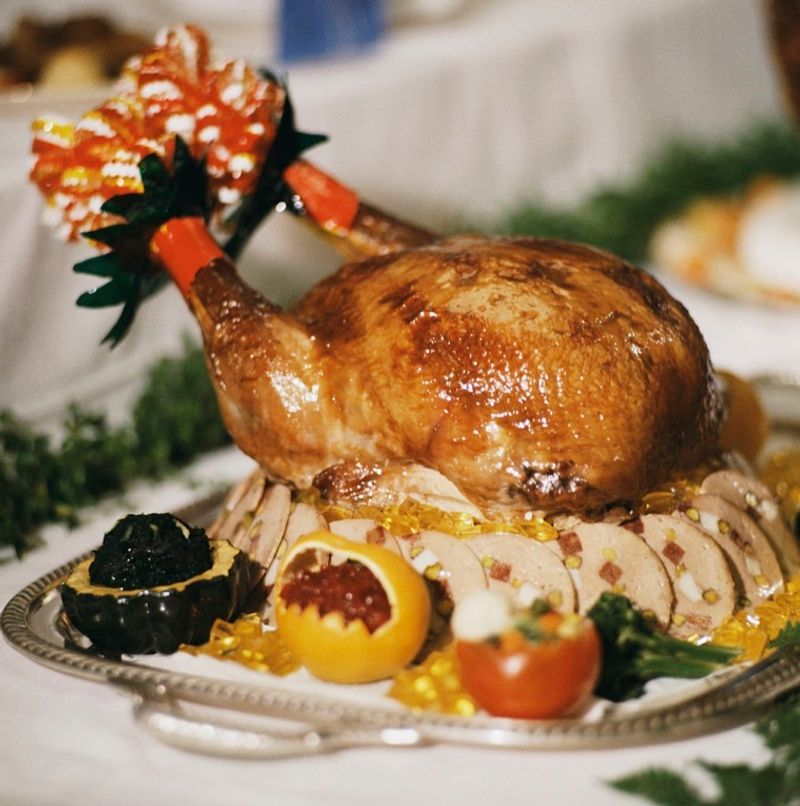
Marks and Spencer's premium range transformed Christmas shopping, with ready-made luxury becoming aspirational.
Smoked salmon blinis replaced prawn cocktail as the sophisticated starter.
Beef Wellington and salmon en croute showed off culinary ambition without requiring actual skill.
Profiteroles stacked into pyramids competed with pavlova for dessert supremacy.
Dinner parties mattered enormously, and presentation reached new heights of fussiness.
This era celebrated conspicuous consumption, with brand names and elaborate spreads signalling success.
The microwave became a kitchen staple, though admitting you'd used it was still slightly shameful.
The 1990s – Frozen Classics And Festive Nostalgia
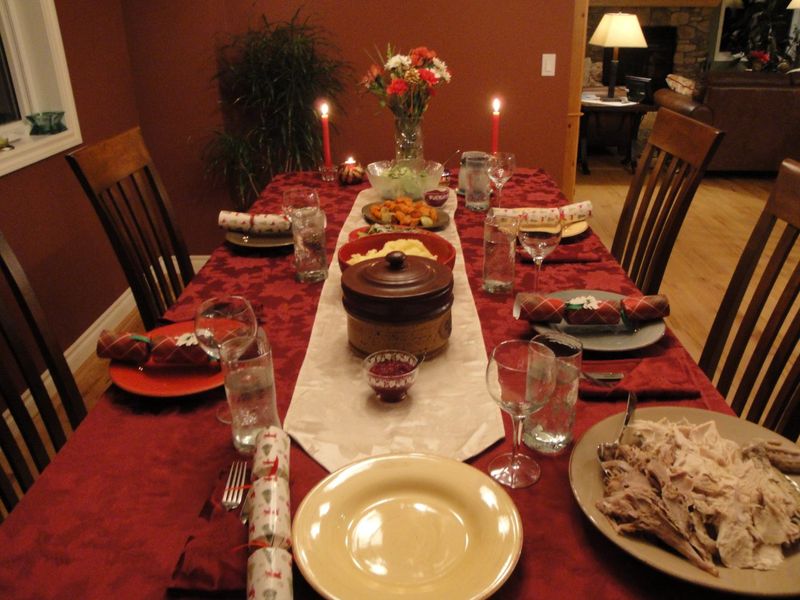
Iceland and other frozen food specialists made entertaining accessible to everyone with their party food ranges.
Mini kievs, potato waffles, and oven chips appeared alongside the turkey without apology.
Turkey crowns gained popularity as smaller families rejected cooking massive birds.
Arctic roll made a nostalgic comeback, whilst Viennetta represented affordable sophistication.
Ready-made cranberry sauce from a jar became standard, and nobody pretended otherwise.
This decade embraced convenience culture fully, with less pretension than the eighties.
Families prioritised spending time together over slaving in the kitchen.
The 2000s – Celebrity Chefs Redefine Christmas Cooking
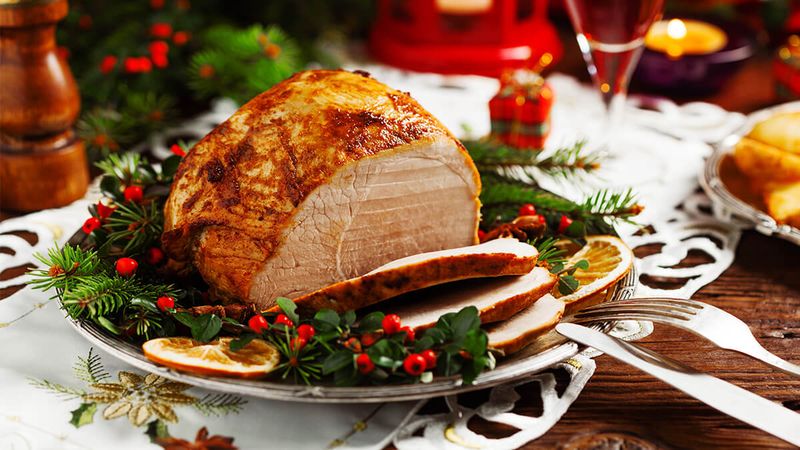
Jamie, Nigella, and Delia became household names, convincing ordinary people they could cook restaurant-quality meals.
Pigs in blankets evolved from simple sausages to chipolatas wrapped in streaky bacon, becoming non-negotiable.
Organic, free-range everything mattered suddenly, with provenance becoming part of dinner conversation.
Bread sauce gained respect after years of mockery.
Chocolate fondants and other technically challenging puddings appeared on home tables.
Waitrose and M&S battled for middle-class loyalty with increasingly elaborate ready-meal options.
This era made cooking aspirational again, blending tradition with modern techniques.
The 2010s – Instagram-Ready Platters And Plant-Based Feasts
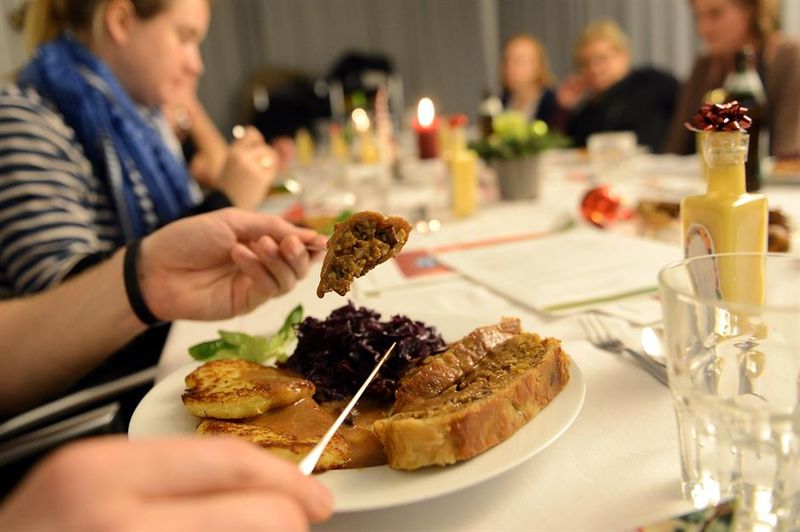
Social media transformed how we present food, with aesthetics sometimes mattering more than taste.
Grazing boards and sharing platters replaced formal plating.
Vegan and vegetarian options moved from afterthought to centrepiece, with nut roasts becoming genuinely desirable.
Waitrose Heston range brought molecular gastronomy to supermarket shelves.
Brussels sprouts finally got respect thanks to recipes involving bacon and chestnuts.
Plant-based milk alternatives meant vegans could enjoy proper trifle.
This decade celebrated diversity and presentation equally, with everyone's dietary requirements finally acknowledged.
Photographing your plate became standard behaviour.
The 2020s – Air Fryers, Viral Recipes, And Global Fusion Feasts
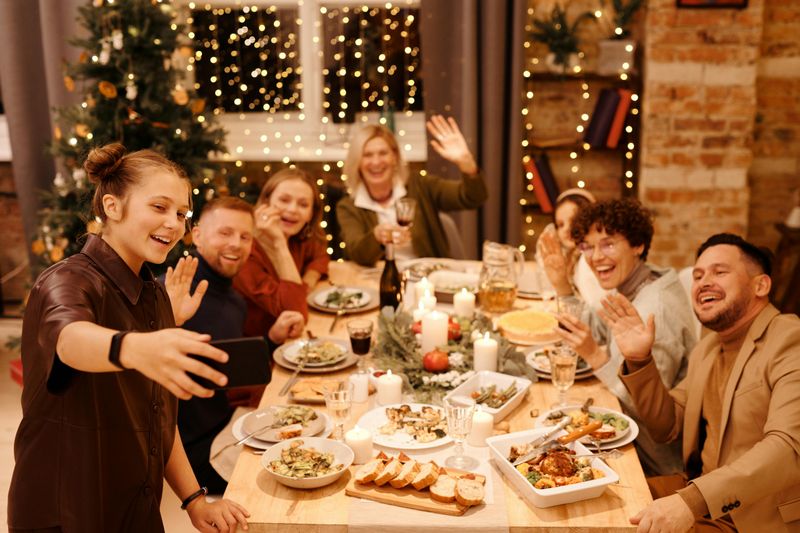
Air fryers became the kitchen appliance everyone suddenly owned, promising crispy results with less effort.
TikTok and Instagram Reels spread viral recipes faster than traditional cookbooks ever could.
Fusion dishes blending British tradition with global flavours – Korean glazed turkey, Indian-spiced sprouts – gained mainstream acceptance.
Sustainability concerns influenced choices, with many reducing meat portions or choosing local suppliers.
Ready-meal technology reached impressive heights, with supermarket offerings rivalling restaurant quality.
This decade embraces experimentation whilst respecting tradition, with technology and global influences shaping how we celebrate.
Flexibility matters most now.