











Cheese is a staple in many diets – creamy, comforting, and irresistibly versatile. Whether it’s melting over toast or sneaking into your midnight snack, it’s hard to resist.
But eating it every day can have mixed effects on your body.
Some are surprisingly good for your bones and gut health, while others might give you pause before reaching for another slice. Here’s what really happens when cheese becomes part of your daily routine.
This article is for general informational purposes only and should not replace professional dietary or medical advice. Nutritional values and effects may vary depending on portion size, cheese type, and individual health needs.
1. You Get A Boost Of Calcium For Stronger Bones
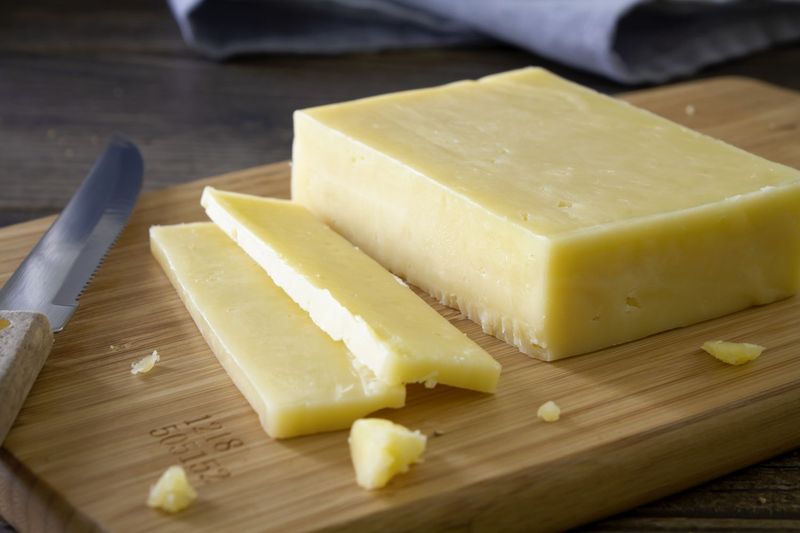
Ever wondered why your nan always banged on about drinking milk? Calcium is the reason, and cheese delivers it in spades. A single 30-gram chunk of Cheddar packs around 200 milligrams of the stuff, which is roughly a fifth of what adults need daily.
Your bones and teeth rely on calcium to stay dense and strong, especially as you age. Regular cheese munching can genuinely help reduce the risk of osteoporosis later in life. Just don't rely on it alone – pair it with weight-bearing exercise and vitamin D for the full package.
2. Your Gut Health May Improve Thanks To Probiotics
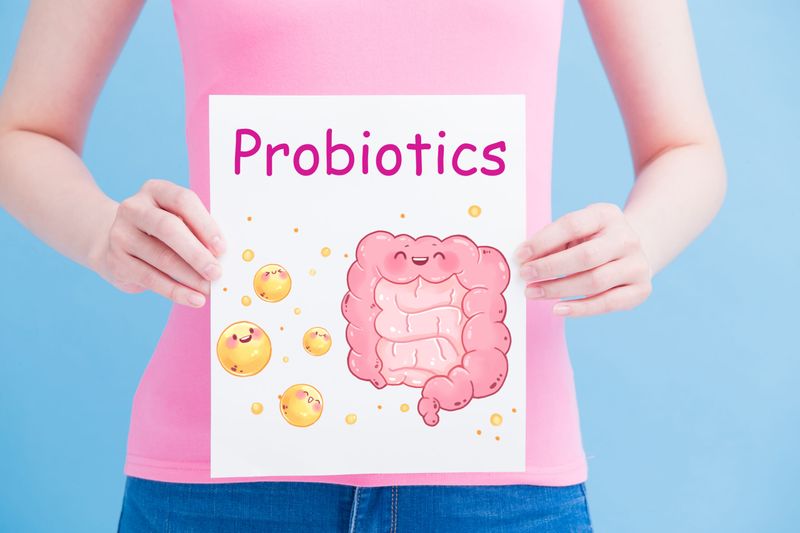
Not all cheeses are created equal when it comes to gut-friendly bacteria. Aged varieties like mature Cheddar, Stilton, and traditional Lancashire contain live cultures that can support your digestive system.
These probiotics help balance the good bacteria in your gut, which may improve digestion and boost your immune response. Nutritionists often recommend fermented foods for gut health, and cheese fits the bill nicely. Of course, processed cheese slices won't do much here – stick to the proper stuff from the cheese counter for maximum benefit.
3. You Might Experience Better Dental Health
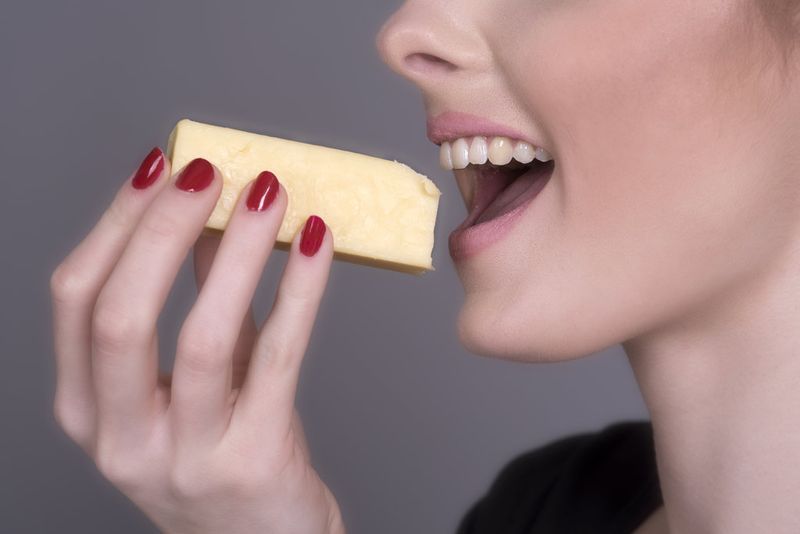
Here's a quirky one: munching cheese after meals might actually protect your teeth from cavities. The calcium and phosphorus in cheese help remineralise tooth enamel, whilst the act of chewing stimulates saliva production.
Saliva naturally washes away food particles and neutralises acids that cause decay. Studies have shown that cheese can raise the pH level in your mouth, creating a less acidic environment. So that bit of Wensleydale after dinner isn't just tasty – it's doing your gnashers a favour too.
4. You'll Get A Good Dose Of Protein And Fat
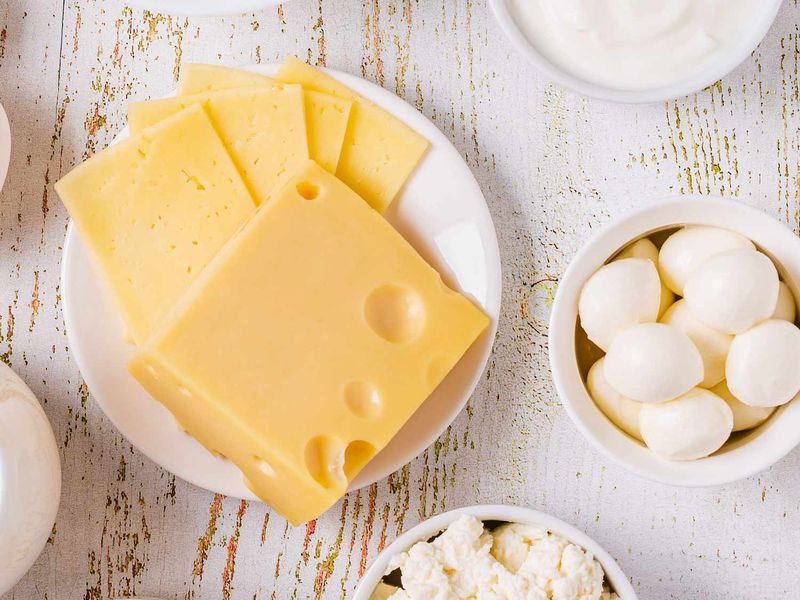
Cheese is surprisingly protein-dense, with most hard varieties offering around 7 grams per 30-gram serving. That's handy if you're trying to build muscle or simply stay full between meals.
The fat content is equally impressive, providing energy and helping your body absorb fat-soluble vitamins like A, D, E, and K. Athletes and active folks often turn to cheese as a convenient protein source. Just remember that the fat is mostly saturated, so balance it with healthier fats from nuts, fish, and olive oil throughout your day.
5. You Could Feel Fuller For Longer After Meals
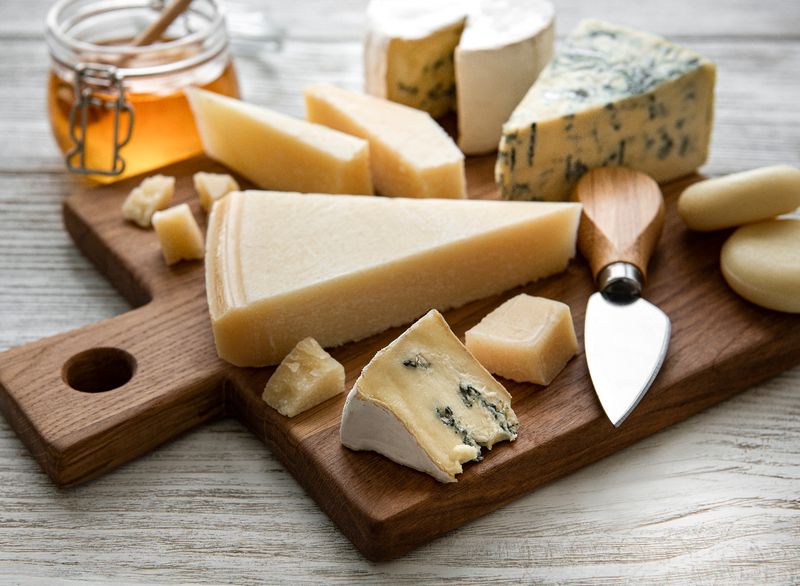
One brilliant side effect of cheese's protein and fat combo is how satisfying it is. Unlike sugary snacks that leave you hungry an hour later, cheese keeps you feeling full and content.
This satiety factor can actually help with weight management if you're mindful about portions. Adding a bit of cheese to your lunch might stop you reaching for the biscuit tin mid-afternoon. Nutritionists often recommend protein-rich foods for appetite control, and cheese ticks that box nicely whilst adding flavour to your meals.
6. You'll Get More Vitamin B12 And Zinc For Energy And Immunity

Cheese isn't just about calcium – it's also a solid source of vitamin B12 and zinc, two nutrients your body needs for energy production and immune function. B12 is especially important for vegetarians who don't eat meat but still consume dairy.
A deficiency in B12 can leave you feeling exhausted and foggy-headed, whilst zinc supports wound healing and helps fight off infections. Regular cheese consumption can help you meet your daily requirements for both. Just 40 grams of Cheddar provides roughly 20% of your daily B12 needs, making it a tasty nutritional boost.
7. Your Skin Might React To The Dairy Content

Some people find that daily dairy triggers breakouts or makes existing skin conditions like eczema flare up. The hormones naturally present in milk – and therefore cheese – may stimulate oil production in your skin.
If you've noticed spots appearing after cheese binges, it might not be coincidence. Dermatologists sometimes suggest eliminating dairy for a few weeks to see if skin improves. Not everyone reacts this way, but if you're struggling with persistent acne or inflammation, it's worth experimenting with your cheese intake and monitoring the results.
8. Your Cholesterol Levels Could Increase

Cheese tastes brilliant partly because it's loaded with saturated fat, and that's where things get a bit dodgy. Eating it daily can nudge your LDL cholesterol levels upward, the type doctors aren't keen on.
High LDL cholesterol is linked to clogged arteries and cardiovascular issues down the line. If you've already got cholesterol concerns, it's worth chatting with your GP or a nutritionist about portion sizes. Moderation is key – a thin slice on your sarnie is fine, but half a block of Red Leicester might be pushing it.
9. You Might Retain More Water And Feel Bloated

Salt is cheese's best mate in the flavour department, but it's also why you might feel a bit puffy after a cheese-heavy day. Many British favourites, especially Feta-style and processed varieties, are quite high in sodium.
Excess salt causes your body to hold onto water, leading to that uncomfortable bloated feeling and even temporary weight gain on the scales. If you're prone to bloating, try lower-sodium options like cottage cheese or ricotta. Drinking plenty of water helps flush out the extra sodium and keeps things moving along nicely.
10. Your Risk Of Heart Disease Could Rise If You Overdo It
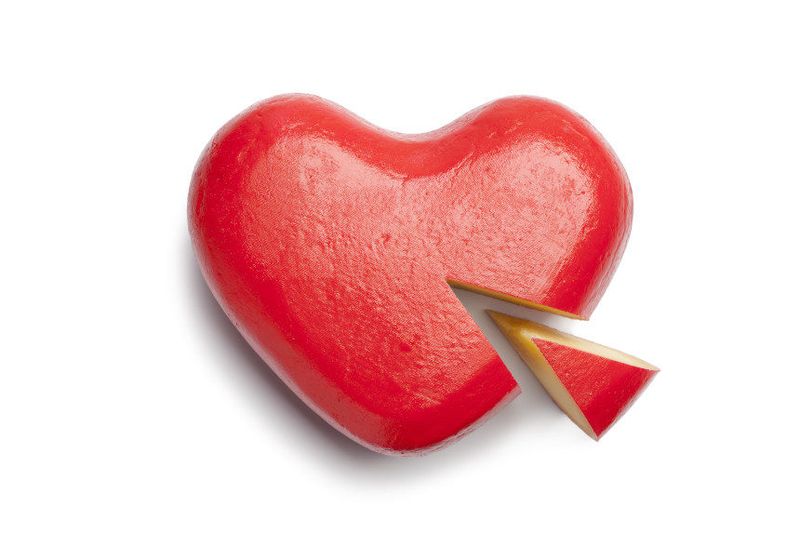
Cardiologists aren't fans of excessive saturated fat, and cheese delivers quite a bit of it. Over time, a diet heavy in saturated fat can contribute to plaque buildup in your arteries, raising your risk of heart attacks and strokes.
That doesn't mean you need to ditch cheese entirely – just be sensible about portions. The British Heart Foundation suggests limiting saturated fat to no more than 20 grams daily for women and 30 grams for men. A 50-gram serving of Cheddar contains roughly 10 grams, so factor that into your overall diet.