










There was a time when the smell of roast beef, golden potatoes, and gravy meant one thing - it was Sunday. Families would gather around the table, the kettle would whistle in the background, and the meal became more than food - it was a weekly ritual.
But somewhere between busy schedules and changing tastes, this beloved tradition began to fade, leaving many wondering what really happened to the classic British Sunday roast.
This content is for general information only. Food habits and traditions vary across regions and families, so personal experiences and recipes may differ.
A Tradition Rooted In British History
The Sunday roast has deep roots in British culture, stretching back several centuries. It became a weekly highlight for families who would attend church in the morning, then return home to the comforting smell of meat slowly roasting in the oven. Over time, this simple meal grew into a cherished ritual that symbolised togetherness and the end of the working week.
The tradition gained popularity during the Tudor period, when roast beef became a favourite across England and even earned the British the nickname “Les Rosbifs” in France. As home ovens became more common, families could prepare their own Sunday feasts, complete with potatoes, vegetables, and Yorkshire puddings.
For generations, recipes and techniques were lovingly passed down, each household adding its own touches - whether it was a perfectly seasoned gravy or vegetables cooked just the way everyone liked. The Sunday roast wasn’t just food; it was a moment of comfort and connection shared across the country.
How Modern Life Changed The Sunday Table

Busy schedules transformed how British families spend their Sundays. Parents work longer hours, children have weekend activities, and everyone seems constantly rushed.
Most shopping centres now open seven days a week, making Sunday feel like any other day. The special feeling of Sunday as a day of rest gradually disappeared, taking the roast tradition with it.
Cooking a proper roast takes several hours of preparation and attention. Many families simply don't have the time or energy after hectic weeks filled with work, school, and endless commitments that leave everyone exhausted.
Why Fewer Families Roast Every Week
Rising food costs make weekly roasts expensive for many households. Quality meat, fresh vegetables, and all the trimmings add up quickly, especially for larger families watching their budgets carefully.
Convenience foods offer tempting alternatives. Ready meals, takeaways, and quick pasta dishes require minimal effort compared to hours spent preparing a traditional roast dinner.
Younger generations often lack cooking skills their grandparents possessed. Without knowledge passed down through family, many feel intimidated by the prospect of creating this elaborate meal from scratch each week.
Restaurants Keeping The Ritual Alive
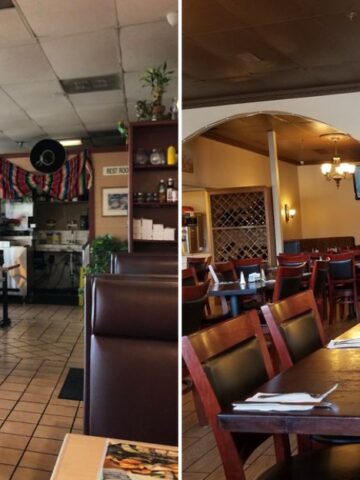
Pubs and restaurants across Britain now serve Sunday roasts to packed dining rooms. Families who won't cook at home still crave the traditional flavours and comforting experience of this classic meal.
Going out for Sunday lunch became a new tradition. Parents avoid kitchen stress whilst children enjoy the restaurant atmosphere, creating different but cherished memories together as a family unit.
Some establishments offer exceptional value, with three courses for reasonable prices. Professional chefs handle the tricky bits like Yorkshire puddings, delivering restaurant-quality meals families struggle to replicate at home consistently.
Could The Sunday Roast Make A Comeback?

Social media sparked renewed interest in home cooking and traditional recipes. Young people share photos of their roast attempts, turning Sunday dinner into an Instagram-worthy event that celebrates British heritage.
The pandemic reminded families how precious shared meals are. Many households rediscovered the joy of cooking together and sitting down for proper Sunday dinners without distractions or rushing.
Celebrity chefs promote simplified roast recipes that seem less daunting. With modern shortcuts and helpful tutorials, perhaps a new generation will embrace this treasured tradition and pass it forward to their own children.